Robert Wilson — 导演 (19)
死亡玛丽 (2007) [电影] 豆瓣
Dead Mary
导演: Robert Wilson 演员: 玛丽-琼希·科尔伯恩 / 多米尼克·斯万
其它标题: Dead Mary
对Kim(由 Dominique Swaim 扮演)来说这一次本应该是一个完美的聚会和周末远离喧闹的放松时刻.她和她的好朋友们为了回忆他们一起的欢乐大学时光而开车来到了一个很远的湖边小屋游玩.就在他们在那里准备开始玩一个叫做"死亡马利"的残忍游戏的时候,他们意外的释放了一个恶鬼,这个恶鬼开始一个一个的支配他们.恶魔强迫他们互相对立残害,每一个人都面临着一个选择.你是否会为了自己的生存而把你的朋友撕成碎片呢?好吧...你会吗?
哈姆雷特机器 [演出] 豆瓣 Eggplant.place
Die Hamletmaschine
类型: theater 编剧: 海纳·穆勒 / 海纳·穆勒 Heiner Müller
其它标题: Die Hamletmaschine 导演: 王翀 / 陈恒辉 演员: 任喜涛 / 侯宇 / 张云鹏


哈姆雷特只是在演哈姆雷特。奥菲利亚的心是一块表。在死人大学,哈姆雷特想成为女人。他的戏从没演出过,剧本已经丢了。哈姆雷特想成为机器。奥菲利亚撕碎了所有男人的照片。当她拿着刀穿过你的卧室,你就会领悟真理。

哈姆雷特机器 [演出]
Die Hamletmaschine
类型: theater 编剧: 海纳·穆勒 / 海纳·穆勒 Heiner Müller
其它标题: Die Hamletmaschine 导演: 王翀 / 陈恒辉 演员: 任喜涛 / 侯宇 / 张云鹏


哈姆雷特只是在演哈姆雷特。奥菲利亚的心是一块表。在死人大学,哈姆雷特想成为女人。他的戏从没演出过,剧本已经丢了。哈姆雷特想成为机器。奥菲利亚撕碎了所有男人的照片。当她拿着刀穿过你的卧室,你就会领悟真理。

哈姆雷特机器 版本4 [演出] 豆瓣
所属 演出: 哈姆雷特机器
导演: Robert Wilson
其它标题: 版本4 编剧: 海纳·穆勒 Heiner Müller


哈姆雷特只是在演哈姆雷特。奥菲利亚的心是一块表。在死人大学,哈姆雷特想成为女人。他的戏从没演出过,剧本已经丢了。哈姆雷特想成为机器。奥菲利亚撕碎了所有男人的照片。当她拿着刀穿过你的卧室,你就会领悟真理。

奥兰多 [演出] 豆瓣
Orlando
类型: theater 编剧: Virginia Woolf / Darryl Pinckney
其它标题: Orlando / 歐蘭朵 导演: Robert Wilson / Katie Mitchell 演员: Kate Lindsey / Anna Clementi / Eric Jurenas / Emma Corrin / Deborah Findlay
“Orlando is a true collaboration in that it incorporates a Western vocabulary of movement and images, based on Virginia Woolf’s text of Orlando and deriving from my background as an architect, from my life in the theater, and from my work as a visual artist.
“This work is counter-pointed and complemented by the classically trained Beijing opera star Wei Hai-min (魏海敏), which definitely brings an ancient sense of Chinese culture to the work — a culture where movement, language, the difference between spoken and sung words, are all very different from what I’ve inherited from my Western roots.
“I see this work as being one whole made of two opposites — the way you have two hands but one body, two sides of the brain, but one mind.
“This new Taipei production is based on earlier ones I did in Paris with Isabelle Huppert and in England with Miranda Richardson. The text and music are different, however, as well as the movement, because they are adapted to the talents of the great Wei Hai-min.
“As for the music, it will use traditional Chinese instruments and at times very profound contemporary electronic sounds.” ----Robert Wilson
奥兰多 版本1 [演出] 豆瓣
所属 演出: 奥兰多
导演: Robert Wilson
其它标题: 版本1 编剧: Virginia Woolf / Darryl Pinckney
“Orlando is a true collaboration in that it incorporates a Western vocabulary of movement and images, based on Virginia Woolf’s text of Orlando and deriving from my background as an architect, from my life in the theater, and from my work as a visual artist.
“This work is counter-pointed and complemented by the classically trained Beijing opera star Wei Hai-min (魏海敏), which definitely brings an ancient sense of Chinese culture to the work — a culture where movement, language, the difference between spoken and sung words, are all very different from what I’ve inherited from my Western roots.
“I see this work as being one whole made of two opposites — the way you have two hands but one body, two sides of the brain, but one mind.
“This new Taipei production is based on earlier ones I did in Paris with Isabelle Huppert and in England with Miranda Richardson. The text and music are different, however, as well as the movement, because they are adapted to the talents of the great Wei Hai-min.
“As for the music, it will use traditional Chinese instruments and at times very profound contemporary electronic sounds.” ----Robert Wilson
普希金童话 [演出] 豆瓣
СКАЗКИ ПУШКИНА
类型: 音乐剧 编剧: Alexander Pushkin / Robert Wilson
其它标题: СКАЗКИ ПУШКИНА / Pushkin's Fairy Tales 剧院: Theatre of Nations 导演: Robert Wilson 演员: Evgeny Mironov / Dmitriy Serduk
Robert Wilson is the most sought-after, respected, and recognized theatre director in the world, as well as one of the most influential representatives of avant-garde theatre of the end of the 20th to the beginning of the 21st century. For several decades now he has been an incontestable global-scale authority of the stage. A distinctive new theatre style was created by Wilson – the one that lies at the interface of drama theatre and contemporary art, of cinema and pantomime, of circus and modern dance. Shows by Wilson are characterized by the sophistication of movement and light that has enchanted audiences all over the world.

There are several fairy tales by Pushkin at the core of the first original Russian show by Wilson, they are: The Tale of Tsar Saltan, The Tale of the Fisherman and the Fish, The Tale of the Priest and of his Workman Balda, The tale of the Golden Cockerel, The She-bear, and also excerpts from the poem Ruslan and Lyudmila.

Extensive research was carried out by Wilson before he got down to develop the lighting and scenic design of the show, as part of which not only he thoroughly studied the fairy tales but also examined a wide variety of artwork, and the history the fairy tales creation, and their folk components, etc. As a result, a vivid and complex visual imagery was created that became an integral part of the show.

Wilson came to Moscow with his own team of designers and collaborators. And the music of the show was created by the famous duo CocoRosie – masters of the free-folk, who conquered the world music scene a long time ago.
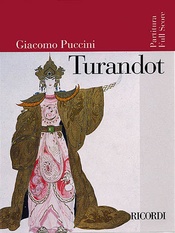
图兰朵 2019年加拿大歌剧团版 [演出] 豆瓣
所属 演出: 图兰朵
语言: italian 意大利语 剧团: Canadian Opera Company Orchestra 加拿大歌剧团管弦乐团 ; Canadian Opera Company Chorus 加拿大歌剧团合唱团 ; Canadian Children’s Opera Company 加拿大儿童歌剧团 剧院: Four Seasons Centre for the Performing Arts 四季表演艺术中心 导演: Robert Wilson / Nicola Panzer
其它标题: 2019年加拿大歌剧团版 编剧: Giuseppe Adami / Renato Simoni 作曲: Giacomo Puccini 演员: Tamara Wilson / Marjorie Owens / Sergey Skorokhodov / Kamen Chanev
Place: Peking, China
Time: Legendary times
Act 1
In China, beautiful Princess Turandot will only marry a suitor who can answer 3 secret riddles. A Mandarin announces the law of the land (Aria – Popolo di Pechino! – "People of Peking!"). The Prince of Persia has failed to answer the three riddles, and he is to be beheaded at the next moonrising. As the crowd surges towards the gates of the palace, the imperial guards brutally repulse them, causing a blind old man to be knocked to the ground. The old man's slave-girl, Liù, cries out for help. A young man hears her cry and recognizes that the old man is his long-lost father, Timur, the deposed king of Tartary. The young Prince of Tartary is overjoyed at seeing Timur alive, but still urges Timur to not speak his name because he is afraid that the Chinese rulers, who have conquered Tartary, may kill or harm them. Timur then tells his son that, of all his servants, only Liù has remained faithful to him. When the Prince asks her why, she tells him that once, long ago in the palace, the Prince had smiled at her (Trio with chorus – The crowd, Liù, Prince of Tartary, Timur: Indietro, cani! – "Back, dogs!").
The moon rises, and the crowd's cries for blood dissolve into silence. The doomed Prince of Persia, who is on his way to be executed, is led before the crowd. The young Prince is so handsome and kind that the crowd and the Prince of Tartary decide that they want Turandot to act compassionately, and they beg Turandot to appear and spare his life (Aria – The crowd, Prince of Tartary: O giovinetto! – "O youth!"). She then appears, and with a single imperious gesture, orders the execution to continue. The Prince of Tartary, who has never seen Turandot before, falls immediately in love with her, and joyfully cries out Turandot's name three times, foreshadowing the riddles to come. Then the Prince of Persia cries out one final time. The crowd, horrified, screams out one final time and the Prince of Persia is beheaded.
The Prince of Tartary is dazzled by Turandot's beauty. He is about to rush towards the gong and to strike it three times – the symbolic gesture of whoever wishes to attempt to solve the riddles so that he can marry Turandot – when the ministers Ping, Pang, and Pong appear. They urge him cynically to not lose his head for Turandot and to instead go back to his own country (Fermo, che fai?). Timur urges his son to desist, and Liù, who is secretly in love with the Prince, pleads with him not to attempt to solve the riddles (Signore, ascolta! – "Lord, hear!"). Liù's words touch the Prince's heart. He begs Liù to make Timur's exile more bearable by not abandoning Timur if the Prince fails to answer the riddles (Non piangere, Liù – "Do not cry, Liù"). The three ministers, Timur, and Liù then try one last time to stop the Prince (Ah! Per l'ultima volta! – "Ah! For the last time!") from attempting to answer the riddles, but he refuses to heed their advice.
He calls Turandot's name three times, and each time Liù, Timur, and the ministers reply, "Death!" and the crowd declares, "We're already digging your grave!" Rushing to the gong that hangs in front of the palace, the Prince strikes it three times, declaring himself to be a suitor. From the palace balcony, Turandot accepts his challenge, as Ping, Pang, and Pong laugh at the Prince's foolishness.
Act 2
Scene 1: A pavilion in the imperial palace. Before sunrise
Ping, Pang, and Pong lament their place as ministers, poring over palace documents and presiding over endless rituals. They prepare themselves for either a wedding or a funeral (Trio – Ping, Pang, Pong: Ola, Pang!). Ping suddenly longs for his country house in Honan, with its small lake surrounded by bamboo. Pong remembers his grove of forests near Tsiang, and Pang recalls his gardens near Kiu. The three share their fond memories of their lives away from the palace (Trio – Ping, Pang, Pong: Ho una casa nell'Honan – "I have a house in Honan"). They turn their thoughts back to how they have been accompanying young princes to their deaths. As the palace trumpet sounds, the ministers ready themselves for another spectacle as they await the entrance of their Emperor.
Scene 2: The courtyard of the palace. Sunrise
The Emperor Altoum, father of Turandot, sits on his grand throne in his palace. Weary of having to judge his isolated daughter's sport, he urges the Prince to withdraw his challenge, but the Prince refuses (Aria – Altoum, the Prince: Un giuramento atroce – "An atrocious oath"). Turandot enters and explains (In questa reggia – "In this palace") that her ancestress of millennia past, Princess Lo-u-Ling, reigned over her kingdom "in silence and joy, resisting the harsh domination of men" until she was raped and murdered by an invading foreign prince. Turandot claims that Lo-u-Ling now lives in her, and out of revenge, Turandot has sworn to never let any man wed her. She warns the Prince to withdraw but again he refuses. The Princess presents her first riddle: Straniero, ascolta! – "What is born each night and dies each dawn?" The Prince correctly replies, Speranza – "Hope." The Princess, unnerved, presents her second riddle (Guizza al pari di fiamma – "What flickers red and warm like a flame, but is not fire?") The Prince thinks for a moment before replying, Sangue – "Blood". Turandot is shaken. The crowd cheers the Prince, provoking Turandot's anger. She presents her third riddle (Gelo che ti da foco – "What is ice which gives you fire and which your fire freezes still more?"). He proclaims, "It is Turandot! Turandot!"
The crowd cheers for the triumphant Prince. Turandot throws herself at her father's feet and pleads with him not to leave her to the Prince's mercy. The Emperor insists that an oath is sacred and that it is Turandot's duty to wed the Prince (Duet – Turandot, Altoum, the Prince: Figlio del cielo). She cries out in despair, "Will you take me by force? (Mi porterai con la forza?) The Prince stops her, saying that he has a riddle for her: Tre enigmi m'hai proposto – "You do not know my name. Tell me my name before sunrise, and at dawn, I will die." Turandot accepts. The Emperor then declares that he hopes that he will be able to call the Prince his son when the sun next rises.
Act 3
Scene 1: The palace gardens. Night
In the distance, heralds call out Turandot's command: Cosi comanda Turandot – "This night, none shall sleep in Peking! The penalty for all will be death if the Prince's name is not discovered by morning". The Prince waits for dawn and anticipates his victory: Nessun dorma – "Nobody shall sleep!"
Ping, Pong, and Pang appear and offer the Prince women and riches if he will only give up Turandot (Tu che guardi le stelle), but he refuses. A group of soldiers then drag in Timur and Liù. They have been seen speaking to the Prince, so they must know his name. Turandot enters and orders Timur and Liù to speak. The Prince feigns ignorance, saying they know nothing. But when the guards begin to treat Timur harshly, Liù declares that she alone knows the Prince's name, but she will not reveal it. Ping demands the Prince's name, and when Liù refuses to say it, she is tortured. Turandot is clearly taken aback by Liù's resolve and asks Liù who or what gave her such a strong resolve. Liù answers, "Princess, love!" (Principessa, amore!). Turandot demands that Ping tear the Prince's name from Liù, and Ping orders Liù to be tortured even more. Liù counters Turandot (Tu che di gel sei cinta – "You who are begirdled by ice"), saying that Turandot too will learn the exquisite joy of being guided by caring and compassionate love.[note 1] Having spoken, Liù seizes a dagger from a soldier's belt and stabs herself. As she staggers towards the Prince and falls dead, the crowd screams for her to speak the Prince's name. Since Timur is blind, he must be told about Liù's death, and he cries out in anguish. When Timur warns that the gods will be offended by Liù's death, the crowd becomes subdued, very afraid and ashamed. The grieving Timur and the crowd follow Liù's body as it is carried away. Everybody departs, leaving the Prince and Turandot alone. He reproaches Turandot for her cruelty (Duet – The Prince, Turandot: Principessa di morte – "Princess of death"), then takes her in his arms and kisses her in spite of her resistance.
The Prince tries to convince Turandot to love him. At first she feels disgusted, but after he kisses her, she feels herself becoming more ardently desiring to be held and compassionately loved by him. She admits that ever since she met the Prince, she realized she both hated and loved him. She asks him to ask for nothing more and to leave, taking his mystery with him. The Prince, however, then reveals his name: "Calaf, son of Timur – Calaf, figlio di Timur", thereby placing his life in Turandot's hands. She can now destroy him if she wants (Duet – Turandot, Calaf: Del primo pianto).
Scene 2: The courtyard of the palace. Dawn
Turandot and Calaf approach the Emperor's throne. She declares that she knows the Prince's name: Diecimila anni al nostro Imperatore! – "It is ... love!" The crowd cheers and acclaims the two lovers (O sole! Vita! Eternità).

沙滩上的爱因斯坦 [演出] 豆瓣
Einstein on the Beach
类型: 歌剧 编剧: Robert Wilson / Philip Glass 作曲: Philip Glass
其它标题: Einstein on the Beach 剧团: Philip Glass Ensemble 菲利普 • 格拉斯合奏团 剧院: Opéra Grand Avignon 阿维尼翁大歌剧院 导演: Robert Wilson
From the beginning of Glass and Wilson's collaboration, they insisted on portraying the icon purely as a historical figure, in the absence of a storyline attached to his image. While they did incorporate symbols from Einstein's life within the opera's scenery, characters, and music, they intentionally chose not to give the opera a specific plot. This is in accord with Wilson's formalist approach, which he asserts creates more truth on stage than naturalist theater. Wilson structured Einstein on the Beach as a repeating sequence of three different kinds of space. Between major acts are shorter entr'actes known as "knee plays," a signature technique that Wilson has applied throughout his oeuvre. Propelling idea of "non-plot" within Einstein on the Beach, its libretto employs solfège syllables, numbers, and short sections of poetry. In an interview, Glass comments that he originally intended for his audience to construct personal connections with Einstein as a character and with the music that he assigns to the icon. For example, the music within the first of the opera's "Knee Plays" features repeated numbers accompanied by an electric organ. Glass states that these numbers and solfège syllables were used as placeholders for texts by the singers to memorize their parts, and were kept instead of replacing them with texts. This numerical repetition, however, offers an interpretation as a reference to the mathematical and scientific breakthroughs made by Einstein himself. Of further reference to the icon's image, everything on the originally staged set of Einstein on the Beach, from costumes to lighting, depicts specific aspects that refer to Einstein's life.
Overall, the music assigned to Einstein demonstrates a circular process, a repeating cycle that constantly delays resolution. This process uses both additive and subtractive formulas. The three main scenes within the opera—"Train", "Trial", and "Field/Spaceship"—allude to Einstein's hypotheses about his theory of relativity and his unified field theory. Specifically, themes within the opera allude to nuclear weapons, science, and AM radio.
The opera consists of nine connected 20-minute scenes in four acts separated by "Knee Plays". Five "Knee Plays" frame the opera's structure and appear in between acts, while also functioning as the opening and closing scenes. Glass defines a "Knee Play" as an interlude between acts and as "the 'knee' referring to the joining function that humans' anatomical knees perform". While the "Knee Plays" helped to create the necessary time to change the scenery of Wilson's seven sets, these interludes also served a musical function. David Cunningham, a Glass scholar, writes that the intermittence of Glass's "Knee Plays" amongst the opera's four acts, serves as a "constant motif in the whole work".
The opera requires a cast of two female, one male, and one male child in speaking roles (for the Wilson production); a 16-person SATB chamber chorus with an outstanding soprano soloist and a smaller tenor solo part; three reed players: flute (doubling piccolo and bass clarinet), soprano saxophone (doubling flute), tenor saxophone (doubling alto saxophone); solo violin, and two synthesizers/electronic organs. The orchestration was originally tailored to the five members of the Philip Glass Ensemble, plus the solo violin.
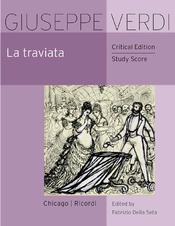
茶花女 2015-2016年林茨州立剧团版 [演出] 豆瓣
所属 演出: 茶花女
语言: italian 意大利语 剧团: Bruckner Orchester Linz 林茨布鲁克纳管弦乐团 ; Chor des Landestheaters Linz 林茨州立剧院合唱团 剧院: Musiktheater am Volksgarten 林茨人民公园音乐剧院 导演: Robert Wilson
其它标题: 2015-2016年林茨州立剧团版 编剧: Francesco Maria Piave 作曲: Giuseppe Verdi 演员: Lee Myung Joo / Moriya Mari / Jacques le Roux / Iurie Ciobanu / Pedro Velázquez Díaz
Place: Paris and its vicinity
Time: Beginning of the 19th century
Act 1
The salon in Violetta's house
Violetta Valéry, a famed courtesan, throws a lavish party at her Paris salon to celebrate her recovery from an illness. Gastone, a viscount, has brought with him a friend, Alfredo Germont, a young bourgeois from a provincial family who has long adored Violetta from afar. While walking to the salon, Gastone tells Violetta that Alfredo loves her, and that while she was ill, he came to her house every day. Alfredo joins them, admitting the truth of Gastone's remarks.
Baron Douphol, Violetta's current lover, waits nearby to escort her to the salon; once there, the Baron is asked to give a toast, but refuses, and the crowd turns to Alfredo, who agrees to sing a brindisi – a drinking song (Alfredo, Violetta, chorus: Libiamo ne' lieti calici – "Let's drink from the joyful cups").
From the next room, the sound of the orchestra is heard and the guests move there to dance. After a series of severe coughs and almost fainting, Violetta begins to feel dizzy and asks her guests to go ahead and to leave her to rest until she recovers. While the guests dance in the next room, Violetta looks at her pale face in her mirror. Alfredo enters and expresses his concern for her fragile health, later declaring his love for her (Alfredo, Violetta: Un dì, felice, eterea – "One day, happy and ethereal"). At first, she rejects him because his love means nothing to her, but there is something about Alfredo that touches her heart. He is about to leave when she gives him a flower, telling him to return it when it has wilted, which will be the very next day.
After the guests leave, Violetta wonders if Alfredo could actually be the one in her life (Violetta: È strano! ... Ah, fors' è lui – "Ah, perhaps he is the one"). But she concludes that she needs freedom to live her life (Violetta, Alfredo: Sempre libera – "Always free"). From off stage, Alfredo's voice is heard singing about love as he walks down the street.
Act 2
Scene 1: Violetta's country house outside Paris
Three months later, Alfredo and Violetta are living together in a peaceful country house outside Paris. Violetta has fallen in love with Alfredo and she has completely abandoned her former life. Alfredo sings of their happy life together (Alfredo: De' miei bollenti spiriti / Il giovanile ardore – "The youthful ardor of my ebullient spirits"). Annina, the maid, arrives from Paris, and, when questioned by Alfredo, tells him that she went there to sell the horses, carriages and everything owned by Violetta to support their country lifestyle.
Alfredo is shocked to learn this and leaves for Paris immediately to settle matters himself. Violetta returns home and receives an invitation from her friend, Flora, to a party in Paris that evening. Alfredo's father, Giorgio Germont, is announced and demands that she break off her relationship with his son for the sake of his family, since he reveals that Violetta's relationship with Alfredo has threatened his daughter's engagement (Giorgio: Pura siccome un angelo, Iddio mi diè una figlia – "Pure as an angel, God gave me a daughter") because of Violetta's reputation. Meanwhile, he reluctantly becomes impressed by Violetta's nobility, something which he did not expect from a courtesan. She responds that she cannot end the relationship because she loves him so much, but Giorgio pleads with her for the sake of his family. With growing remorse, she finally agrees (Violetta, Giorgio: Dite alla giovine, sì bella e pura, – "Tell the young girl, so beautiful and pure,") and says goodbye to Giorgio. In a gesture of gratitude for her kindness and sacrifice, Giorgio kisses her forehead before leaving her weeping alone.
Violetta gives a note to Annina to send to Flora accepting the party invitation and, as she is writing a farewell letter to Alfredo, he enters. She can barely control her sadness and tears; she tells him repeatedly of her unconditional love (Violetta: Amami, Alfredo, amami quant'io t'amo – "Love me, Alfredo, love me as I love you"). Before rushing out and setting off for Paris, she hands the farewell letter to her servant to give to Alfredo.
Soon, the servant brings the letter to Alfredo and, as soon as he has read it, Giorgio returns and attempts to comfort his son, reminding him of his family in Provence (Giorgio: Di Provenza il mar, il suol chi dal cor ti cancellò? – "Who erased the sea, the land of Provence from your heart?"). Alfredo suspects that the Baron is behind his separation with Violetta, and the party invitation, which he finds on the desk, strengthens his suspicions. He decides to confront Violetta at the party. Giorgio tries to stop Alfredo, but he rushes out.
Scene 2: Party at Flora's house
At the party, the Marquis tells Flora that Violetta and Alfredo have separated, much to the amazement of everyone who had previously seen the happy couple. She calls for the entertainers to perform for the guests (Chorus: Noi siamo zingarelle venute da lontano – "We are gypsy girls who have come from afar"; Di Madride noi siam mattadori – "We are matadors from Madrid"). Gastone and his friends join the matadors and sing (Gastone, chorus, dancers: È Piquillo un bel gagliardo Biscaglino mattador – "Piquillo is a bold and handsome matador from Biscay").
Violetta arrives with Baron Douphol. They see Alfredo at the gambling table. When he sees them, Alfredo loudly proclaims that he will take Violetta home with him. Feeling annoyed, the Baron goes to the gambling table and joins him in a game. As they bet, Alfredo wins some large sums until Flora announces that supper is ready. Alfredo leaves with handfuls of money.
As everyone is leaving the room, Violetta has asked Alfredo to see her. Fearing that the Baron's anger will lead him to challenge Alfredo to a duel, she gently asks Alfredo to leave. Alfredo misunderstands her apprehension and demands that she admit that she loves the Baron. In grief, she makes that admission and, furiously, Alfredo calls the guests to witness what he has to say (Questa donna conoscete? – "You know this woman?"). He humiliates and denounces Violetta in front of the guests and then throws his winnings at her feet in payment for her services. She faints onto the floor. The guests reprimand Alfredo: Di donne ignobile insultatore, di qua allontanati, ne desti orror! ("Ignoble insulter of women, go away from here, you fill us with horror!").
In search of his son, Giorgio enters the hall and, knowing the real significance of the scene, denounces his son's behavior (Giorgio, Alfredo, Violetta, chorus: Di sprezzo degno sè stesso rende chi pur nell'ira la donna offende. – "A man, who even in anger, offends a woman renders himself deserving of contempt.").
Flora and the ladies attempt to persuade Violetta to leave the dining room, but Violetta turns to Alfredo: Alfredo, Alfredo, di questo core non puoi comprendere tutto l'amore... – "Alfredo, Alfredo, you can't understand all the love in this heart...".
Act 3
Violetta's bedroom
Dr. Grenvil tells Annina that Violetta will not live long since her tuberculosis has worsened. Alone in her room, Violetta reads a letter from Alfredo's father telling her that the Baron was only wounded in his duel with Alfredo. He has informed Alfredo of the sacrifice she has made for him and his sister; and that he is sending his son to see her as quickly as possible to ask for her forgiveness. But Violetta senses it is too late (Violetta: Addio, del passato bei sogni ridenti – "Farewell, lovely, happy dreams of the past").
Annina rushes in the room to tell Violetta of Alfredo's arrival. The lovers are reunited and Alfredo suggests that they leave Paris (Alfredo, Violetta: Parigi, o cara, noi lasceremo – "We will leave Paris, O beloved").
But it is too late: she knows her time is up (Alfredo, Violetta: Gran Dio!...morir sì giovane – "Great God!...to die so young"). Alfredo's father enters with the doctor, regretting what he has done. After singing a duet with Alfredo, Violetta suddenly revives, exclaiming that the pain and discomfort have left her. A moment later, she dies in Alfredo's arms.
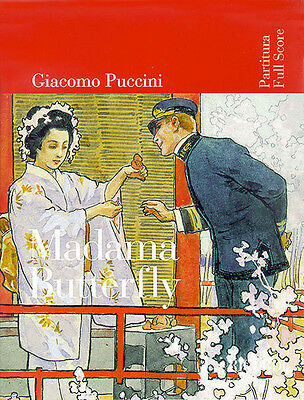
蝴蝶夫人 2015年巴黎国家歌剧团版 [演出] 豆瓣
所属 演出: 蝴蝶夫人
语言: 意大利语 italian 剧团: Orchestre de l'Opéra national de Paris 巴黎国家歌剧团管弦乐团 ; Chœurs de l'Opéra national de Paris 巴黎国家歌剧团合唱团 剧院: Opéra Bastille 巴士底歌剧院 导演: Robert Wilson
其它标题: 2015年巴黎国家歌剧团版 编剧: Luigi Illica / Giuseppe Giacosa 作曲: Giacomo Puccini 演员: Oksana Dyka / Ermonela Jaho / Piero Pretti
Time: 1904
Place: Nagasaki, Japan
Act 1
In 1904, a U.S. naval officer named Pinkerton rents a house on a hill in Nagasaki, Japan, for himself and his soon-to-be wife, "Butterfly". Her real name is Ciocio-san (from the Japanese word for "butterfly" (蝶々 chōchō, pronounced [tɕoːtɕoː]); -san is a plain honorific). She is a 15-year-old Japanese girl whom he is marrying for convenience, and he intends to leave her once he finds a proper American wife, since Japanese divorce laws are very lax. The wedding is to take place at the house. Butterfly had been so excited to marry an American that she had earlier secretly converted to Christianity. After the wedding ceremony, her uninvited uncle, a bonze, who has found out about her conversion, comes to the house, curses her and orders all the guests to leave, which they do while renouncing her. Pinkerton and Butterfly sing a love duet and prepare to spend their first night together.
Act 2
Three years later, Butterfly is still waiting for Pinkerton to return, as he had left shortly after their wedding. Her maid Suzuki keeps trying to convince her that he is not coming back, but Butterfly will not listen to her. Goro, the marriage broker who arranged her marriage, keeps trying to marry her off again, but she does not listen to him either. The American consul, Sharpless, comes to the house with a letter which he has received from Pinkerton which asks him to break some news to Butterfly: that Pinkerton is coming back to Japan, but Sharpless cannot bring himself to finish it because Butterfly becomes very excited to hear that Pinkerton is coming back. Sharpless asks Butterfly what she would do if Pinkerton were not to return. She then reveals that she gave birth to Pinkerton's son after he had left and asks Sharpless to tell him.
From the hill house, Butterfly sees Pinkerton's ship arriving in the harbour. She and Suzuki prepare for his arrival, and then they wait. Suzuki and the child fall asleep, but Butterfly stays up all night waiting for him to arrive.
Act 3
Suzuki wakes up in the morning and Butterfly finally falls asleep. Sharpless and Pinkerton arrive at the house, along with Pinkerton's new American wife, Kate. They have come because Kate has agreed to raise the child. But, as Pinkerton sees how Butterfly has decorated the house for his return, he realizes he has made a huge mistake. He admits that he is a coward and cannot face her, leaving Suzuki, Sharpless and Kate to break the news to Butterfly. Agreeing to give up her child if Pinkerton comes himself to see her, she then prays to statues of her ancestral gods, says goodbye to her son, and blindfolds him. She places a small American flag in his hands and goes behind a screen, killing herself with her father's seppuku knife. Pinkerton rushes in, but he is too late, and Butterfly dies.
玛丽如是说 [演出] 豆瓣
Mary Said What She Said
类型: theater 编剧: Darryl Pinckney
其它标题: Mary Said What She Said 剧院: Théâtre de la Ville in Paris 导演: Robert Wilson 演员: Isabelle Huppert
Mary Said What She Said is a three-part monologue of 86 paragraphs that makes clear its intent right from the outset: »Memory, open my heart.« Mary, Queen of Scots and, for a while, Queen of France, reviews her life as ‘the one and only Mary in Scotland and the Isles’, a worthy pretender also to the English throne. We learn that this long study in remembrance takes place just as she has been sentenced to death by beheading by her cousin Elizabeth I, Queen of England, and stands accused of conspiring against her. But it is also a play in the course of which Mary composes a drama of her life, a life whose trajectory begins more or less with her birth and ends with a heart-rending letter of farewell written in French to her brother-in-law Henry III, King of France, on the eve of her death. The timeline unfolds as if the memory of it came to her through free associations. The journey takes us from one surprise to the next, marked by the twists and turns of an existence interspersed by all-too-short periods of happiness and unspeakable calamities. A singular wealth of details, simple and charming, mingles with an impla-cable destiny. Is she searching for her true self? Who can say? After all, what she does know and keeps reminding us is that she is queen and, as such, sacred, and that she proclaims her innocence.
犀牛 [演出] 豆瓣
Rhinoceros
类型: 舞台剧 编剧: Eugène Ionescu
其它标题: Rhinoceros 剧院: the National Theater "Marin Sorescu" 导演: Robert Wilson


At the invitation of the Teatrul National Marin Sorescu Craiova, Robert Wilson directed the renowned absurdist comedy of Romanian playwright Eugène Ionescu. As Ionescu spent much of his life in France, writing primarily in French, this staging marked a unique occasion for his work to be performed in his native tongue and country.

终局 [演出] 豆瓣
Endgame
类型: theater 编剧: Samuel Beckett
其它标题: Endgame 导演: Robert Wilson / Richard Jones 演员: Martin Schneider / Georgios Tsivanoglou / Traute Hoess / ürgen Holtz / Alan Cumming
Like in most of Samuel Beckett’s texts, Endgame deals with characters outside of society, waiting and looking in vain for something unknown in a nondescript, apocalyptical place. Its characters are bound towards each other by an invisible chain of co-dependency that knows no way out. Contrary to this bleak topic, it is a strikingly funny play with a number of comic elements, physical and verbal. Endgame was Robert Wilson's 10th production at the Berliner Ensemble since 1998.
“This poignancy and consequence. This concentration. This severity. This humor. ... No sentimentality, but the echo of a world in turmoil.”
— Der Tagesspiegel (Rüdiger Schaper), Dec. 4, 2016

Hamm kann nicht stehen, Clov kann nicht sitzen, Hamm ist der Herr, Clov der Diener, beide sind zum Überleben aufeinander angewiesen. In zwei Mülleimern Nagg und Nell, Hamms Eltern, die „verfluchten Erzeuger“, auch sie können nicht fort. Gemeinsam spielen sie ein nie endendes „Endspiel“ gegen die Hoffnungslosigkeit, trotzen der untergehenden Welt mit unerbittlicher Ironie und heiterer Verzweiflung, denn: „Nichts ist komischer als das Unglück.“ Robert Wilson verwandelt mit Becketts ENDSPIEL erneut einen der Klassiker der Weltliteratur in sein Zaubertheater für alle Sinne. Der amerikanische Regisseur, Bühnenbildner, Architekt, Künstler..., der selbst seit 2009 als „Krapp“in Becketts LETZTEMBANDauf der Bühne steht, und dessen Inszenierungen auf der ganzen Welt zu sehen sind, hat im BERLINERENSEMBLEseit Jahren eine künstlerische Heimat gefunden. 1998 inszeniert Wilson zum ersten Mal am BE(Brechts OZEANFLUG), und Stücke wie LEONCEUNDLENA, DIEDREIGROSCHENOPER,SHAKESPEARESSONETTE, PETERPANund zuletzt FAUSTI UNDII prägen den Spielplan des Theaters mit seiner unvergleichlichen künstlerischen Handschrift.

Regie, Bühne, Lichtkonzept:
Robert Wilson
Kostüme: Jacques Reynaud
Musik: Hans Peter Kuhn
Mitarbeit Regie: Ann-Christin Rommen
Dramaturgie: Anika Bárdos
Mitarbeit Bühne: Serge von Arx
Mitarbeit Kostüme: Wicke Naujoks
Mitarbeit Musik: Hans-Jörn Brandenburg
Licht: Ulrich Eh
Videoprojektionen: Tomek Jeziorski
终局 版本1 [演出] 豆瓣
所属 演出: 终局
导演: Robert Wilson
其它标题: 版本1 编剧: Samuel Beckett 演员: Martin Schneider / Georgios Tsivanoglou
Like in most of Samuel Beckett’s texts, Endgame deals with characters outside of society, waiting and looking in vain for something unknown in a nondescript, apocalyptical place. Its characters are bound towards each other by an invisible chain of co-dependency that knows no way out. Contrary to this bleak topic, it is a strikingly funny play with a number of comic elements, physical and verbal. Endgame was Robert Wilson's 10th production at the Berliner Ensemble since 1998.
“This poignancy and consequence. This concentration. This severity. This humor. ... No sentimentality, but the echo of a world in turmoil.”
— Der Tagesspiegel (Rüdiger Schaper), Dec. 4, 2016

Hamm kann nicht stehen, Clov kann nicht sitzen, Hamm ist der Herr, Clov der Diener, beide sind zum Überleben aufeinander angewiesen. In zwei Mülleimern Nagg und Nell, Hamms Eltern, die „verfluchten Erzeuger“, auch sie können nicht fort. Gemeinsam spielen sie ein nie endendes „Endspiel“ gegen die Hoffnungslosigkeit, trotzen der untergehenden Welt mit unerbittlicher Ironie und heiterer Verzweiflung, denn: „Nichts ist komischer als das Unglück.“ Robert Wilson verwandelt mit Becketts ENDSPIEL erneut einen der Klassiker der Weltliteratur in sein Zaubertheater für alle Sinne. Der amerikanische Regisseur, Bühnenbildner, Architekt, Künstler..., der selbst seit 2009 als „Krapp“in Becketts LETZTEMBANDauf der Bühne steht, und dessen Inszenierungen auf der ganzen Welt zu sehen sind, hat im BERLINERENSEMBLEseit Jahren eine künstlerische Heimat gefunden. 1998 inszeniert Wilson zum ersten Mal am BE(Brechts OZEANFLUG), und Stücke wie LEONCEUNDLENA, DIEDREIGROSCHENOPER,SHAKESPEARESSONETTE, PETERPANund zuletzt FAUSTI UNDII prägen den Spielplan des Theaters mit seiner unvergleichlichen künstlerischen Handschrift.

Regie, Bühne, Lichtkonzept:
Robert Wilson
Kostüme: Jacques Reynaud
Musik: Hans Peter Kuhn
Mitarbeit Regie: Ann-Christin Rommen
Dramaturgie: Anika Bárdos
Mitarbeit Bühne: Serge von Arx
Mitarbeit Kostüme: Wicke Naujoks
Mitarbeit Musik: Hans-Jörn Brandenburg
Licht: Ulrich Eh
Videoprojektionen: Tomek Jeziorski
佩利亚斯与梅丽桑德 [演出] 豆瓣
Pelléas et Mélisande
类型: 歌剧 编剧: Maurice Maeterlinck / Claude Debussy
其它标题: Pelléas et Mélisande 导演: 未知 / Graham Vick 演员: Jean Périer / Mary Garden / Hector Dufranne / Félix Vieuille / Jeanne Gerville-Réache
Act 1
Scene 1: A forest
Prince Golaud, grandson of King Arkel of Allemonde, has become lost while hunting in the forest. He discovers a frightened, weeping girl sitting by a spring in which a crown is visible. She reveals her name is Mélisande but nothing else about her origins and refuses to let Golaud retrieve her crown from the water. Golaud persuades her to come with him before the forest gets dark.
Scene 2: A room in the castle
Six months have passed. Geneviève, the mother of the princes Golaud and Pelléas, reads a letter to the aged and nearly blind King Arkel. It was sent by Golaud to his brother Pelléas. In it Golaud reveals that he has married Mélisande, although he knows no more about her than on the day they first met. Golaud fears that Arkel will be angry with him and tells Pelléas to find how he reacts to the news. If the old man is favourable then Pelléas should light a lamp from the tower facing the sea on the third day; if Golaud does not see the lamp shining, he will sail on and never return home. Arkel had planned to marry the widowed Golaud to Princess Ursule in order to put an end to "long wars and ancient hatreds", but he bows to fate and accepts Golaud's marriage to Mélisande. Pelléas enters, weeping. He has received a letter from his friend Marcellus, who is on his deathbed, and wants to travel to say goodbye to him. Arkel thinks Pelléas should wait for the return of Golaud, and also reminds Pelléas of his own father, lying sick in bed in the castle. Geneviève tells Pelléas not to forget to light the lamp for Golaud.
Scene 3: Before the castle
Geneviève and Mélisande walk in the castle grounds. Mélisande remarks how dark the surrounding gardens and forest are. Pelléas arrives. They look out to sea and notice a large ship departing and a lighthouse shining, Mélisande foretells that it will sink. Night falls. Geneviève goes off to look after Yniold, Golaud's young son by his previous marriage. Pelléas attempts to take Melisande's hand to help her down the steep path but she refuses saying that she is holding flowers. He tells her he might have to go away tomorrow. Mélisande asks him why.
Act 2
Scene 1: A well in the park
It is a hot summer day. Pelléas has led Mélisande to one of his favourite spots, the "Blind Men's Well". People used to believe it possessed miraculous powers to cure blindness but since the old king's eyesight started to fail, they no longer come there. Mélisande lies down on the marble rim of the well and tries to see to the bottom. Her hair loosens and falls into the water. Pelléas notices how extraordinarily long it is. He remembers that Golaud first met Mélisande beside a spring and asks if he tried to kiss her at that time but she does not answer. Mélisande plays with the ring Golaud gave her, throwing it up into the air until it slips from her fingers into the well. Pelléas tells her not to be concerned but she is not reassured. He also notes that the clock was striking twelve as the ring dropped into the well. Mélisande asks him what she should tell Golaud. He replies, "the truth."
Scene 2: A room in the castle
Golaud is lying in bed with Mélisande at the bedside. He is wounded, having fallen from his horse while hunting. The horse suddenly bolted for no reason as the clock struck twelve. Mélisande bursts into tears and says she feels ill and unhappy in the castle. She wants to go away with Golaud. He asks her the reason for her unhappiness but she refuses to say. When he asks her if the problem is Pelléas, she replies that he is not the cause but she does not think he likes her. Golaud tells her not to worry: Pelléas can behave oddly and he is still very young. Mélisande complains about the gloominess of the castle, today was the first time she saw the sky. Golaud says that she is too old to be crying for such reasons and takes her hands to comfort her and notices the wedding ring is missing. Golaud becomes furious, Mélisande claims she dropped it in a cave by the sea where she went to collect shells with little Yniold. Golaud orders her to go and search for it at once before the tide comes in, even though night has fallen. When Mélisande replies that she is afraid to go alone, Golaud tells her to take Pelléas along with her.
Scene 3: Before a cave
Pelléas and Mélisande make their way down to the cave in pitch darkness. Mélisande is frightened to enter, but Pelléas tells her she will need to describe the place to Golaud to prove she has been there. The moon comes out lighting the cave and reveals three beggars sleeping in the cave. Pelléas explains there is a famine in the land. He decides they should come back another day.
Act 3
Scene 1: One of the towers of the castle
Mélisande is at the tower window, singing a song (Mes longs cheveux) as she combs her hair. Pelléas appears and asks her to lean out so he can kiss her hand as he is going away the next day. He cannot reach her hand but her long hair tumbles down from the window and he kisses and caresses it instead. Pelléas playfully ties Mélisande's hair to a willow tree in spite of her protests that someone might see them. A flock of doves takes flight. Mélisande panics when she hears Golaud's footsteps approaching. Golaud dismisses Pelléas and Mélisande as nothing but a pair of children and leads Pelléas away.
Scene 2: The vaults of the castle
Golaud leads Pelléas down to the castle vaults, which contain the dungeons and a stagnant pool which has "the scent of death". He tells Pelléas to lean over and look into the chasm while he holds him safely. Pelléas finds the atmosphere stifling and they leave.
Scene 3: A terrace at the entrance of the vaults
Pelléas is relieved to breathe fresh air again. It is noon. He sees Geneviève and Mélisande at a window in the tower. Golaud tells Pelléas that there must be no repeat of the "childish game" between him and Mélisande last night. Mélisande is pregnant and the least shock might disturb her health. It is not the first time he has noticed there might be something between Pelléas and Mélisande but Pelléas should avoid her as much as possible without making this look too obvious.
Scene 4: Before the castle
Golaud sits with his little son, Yniold, in the darkness before dawn and questions him about Pelléas and Mélisande. The boy reveals little that Golaud wants to know since he is too innocent to understand what he is asking. He says that Pelléas and Mélisande often quarrel about the door and that they have told Yniold he will one day be as big as his father. Golaud is puzzled when learning that they (Pelléas and Mélisande) never send Yniold away because they are afraid when he is not there and keep on crying in the dark. He admits that he once saw Pelléas and Mélisande kiss "when it was raining". Golaud lifts his son on his shoulders to spy on Pelléas and Mélisande through the window but Yniold says that they are doing nothing other than looking at the light. He threatens to scream unless Golaud lets him down again. Golaud leads him away.
Act 4
Scene 1: A room in the castle
Pelléas tells Mélisande that his father is getting better and has asked him to leave on his travels. He arranges a last meeting with Mélisande by the Blind Men's Well in the park.
Scene 2: The same
Arkel tells Mélisande how he felt sorry for her when she first came to the castle "with the strange, bewildered look of someone constantly awaiting a calamity". But now that is going to change and Mélisande will "open the door to a new era that I foresee". He asks her to kiss him. Golaud bursts in with blood on his forehead — he claims it was caused by a thorn hedge. When Mélisande tries to wipe the blood away, he angrily orders her not to touch him and demands his sword. He says that another peasant has died of starvation. Golaud notices Mélisande is trembling and tells her he is not going to kill her with the sword. He mocks the "great innocence" Arkel says he sees in Mélisande's eyes. He commands her to close them or "I will shut them for a long time." He tells Mélisande that she disgusts him and drags her around the room by her hair. When Golaud leaves, Arkel asks if he is drunk. Mélisande simply replies that he does not love her any more. Arkel comments: "If I were God, I would have pity on the hearts of men".
Scene 3: A well in the park
Yniold tries to lift a boulder to free his golden ball, which is trapped between it and some rocks. As darkness falls, he hears a flock of sheep suddenly stop bleating. A shepherd explains that they have turned onto a path that doesn't lead back to the sheepfold, but does not answer when Yniold asks where they will sleep. Yniold goes off to find someone to talk to.
Scene 4: The same
Pelléas arrives alone at the well. He is worried that he has become deeply involved with Mélisande and fears the consequences. He knows he must leave but first, he wants to see Mélisande one last time and tell her things he has kept to himself. Mélisande arrives. She was able to slip out without Golaud's noticing. At first she is distant but when Pelléas tells her he is going away she becomes more affectionate. After admitting his love for her, Mélisande confesses that she has loved him since she first saw him. Pelléas hears the servants shutting the castle gates for the night. Now they are locked out, but Mélisande says that it is for the better. Pelléas is resigned to fate too. After the two kiss, Mélisande hears something moving in the shadows. It is Golaud, who has been watching the couple from behind a tree. Golaud strikes down a defenseless Pelléas with his sword and kills him. Mélisande is also wounded but she flees into the woods saying to a dying Pelléas that she does not have courage.
Act 5
A bedroom in the castle
Mélisande sleeps in a sick bed after giving birth to her child. The doctor assures Golaud that despite her wound, her condition is not serious. Overcome with guilt, Golaud claims he has killed for no reason. Pelléas and Mélisande merely kissed "like a brother and sister". Mélisande wakes and asks for a window to be opened so she can see the sunset. Golaud asks the doctor and Arkel to leave the room so he can speak with Mélisande alone. He blames himself for everything and begs Mélisande's forgiveness. Golaud presses Mélisande to confess her forbidden love for Pelléas. She maintains her innocence in spite of Golaud's increasingly desperate pleas to her to tell the truth. Arkel and the doctor return. Arkel tells Golaud to stop before he kills Mélisande, but he replies "I have already killed her". Arkel hands Mélisande her newborn baby girl but she is too weak to lift the child in her arms and remarks that the baby does not cry and that she will live a sad existence. The room fills with serving women, although no one can tell who has summoned them. Mélisande quietly dies. At the moment of death, the serving women fall to their knees. Arkel comforts the sobbing Golaud.
佩利亚斯与梅丽桑德 2012年巴黎国家歌剧团版 [演出] 豆瓣
所属 演出: 佩利亚斯与梅丽桑德
语言: 法语 french 剧团: Orchestre de l’Opéra national de Paris 巴黎国家歌剧团管弦乐团 ; Chœurs de l’Opéra national de Paris 巴黎国家歌剧团合唱团 剧院: Opéra Bastille 巴士底歌剧院 导演: Robert Wilson
其它标题: 2012年巴黎国家歌剧团版 编剧: Maurice Maeterlinck / Claude Debussy 作曲: Claude Debussy 演员: Stéphane Degout / Elena Tsallagova
Act 1
Scene 1: A forest
Prince Golaud, grandson of King Arkel of Allemonde, has become lost while hunting in the forest. He discovers a frightened, weeping girl sitting by a spring in which a crown is visible. She reveals her name is Mélisande but nothing else about her origins and refuses to let Golaud retrieve her crown from the water. Golaud persuades her to come with him before the forest gets dark.
Scene 2: A room in the castle
Six months have passed. Geneviève, the mother of the princes Golaud and Pelléas, reads a letter to the aged and nearly blind King Arkel. It was sent by Golaud to his brother Pelléas. In it Golaud reveals that he has married Mélisande, although he knows no more about her than on the day they first met. Golaud fears that Arkel will be angry with him and tells Pelléas to find how he reacts to the news. If the old man is favourable then Pelléas should light a lamp from the tower facing the sea on the third day; if Golaud does not see the lamp shining, he will sail on and never return home. Arkel had planned to marry the widowed Golaud to Princess Ursule in order to put an end to "long wars and ancient hatreds", but he bows to fate and accepts Golaud's marriage to Mélisande. Pelléas enters, weeping. He has received a letter from his friend Marcellus, who is on his deathbed, and wants to travel to say goodbye to him. Arkel thinks Pelléas should wait for the return of Golaud, and also reminds Pelléas of his own father, lying sick in bed in the castle. Geneviève tells Pelléas not to forget to light the lamp for Golaud.
Scene 3: Before the castle
Geneviève and Mélisande walk in the castle grounds. Mélisande remarks how dark the surrounding gardens and forest are. Pelléas arrives. They look out to sea and notice a large ship departing and a lighthouse shining, Mélisande foretells that it will sink. Night falls. Geneviève goes off to look after Yniold, Golaud's young son by his previous marriage. Pelléas attempts to take Melisande's hand to help her down the steep path but she refuses saying that she is holding flowers. He tells her he might have to go away tomorrow. Mélisande asks him why.
Act 2
Scene 1: A well in the park
It is a hot summer day. Pelléas has led Mélisande to one of his favourite spots, the "Blind Men's Well". People used to believe it possessed miraculous powers to cure blindness but since the old king's eyesight started to fail, they no longer come there. Mélisande lies down on the marble rim of the well and tries to see to the bottom. Her hair loosens and falls into the water. Pelléas notices how extraordinarily long it is. He remembers that Golaud first met Mélisande beside a spring and asks if he tried to kiss her at that time but she does not answer. Mélisande plays with the ring Golaud gave her, throwing it up into the air until it slips from her fingers into the well. Pelléas tells her not to be concerned but she is not reassured. He also notes that the clock was striking twelve as the ring dropped into the well. Mélisande asks him what she should tell Golaud. He replies, "the truth."
Scene 2: A room in the castle
Golaud is lying in bed with Mélisande at the bedside. He is wounded, having fallen from his horse while hunting. The horse suddenly bolted for no reason as the clock struck twelve. Mélisande bursts into tears and says she feels ill and unhappy in the castle. She wants to go away with Golaud. He asks her the reason for her unhappiness but she refuses to say. When he asks her if the problem is Pelléas, she replies that he is not the cause but she does not think he likes her. Golaud tells her not to worry: Pelléas can behave oddly and he is still very young. Mélisande complains about the gloominess of the castle, today was the first time she saw the sky. Golaud says that she is too old to be crying for such reasons and takes her hands to comfort her and notices the wedding ring is missing. Golaud becomes furious, Mélisande claims she dropped it in a cave by the sea where she went to collect shells with little Yniold. Golaud orders her to go and search for it at once before the tide comes in, even though night has fallen. When Mélisande replies that she is afraid to go alone, Golaud tells her to take Pelléas along with her.
Scene 3: Before a cave
Pelléas and Mélisande make their way down to the cave in pitch darkness. Mélisande is frightened to enter, but Pelléas tells her she will need to describe the place to Golaud to prove she has been there. The moon comes out lighting the cave and reveals three beggars sleeping in the cave. Pelléas explains there is a famine in the land. He decides they should come back another day.
Act 3
Scene 1: One of the towers of the castle
Mélisande is at the tower window, singing a song (Mes longs cheveux) as she combs her hair. Pelléas appears and asks her to lean out so he can kiss her hand as he is going away the next day. He cannot reach her hand but her long hair tumbles down from the window and he kisses and caresses it instead. Pelléas playfully ties Mélisande's hair to a willow tree in spite of her protests that someone might see them. A flock of doves takes flight. Mélisande panics when she hears Golaud's footsteps approaching. Golaud dismisses Pelléas and Mélisande as nothing but a pair of children and leads Pelléas away.
Scene 2: The vaults of the castle
Golaud leads Pelléas down to the castle vaults, which contain the dungeons and a stagnant pool which has "the scent of death". He tells Pelléas to lean over and look into the chasm while he holds him safely. Pelléas finds the atmosphere stifling and they leave.
Scene 3: A terrace at the entrance of the vaults
Pelléas is relieved to breathe fresh air again. It is noon. He sees Geneviève and Mélisande at a window in the tower. Golaud tells Pelléas that there must be no repeat of the "childish game" between him and Mélisande last night. Mélisande is pregnant and the least shock might disturb her health. It is not the first time he has noticed there might be something between Pelléas and Mélisande but Pelléas should avoid her as much as possible without making this look too obvious.
Scene 4: Before the castle
Golaud sits with his little son, Yniold, in the darkness before dawn and questions him about Pelléas and Mélisande. The boy reveals little that Golaud wants to know since he is too innocent to understand what he is asking. He says that Pelléas and Mélisande often quarrel about the door and that they have told Yniold he will one day be as big as his father. Golaud is puzzled when learning that they (Pelléas and Mélisande) never send Yniold away because they are afraid when he is not there and keep on crying in the dark. He admits that he once saw Pelléas and Mélisande kiss "when it was raining". Golaud lifts his son on his shoulders to spy on Pelléas and Mélisande through the window but Yniold says that they are doing nothing other than looking at the light. He threatens to scream unless Golaud lets him down again. Golaud leads him away.
Act 4
Scene 1: A room in the castle
Pelléas tells Mélisande that his father is getting better and has asked him to leave on his travels. He arranges a last meeting with Mélisande by the Blind Men's Well in the park.
Scene 2: The same
Arkel tells Mélisande how he felt sorry for her when she first came to the castle "with the strange, bewildered look of someone constantly awaiting a calamity". But now that is going to change and Mélisande will "open the door to a new era that I foresee". He asks her to kiss him. Golaud bursts in with blood on his forehead — he claims it was caused by a thorn hedge. When Mélisande tries to wipe the blood away, he angrily orders her not to touch him and demands his sword. He says that another peasant has died of starvation. Golaud notices Mélisande is trembling and tells her he is not going to kill her with the sword. He mocks the "great innocence" Arkel says he sees in Mélisande's eyes. He commands her to close them or "I will shut them for a long time." He tells Mélisande that she disgusts him and drags her around the room by her hair. When Golaud leaves, Arkel asks if he is drunk. Mélisande simply replies that he does not love her any more. Arkel comments: "If I were God, I would have pity on the hearts of men".
Scene 3: A well in the park
Yniold tries to lift a boulder to free his golden ball, which is trapped between it and some rocks. As darkness falls, he hears a flock of sheep suddenly stop bleating. A shepherd explains that they have turned onto a path that doesn't lead back to the sheepfold, but does not answer when Yniold asks where they will sleep. Yniold goes off to find someone to talk to.
Scene 4: The same
Pelléas arrives alone at the well. He is worried that he has become deeply involved with Mélisande and fears the consequences. He knows he must leave but first, he wants to see Mélisande one last time and tell her things he has kept to himself. Mélisande arrives. She was able to slip out without Golaud's noticing. At first she is distant but when Pelléas tells her he is going away she becomes more affectionate. After admitting his love for her, Mélisande confesses that she has loved him since she first saw him. Pelléas hears the servants shutting the castle gates for the night. Now they are locked out, but Mélisande says that it is for the better. Pelléas is resigned to fate too. After the two kiss, Mélisande hears something moving in the shadows. It is Golaud, who has been watching the couple from behind a tree. Golaud strikes down a defenseless Pelléas with his sword and kills him. Mélisande is also wounded but she flees into the woods saying to a dying Pelléas that she does not have courage.
Act 5
A bedroom in the castle
Mélisande sleeps in a sick bed after giving birth to her child. The doctor assures Golaud that despite her wound, her condition is not serious. Overcome with guilt, Golaud claims he has killed for no reason. Pelléas and Mélisande merely kissed "like a brother and sister". Mélisande wakes and asks for a window to be opened so she can see the sunset. Golaud asks the doctor and Arkel to leave the room so he can speak with Mélisande alone. He blames himself for everything and begs Mélisande's forgiveness. Golaud presses Mélisande to confess her forbidden love for Pelléas. She maintains her innocence in spite of Golaud's increasingly desperate pleas to her to tell the truth. Arkel and the doctor return. Arkel tells Golaud to stop before he kills Mélisande, but he replies "I have already killed her". Arkel hands Mélisande her newborn baby girl but she is too weak to lift the child in her arms and remarks that the baby does not cry and that she will live a sad existence. The room fills with serving women, although no one can tell who has summoned them. Mélisande quietly dies. At the moment of death, the serving women fall to their knees. Arkel comforts the sobbing Golaud.
哈姆雷特机器 [演出] 豆瓣
Hamletmachine
类型: theater 编剧: Heiner Müller
其它标题: Hamletmachine 剧团: theater students in Hamburg 剧院: the Thalia Theater 导演: Robert Wilson


官方简介: