Matthieu Ricard — 作者 (11)
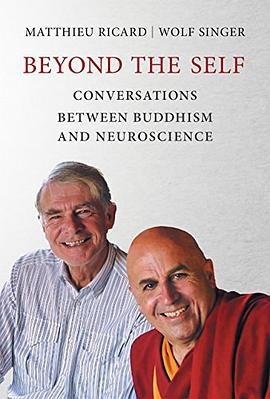
Beyond the Self [图书] 豆瓣
作者: Matthieu Ricard / Wolf Singer 出版社: MIT Press 2017 - 11
Converging and diverging views on the mind, the self, consciousness, the unconscious, free will, perception, meditation, and other topics.
Buddhism shares with science the task of examining the mind empirically; it has pursued, for two millennia, direct investigation of the mind through penetrating introspection. Neuroscience, on the other hand, relies on third-person knowledge in the form of scientific observation. In this book, Matthieu Ricard, a Buddhist monk trained as a molecular biologist, and Wolf Singer, a distinguished neuroscientist—close friends, continuing an ongoing dialogue—offer their perspectives on the mind, the self, consciousness, the unconscious, free will, epistemology, meditation, and neuroplasticity.
Ricard and Singer's wide-ranging conversation stages an enlightening and engaging encounter between Buddhism's wealth of experiential findings and neuroscience's abundance of experimental results. They discuss, among many other things, the difference between rumination and meditation (rumination is the scourge of meditation, but psychotherapy depends on it); the distinction between pure awareness and its contents; the Buddhist idea (or lack of one) of the unconscious and neuroscience's precise criteria for conscious and unconscious processes; and the commonalities between cognitive behavioral therapy and meditation. Their views diverge (Ricard asserts that the third-person approach will never encounter consciousness as a primary experience) and converge (Singer points out that the neuroscientific understanding of perception as reconstruction is very like the Buddhist all-discriminating wisdom) but both keep their vision trained on understanding fundamental aspects of human life.
Happiness [图书] 豆瓣
作者: Matthieu Ricard 出版社: Little, Brown and Company 2007 - 1
A molecular biologist turned Buddhist monk, described by scientists as "the happiest man alive," demonstrates how to develop the inner conditions for true happiness.
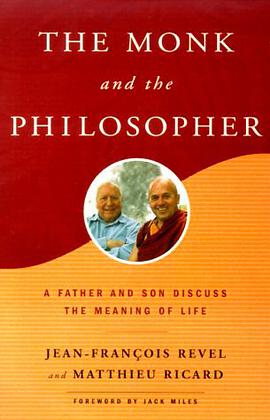
The Monk and the Philosopher [图书] 豆瓣
作者: Jean-Francois Revel / Matthieu Ricard 出版社: Schocken 2000 - 2
Jean Francois-Revel, a pillar of French intellectual life in our time, became world famous for his challenges to both Communism and Christianity. Twenty-seven years ago, his son, Matthieu Ricard, gave up a promising career as a scientist to study Tibetan Buddhism -- not as a detached observer but by immersing himself in its practice under the guidance of its greatest living masters.
Meeting in an inn overlooking Katmandu, these two profoundly thoughtful men explored the questions that have occupied humankind throughout its history. Does life have meaning? What is consciousness? Is man free? What is the value of scientific and material progress? Why is there suffering, war, and hatred? Their conversation is not merely abstract: they ask each other questions about ethics, rights, and responsibilities, about knowledge and belief, and they discuss frankly the differences in the way each has tried to make sense of his life.
Utterly absorbing, inspiring, and accessible, this remarkable dialogue engages East with West, ideas with life, and science with the humanities, providing wisdom on how to enrich the way we live our lives.
僧侶與哲學家─父子對談生命意義 [图书] 豆瓣
Le Moine et le Philosophe
作者: Jean-Francois Revel / Matthieu Ricard 译者: 賴聲川 出版社: 究竟出版社 2012 - 5
◎一場關於佛教和生命意義最睿智、最熱切的對話。
◎法國暢銷30萬冊!台灣好評長銷再版40刷!
◎達賴喇嘛、林懷民、佛教學者 鄭振煌、東吳大學法學院教授 林東茂 好評推薦!
佛法能否滿足人類精神的需求,填補西方文明的缺陷,帶給我們想要的幸福?
沒有比僧侶與哲學家這對父子辨證所擦出的智慧火花,更適合回答這些問題。
我們一輩子都在追尋世俗目標,但得到真正快樂的機會,如同想捕魚的漁夫,卻把魚網拋向乾涸的河床。──馬修‧李卡德
1966年,馬修‧李卡德20歲,看了朋友所拍攝的西藏大師的影片,深受感動,買了一張前往印度的便宜機票,動身前往大吉嶺,在那裡遇見了他的第一位西藏老師,和佛教有了初步的接觸。
那時他是諾貝爾生物醫學獎得主賈克柏的門生,學業正步入輝煌期,前途一片光明,可是暑假的精神之旅,卻使他的心時時飛向印度。完成博士學位後,他告訴父親和老師,他要定居亞洲,開始過心靈的生活,他們驚訝之餘,有著不解的失望。
馬修和西方的關係並未全然斷絕,他成了僧侶,跟著西藏大師學習、翻譯佛典,成了佛教西傳的橋梁。31年後,馬修和哲學家父親針對佛教和生命的意義展開對話,父親對佛教犀利的質疑,讓馬修有機會揭開佛法神祕的面紗:佛法不是無為、迷信、被動的東方思想,它是一門心的科學。
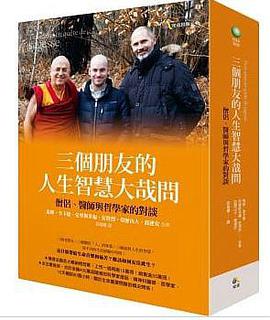
三個朋友的人生智慧大哉問 [图书] 豆瓣
Trois amis en quête de sagesse
作者: 馬修.李卡德 / 亞歷山大.喬連安 译者: 邱瑞鑾 出版社: 究竟 2017 - 5
★橫掃法國各大暢銷榜冠軍,上市一週再刷15萬冊!銷售逾35萬冊!
★全法最推崇,合計坐擁400萬追隨者的科學家僧侶、精神科醫師、暢銷哲學家,
10天暢談80個小時,關於生命重要問題的精采問答!
三個老朋友,
三種關於「人」的專業、三種面對人生的智慧,
從不同的生活經驗中叩問:
是什麼帶給生命喜樂和痛苦?
應該如何安住此生?
哲學家、精神科醫師和佛教僧侶,多年來一直想合寫一本書。
三人因為這個企畫而相聚十天,就他們認為生命中最重要的問題促膝長談。
不是辯論,而是傾盡真心的深度交會。
他們的觀點意見不盡一致,但目的都是盡可能減少人生的痛苦和消極情緒,啟發人追求幸福的潛能,發現和發掘「利他」的人生動機,從而獲得真正自由幸福的人生。
希望讀者能從這本書裡感受到我們在交流時的勤奮認真,以及歡樂氣氛,感受到我們即席而發的精神。
我們竭力使談話具有一貫性,不致散漫無章。也希望把想法充分向讀者傳達。
現在就請在我們身邊坐下來,坐在一張椅子上,或者是更靠近我們一點,和我們一起坐在舒適的舊沙發上。
壁爐裡的火畢畢剝剝響著,窗外是隨河谷開展的景色。
冬天的太陽漸漸變蒼白,茶壺裡的茶冒著熱氣,暖了手,也刺激了我們的心神。
亞歷山大淘氣起來,說了個笑話;馬修扶一扶他的眼鏡,擊掌叮嚀大家專心一點;克里斯多福再看一眼他前一天晚上寫在小筆記本上的筆記(他知道他狡猾的伙伴經常會轉頭看他,要他第一個發表意見)。
談話就要開始了,現在就只缺讀者您了……
關於「與身體同行」──克里斯多福
*像尊重大自然一樣地尊重我們的身體。
身體並不屬於我們專有,就像大自然不屬於我們。我們不過是地球的房客,好比我們是身體的房客。我們的身體在死後會被收回,就如同大自然在我們死後會繼續存在一樣。
*接受並愛惜我們的衰老。
把「老」看做是一個幫助,協助我們不再依戀自己的身體,並藉此準備離開它。沒有遺憾地、輕輕緩緩地離開,就像離開一個暫時借我們的東西那樣,我們的身體也將為未來的世代所回收。
關於「好好運用情緒」──馬修
*讓你的注意力變銳利,以便在負面情緒浮現之時就能有所意識。熄滅星星之火比撲滅森林大火容易。
*學習更了解自己的情緒。訓練自己分辨對自己和他人身心安泰有益的,以及會摧毀這些的事物。
*一旦負面情緒明顯帶來了不良後果,那就快向它的解藥靠攏,也就是尋求正面情緒的幫助。
*持續培養正面情緒,直到正面情緒成為我們不可分離的一部分。
關於「面對自我」──亞歷山大
*照顧好自己。
為了擺脫「自我」,或至少讓「自我」沉靜,確實將自己照顧好,並且辨別出真正感到喜樂的事物。否則在我們挫折、痛苦、忿忿不平的時候,「自我」便會激盪起來。
*「我是誰?」
覺得焦慮時,立刻問自己:是「誰」在害怕?辨別出那即使是在騷亂中也總是藏在內心深處的安寧所在。
*把感激他人當做「精神操練」。
以具體行動幫助他人,投入團結互助這個無限迴圈裡。
各界好評
詹宏志(PChome Online董事長
王浩威(精神科醫師,華人心理治療研究發展基金會執行長)
張德芬(華人世界首席身心靈作家)
褚士瑩(作家、公益旅行家,國際非營利組織顧問)
許瑞云(《哈佛醫師心能量》作者)
誠摯推薦!
「對話」的力量
──褚士瑩
透過三個交情至篤的老友,一個住在尼泊爾的佛教僧侶(馬修.李卡德)、一位首先將靜坐帶到法國心理治療領域的醫師(克里斯多福.安得烈)與一位二十歲以前生長在身障者機構的哲學家(亞歷山大.喬連安 )之間長達十天的深度對談,我看到追尋幸福的過程當中,人如何可以透過深度真誠的對話,看懂每一個信念背後代表的思路。
許多人認為學習別人的經驗,是為了避免犯不必要的錯誤,少走冤枉路,其實是想不勞而獲,不願意為自己的決定負責。
渴望被愛的人總是說:「 別人給我的愛,我會加倍愛回去」,聽起來慷慨,其實極端吝嗇,因為有條件的愛,充其量只是以「愛」作為貨幣的貪心生意人罷了,否則為何不選擇先愛人呢?這樣的人並不會找到幸福。
完美主義者並不會因此得到完美,而是註定要生活在失望之中。
認為自己是受害者多麼簡單,這樣就不用為自己的不幸負責了。
委曲自己聽起來多麼冠冕堂皇,但這可能只是渴望被別人喜歡的小技倆。
逞強好勝的人需要靠外界的肯定來確定自己,但這樣的人根本不喜歡自己。
當我們做為觀眾,看著這三個重要的時代作家用對話的方式,抽絲剝繭地思考同時,我們也看到了透過不同的專業,跨界思考的可能路徑。
無論是透過宗教學、哲學,還是心理學,每個人如果能夠從自己專注的事物中,找到一個跟自己有效的對話方法,打開一扇能夠注視自己思維路徑的窗子,就再也不怕迷路,因為能夠專注觀察自己思緒的人,永遠能夠回到原點。
跟彼此對話。
跟自己對話。
對話的力量,雖然不能保證得到幸福,卻可以確定在追求幸福的途中,不怕迷路。對我來說,這比什麼都要讓人安心。
媒體好評
這本書是三個朋友間的心得交流,談的是人生,也是他們各自從佛教僧侶,哲學家,心理學家的不同視角來談對人生幸福的信念。--法國國際廣播電台
這本書充滿了三人的豐富智慧,是一場三人的慈善高峰會!--《觀點報》
讀三人交換人生意見,宛若進入哲學與心靈的實驗室,深度探索生命裡會遇見的各種障礙。--《費加洛雜誌》
這三位好友的觀點如此不同,但卻又如此鞭辟入裡。這是一本充滿智慧的書,讓讀者能學習到人生的藝術。--《電訊報》
這本深刻、快樂又可靠的書,揭露了三個朋友堅信的真理,讓讀者能夠獲得啟發,理解「變通」「責任感」「自由」「愛」與「仁慈」的意義。--《里昂日報》
這三位好友對智慧的追尋,能使我們在生命中找到靈感、快樂與幸福的泉源。--《今日土耳其》
讀者推薦
這不是一本智慧指南,但每個人都能從中找到各自人生的意義。三個好友、三類不同身分、三種使用大腦的不同方式,讓這本書充滿各種力量!
書中充滿了人生的喜悅和友情,讀這本書就像上了一堂美麗的人性學習課程。
三位守夜人以無數的睿智思考啟蒙,點亮我們灰暗又充滿憤怒焦慮的人生!
這本書宛如一張讓我們更了解自己的邀請函。
除了美麗的詞彙,他們的分享也讓我們與自身的人性不完美之處相連結。同時,他們也會分享疑惑、懷疑,藉以提醒我們尋求智慧的旅途上,必須要從每天的生活中一點一滴進步,了解自己的脆弱、墮落、失敗,讓人生每個階段都能變得更好。
這是一本有趣、充滿知識、良善與溫柔的書。它為我們在日常生活裡的痛苦及煩惱指引出一條明路,它教導我們要照顧自己的內心,與自己及他人和平共存。這本書的文字既清晰而簡潔,適合所有人閱讀。值得一讀再讀!
即便不是哲學家、精神科醫師或僧侶,這本書還是會讓你對自己的心靈進行反思。這是關於人文精神美麗而動人的一課。
證悟的流浪者——巴楚仁波切之生平與言教 [图书] 豆瓣
Enlightened Vagabond: The Life and Teachings of Patrul Rinpoche
作者: 馬修•李卡德 / Matthieu Ricard 译者: 普賢法譯小組 出版社: 橡樹林 2021 - 1
十九世紀以實修而達到最究竟了悟的偉大行者
一百多篇故事,帶你一窺兩百年前巴楚仁波切智慧謙和、堅忍不屈、促狹淘氣、慈悲憐憫的各種真實面貌。
「巴楚仁波切因簡單樸實的生活方式、致力修持佛法的精神,以及對藏傳佛教四大教派採取不分宗派的態度而聞名於世。他尤以親身實踐寂天菩薩《入菩薩行論》的言教而著名,一生當中亦廣博教授此部論典。相傳每當他在教授此論時,周遭會盛開一種名為『色千』的花朵,且其花瓣比平時還多了好幾重,人們因而稱呼該花為『入行論花』,巴楚仁波切則稱為『入行論上師』。」—观自在
「《證悟的流浪者》一書,銘記了偉大巴楚令人著迷的生平,使得這位於西藏崇山峻嶺寂靜岩穴中作獅子吼的知名學者與大師,其真實智慧與無緣大慈之音能迴盪於所有讀者、在家眾與大師們的心中。感謝這本珍貴書籍的問世。」—《大圓滿龍欽寧提傳承祖師傳》作者,祖古東杜仁波切
「本書將成為所有想探究藏傳佛教精髓者的經典必讀之作。」—《願惑顯智–岡波巴大師大手印心要》作者,林谷祖古仁波切
「巴楚仁波切的法教影響了藏傳四大教派的學者、瑜伽士等無數行者。這本令人讚嘆的書籍將為有志步上覺悟道者,帶來極大的利益。」—《世界上最快樂的人》作者,明就仁波切
巴楚仁波切出離於人世間及其慈悲、勇敢的特質,被視為佛教中最為純粹的理想典範,他一生潛心修行並寫下許多論典,其中最著名著作《普賢上師言教》不只被藏傳四大教派推崇,更是藏傳弟子的必讀之作。
作者馬修.李卡德耗時三十年,走遍西藏甚至遠赴不丹、尼泊爾,記載多位上師記憶中的巴楚仁波切。不管是「看見動物被宰殺而淚流不止的慈悲之心」、「因不滿自身修行而訓斥自己甚至自行禁食的堅毅精進性格」、又或是「為老婦清理便盆、與女童共享茶杯的謙和自在」,巴楚仁波切的多種面貌透過作者的筆躍然紙上、鮮明地呈現於讀者的眼前。
Le moine et le philosophe [图书] 谷歌图书
作者: Jean-François Revel / Matthieu Ricard 出版社: Groupe Robert Laffont 2012 - 09
Une confrontation inédite entre l'Orient et l'Occident, entre deux cultures, deux visions de la vie, entre un père, philosophe, et son fils, moine bouddhiste.

"Un livre exceptionnel, le meilleur sans doute que l'on puisse trouver aujourd'hui sur la vérité, mais aussi sur les difficultés du boudhisme." Luc Ferry, Le Point

"Imprégné de la pensée occidentale rationaliste, Jean-François Revel dialogue avec son fils Mathieu Ricard, biologiste devenu moine bouddhiste. Au fil de la conversation, ce sont finalement les grandes questions aux frontières de la philosophie, de la science, de la spiritualité et du politique qui sont abordées. Une riche réflexion sur le sens de la vie et de l'engagement contemplatif." Frédéric Lenoir, L'Express

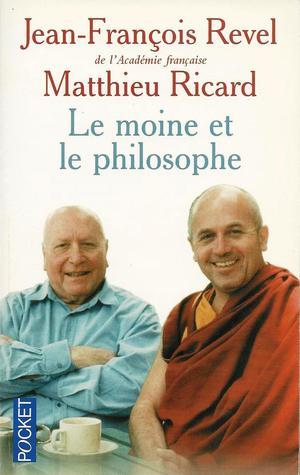
Le Moine et le philosophe [图书] Goodreads
作者: Matthieu Ricard / Jean-François Revel 出版社: Pocket 1999 - 1
Rayon : Spiritualité Editeur : Pocket Date de parution : 2001 Description : In-12, 410 pages, broché, occasion, bon état. Envois quotidiens du mardi au samedi. Les commandes sont adressées sous enveloppes bulles. Photos supplémentaires de l'ouvrage sur simple demande. Réponses aux questions dans les 12h00. Les expéditions d'ouvrages pesant plus de 1 kilo vers la France et de plus de 500 grammes vers l'international peuvent se voir appliquer un supplément de port. N'hésitez pas à vous renseigner avant de passer commande. Librairie Le Piano-Livre. Merci. Référence catalogue 45531. Please let us know if you have any questions. Thanks
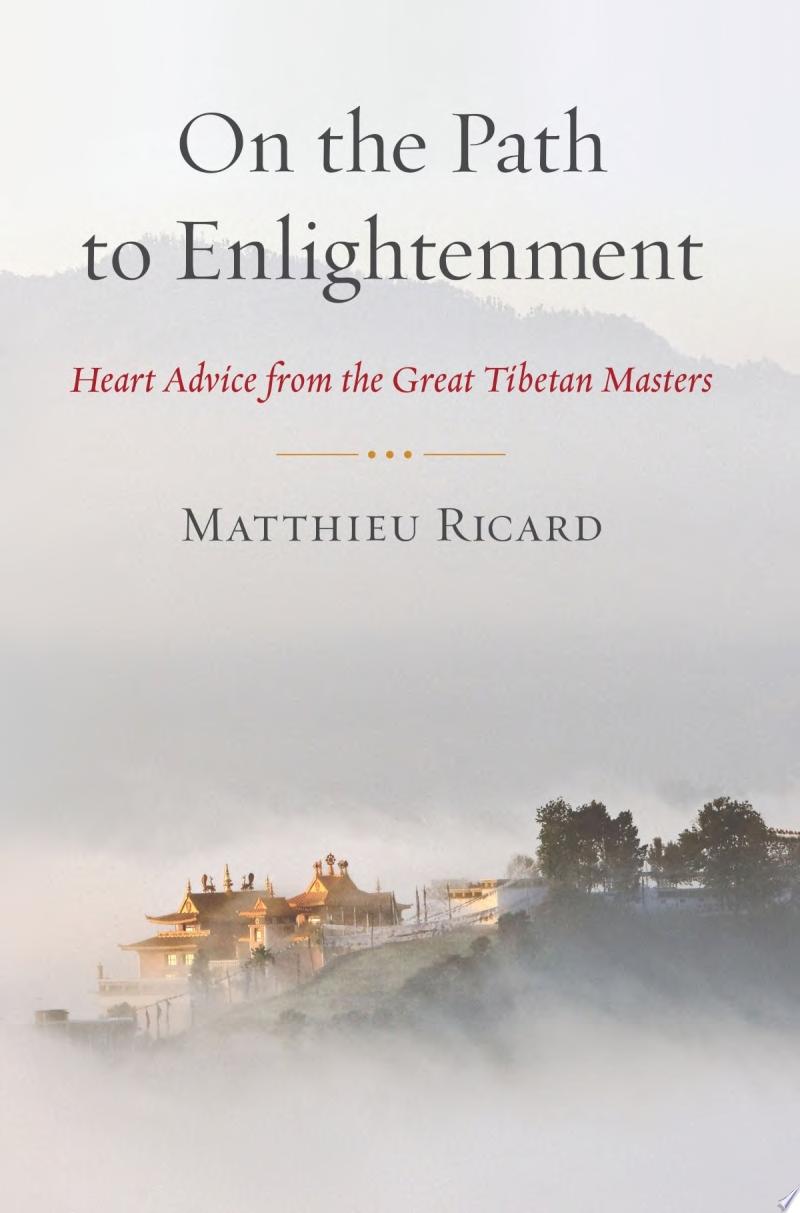
On the path to enlightenment [图书] 开放图书馆 谷歌图书
作者: Matthieu Ricard 出版社: Shambhala 2013 - 06 其它标题: On the Path to Enlightenment
"This is an abridged edition and English translation of Chemins spirituels: Petit anthologie des plus beaux texts tibétains, © NiL Editions, 2010, Paris."

Includes bibliographical references (pages 283-317).
The Quantum and the Lotus [图书] 谷歌图书 开放图书馆
作者: Matthieu Ricard / Xuan Thuan Trinh 出版社: Crown Publishers 2001
Matthieu Ricard trained as a molecular biologist, working in the lab of a Nobel prize—winning scientist, but when he read some Buddhist philosophy, he became drawn to Buddhism. Eventually he left his life in science to study with Tibetan teachers, and he is now a Buddhist monk and translator for the Dalai Lama, living in the Shechen monastery near Kathmandu in Nepal. Trinh Thuan was born into a Buddhist family in Vietnam but became intrigued by the explosion of discoveries in astronomy during the 1960s. He made his way to the prestigious California Institute of Technology to study with some of the biggest names in the field and is now an acclaimed astrophysicist and specialist on how the galaxies formed. When Matthieu Ricard and Trinh Thuan met at an academic conference in the summer of 1997, they began discussing the many remarkable connections between the teachings of Buddhism and the findings of recent science. That conversation grew into an astonishing correspondence exploring a series of fascinating questions. Did the universe have a beginning? Or is our universe one in a series of infinite universes with no end and no beginning? Is the concept of a beginning of time fundamentally flawed? Might our perception of time in fact be an illusion, a phenomenon created in our brains that has no ultimate reality? Is the stunning fine-tuning of the universe, which has produced just the right conditions for life to evolve, a sign that a “principle of creation” is at work in our world? If such a principle of creation undergirds the workings of the universe, what does that tell us about whether or not there is a divine Creator? How does the radical interpretation of reality offered by quantum physics conform to and yet differ from the Buddhist conception of reality? What is consciousness and how did it evolve? Can consciousness exist apart from a brain generating it? The stimulating journey of discovery the authors traveled in their discussions is re-created beautifully in The Quantum and the Lotus, written in the style of a lively dialogue between friends. Both the fundamental teachings of Buddhism and the discoveries of contemporary science are introduced with great clarity, and the reader will be profoundly impressed by the many correspondences between the two streams of thought and revelation. Through the course of their dialogue, the authors reach a remarkable meeting of minds, ultimately offering a vital new understanding of the many ways in which science and Buddhism confirm and complement each other and of the ways in which, as Matthieu Ricard writes, “knowledge of our spirits and knowledge of the world are mutually enlightening and empowering.”