Roberto Alagna — 演员 (14)
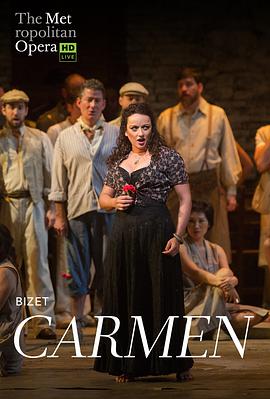
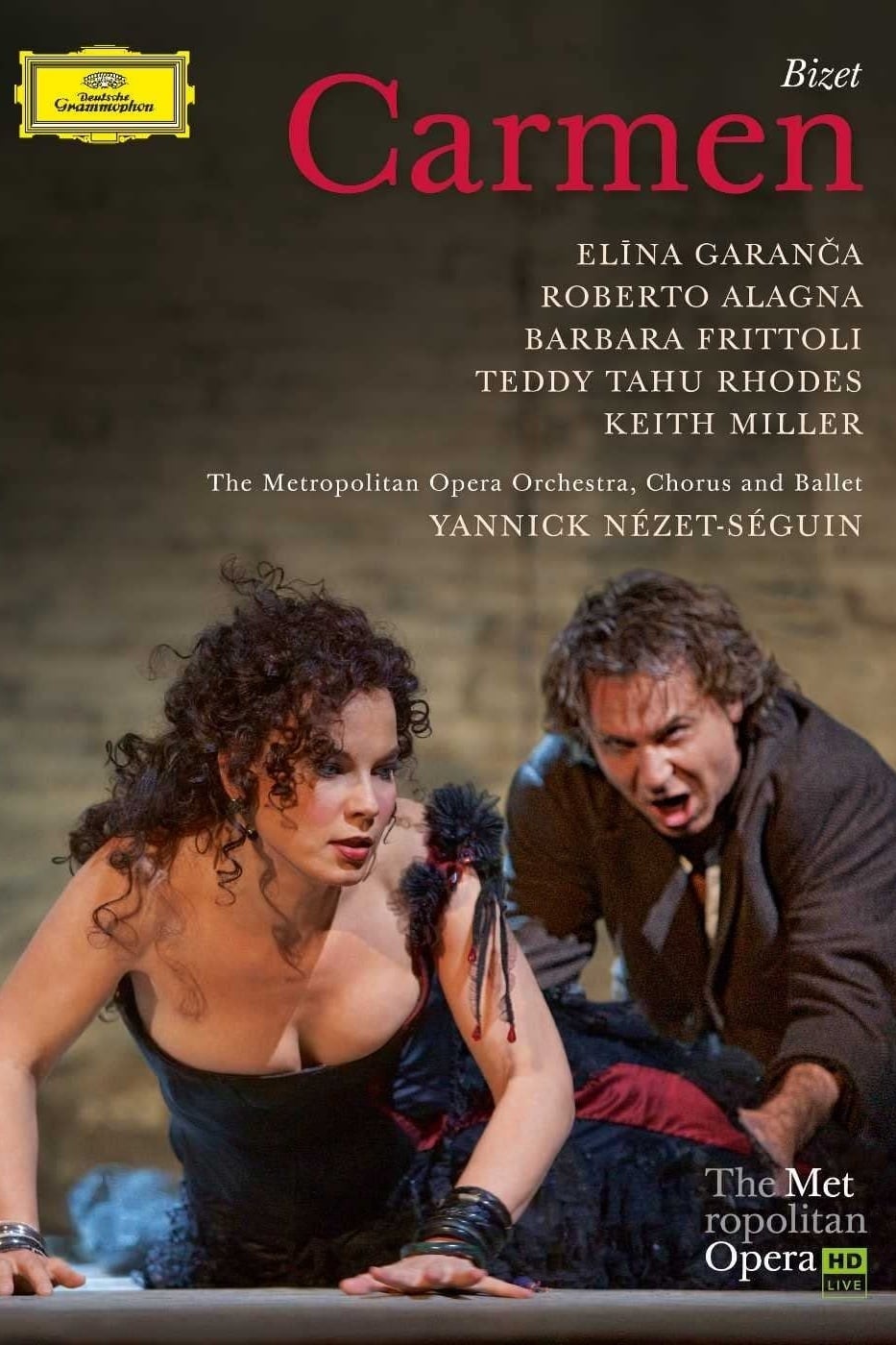
比才:卡门 (2010) [电影] TMDB 豆瓣
Bizet: Carmen
9.2 (5 个评分) 导演: Gary Halvorson 演员: Roberto Alagna / Elina Garanca
其它标题: Bizet: Carmen / 大都会歌剧院高清转播系列
从在看到卡门的第一眼开始,年轻的军长唐豪塞就坠入了卡门用美艳和欲望所编制的陷阱之中。为了和卡门双宿双飞,他毫不犹豫的抛弃了乡下温柔贤惠的情人,不仅如此,在卡门身陷险境的时刻,唐豪塞伸出了援手,同时也断送了自己的大好前程。
和卡门在一起之后,唐豪塞似乎就没有走运过,在经历了牢狱之灾后他加入了卡门所在的走私团伙。天性奔放自由的卡门对唐豪塞的态度渐渐的冷淡了下来,讽刺的是,她对斗牛士埃斯卡米里奥的态度倒是热情的很,忍无可忍的唐豪塞决定要与埃斯卡米里奥决斗,一场悲剧眼看就要发生。
威尔第《阿依达》 (2012) [电影] 豆瓣
"The Metropolitan Opera HD Live" Verdi: Aida
导演: Gary Halvorson 演员: Liudmyla Monastyrska / Olga Borodina
其它标题: "The Metropolitan Opera HD Live" Verdi: Aida / 大都会歌剧院高清转播系列
大都会歌剧院在09年和2012年两次将泽菲莱利的经典制作进行高清直播,可见这个版本在美国受欢迎的程度。相对于2009年,2012年的卡司更为出色,Monastyrska唱阿依达,阿兰尼亚唱拉达梅斯,鲍罗丁娜唱埃及公主。 同时,这也是Fabio Luisi在顶替列文期间,以临时音乐总监的身份在大都会歌剧院指挥的首场歌剧。
比才《卡门》 (2019) [电影] 豆瓣
Bizet: Carmen
演员: Clémentine Margaine / Aleksandra Kurzak
其它标题: Bizet: Carmen / "The Metropolitan Opera HD Live" Bizet: Carmen
卡门 2010年大都会歌剧团版 [演出] 豆瓣
所属 演出: 卡门
语言: 法语 french 剧团: Metropolitan Opera Orchestra 大都会歌剧团管弦乐团 ; Metropolitan Opera Chorus 大都会歌剧团合唱团 ; Metropolitan Opera Ballet 大都会歌剧团芭蕾舞团 剧院: Metropolitan Opera House 大都会歌剧院 导演: Richard Eyre
其它标题: 2010年大都会歌剧团版 编剧: Henri Meilhac / Ludovic Halévy 作曲: Georges Bizet 演员: Elīna Garanča / Roberto Alagna
Place: Seville, Spain, and surrounding hills
Time: Around 1820
Act 1
A square, in Seville. On the right, a door to the tobacco factory. At the back, a bridge. On the left, a guardhouse.
A group of soldiers relaxes in the square, waiting for the changing of the guard and commenting on the passers-by ("Sur la place, chacun passe"). Micaëla appears, seeking José. Moralès tells her that "José is not yet on duty" and invites her to wait with them. She declines, saying she will return later. José arrives with the new guard, who is greeted and imitated by a crowd of urchins ("Avec la garde montante").
As the factory bell rings, the cigarette girls emerge and exchange banter with young men in the crowd ("La cloche a sonné"). Carmen enters and sings her provocative habanera on the untameable nature of love ("L'amour est un oiseau rebelle"). The men plead with her to choose a lover, and after some teasing she throws a flower to Don José, who thus far has been ignoring her but is now annoyed by her insolence.
As the women go back to the factory, Micaëla returns and gives José a letter and a kiss from his mother ("Parle-moi de ma mère!"). He reads that his mother wants him to return home and marry Micaëla, who retreats in shy embarrassment on learning this. Just as José declares that he is ready to heed his mother's wishes, the women stream from the factory in great agitation. Zuniga, the officer of the guard, learns that Carmen has attacked a woman with a knife. When challenged, Carmen answers with mocking defiance ("Tra la la... Coupe-moi, brûle-moi"); Zuniga orders José to tie her hands while he prepares the prison warrant. Left alone with José, Carmen beguiles him with a seguidilla, in which she sings of a night of dancing and passion with her lover—whoever that may be—in Lillas Pastia's tavern. Confused yet mesmerised, José agrees to free her hands; as she is led away she pushes her escort to the ground and runs off laughing. José is arrested for dereliction of duty.
Act 2
Lillas Pastia's Inn
Two months have passed. Carmen and her friends Frasquita and Mercédès are entertaining Zuniga and other officers ("Les tringles des sistres tintaient") in Pastia's inn. Carmen is delighted to learn of José's release from two months' detention. Outside, a chorus and procession announces the arrival of the toreador Escamillo ("Vivat, vivat le Toréro"). Invited inside, he introduces himself with the "Toreador Song" ("Votre toast, je peux vous le rendre") and sets his sights on Carmen, who brushes him aside. Lillas Pastia hustles the crowds and the soldiers away.
When only Carmen, Frasquita and Mercédès remain, smugglers Dancaïre and Remendado arrive and reveal their plans to dispose of some recently acquired contraband ("Nous avons en tête une affaire"). Frasquita and Mercédès are keen to help them, but Carmen refuses, since she wishes to wait for José. After the smugglers leave, José arrives. Carmen treats him to a private exotic dance ("Je vais danser en votre honneur ... La la la"), but her song is joined by a distant bugle call from the barracks. When José says he must return to duty, she mocks him, and he answers by showing her the flower that she threw to him in the square ("La fleur que tu m'avais jetée"). Unconvinced, Carmen demands he show his love by leaving with her. José refuses to desert, but as he prepares to depart, Zuniga enters looking for Carmen. He and José fight, and are separated by the returning smugglers, who restrain Zuniga. Having attacked a superior officer, José now has no choice but to join Carmen and the smugglers ("Suis-nous à travers la campagne").
Act 3
A wild spot in the mountains
Carmen and José enter with the smugglers and their booty ("Écoute, écoute, compagnons"); Carmen has now become bored with José and tells him scornfully that he should go back to his mother. Frasquita and Mercédès amuse themselves by reading their fortunes from the cards; Carmen joins them and finds that the cards are foretelling her death, and José's. The women depart to suborn the customs officers who are watching the locality. José is placed on guard duty.
Micaëla enters with a guide, seeking José and determined to rescue him from Carmen ("Je dis que rien ne m'épouvante"). On hearing a gunshot she hides in fear; it is José, who has fired at an intruder who proves to be Escamillo. José's pleasure at meeting the bullfighter turns to anger when Escamillo declares his infatuation with Carmen. The pair fight ("Je suis Escamillo, toréro de Grenade"), but are interrupted by the returning smugglers and girls ("Holà, holà José"). As Escamillo leaves he invites everyone to his next bullfight in Seville. Micaëla is discovered; at first, José will not leave with her despite Carmen's mockery, but he agrees to go when told that his mother is dying. As he departs, vowing he will return, Escamillo is heard in the distance, singing the toreador's song.
Act 4
A square in Seville. At the back, the walls of an ancient amphitheatre
Zuniga, Frasquita and Mercédès are among the crowd awaiting the arrival of the bullfighters ("Les voici ! Voici la quadrille!"). Escamillo enters with Carmen, and they express their mutual love ("Si tu m'aimes, Carmen"). As Escamillo goes into the arena, Frasquita and Mercedes warn Carmen that José is nearby, but Carmen is unafraid and willing to speak to him. Alone, she is confronted by the desperate José ("C'est toi ! C'est moi !"). While he pleads vainly for her to return to him, cheers are heard from the arena. As José makes his last entreaty, Carmen contemptuously throws down the ring he gave her and attempts to enter the arena. He then stabs her, and as Escamillo is acclaimed by the crowds, Carmen dies. José kneels and sings "Ah! Carmen! ma Carmen adorée!"; as the crowd exits the arena, José confesses to killing the woman he loved.
卡门 2019年大都会歌剧团版 [演出] 豆瓣
所属 演出: 卡门
语言: 法语 french 剧团: Metropolitan Opera Orchestra 大都会歌剧团管弦乐团 ; Metropolitan Opera Chorus 大都会歌剧团合唱团 ; Metropolitan Opera Ballet 大都会歌剧团芭蕾舞团 剧院: Metropolitan Opera House 大都会歌剧院 导演: Richard Eyre / Paula Williams
其它标题: 2019年大都会歌剧团版 编剧: Henri Meilhac / Ludovic Halévy 作曲: Georges Bizet 演员: Clémentine Margaine / Roberto Alagna
Place: Seville, Spain, and surrounding hills
Time: Around 1820
Act 1
A square, in Seville. On the right, a door to the tobacco factory. At the back, a bridge. On the left, a guardhouse.
A group of soldiers relaxes in the square, waiting for the changing of the guard and commenting on the passers-by ("Sur la place, chacun passe"). Micaëla appears, seeking José. Moralès tells her that "José is not yet on duty" and invites her to wait with them. She declines, saying she will return later. José arrives with the new guard, who is greeted and imitated by a crowd of urchins ("Avec la garde montante").
As the factory bell rings, the cigarette girls emerge and exchange banter with young men in the crowd ("La cloche a sonné"). Carmen enters and sings her provocative habanera on the untameable nature of love ("L'amour est un oiseau rebelle"). The men plead with her to choose a lover, and after some teasing she throws a flower to Don José, who thus far has been ignoring her but is now annoyed by her insolence.
As the women go back to the factory, Micaëla returns and gives José a letter and a kiss from his mother ("Parle-moi de ma mère!"). He reads that his mother wants him to return home and marry Micaëla, who retreats in shy embarrassment on learning this. Just as José declares that he is ready to heed his mother's wishes, the women stream from the factory in great agitation. Zuniga, the officer of the guard, learns that Carmen has attacked a woman with a knife. When challenged, Carmen answers with mocking defiance ("Tra la la... Coupe-moi, brûle-moi"); Zuniga orders José to tie her hands while he prepares the prison warrant. Left alone with José, Carmen beguiles him with a seguidilla, in which she sings of a night of dancing and passion with her lover—whoever that may be—in Lillas Pastia's tavern. Confused yet mesmerised, José agrees to free her hands; as she is led away she pushes her escort to the ground and runs off laughing. José is arrested for dereliction of duty.
Act 2
Lillas Pastia's Inn
Two months have passed. Carmen and her friends Frasquita and Mercédès are entertaining Zuniga and other officers ("Les tringles des sistres tintaient") in Pastia's inn. Carmen is delighted to learn of José's release from two months' detention. Outside, a chorus and procession announces the arrival of the toreador Escamillo ("Vivat, vivat le Toréro"). Invited inside, he introduces himself with the "Toreador Song" ("Votre toast, je peux vous le rendre") and sets his sights on Carmen, who brushes him aside. Lillas Pastia hustles the crowds and the soldiers away.
When only Carmen, Frasquita and Mercédès remain, smugglers Dancaïre and Remendado arrive and reveal their plans to dispose of some recently acquired contraband ("Nous avons en tête une affaire"). Frasquita and Mercédès are keen to help them, but Carmen refuses, since she wishes to wait for José. After the smugglers leave, José arrives. Carmen treats him to a private exotic dance ("Je vais danser en votre honneur ... La la la"), but her song is joined by a distant bugle call from the barracks. When José says he must return to duty, she mocks him, and he answers by showing her the flower that she threw to him in the square ("La fleur que tu m'avais jetée"). Unconvinced, Carmen demands he show his love by leaving with her. José refuses to desert, but as he prepares to depart, Zuniga enters looking for Carmen. He and José fight, and are separated by the returning smugglers, who restrain Zuniga. Having attacked a superior officer, José now has no choice but to join Carmen and the smugglers ("Suis-nous à travers la campagne").
Act 3
A wild spot in the mountains
Carmen and José enter with the smugglers and their booty ("Écoute, écoute, compagnons"); Carmen has now become bored with José and tells him scornfully that he should go back to his mother. Frasquita and Mercédès amuse themselves by reading their fortunes from the cards; Carmen joins them and finds that the cards are foretelling her death, and José's. The women depart to suborn the customs officers who are watching the locality. José is placed on guard duty.
Micaëla enters with a guide, seeking José and determined to rescue him from Carmen ("Je dis que rien ne m'épouvante"). On hearing a gunshot she hides in fear; it is José, who has fired at an intruder who proves to be Escamillo. José's pleasure at meeting the bullfighter turns to anger when Escamillo declares his infatuation with Carmen. The pair fight ("Je suis Escamillo, toréro de Grenade"), but are interrupted by the returning smugglers and girls ("Holà, holà José"). As Escamillo leaves he invites everyone to his next bullfight in Seville. Micaëla is discovered; at first, José will not leave with her despite Carmen's mockery, but he agrees to go when told that his mother is dying. As he departs, vowing he will return, Escamillo is heard in the distance, singing the toreador's song.
Act 4
A square in Seville. At the back, the walls of an ancient amphitheatre
Zuniga, Frasquita and Mercédès are among the crowd awaiting the arrival of the bullfighters ("Les voici ! Voici la quadrille!"). Escamillo enters with Carmen, and they express their mutual love ("Si tu m'aimes, Carmen"). As Escamillo goes into the arena, Frasquita and Mercedes warn Carmen that José is nearby, but Carmen is unafraid and willing to speak to him. Alone, she is confronted by the desperate José ("C'est toi ! C'est moi !"). While he pleads vainly for her to return to him, cheers are heard from the arena. As José makes his last entreaty, Carmen contemptuously throws down the ring he gave her and attempts to enter the arena. He then stabs her, and as Escamillo is acclaimed by the crowds, Carmen dies. José kneels and sings "Ah! Carmen! ma Carmen adorée!"; as the crowd exits the arena, José confesses to killing the woman he loved.
茶花女 1992年斯卡拉剧院版 [演出] 豆瓣
所属 演出: 茶花女
语言: 意大利语 剧团: Orchestra del Teatro alla Scala 斯卡拉剧院管弦乐团 ; Coro del Teatro alla Scala 斯卡拉剧院合唱团 ; Corpo di ballo del Teatro alla Scala 斯卡拉剧院舞蹈团 剧院: Teatro alla Scala 斯卡拉剧院 导演: Liliana Cavani
其它标题: 1992年斯卡拉剧院版 编剧: Francesco Maria Piave 作曲: Giuseppe Verdi 演员: Tiziana Fabbricini / Roberto Alagna
Place: Paris and its vicinity
Time: Beginning of the 19th century
Act 1
The salon in Violetta's house
Violetta Valéry, a famed courtesan, throws a lavish party at her Paris salon to celebrate her recovery from an illness. Gastone, a viscount, has brought with him a friend, Alfredo Germont, a young bourgeois from a provincial family who has long adored Violetta from afar. While walking to the salon, Gastone tells Violetta that Alfredo loves her, and that while she was ill, he came to her house every day. Alfredo joins them, admitting the truth of Gastone's remarks.
Baron Douphol, Violetta's current lover, waits nearby to escort her to the salon; once there, the Baron is asked to give a toast, but refuses, and the crowd turns to Alfredo, who agrees to sing a brindisi – a drinking song (Alfredo, Violetta, chorus: Libiamo ne' lieti calici – "Let's drink from the joyful cups").
From the next room, the sound of the orchestra is heard and the guests move there to dance. After a series of severe coughs and almost fainting, Violetta begins to feel dizzy and asks her guests to go ahead and to leave her to rest until she recovers. While the guests dance in the next room, Violetta looks at her pale face in her mirror. Alfredo enters and expresses his concern for her fragile health, later declaring his love for her (Alfredo, Violetta: Un dì, felice, eterea – "One day, happy and ethereal"). At first, she rejects him because his love means nothing to her, but there is something about Alfredo that touches her heart. He is about to leave when she gives him a flower, telling him to return it when it has wilted, which will be the very next day.
After the guests leave, Violetta wonders if Alfredo could actually be the one in her life (Violetta: È strano! ... Ah, fors' è lui – "Ah, perhaps he is the one"). But she concludes that she needs freedom to live her life (Violetta, Alfredo: Sempre libera – "Always free"). From off stage, Alfredo's voice is heard singing about love as he walks down the street.
Act 2
Scene 1: Violetta's country house outside Paris
Three months later, Alfredo and Violetta are living together in a peaceful country house outside Paris. Violetta has fallen in love with Alfredo and she has completely abandoned her former life. Alfredo sings of their happy life together (Alfredo: De' miei bollenti spiriti / Il giovanile ardore – "The youthful ardor of my ebullient spirits"). Annina, the maid, arrives from Paris, and, when questioned by Alfredo, tells him that she went there to sell the horses, carriages and everything owned by Violetta to support their country lifestyle.
Alfredo is shocked to learn this and leaves for Paris immediately to settle matters himself. Violetta returns home and receives an invitation from her friend, Flora, to a party in Paris that evening. Alfredo's father, Giorgio Germont, is announced and demands that she break off her relationship with his son for the sake of his family, since he reveals that Violetta's relationship with Alfredo has threatened his daughter's engagement (Giorgio: Pura siccome un angelo, Iddio mi diè una figlia – "Pure as an angel, God gave me a daughter") because of Violetta's reputation. Meanwhile, he reluctantly becomes impressed by Violetta's nobility, something which he did not expect from a courtesan. She responds that she cannot end the relationship because she loves him so much, but Giorgio pleads with her for the sake of his family. With growing remorse, she finally agrees (Violetta, Giorgio: Dite alla giovine, sì bella e pura, – "Tell the young girl, so beautiful and pure,") and says goodbye to Giorgio. In a gesture of gratitude for her kindness and sacrifice, Giorgio kisses her forehead before leaving her weeping alone.
Violetta gives a note to Annina to send to Flora accepting the party invitation and, as she is writing a farewell letter to Alfredo, he enters. She can barely control her sadness and tears; she tells him repeatedly of her unconditional love (Violetta: Amami, Alfredo, amami quant'io t'amo – "Love me, Alfredo, love me as I love you"). Before rushing out and setting off for Paris, she hands the farewell letter to her servant to give to Alfredo.
Soon, the servant brings the letter to Alfredo and, as soon as he has read it, Giorgio returns and attempts to comfort his son, reminding him of his family in Provence (Giorgio: Di Provenza il mar, il suol chi dal cor ti cancellò? – "Who erased the sea, the land of Provence from your heart?"). Alfredo suspects that the Baron is behind his separation with Violetta, and the party invitation, which he finds on the desk, strengthens his suspicions. He decides to confront Violetta at the party. Giorgio tries to stop Alfredo, but he rushes out.
Scene 2: Party at Flora's house
At the party, the Marquis tells Flora that Violetta and Alfredo have separated, much to the amazement of everyone who had previously seen the happy couple. She calls for the entertainers to perform for the guests (Chorus: Noi siamo zingarelle venute da lontano – "We are gypsy girls who have come from afar"; Di Madride noi siam mattadori – "We are matadors from Madrid"). Gastone and his friends join the matadors and sing (Gastone, chorus, dancers: È Piquillo un bel gagliardo Biscaglino mattador – "Piquillo is a bold and handsome matador from Biscay").
Violetta arrives with Baron Douphol. They see Alfredo at the gambling table. When he sees them, Alfredo loudly proclaims that he will take Violetta home with him. Feeling annoyed, the Baron goes to the gambling table and joins him in a game. As they bet, Alfredo wins some large sums until Flora announces that supper is ready. Alfredo leaves with handfuls of money.
As everyone is leaving the room, Violetta has asked Alfredo to see her. Fearing that the Baron's anger will lead him to challenge Alfredo to a duel, she gently asks Alfredo to leave. Alfredo misunderstands her apprehension and demands that she admit that she loves the Baron. In grief, she makes that admission and, furiously, Alfredo calls the guests to witness what he has to say (Questa donna conoscete? – "You know this woman?"). He humiliates and denounces Violetta in front of the guests and then throws his winnings at her feet in payment for her services. She faints onto the floor. The guests reprimand Alfredo: Di donne ignobile insultatore, di qua allontanati, ne desti orror! ("Ignoble insulter of women, go away from here, you fill us with horror!").
In search of his son, Giorgio enters the hall and, knowing the real significance of the scene, denounces his son's behavior (Giorgio, Alfredo, Violetta, chorus: Di sprezzo degno sè stesso rende chi pur nell'ira la donna offende. – "A man, who even in anger, offends a woman renders himself deserving of contempt.").
Flora and the ladies attempt to persuade Violetta to leave the dining room, but Violetta turns to Alfredo: Alfredo, Alfredo, di questo core non puoi comprendere tutto l'amore... – "Alfredo, Alfredo, you can't understand all the love in this heart...".
Act 3
Violetta's bedroom
Dr. Grenvil tells Annina that Violetta will not live long since her tuberculosis has worsened. Alone in her room, Violetta reads a letter from Alfredo's father telling her that the Baron was only wounded in his duel with Alfredo. He has informed Alfredo of the sacrifice she has made for him and his sister; and that he is sending his son to see her as quickly as possible to ask for her forgiveness. But Violetta senses it is too late (Violetta: Addio, del passato bei sogni ridenti – "Farewell, lovely, happy dreams of the past").
Annina rushes in the room to tell Violetta of Alfredo's arrival. The lovers are reunited and Alfredo suggests that they leave Paris (Alfredo, Violetta: Parigi, o cara, noi lasceremo – "We will leave Paris, O beloved").
But it is too late: she knows her time is up (Alfredo, Violetta: Gran Dio!...morir sì giovane – "Great God!...to die so young"). Alfredo's father enters with the doctor, regretting what he has done. After singing a duet with Alfredo, Violetta suddenly revives, exclaiming that the pain and discomfort have left her. A moment later, she dies in Alfredo's arms.
麦克白 1997年斯卡拉剧院版 [演出] 豆瓣
所属 演出: 麦克白
语言: 意大利语 剧团: Orchestra del Teatro alla Scala 斯卡拉剧院管弦乐团 ; Coro del Teatro alla Scala 斯卡拉剧院合唱团 ; Corpo di ballo del Teatro alla Scala 斯卡拉剧院舞蹈团 剧院: Teatro alla Scala 斯卡拉剧院 导演: Graham Vick
其它标题: 1997年斯卡拉剧院版 编剧: Francesco Maria Piave / Andrea Maffei 作曲: Giuseppe Verdi 演员: Renato Bruson / Maria Guleghina
Place: Scotland
Time: 11th century
Act 1
Scene 1: A heath
Groups of witches gather in a wood beside a battlefield, exchanging stories of the "evils" they have done. The victorious generals Macbeth and Banco enter. The witches hail Macbeth as Thane of Glamis (a title he already holds by inheritance), Thane of Cawdor, and king "hereafter." Banco is greeted as "lesser than Macbeth, but greater", never a king himself, but the progenitor of a line of future kings. The witches vanish, and messengers from the king appear naming Macbeth Thane of Cawdor. Macbeth protests that the holder of that title is still alive, but the messengers reply that the former Thane has been executed as a traitor. Banco, mistrusting the witches, is horrified to find that they have spoken the truth. In a duet, Macbeth and Banco muse that the first of the witches' prophecies has been fulfilled. Macbeth ponders how close he is to the throne, and whether fate will crown him without his taking action, yet dreams of blood and treachery: while Banco ponders on whether the minions of Hell will sometimes reveal an honest truth in order to lead one to future damnation.
Scene 2: Macbeth's castle
Lady Macbeth reads a letter from her husband telling of the encounter with the witches. She is determined to propel Macbeth to the throne - by fair means or foul.
[Revised version, 1865: Vieni! t'affretta!/ "Come! Hurry!"]
Lady Macbeth is advised that King Duncan will stay in the castle that night; she is determined to see him killed (Or tutti, sorgete / "Arise now, all you ministers of hell"). When Macbeth returns she urges him to take the opportunity to kill the King. The King and the nobles arrive and Macbeth is emboldened to carry out the murder (Mi si affaccia un pugnal? / "Is this a dagger which I see before me?"), but afterwards is filled with horror. Disgusted at his cowardice, Lady Macbeth completes the crime, incriminating the sleeping guards by smearing them with Duncan's blood and planting on them Macbeth's dagger. Macduff arrives for an appointment with the King, while Banco stands guard, only for Macduff instead to discover the murder. He rouses the castle while Banco also bears witness to the fact of Duncan's murder. The chorus calls on God to avenge the killing (Schiudi, inferno, . . / "Open wide thy gaping maw, O Hell").
Act 2
Scene 1: A room in the castle
Macbeth is now king: Duncan's son Malcolm has fled the country, suspicion having conveniently fallen on him for his father's murder: but Macbeth is still disturbed by the prophecy that Banco, not he, will found a great royal line. To prevent this he tells his wife that he will have both Banco and his son murdered as they come to a banquet.
[1865 revised version: In her aria, La luce langue / "The light fades", Lady Macbeth exults in the powers of darkness]
Scene 2: Outside the castle
A gang of murderers lie in wait. Banco, sensing danger shares his misgivings with his son. (Come dal ciel precipita / "O, how the darkness falls from heaven"). The murderers attack and stab him to death, but his son escapes.
Scene 3: A dining hall in the castle
Macbeth receives the guests and Lady Macbeth sings a brindisi (Si colmi il calice / "Fill up the cup"). The assassination is reported to Macbeth, but when he returns to the table the ghost of Banco is sitting in his place. Macbeth raves at the ghost and the horrified guests believe he has gone mad. Lady Macbeth manages to calm the situation once - and even mocks it by calling for a toast to the absent Banco (whose death is not yet public knowledge), only for the ghost to appear a second time and terrify Macbeth into insanity again. Macduff resolves to leave the country, saying it is ruled by a cursed hand and only the wicked may remain: the other guests are terrified by Macbeth's talk of ghosts, phantoms and witches. The banquet ends abruptly with their hurried, frightened departure.
Act 3
The witches' cave
The witches gather around a cauldron in a dark cave. Macbeth enters and they conjure up three apparitions for him. The first advises him to beware of Macduff. The second tells him that he cannot be harmed by a man 'born of woman'. The third that he cannot be conquered till Birnam Wood marches against him. (Macbeth: O lieto augurio / "O, happy augury! No wood has ever moved by magic power")
Macbeth is then shown the ghost of Banco and his descendants, eight future Kings of Scotland, verifying the original prophecy. (Macbeth: Fuggi regal fantasima / "Begone, royal phantom that reminds me of Banco"). He collapses, but regains consciousness in the castle.
[Original 1847 version: The act ends with Macbeth recovering and resolving to assert his authority: Vada in fiamme, e in polve cada / "Macduff's lofty stronghold shall / Be set fire....".]
A herald announces the arrival of the Queen (Duet: Vi trovo alfin! / "I've found you at last"). Macbeth tells his wife about his encounter with the witches and they resolve to track down and kill Banco's son, as well as Macduff and his family (whom they do not yet know has already fled the country). (Duet: Ora di morte e di vendetta / "Hour of death and of vengeance").
Act 4
Scene 1: Near the border between England and Scotland
Scottish refugees stand near the English border (Chorus: Patria oppressa / "Down-trodden country"):
[Original 1847 version: While each version uses the same libretto, the music of this chorus is different. It begins with a less ominous, much shorter orchestral introduction and is sung straight through by the entire chorus.]
[1865 revised version: the music is divided into sections for the male and female members, then it unites them towards the end. The revised version is 2 minutes longer than the original.]
In the distance lies Birnam Wood. Macduff is determined to avenge the deaths of his wife and children at the hands of the tyrant (Ah, la paterna mano / "Ah, the paternal hand"). He is joined by Malcolm, the son of King Duncan, and the English army. Malcolm orders each soldier to cut a branch from a tree in Birnam Wood and carry it as they attack Macbeth's army. They are determined to liberate Scotland from tyranny (Chorus: La patria tradita / "Our country betrayed").
Scene 2: Macbeth's castle
A doctor and a servant observe the Queen as she walks in her sleep, wringing her hands and attempting to clean them of blood (Una macchia è qui tuttora! / "Yet here's a spot"). She raves about the deaths of both Duncan and Banco, and even about the deaths of Macduff's family, and that all the perfumes of Arabia would not clean the blood off her hands: all are things that the horrified witnesses would never dare to repeat to any living man.
Scene 3: The battlefield
Macbeth has learned that an army of Scottish rebels backed by England is advancing against him, but is reassured by remembering the words of the apparitions, that no man born of woman can harm him. However, in an aria (Pietà, rispetto, amore / "Compassion, honour, love") he contemplates the fact that he is already hated and feared: there will be no compassion, honour and love for him in his old age even if he wins this battle, nor kind words on a royal tomb, only curses and hatred. He receives the news of the Queen's death with indifference. Rallying his troops he learns that Birnam Wood has indeed come to his castle. Battle is joined.
[Original 1847 version's ending: Macduff pursues and fights Macbeth who falls. He tells Macbeth that he was not "born of woman" but "ripped" from his mother's womb. Fighting continues. Mortally wounded, Macbeth, in a final aria - Mal per me che m'affidai / "Trusting in the prophecies of Hell" - proclaims that trusting in these prophecies has caused his downfall. He dies on stage, while Macduff's men proclaim Malcolm to be the new King.]
Macduff pursues and fights Macbeth who falls wounded. He tells Macbeth that he was not "born of woman" but "untimely ripped" from his mother's womb. Macbeth responds in anguish (Cielo! / "Heaven") and the two continue fighting, then disappear from view. Macduff returns indicating to his men that he has killed Macbeth. He then turns to Malcolm, hailing him as King. The scene ends with a hymn to victory sung by bards, soldiers, and Scottish women (Salve, o re!/ "Hail, oh King!). Malcolm as King, and Macduff as hero, together swear to restore the realm to greatness.
弄臣 1994年斯卡拉剧院版 [演出] 豆瓣
所属 演出: 弄臣
语言: italian 意大利语 剧团: Orchestra del Teatro alla Scala 斯卡拉剧院管弦乐团 ; Coro del Teatro alla Scala 斯卡拉剧院合唱团 ; Corpo di ballo del Teatro alla Scala 斯卡拉剧院舞蹈团 剧院: Teatro alla Scala 斯卡拉剧院 导演: Gilbert Deflo
其它标题: 1994年斯卡拉剧院版 编剧: Francesco Maria Piave 作曲: Giuseppe Verdi 演员: Renato Bruson / Andrea Rost
Place: Mantua
Time: the sixteenth century
Act 1
Scene 1: Mantua. A magnificent hall in the ducal palace. Doors at the back open into other rooms, splendidly lit up. A crowd of lords and ladies in grand costumes are seen walking about in the rear rooms; page boys come and go. The festivities are at their height. Music is heard from offstage. The Duke and Borsa enter from a door in the back.
At a ball in his palace, the Duke sings of a life of pleasure with as many women as possible, and mentions that he particularly enjoys cuckolding his courtiers: "Questa o quella" ("This woman or that"). He mentions to Borsa that he has seen an unknown beauty in church and desires to possess her, but he also wishes to seduce the Countess of Ceprano. Rigoletto, the Duke's hunchbacked court jester, mocks the husbands of the ladies to whom the Duke is paying attention, including the Count Ceprano, and advises the Duke to get rid of him by prison or death. The Duke laughs indulgently, but Ceprano is not amused. Marullo, one of the guests at the ball, informs the courtiers that Rigoletto has a "lover", which astonishes them. (Marullo is not aware that the "lover" is actually Rigoletto's daughter.) The courtiers, at Ceprano's suggestion, resolve to take vengeance on Rigoletto for making fun of them. The festivities are interrupted by the arrival of the elderly Count Monterone, whose daughter the Duke had seduced. Rigoletto provokes him further by making fun of his helplessness to avenge his daughter's honor. Monterone confronts the Duke, and is immediately arrested by the Duke's guards. Before being led off to prison, Monterone curses both the Duke for the attack on his daughter and Rigoletto for having mocked his righteous anger. The curse terrifies Rigoletto, who believes the popular superstition that an old man's curse has real power.
Scene 2: The end of a dead-end street. On the left, a house of discreet appearance with one small courtyard surrounded by walls. In the yard there is one tall tree and a marble seat; in the wall, a door that leads to the street; above the wall, a terrace supported by arches. The second floor door opens on to the said terrace, which can also be reached by a staircase in front. To the right of the street is the very high wall of the garden and a side of the Ceprano palace. It is night.
Preoccupied with the old man's curse, Rigoletto approaches the house where he is concealing his daughter from the world and is accosted by the hit-man Sparafucile, who walks up to him and offers his services. Rigoletto declines for the moment, but leaves open the possibility of hiring Sparafucile later, should the need arise. Sparafucile wanders off, after repeating his own name a few times. Rigoletto contemplates the similarities between the two of them: "Pari siamo!" ("We are alike!"); Sparafucile kills men with his sword, and Rigoletto uses "a tongue of malice" to stab his victims. Rigoletto opens a door in the wall and embraces his daughter Gilda. They greet each other warmly: "Figlia!" "Mio padre!" ("Daughter!" "My father!"). Rigoletto has been concealing his daughter from the Duke and the rest of the city, and she does not know her father's occupation. Since he has forbidden her to appear in public, she has been nowhere except to church and does not even know her own father's name.
When Rigoletto has gone, the Duke appears and overhears Gilda confess to her nurse Giovanna that she feels guilty for not having told her father about a young man she had met at the church. She says that she fell in love with him, but that she would love him even more if he were a student and poor. As she declares her love, the Duke enters, overjoyed. Gilda, alarmed, calls for Giovanna, unaware that the Duke had sent her away. Pretending to be a student, the Duke convinces Gilda of his love: "È il sol dell'anima" ("Love is the sunshine of the soul"). When she asks for his name, he hesitantly calls himself Gualtier Maldè. Hearing sounds and fearing that her father has returned, Gilda sends the Duke away after they quickly trade vows of love: "Addio, addio" ("Farewell, farewell"). Alone, Gilda meditates on her love for the Duke, whom she believes is a student: "Gualtier Maldè!... Caro nome che il mio cor" ("Dearest name").
Later, Rigoletto returns: "Riedo!... perché?" ("I've returned!... why?"), while the hostile courtiers outside the walled garden (believing Gilda to be the jester's mistress, unaware she is his daughter) get ready to abduct the helpless girl. They tell Rigoletto that they are actually abducting the Countess Ceprano. He sees that they are masked and asks for a mask for himself; while they are tying the mask onto his face, they also blindfold him. Blindfolded and deceived, he holds the ladder steady while they climb up to Gilda's room: Chorus: "Zitti, zitti" ("Softly, softly"). With her father's unknowing assistance Gilda is carried away by the courtiers. Left alone, Rigoletto removes his mask and blindfold, and realizes that it was in fact Gilda who was carried away. He collapses in despair, remembering the old man's curse.
Act 2
A room in the ducal palace. There are doors on both sides as well as a larger one at the far end by the sides of which hang full length portraits of the Duke and his wife. There is one high-backed chair at a table covered with velvet and other furnishings.
The Duke is concerned that Gilda has disappeared: "Ella mi fu rapita!" ("She was stolen from me!") and "Parmi veder le lagrime" ("I seem to see tears"). The courtiers then enter and inform him that they have captured Rigoletto's mistress: Chorus: "Scorrendo uniti" ("We went together at nightfall"). By their description, he recognizes it to be Gilda and rushes off to the room where she is held: "Possente amor mi chiama" ("Mighty love beckons me"). Rigoletto enters singing and feigning nonchalance, but also looking anxiously for any trace of Gilda, whom he fears may have fallen into the hands of the Duke. The courtiers pretend not to notice his anxiety, but quietly laugh at him with each other. A page boy arrives with a message from the Duke's wife - the Duchess wishes to speak to her husband - but the courtiers reply suggestively that the Duke cannot be disturbed at the moment. Rigoletto realizes this must mean that Gilda is with the Duke. To the courtiers' surprise, he reveals that Gilda is his daughter. He first demands, then tearfully pleads with the courtiers to return her to him: "Cortigiani, vil razza dannata" ("Accursed race of courtiers"). Rigoletto attempts to run into the room in which Gilda is being held, but the courtiers block his way. After a time, Gilda enters, and Rigoletto orders the courtiers to leave him alone with her. The courtiers leave the room, believing Rigoletto has gone mad. Gilda describes to her father what has happened to her in the palace: "Tutte le feste al tempio" ("On all the holy days") and he attempts to console her. Monterone is led across the room on the way to prison and pauses in front of the portrait of the Duke to regret that his curse on the libertine has had no effect. As the guards lead Monterone away, Rigoletto mutters that the old man is mistaken; he, Rigoletto, the dishonored buffoon, shall make thunder and lightning rain from heaven onto the offender's head. He repeats this vow as Gilda pleads for mercy for her lover the Duke: Duet:"Sì! Vendetta, tremenda vendetta!" ("Yes! Revenge, terrible revenge!").
Act 3
The right bank of the river Mincio. On the left is a two-story house, half ruined. Through a large arch on the ground floor a rustic tavern can be seen as well as a rough stone staircase that leads to an attic room with a small bed which is in full view as there are no shutters. In the wall downstairs that faces the street is a door that opens to the inside. The wall is so full of holes and cracks that everything that happens inside is easily seen from the exterior. At the back of the stage are deserted areas by the river which flows behind a parapet that has half collapsed into ruins. Beyond the river is Mantua. It is night. Gilda and Rigoletto, both uneasy, are standing in the road; Sparafucile is seated at a table in the tavern.
A portion of Sparafucile's house is seen, with two rooms open to the view of the audience. Rigoletto and Gilda arrive outside. The Duke's voice can be heard from inside, singing "La donna è mobile" ("Woman is fickle"). Sparafucile's sister, Maddalena, has lured him to the house. Rigoletto and Gilda listen from outside as the Duke flirts with Maddalena. Gilda laments that the Duke is unfaithful; Rigoletto assures her that he is arranging revenge: "Bella figlia dell’amore" ("Beautiful daughter of love").
Rigoletto orders Gilda to put on a man's clothes to prepare to leave for Verona and tells her that he plans to follow later. After she leaves, he completes his bargain with the assassin, who is ready to murder his guest for 20 scudi. Rigoletto then withdraws.
With falling darkness, a thunderstorm approaches and the Duke decides to spend the rest of the night in the house. Sparafucile directs him to the upstairs sleeping quarters, resolving to kill him in his sleep.
Gilda, who still loves the Duke despite knowing him to be unfaithful, returns dressed as a man and stands outside the house. Maddalena, who is smitten with the Duke, begs Sparafucile to spare his life: "È amabile invero cotal giovinotto/ Ah, più non ragiono!...". Sparafucile reluctantly promises her that if by midnight another victim can be found, he will kill the other instead of the Duke. Gilda, overhearing this exchange, resolves to sacrifice herself for the Duke, and enters the house: "Trio: Se pria ch’abbia il mezzo la notte toccato". Sparafucile stabs her and she collapses, mortally wounded.
At midnight, when Rigoletto arrives with money, he receives a corpse wrapped in a sack, and rejoices in his triumph. Weighting it with stones, he is about to cast the sack into the river when he hears the voice of the Duke, sleepily singing a reprise of his "La donna è mobile" aria. Bewildered, Rigoletto opens the sack and, to his despair, discovers his dying daughter. For a moment, she revives and declares she is glad to die for her beloved: "V'ho ingannato" ("Father, I deceived you"). She dies in his arms. Rigoletto cries out in horror: "La maledizione!" ("The curse!")
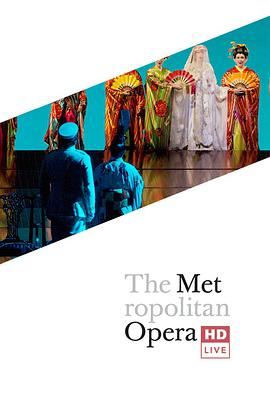
蝴蝶夫人 2016年大都会歌剧团版 [演出] 豆瓣
所属 演出: 蝴蝶夫人
语言: italian 意大利语 剧团: Metropolitan Opera Orchestra 大都会歌剧团管弦乐团 ; Metropolitan Opera Chorus 大都会歌剧团合唱团 剧院: Metropolitan Opera House 大都会歌剧院 导演: Anthony Minghella / Carolyn Choa
其它标题: 2016年大都会歌剧团版 编剧: Luigi Illica / Giuseppe Giacosa 作曲: Giacomo Puccini 演员: Kristine Opolais / Roberto Alagna
Time: 1904
Place: Nagasaki, Japan
Act 1
In 1904, a U.S. naval officer named Pinkerton rents a house on a hill in Nagasaki, Japan, for himself and his soon-to-be wife, "Butterfly". Her real name is Ciocio-san (from the Japanese word for "butterfly" (蝶々 chōchō, pronounced [tɕoːtɕoː]); -san is a plain honorific). She is a 15-year-old Japanese girl whom he is marrying for convenience, and he intends to leave her once he finds a proper American wife, since Japanese divorce laws are very lax. The wedding is to take place at the house. Butterfly had been so excited to marry an American that she had earlier secretly converted to Christianity. After the wedding ceremony, her uninvited uncle, a bonze, who has found out about her conversion, comes to the house, curses her and orders all the guests to leave, which they do while renouncing her. Pinkerton and Butterfly sing a love duet and prepare to spend their first night together.
Act 2
Three years later, Butterfly is still waiting for Pinkerton to return, as he had left shortly after their wedding. Her maid Suzuki keeps trying to convince her that he is not coming back, but Butterfly will not listen to her. Goro, the marriage broker who arranged her marriage, keeps trying to marry her off again, but she does not listen to him either. The American consul, Sharpless, comes to the house with a letter which he has received from Pinkerton which asks him to break some news to Butterfly: that Pinkerton is coming back to Japan, but Sharpless cannot bring himself to finish it because Butterfly becomes very excited to hear that Pinkerton is coming back. Sharpless asks Butterfly what she would do if Pinkerton were not to return. She then reveals that she gave birth to Pinkerton's son after he had left and asks Sharpless to tell him.
From the hill house, Butterfly sees Pinkerton's ship arriving in the harbour. She and Suzuki prepare for his arrival, and then they wait. Suzuki and the child fall asleep, but Butterfly stays up all night waiting for him to arrive.
Act 3
Suzuki wakes up in the morning and Butterfly finally falls asleep. Sharpless and Pinkerton arrive at the house, along with Pinkerton's new American wife, Kate. They have come because Kate has agreed to raise the child. But, as Pinkerton sees how Butterfly has decorated the house for his return, he realizes he has made a huge mistake. He admits that he is a coward and cannot face her, leaving Suzuki, Sharpless and Kate to break the news to Butterfly. Agreeing to give up her child if Pinkerton comes himself to see her, she then prays to statues of her ancestral gods, says goodbye to her son, and blindfolds him. She places a small American flag in his hands and goes behind a screen, killing herself with her father's seppuku knife. Pinkerton rushes in, but he is too late, and Butterfly dies.
阿伊达 2006年斯卡拉剧院版 [演出] 豆瓣
所属 演出: 阿伊达
语言: italian 意大利语 剧团: Orchestra del Teatro alla Scala 斯卡拉剧院管弦乐团 ; Coro del Teatro alla Scala 斯卡拉剧院合唱团 ; Corpo di ballo del Teatro alla Scala 斯卡拉剧院舞蹈团 剧院: Teatro alla Scala 斯卡拉剧院 导演: Franco Zeffirelli
其它标题: 2006年斯卡拉剧院版 编剧: Antonio Ghislanzoni 作曲: Giuseppe Verdi 演员: Violeta Urmana / Roberto Alagna
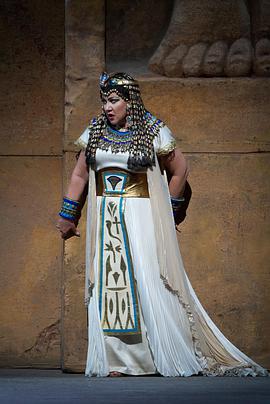
Backstory: The Egyptians have captured and enslaved Aida, an Ethiopian princess. An Egyptian military commander, Radamès, struggles to choose between his love for her and his loyalty to the King of Egypt. To complicate the story further, the King's daughter Amneris is in love with Radamès, although he does not return her feelings.
Act 1
Scene 1: A hall in the King's palace; through the rear gate the pyramids and temples of Memphis are visible
Ramfis, the high priest of Egypt, tells Radamès, the young warrior, that war with the Ethiopians seems inevitable, and Radamès hopes that he will be chosen as the Egyptian commander (Ramfis, Radamès: "Sì, corre voce l'Etiope ardisca" / Yes, it is rumored that Ethiopia dares once again to threaten our power).
Radamès dreams both of gaining victory on the battlefield and of Aida, an Ethiopian slave, with whom he is secretly in love (Radamès: "Se quel guerrier io fossi! ... Celeste Aida" / Heavenly Aida). Aida, who is also secretly in love with Radamès, is the captured daughter of the Ethiopian King Amonasro, but her Egyptian captors are unaware of her true identity. Her father has invaded Egypt to deliver her from servitude.
Amneris, the daughter of the Egyptian King, enters the hall. She too loves Radamès, but fears that his heart belongs to someone else (Radamès, Amneris: "Quale insolita gioia nel tuo sguardo" / In your looks I trace a joy unwonted).
Aida appears and, when Radamès sees her, Amneris notices that he looks disturbed. She suspects that Aida could be her rival, but is able to hide her jealousy and approach Aida (Amneris, Aida, Radamès: "Vieni, o diletta, appressati" / Come, O delight, come closer).
The King enters, along with the High Priest, Ramfis, and the whole palace court. A messenger announces that the Ethiopians, led by King Amonasro, are marching towards Thebes. The King declares war and proclaims that Radamès is the man chosen by the goddess Isis to be the leader of the army (The King, Messenger, Radamès, Aida, Amneris, Ramfis, chorus: "Alta cagion v'aduna .. Guerra, guerra, guerra!" / Oh fate o'er Egypt looming .. War, war, war!). Upon receiving this mandate from the King, Radamès proceeds to the temple of Vulcan to take up the sacred arms (The King, Radamès, Aida, Amneris, chorus: "Su! del Nilo al sacro lido" .. (reprise) "Guerra, guerra guerra!" / On! Of Nilus' sacred river, guard the shores .. (reprise) War, war, war!).
Alone in the hall, Aida feels torn between her love for her father, her country, and Radamès (Aida: "Ritorna vincitor" / Return a conqueror).
Scene 2: Inside the Temple of Vulcan
Solemn ceremonies and dances by the priestesses take place (High Priestess, chorus, Radamès: "Possente Ftha ... Tu che dal nulla" / O mighty Ptah). This is followed by the installation of Radamès to the office of commander-in-chief (High Priestess, chorus, Ramfis, Radamès: "Immenso Ftha .. Mortal, diletto ai Numi" / O mighty one, guard and protect!). All present in the temple pray fervently for the victory of Egypt and protection for their warriors ("Nume, custode e vindice"/ Hear us, O guardian deity).
Act 2
Scene 1: The chamber of Amneris
Dances and music to celebrate Radamès' victory take place (Chorus, Amneris: "Chi mai fra gli inni e i plausi" / Our songs his glory praising). However, Amneris is still in doubt about Radamès' love and wonders whether Aida is in love with him. She tries to forget her doubt, entertaining her worried heart with the dance of Moorish slaves (Chorus, Amneris: "Vieni: sul crin ti piovano" / Come bind your flowing tresses).
When Aida enters the chamber, Amneris asks everyone to leave. By falsely telling Aida that Radamès has died in the battle, she tricks her into professing her love for him. In grief, and shocked by the news, Aida confesses that her heart belongs to Radamès eternally (Amneris, Aida: "Fu la sorte dell'armi a' tuoi funesta" / The battle's outcome was cruel for your people).
This confession fires Amneris with rage, and she plans on taking revenge on Aida. Ignoring Aida's pleadings (Amneris, Aida, chorus: "Su! del Nilo al sacro lido" / Up! at the sacred shores of the Nile), Amneris leaves her alone in the chamber.
Scene 2: The grand gate of the city of Thebes
Radamès returns victorious and the troops march into the city (Chorus, Ramfis: "Gloria all'Egitto, ad Iside" / Glory to Egypt, [and] to Isis!).
The Egyptian king decrees that on this day the triumphant Radamès may have anything he wishes. The Ethiopian captives are led onstage in chains, Amonasro among them. Aida immediately rushes to her father, who whispers to her to conceal his true identity as King of Ethiopia from the Egyptians. Amonasro deceptively proclaims to the Egyptians that the Ethiopian king (referring to himself) has been slain in battle. Aida, Amonasro, and the captured Ethiopians plead with the Egyptian King for mercy, but Ramfis and the Egyptian priests call for their death (Aida, Amneris, Radamès, The King, Amonasro, chorus: "Che veggo! .. Egli? .. Mio padre! .. Anch'io pugnai .. Struggi, o Re, queste ciurme feroci" / What do I see?.. Is it he? My father? .. Destroy, O King, these ferocious creatures).
Claiming the reward promised by the King of Egypt, Radamès pleads with him to spare the lives of the prisoners and to set them free. The King grants Radamès' wish, and declares that he (Radamès) will be his (the King's) successor and will marry the King's daughter (Amneris). (Aida, Amneris, Radamès, Ramfis, The King, Amonasro, chorus: "O Re: pei sacri Numi! .. Gloria all'Egitto" / O King, by the sacred gods ... Glory to Egypt!). At Ramfis' suggestion to the King, Aida and Amonasro remain as hostages to ensure that the Ethiopians do not avenge their defeat.
Act 3
On the banks of the Nile, near the Temple of Isis
Prayers are said (Chorus, High Priestess, Ramfis, Amneris: "O tu che sei d'Osiride" / O thou who to Osiris art) on the eve of Amneris and Radamès' wedding in the Temple of Isis. Outside, Aida waits to meet with Radamès as they had planned (Aida: "Qui Radamès verra .. O patria mia" / Oh, my dear country!).
Amonasro appears and orders Aida to find out the location of the Egyptian army from Radamès. Aida, torn between her love for Radamès and her loyalty to her native land and to her father, reluctantly agrees. (Aida, Amonasro: "Ciel, mio padre! .. Rivedrai le foreste imbalsamate" / Once again shalt thou gaze). When Radamès arrives, Amonasro hides behind a rock and listens to their conversation.
Radamès affirms that he will marry Aida ("Pur ti riveggo, mia dolce Aida .. Nel fiero anelito"; "Fuggiam gli ardori inospiti .. Là, tra foreste vergini" / I see you again, my sweet Aida!), and Aida convinces him to flee to the desert with her.
In order to make their escape easier, Radamès proposes that they use a safe route without any fear of discovery and reveals the location where his army has chosen to attack. Upon hearing this, Amonasro comes out of hiding and reveals his identity. Radamès realizes, to his extreme dismay, that he has unwittingly revealed a crucial military secret to the enemy. At the same time, Amneris and Ramfis leave the temple and, seeing Radamès in conference with the enemy, call for the imperial guards. Amonasro draws a dagger, intending to kill Amneris and Ramfis before the guards can hear them, but Radamès disarms him, quickly orders him to flee with Aida, and surrenders himself to the imperial guards as Aida and Amonasro run off. The guards arrest him as a traitor.
Act 4
Scene 1: A hall in the Temple of Justice. To one side is the door leading to Radamès' prison cell
Amneris desires to save Radamès ("L'aborrita rivale a me sfuggia" / My hated rival has escaped me). She calls for the guard to bring him to her.
She asks Radamès to deny the accusations, but Radamès, who does not wish to live without Aida, refuses. He is relieved to know Aida is still alive and hopes she has reached her own country (Amneris, Radamès: "Già i Sacerdoti adunansi" / Already the priests are assembling).
Offstage, Ramfis recites the charges against Radamès and calls on him to defend himself, but he stands mute, and is condemned to death as a traitor. Amneris, who remains onstage, protests that he Radamès is innocent, and pleads with the priests to show mercy. The priests sentence him to be buried alive; Amneris weeps and curses the priests as he is taken away (Judgment scene, Amneris, Ramfis, and chorus: "Ahimè! .. morir mi sento .. Radamès, e deciso il tuo fato" / Alas .. I feel death .. Radamès, your fate is decided).
Scene 2: The lower portion of the stage shows the vault in the Temple of Vulcan; the upper portion represents the temple itself
Radamès has been taken into the lower floor of the temple and sealed up in a dark vault, where he thinks that he is alone. As he hopes that Aida is in a safer place, he hears a sigh and then sees Aida. She has hidden herself in the vault in order to die with Radamès (Radamès and Aida: "La fatal pietra sovra me si chiuse." / The fatal stone now closes over me). They accept their terrible fate (Radamès: "Morir! Si pura e bella" / To die! So pure and lovely!) and bid farewell to Earth and its sorrows. Above the vault in the temple of Vulcan, Amneris weeps and prays to the goddess Isis. In the vault below, Aida dies in Radamès' arms as the priests, offstage, pray to the god Ftha. (Chorus, Aida, Radamès, Amneris: "Immenso Ftha" / Almighty Ptah).
罗密欧与朱丽叶 2007年大都会歌剧团版 [演出] 豆瓣
所属 演出: 罗密欧与朱丽叶
语言: 法语 french 剧团: Metropolitan Opera Orchestra 大都会歌剧团管弦乐团 ; Metropolitan Opera Chorus 大都会歌剧团合唱团 ; Metropolitan Opera Ballet 大都会歌剧团芭蕾舞团 剧院: Metropolitan Opera House 大都会歌剧院 导演: Guy Joosten
其它标题: 2007年大都会歌剧团版 编剧: Jules Barbier / Michel Carré 作曲: Charles Gounod 演员: Roberto Alagna / Anna Netrebko
The libretto follows the story of Shakespeare's play.
Act 1
Overture prologue:
A short chorus sets the scene of the rival families in Verona.
A masked ball in the Capulets’ palace
Tybalt talks to Pâris about Juliette, who appears with her father. Roméo, Mercutio, Benvolio and their friends enter, disguised, and Mercutio sings a ballad about Queen Mab, after which Juliette sings a joyful waltz song. The first meeting between Roméo and Juliette takes place, and they fall in love. But Tybalt re-appears and suspects that the hastily re-masked Roméo is his rival. While Tybalt wants immediate revenge, Capulet orders that the ball continue.
Act 2
The Capulets' garden
After Roméo's page Stephano has helped his master gain access, he reveals the two young lovers exchanging their vows of love.
Act 3
Scene 1: Laurent's cell
Roméo and Juliette, accompanied by Gertrude, go to the cell, and the wedding takes place. Laurent hopes that reconciliation between the houses of the Montagus and the Capulets may thus take place.
Scene 2: a street near Capulet's palace
Stephano sings to attract the occupants into the street. Gregoire and Stephano skirmish as men from each family appear. The duel is first between Tybalt and Mercutio, who falls dead, and then between Roméo, determined to avenge his comrade, and Tybalt. Tybalt is killed by Roméo, who is banished by the Duke.
Act 4
Juliet's room at dawn
Roméo and Juliette are together and, after a long duet, Roméo departs for exile. Juliette's father comes to remind her of Tybalt's dying wish for Juliette to marry Count Pâris. The friar gives Juliette a draught which will cause her to sleep, so as to appear as if dead and, after being laid in the family tomb, it is planned that Roméo will awaken her and take her away. [A ballet scene in the grand hall of the palace was inserted at this point.]
Act 5
Juliet's tomb
Roméo breaks into the tomb after having taken poison because he believes that Juliette is dead. When she awakes from the friar’s potion, the lovers' last duet is heard before the poison takes effect on Roméo. As her bridegroom weakens Juliette stabs herself, to be united with her lover in death.
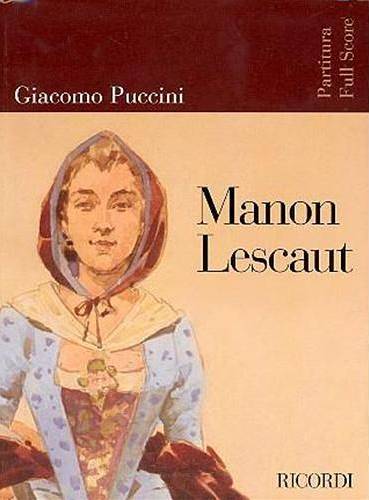
玛侬 • 莱斯科 2016年大都会歌剧团版 [演出] 豆瓣
所属 演出: 玛侬 • 莱斯科
语言: italian 意大利语 剧团: Metropolitan Opera Orchestra 大都会歌剧团管弦乐团 ; Metropolitan Opera Chorus 大都会歌剧团合唱团 剧院: Metropolitan Opera House 大都会歌剧院 导演: Richard Eyre
其它标题: 2016年大都会歌剧团版 编剧: Ruggero Leoncavallo / Marco Praga 作曲: Giacomo Puccini 演员: Kristine Opolais / Roberto Alagna
Time: The second half of the eighteenth century
Places: Amiens, Paris, Le Havre, New Orleans
Act 1
Amiens: A large public square near the Paris Gate
Off the square is an Avenue on one side and an Inn on the other, with a balcony. It is evening, townspeople, soldiers and a crowd of male students and girls stroll through the avenue and square while others gather in groups. Some are seated at the tables outside the Inn, drinking and gambling.
Edmondo sings a song of youthful pleasure (Edmondo, chorus of students, girls and townspeople: Ave, sera gentile – Hail gentle evening). Des Grieux enters, and they greet him, but he is melancholic and does not join the others, singing cynically of love (des Grieux, Edmondo, chorus: L'amor?, L'amor? ...io non conosco! – Love?, Love?...I know nothing of that). They joke with him and provoke him to feign flirtation with the girls (des Grieux: Tra voi, belle, brune e bionde – Among you beauties, dark and fair); (Edmondo, chorus: Ma, bravo!).
A postillion horn is heard and the carriage from Arras pulls up at the Inn, as the crowd peers in to see who the passengers are (Chorus: Giunge il cocchio d'Arras! – Here comes the Arras coach!) Lescaut (Manon's brother), then an elderly treasurer-general, Geronte di Ravoir, descend from the coach, Geronte helping Manon, then the remainder of the passengers. The crowd comments (Chorus, Edmondo, Lescaut, des Grieux, Geronte: Discendono, vediam! – Look, they are getting down!) Edmondo and the students admire Manon (Chi non darebbe a quella donnina bella? – Who would not give to that beautiful young woman?). Des Grieux is also smitten (Dio, quanto è bella! – Dear God, such beauty!). The other passengers enter the Inn, while Lescaut signals Manon to wait for him. She sits, as des Grieux, who has been fixated on her, approaches her and declares his feelings for her (des Grieux, Manon,: Cortese damigella – Gentle lady), only to learn she is destined for a convent at the will of her father. He offers to help her, and when Lescaut calls her he begs her to meet him later; she reluctantly agrees. After Manon leaves, des Grieux sings of his feelings for her (des Grieux: Donna non vidi mai – Never before have I beheld a woman such as this). The students and girls, who have been observing the couple, comment mockingly on his good fortune (Edmondo, students: La tua ventura ci rassicura – Your good fortune encourages us).
Lescaut and Geronte descend and converse in the square about Manon's fate, observed by Edmondo. Geronte, who also is captivated by Manon, says she would be wasted in a convent. On hearing his fellow traveller's opinion, Lescaut begins to reconsider his task of escorting his sister to the convent. The students invite Lescaut to join in their card game. Geronte observes that Lescaut is preoccupied with the game and discloses his plan to abduct Manon and take her to Paris to the Innkeeper, offering him money for assistance and his silence. Edmondo overhears the plan and informs des Grieux (Edmondo: Cavaliere, te la fanno! – Sir, they are outwitting you!). He offers to help des Grieux, arranging for the card players to keep Lescaut occupied.
Manon slips out of the inn to meet des Grieux as promised (Manon: Vedete? Io son fedele alla parola mia – You see? I am faithful to my word). He declares his love for her and advises her of the plot to abduct her, while Edmondo arranges for the carriage Geronte has hired to take the couple to Paris. They leave together just as Geronte arrives, ready to execute his plans (Geronte: Di sedur la sorellina e il momento! – The moment to seduce the little sister has arrived). Geronte is taunted by Edmondo. Realising he has been tricked, Geronte urges Lescaut to follow the departed pair. The more pragmatic Lescaut advises him that the pair will soon run out of money, and then Manon will be his.
Act 2
A room in Geronte's house in Paris
(Puccini omits the part of the novel in which Manon and des Grieux live together for a few months, and Manon leaves des Grieux when his money has run out.)
Manon is now Geronte's mistress. Manon and her hairdresser are in the room when Lescaut enters (Manon, Lescaut: Dispettosetto questo riccio!); (Lescaut: Sei splendida e lucente!). She tells him that Geronte is too old and wicked; he bores her. Manon is sad, and her thoughts turn to des Grieux (Manon: In quelle trine morbide); (Lescaut, Manon: Poiché tu vuoi saper).
Musicians hired by Geronte enter to amuse her (Madrigal: Sulla vetta tu del monte); (Manon, Lescaut: Paga costor). Geronte brings a dancing master; they dance a minuet, then she sings a gavotte (Dancing master, Geronte, Manon, chorus: Vi prego, signorina [minuet]); (Manon, Geronte, chorus: L'ora, o Tirsi, è vaga e bella). After dancing, Geronte and the musicians leave the house.
Dismayed that his sister is unhappy living with Geronte, Lescaut goes to find des Grieux. Des Grieux appears in Geronte's house (Manon, des Grieux: Oh, sarò la più bella! – This love's own magic spell). As des Grieux and Manon renew their vows of love, Geronte returns unexpectedly. He salutes the couple, reminding Manon of his many favors to her, including some precious jewels. She replies that she cannot love him (Geronte, des Grieux, Manon: Affè, madamigella).
Bowing low, he leaves them. Manon rejoices in their freedom (Manon: Ah! Ah! Liberi!); (des Grieux: "Ah, manon, mi tradisce il tuo folle pensiero). Lescaut urges them to leave the house at once, but Manon hesitates at the thought of leaving her jewels and pretty frocks. Again, Lescaut enters in breathless haste, making signs that they must depart immediately. Manon snatches up her jewels, and they go to the door. It has been locked by Geronte's order. Soldiers appear to arrest Manon who, in trying to escape, drops the jewels at Geronte's feet. She is dragged away and des Grieux is not permitted to follow her (des Grieux, Manon, Lescaut, sergeant, Geronte: Lescaut! – Tu qui?).
(Intermezzo: The journey to Le Havre.)
His various efforts to have Manon released and even to free her by force having failed, des Grieux follows her to Le Havre.
Act 3
A square near the harbor in Le Havre
At dawn Manon is with the other imprisoned courtesans (des Grieux, Lescaut, Manon: Ansia eterna, crudel). Lescaut has bribed a guard to let des Grieux speak with Manon. Talking to her through the bars, he learns that she is to be deported to Louisiana. A lamplighter passes, singing a song as he extinguishes the lights (Lamplighter, des Grieux, Manon: E Kate ripose al re); (des Grieux, Manon: Manon, disperato è il mio prego).
They attempt a rescue, but in vain. The guard appears, escorting a group of women, who are going on the same ship as Manon. She walks among them, pale and sad. The crowd makes brutal comments during the roll call of the courtesans (Chorus, Lescaut, des Grieux, Manon: All'armi! All'armi!), but Lescaut inspires pity for Manon (Sergeant, chorus, Lescaut, Manon, des Grieux: Rosetta! – Eh, che aria!).
Des Grieux, in despair at the idea of being separated from Manon forever, goes to her side. He tries to seize her but is pushed away by the sergeant. However, the captain of the ship sees his intense grief (des Grieux: Pazzo son!) and allows him to board the ship.
Act 4
A vast plain near the outskirts of the New Orleans territory
Having fled the jealous intrigues of New Orleans, the lovers make their way across a desert to seek refuge in a British settlement. Wandering in the desert, the ailing Manon is exhausted. She falls and cannot go any farther (des Grieux, Manon: Tutta su me ti posa); (des Grieux: Vedi, son io che piango); (Manon, des Grieux: Sei tu che piangi).
Des Grieux is alarmed by Manon's appearance and goes to look for water. While he is gone, Manon recalls her past and muses about her fatal beauty and her fate (Manon: Sola, perduta, abbandonata).
Des Grieux returns, having been unable to find water. Manon bids him a heart-rending farewell, however not before complaining about how her life has not been fair and that she is no longer beautiful. Before dying in his arms Manon asks des Grieux to tell her how beautiful she used to be, and how he must forgive her wrongdoings and faults before she dies, not listening to him repeat how much he loves her and will miss her. Overcome by grief at the death of his vain and selfish lover, des Grieux collapses across her body (Manon, des Grieux: Fra le tue braccia, amore).