高仓健 — 演员 (77)
日本女侠传:侠客艺妓 (1969) [电影] 豆瓣
日本女侠伝 侠客芸者
导演:
山下耕作
演员:
藤純子
/
高倉健
…
其它标题:
日本女侠伝 侠客芸者
Popular geisha Shinji (Fuji Junko) must defy a gang who plot to steal a lucrative coal
business from struggling miners during the turbulent Meiji Era. With a stellar all-star
cast, thrilling story and Takakura Ken's violent swordplay, makes this into a classic
Yakuza movie!
business from struggling miners during the turbulent Meiji Era. With a stellar all-star
cast, thrilling story and Takakura Ken's violent swordplay, makes this into a classic
Yakuza movie!
地狱的规则没有明天 (1966) [电影] 豆瓣
地獄の掟に明日はない
其它标题:
地獄の掟に明日はない
/
Jigoku no okite ni asu wa nai
…
長崎に根を張る暴力団山崎組と権藤産業は、競艇場の利権をめぐって対立していた。だが、山崎組の顧問弁護士郡司の計らいで、山崎組と権藤組は手を結んだ。その記念に競艇が開かれることになり、権藤は八百長レースを組んだ。山崎組代貸滝田は、長崎で原爆の洗礼を受け、原爆症を背負っていた。何時死ぬかわからないという滝田の行動は冷たく凄惨だ。その滝田の恋人が岩村由紀で、由紀の弟明が権藤から八百長を強いられたのだ。滝田は山崎に内証で、明に八百長をやめさせた。当然のごとく、権藤は大損をした。明の姉が由紀で恋人が滝田と知った権藤は山崎組に挑戦状を叩きつけた。山崎は明のリンチを止めるかわりに、滝田に権藤暗殺を命じた。山崎組と権藤組を戦わせて、漁夫の利をしめようとする郡司はこのことを権藤に告げた。しかし滝田はたくみに権藤を暗殺そして郡司の裏切りを知ってこれも刺殺した。滝田とは幼友達の三流新聞記者北島が、この滝田の行動をスクープした。滝田はこれを機会に足を洗うつもりだ。由紀と長崎から逃げることにしていたのだ。だが、北島によって滝田の行動は警察にはつつぬけだった。滝田は由紀の見ているまえで捕えられた。殺人者に幸福な明日はなかったのだ。
动乱 (1980) [电影] 豆瓣
動乱
其它标题:
動乱
/
Dôran
影片分上下两集,上集《渡海寻爱》,下集《雪下个不停》。1932年4月,仙台联队士兵沟口为营救因贫穷被卖入妓院的姐姐阿薰,开枪打死上级军官被判死刑。联队上尉中队长宫城启介为其辩护无效,将借到的一千日元交给阿薰。部分海、陆军官发动“五?一五”政变,失败后分裂为皇道派和统制派。因涉嫌参加派系斗争,宫城被调往朝鲜。上任后的宫城亲眼看到军队上层的腐败,便想发动兵变。宫城再遇成为艺妓的阿薰,责其自甘堕落,让阿苦闷的阿薰生了求死之心。为了帮助阿薰,宫城放弃了反抗运动。1935年10月,宫城调至东京第一联队,并和阿薰开始同居。宫城拜访了自己的恩师、皇道派的神崎中校后决定起事,并将阿薰送到父亲家中。1936年2月25日晚,皇道派军人发起“二?二六”政变,事败后宫城等被判死刑,只留下阿薰失声痛哭。
影片描写了处于动荡年代的日本年轻一代军官由于亲眼目睹了政界和经济界的腐败现象,决心发动政变推动昭和维新,结果遭遇完全失败的过程,期间掺杂了一对青年男女的爱情悲剧。高仓健成功塑造了一个认真诚实但不善于以言辞表白爱情的男子汉形象,吉永小百合则以上佳的演技刻划出了一个能够忍受一切不幸的妇女的内心世界。影片曾为1980年日本十大卖座片第十名。
恶棍万和铁 (1964) [电影] 豆瓣 TMDB IMDb 维基数据
ジャコ萬と鉄
其它标题:
ジャコ萬と鉄
/
Jakoman and Tetsu
…
二战结束初期,北海道某渔场又迎来新的捕鱼期。鲱鱼肉鲜肥美,渔民欢天喜地,在北国的冰天雪地中引吭高歌。就在此时,渔场迎来两个不速之客:一个是渔场主九兵卫(山形勲 饰)的儿子阿铁(高倉健 饰),当初他无故失踪,渔民传言他已死于战乱;另一个是渔场的前雇员阿万(丹波哲郎 饰),绰号“杂鱼万”,当年他偷走九兵卫的渔船逃跑,半路上被苏联人抓获。这次,杂鱼万怀着对九兵卫和阿铁的憎恨回到了这里。阿铁和渔民的关系分外融洽,尽心帮助他们争取合法权利。阴险粗暴的万却处处与之作对。随着渔汛的到来,两人之间的战火也到了一触即发的地步……
本片根据梶野悳三的小说《鰊漁場》改编,剧本由黑泽明执笔。
人生剧场 飞车角与吉良常 (1968) [电影] 豆瓣
人生劇場 飛車角と吉良常
导演:
内田吐夢
演员:
鹤田浩二
/
辰巳柳太郎
…
其它标题:
人生劇場 飛車角と吉良常
/
Jinsei-gekijô: Hishakaku to kiratsune
大正14(1925)年、侠客の飛車角(鶴田浩二)は恋人おとよ(藤純子)をめぐって人を斬り、その逃亡の途中で、老侠客・吉良常(辰巳柳太郎)と出会い、彼の勧めで自首する。しかしその投獄中、おとよは玉の井に身を売り、客の宮川(高倉健)と愛し合うようになってしまう……。
尾崎士郎の名作小説『人生劇場』の第3部『残侠篇』を名匠・内田吐夢監督のメガホンで映画化。幾度も映画化された『人生劇場』の中でも最高傑作の誉れも高い名作任侠映画である。鶴田の演じる飛車角も、任侠と愛の苦悩をにじませた優れもの。また脇に至るまでの東映オールスター・キャストがそれぞれ柄に合った好演。殺陣のすさまじさも含め、任侠映画ファンは一度は観ておくべき作品である。(増當竜也)
内容(「GAGAデータベース」より)
尾崎士郎原作による大河小説「人生劇場・残侠篇」を、巨匠・内田吐夢監督が映画化した任侠ドラマ。姿を消したおとよと飛車角を再会させた吉良常。だが、デカ虎一家から喧嘩状を受けた飛車角は、病床に臥せる吉良常をよそに単身デカ虎一家に乗り込む。
尾崎士郎の名作小説『人生劇場』の第3部『残侠篇』を名匠・内田吐夢監督のメガホンで映画化。幾度も映画化された『人生劇場』の中でも最高傑作の誉れも高い名作任侠映画である。鶴田の演じる飛車角も、任侠と愛の苦悩をにじませた優れもの。また脇に至るまでの東映オールスター・キャストがそれぞれ柄に合った好演。殺陣のすさまじさも含め、任侠映画ファンは一度は観ておくべき作品である。(増當竜也)
内容(「GAGAデータベース」より)
尾崎士郎原作による大河小説「人生劇場・残侠篇」を、巨匠・内田吐夢監督が映画化した任侠ドラマ。姿を消したおとよと飛車角を再会させた吉良常。だが、デカ虎一家から喧嘩状を受けた飛車角は、病床に臥せる吉良常をよそに単身デカ虎一家に乗り込む。
森林与湖的祭祀 (1958) [电影] 豆瓣
森と湖のまつり
导演:
内田吐梦
演员:
高仓健
/
香川京子
…
其它标题:
森と湖のまつり
/
Mori to mizuumi no matsuri
…
One of the major joys of writing about Japanese movies is that whenever you begin to get that tired, jaded feeling that you think you’ve seen it all and that there’s nothing left that’s ever going to set your pulse racing, you stumble across a whole previously hidden seam of movies that completely revolutionises any ideas of what Japanese cinema is. I remember getting this feeling watching the works of Hiroshi Shimizu at the 2003 Tokyo FILMeX, and I got it again at the same festival exactly one year later, during a 13-film retrospective of Tomu Uchida, which travelled to the Rotterdam Film Festival in a slimmed-down version a couple of months later.
In English-language film circles, not much is really generally known about Japanese cinema prior to the 1960s. Anderson and Richie’s The Japanese Film: Art and Industry is still the bible for those who want to find out more, but more recent non-academic publications are limited by the films that are available for viewing. It’s a catch-22 situation, which DVD is slowly overcoming. Yet still, outside of the work of a few major directors like Kurosawa and Ozu, recent releases have tended to stick with products from more recent years, more often than not focused around the twin poles of art and exploitation.
It is therefore really difficult to get any broader picture of what the industry was doing before the days of yakuza movies and Roman Porno. Yet the 1950s were the decade when the Japanese cinema had reached full maturity and cinema attendances were at a peak, the so-called Golden Age when the major companies were between them turning out around 500 films a year, all made by directors with several decades of experience behind them, at long-established studios with a large highly-trained professional team of technicians. Far from being the bastion of conservativeness that Oshima and the New Wave directors labelled it to be, I am coming to look at the decade as a vast lucky dip with some fabulous treasures still waiting to be found – such as The Outsiders, for example, an epic outdoor adventure in which an embittered Ken Takakura fights for the rights of Hokkaido’s oppressed Ainu population.
Tomu Uchida was one of those names I’d heard bandied about a lot, most often in conjunction with the film Earth (Tsuchi) made in 1939. A seminal piece of social-realism made by a director noted for his leftist inclinations, Earth focused on the harsh lives of a community of farmers at a time when rapid urbanisation was bleeding the countryside dry. It was a political film in that it confronted the swelling ranks of the emergent urban middle classes who made up the large bulk of cinema audiences with the plight of the rural poor, paralleling the release of John Ford’s adaptation of John Steinbeck’s The Grapes of Wrath in America around the same time in 1940.
Remember, long before the days of television, cinema was the only way of seeing how the other half lived, and in today’s image-saturated mass-media culture it is easy to overlook the power and immediacy of what people saw on the big screen. Uchida’s film was all the more political because it was made at the time when the lion’s share of agricultural production was being put towards Japan’s wartime expansion. Needless to say, it went bang in the face of the type of films the government was promoting at the time.
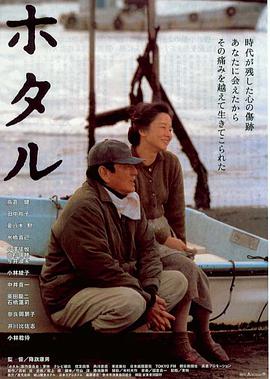
Earth was filmed over the course of a year with a documentarist’s attention to detail, taking in each of the seasons and focusing very much on man’s relationship with the soil. This approach of drawing out the realism and charting the passage of time through the use of the four seasons much later became a staple of the documentary films made by the collective centred around Shinsuke Ogawa, such as Magino Village – A Tale (Sennen Kizami no Hidokei: Magino-Mura Monogatari, 1987), or more recently in the documentary-styled fictional work of Naomi Kawase, specifically the films Suzaku and Hotaru.
Uchida’s film, by the way, is not to be confused with the German-Japanese co-production, The New Earth (Atarashii Tsuchi), directed by Mansaku Itami, the father of Tampopo director Juzo Itami. This film, released in 1941, was a nationalist propaganda work made under the instigation of Dr Arnold Fanck, the German director who sparked off the peculiar genre of the “Mountain Film” as typified by The Holy Mountain (Der Heilige Berg, recently released on DVD in the UK by Eureka). As written by Fanck, its goal was to portray “unity of the Nazi group-spirit and the racial spirit of the Japanese as opposed to the weak spirit of the democracies”, but there was conflict between the Japanese and the German creative elements throughout the production due to the way in which Fanck constantly misrepresented elements of Japanese culture in service of the film’s higher propagandist purpose (The Last Samurai, anyone?). Released overseas at the time as The Daughter of the Samurai, one of the first co-productions Japan ever made with the West thus ended up a classic textbook example of orientalist filmmaking.
Much of what has been written about Uchida’s career in the English language – basically in Anderson and Richie’s book – has focused on his pre-war career. But as the FILMeX retrospective clearly demonstrated, this was only half of the story. In 1945, the left-leaning director travelled to the formerly Japanese-occupied area of Manchuria in China to join the Manchuria Film Association, or Man’ei, and was not to come back until 1953. Upon his return he continued for almost two decades to produce a wide range of films that fit into every genre conceivable, from traditional kabuki adaptations to melodrama and yakuza movies.
The diversity of his oeuvre therefore means that getting a grip on what elements typify an Uchida picture is a difficult task, but on the evidence of The Outsiders, one of the original program that tellingly did not go over to the Rotterdam festival, perhaps it is fruitful to turn once again to the parallel with John Ford. The film’s mixture of heroic action, making full use of one of the top macho icons of its day, an expansive sense of location, masterful use of colour and composition and a focus on social injustice meted out on large sectors of the nation’s indigenous people had me thinking in terms of The Searchers. In what seems like another unlikely case of synchronicity, Ford’s film was released just two years previously in 1956.
The Outsiders is something of a revelation. It certainly looks nothing like what you’d expect from a Japanese movie made around the mid-50s, which is perhaps the reason why it is completely unknown outside of Japan. Opening with a lengthy pan across the barren mountaintops of Hokkaido, Uchida’s third film in colour, after the two parts of the jidai-geki Daibosatsu Pass (Daibosatsutoge, 1957/58) is an undeniably exhilarating visual experience, making full use of the Toeiscope widescreen format to capture Japan’s northernmost territory in all its rugged beauty. It also is of particular interest for drawing attention to the destruction of the culture and the discrimination against the indigenous Ainu people, a dwindling race faced with danger of extinction since the Japanese nation began its concerted push northwards with the government extending administration over all parts of the landmass in 1868.
Screen legend Ken Takakura is Ishitaro Kazamori, known as Byakki “the Phoenix” by the local Ainu population, as he whisks from village to village on horseback delivering supplies and educational books to the locals, an outcast Robin Hood character working for the future of his people. But Byakki’s rough methods aren’t to everyone’s tastes. Money has been going missing from the funds raised by the chairman of the Ainu Society, Dr. Ike (Kitazawa), a well-meaning “shamo” (non-Ainu) who has dedicated much of his life to researching the history and culture of Japan’s aboriginal people.
When Dr Ike brings a young landscape painter Yoshiko Saeki (Kagawa) from Tokyo with him on his field trips to sketch the local landscapes, there is initially resentment of another outsider treating the local populations as her own pet project. But Yoshiko soon befriends Mitsu (Fujisato), an Ainu girl who was jilted years ago on the eve of the holy Bekanbe Festival by her “shamo” lover who couldn’t go through with the stigma of marrying into this ostracised class. Mitsu may also hold the key to Byakki’s whereabouts.
Meanwhile, as the next Bekanbe Festival approaches, tension is growing between the Ainu and the Japanese settlers in the coastal town of Nanbetsu due to Byakki’s increasingly unruly antics. One local who steadfastly refuses to pitch in to Dr. Ike’s project is Oiwa (Mikuni), who runs the local fishery with his old father (Susukida), and runs a strict policy of not hiring any Ainu workers. Oiwa bears Byakki a particular enmity, because Byakki knows that Oiwa is living in denial, masquerading as a “shamo” and keeping his real Ainu ancestry well hidden. But Oiwa also knows a few secrets about Byakki.
Hokkaido is in many ways Japan’s northernmost frontier, its own equivalent to the Wild West, and The Outsiders, though based on the novel Mori to Mizuumi no Matsuri by Taijun Takeda, most clearly resembles an American western, a gripping action film letting forth a righteous cry against social injustice against the indigenous population and unfolding against an epic landscape. Such genre appropriations can’t be coincidental. As could be seen as early back as Uchida’s own 1933 silent, The Police Officer (Keisatsukan), which also played at FILMeX, Japanese filmmakers were certainly not above borrowing heavily from typically American staples such as the cops-and-robbers film. I can’t say whether Uchida consciously modelled his film on the western, but the crucial fact about The Outsiders is that the story makes sense and works in its own right, rather than just being noteworthy as a cross-cultural hybrid curio.
The main drawing point is of course Hokkaido itself, shot beautifully by cinematographer Shoe Nishikawa, picking out the autumnal russet-tinged hues of the majestic countryside of lakes, plains and woods, as the camera glides and tracks through a series of mainly exterior locations. But aside from this vibrant use of colour, also used to great effect in the matsuri (festival) scenes and the coloured fabrics of the traditional costumes, The Outsiders is also unique for revealing a facet of Japanese culture almost completely disregarded in its cinema. Bold, beautiful, and packing a powerful dramatic punch, there is little else quite like it. We can only hope that some adventurous DVD company will pick it up soon, because this is a film that could change people’s perceptions and prejudices about Japanese film for good. from midnighteye
In English-language film circles, not much is really generally known about Japanese cinema prior to the 1960s. Anderson and Richie’s The Japanese Film: Art and Industry is still the bible for those who want to find out more, but more recent non-academic publications are limited by the films that are available for viewing. It’s a catch-22 situation, which DVD is slowly overcoming. Yet still, outside of the work of a few major directors like Kurosawa and Ozu, recent releases have tended to stick with products from more recent years, more often than not focused around the twin poles of art and exploitation.
It is therefore really difficult to get any broader picture of what the industry was doing before the days of yakuza movies and Roman Porno. Yet the 1950s were the decade when the Japanese cinema had reached full maturity and cinema attendances were at a peak, the so-called Golden Age when the major companies were between them turning out around 500 films a year, all made by directors with several decades of experience behind them, at long-established studios with a large highly-trained professional team of technicians. Far from being the bastion of conservativeness that Oshima and the New Wave directors labelled it to be, I am coming to look at the decade as a vast lucky dip with some fabulous treasures still waiting to be found – such as The Outsiders, for example, an epic outdoor adventure in which an embittered Ken Takakura fights for the rights of Hokkaido’s oppressed Ainu population.
Tomu Uchida was one of those names I’d heard bandied about a lot, most often in conjunction with the film Earth (Tsuchi) made in 1939. A seminal piece of social-realism made by a director noted for his leftist inclinations, Earth focused on the harsh lives of a community of farmers at a time when rapid urbanisation was bleeding the countryside dry. It was a political film in that it confronted the swelling ranks of the emergent urban middle classes who made up the large bulk of cinema audiences with the plight of the rural poor, paralleling the release of John Ford’s adaptation of John Steinbeck’s The Grapes of Wrath in America around the same time in 1940.
Remember, long before the days of television, cinema was the only way of seeing how the other half lived, and in today’s image-saturated mass-media culture it is easy to overlook the power and immediacy of what people saw on the big screen. Uchida’s film was all the more political because it was made at the time when the lion’s share of agricultural production was being put towards Japan’s wartime expansion. Needless to say, it went bang in the face of the type of films the government was promoting at the time.
Earth was filmed over the course of a year with a documentarist’s attention to detail, taking in each of the seasons and focusing very much on man’s relationship with the soil. This approach of drawing out the realism and charting the passage of time through the use of the four seasons much later became a staple of the documentary films made by the collective centred around Shinsuke Ogawa, such as Magino Village – A Tale (Sennen Kizami no Hidokei: Magino-Mura Monogatari, 1987), or more recently in the documentary-styled fictional work of Naomi Kawase, specifically the films Suzaku and Hotaru.
Uchida’s film, by the way, is not to be confused with the German-Japanese co-production, The New Earth (Atarashii Tsuchi), directed by Mansaku Itami, the father of Tampopo director Juzo Itami. This film, released in 1941, was a nationalist propaganda work made under the instigation of Dr Arnold Fanck, the German director who sparked off the peculiar genre of the “Mountain Film” as typified by The Holy Mountain (Der Heilige Berg, recently released on DVD in the UK by Eureka). As written by Fanck, its goal was to portray “unity of the Nazi group-spirit and the racial spirit of the Japanese as opposed to the weak spirit of the democracies”, but there was conflict between the Japanese and the German creative elements throughout the production due to the way in which Fanck constantly misrepresented elements of Japanese culture in service of the film’s higher propagandist purpose (The Last Samurai, anyone?). Released overseas at the time as The Daughter of the Samurai, one of the first co-productions Japan ever made with the West thus ended up a classic textbook example of orientalist filmmaking.
Much of what has been written about Uchida’s career in the English language – basically in Anderson and Richie’s book – has focused on his pre-war career. But as the FILMeX retrospective clearly demonstrated, this was only half of the story. In 1945, the left-leaning director travelled to the formerly Japanese-occupied area of Manchuria in China to join the Manchuria Film Association, or Man’ei, and was not to come back until 1953. Upon his return he continued for almost two decades to produce a wide range of films that fit into every genre conceivable, from traditional kabuki adaptations to melodrama and yakuza movies.
The diversity of his oeuvre therefore means that getting a grip on what elements typify an Uchida picture is a difficult task, but on the evidence of The Outsiders, one of the original program that tellingly did not go over to the Rotterdam festival, perhaps it is fruitful to turn once again to the parallel with John Ford. The film’s mixture of heroic action, making full use of one of the top macho icons of its day, an expansive sense of location, masterful use of colour and composition and a focus on social injustice meted out on large sectors of the nation’s indigenous people had me thinking in terms of The Searchers. In what seems like another unlikely case of synchronicity, Ford’s film was released just two years previously in 1956.
The Outsiders is something of a revelation. It certainly looks nothing like what you’d expect from a Japanese movie made around the mid-50s, which is perhaps the reason why it is completely unknown outside of Japan. Opening with a lengthy pan across the barren mountaintops of Hokkaido, Uchida’s third film in colour, after the two parts of the jidai-geki Daibosatsu Pass (Daibosatsutoge, 1957/58) is an undeniably exhilarating visual experience, making full use of the Toeiscope widescreen format to capture Japan’s northernmost territory in all its rugged beauty. It also is of particular interest for drawing attention to the destruction of the culture and the discrimination against the indigenous Ainu people, a dwindling race faced with danger of extinction since the Japanese nation began its concerted push northwards with the government extending administration over all parts of the landmass in 1868.
Screen legend Ken Takakura is Ishitaro Kazamori, known as Byakki “the Phoenix” by the local Ainu population, as he whisks from village to village on horseback delivering supplies and educational books to the locals, an outcast Robin Hood character working for the future of his people. But Byakki’s rough methods aren’t to everyone’s tastes. Money has been going missing from the funds raised by the chairman of the Ainu Society, Dr. Ike (Kitazawa), a well-meaning “shamo” (non-Ainu) who has dedicated much of his life to researching the history and culture of Japan’s aboriginal people.
When Dr Ike brings a young landscape painter Yoshiko Saeki (Kagawa) from Tokyo with him on his field trips to sketch the local landscapes, there is initially resentment of another outsider treating the local populations as her own pet project. But Yoshiko soon befriends Mitsu (Fujisato), an Ainu girl who was jilted years ago on the eve of the holy Bekanbe Festival by her “shamo” lover who couldn’t go through with the stigma of marrying into this ostracised class. Mitsu may also hold the key to Byakki’s whereabouts.
Meanwhile, as the next Bekanbe Festival approaches, tension is growing between the Ainu and the Japanese settlers in the coastal town of Nanbetsu due to Byakki’s increasingly unruly antics. One local who steadfastly refuses to pitch in to Dr. Ike’s project is Oiwa (Mikuni), who runs the local fishery with his old father (Susukida), and runs a strict policy of not hiring any Ainu workers. Oiwa bears Byakki a particular enmity, because Byakki knows that Oiwa is living in denial, masquerading as a “shamo” and keeping his real Ainu ancestry well hidden. But Oiwa also knows a few secrets about Byakki.
Hokkaido is in many ways Japan’s northernmost frontier, its own equivalent to the Wild West, and The Outsiders, though based on the novel Mori to Mizuumi no Matsuri by Taijun Takeda, most clearly resembles an American western, a gripping action film letting forth a righteous cry against social injustice against the indigenous population and unfolding against an epic landscape. Such genre appropriations can’t be coincidental. As could be seen as early back as Uchida’s own 1933 silent, The Police Officer (Keisatsukan), which also played at FILMeX, Japanese filmmakers were certainly not above borrowing heavily from typically American staples such as the cops-and-robbers film. I can’t say whether Uchida consciously modelled his film on the western, but the crucial fact about The Outsiders is that the story makes sense and works in its own right, rather than just being noteworthy as a cross-cultural hybrid curio.
The main drawing point is of course Hokkaido itself, shot beautifully by cinematographer Shoe Nishikawa, picking out the autumnal russet-tinged hues of the majestic countryside of lakes, plains and woods, as the camera glides and tracks through a series of mainly exterior locations. But aside from this vibrant use of colour, also used to great effect in the matsuri (festival) scenes and the coloured fabrics of the traditional costumes, The Outsiders is also unique for revealing a facet of Japanese culture almost completely disregarded in its cinema. Bold, beautiful, and packing a powerful dramatic punch, there is little else quite like it. We can only hope that some adventurous DVD company will pick it up soon, because this is a film that could change people’s perceptions and prejudices about Japanese film for good. from midnighteye
恶魔的手球歌 (1961) [电影] 豆瓣
悪魔の手毬唄
导演:
渡边邦男
演员:
高仓健
/
北原しげみ
…
其它标题:
悪魔の手毬唄
/
Devil's Nursery Rhyme
悪魔の手毬唄
Devil's Nursery Rhyme
1961(昭和36年)/11/15公開 84分 モノクロ シネスコ 映倫番号:12631
配給:東映 製作:東映
鬼首村という山郷に伝わる手毬唄が、次々と殺人を予告していく。その不可解な謎に、私立探偵金田一耕助がスポーツカーを駆って挑んでいく。
人気流行歌手の和泉須磨子が、故郷の鬼首町鬼塚村に里帰りする途中で、惨殺死体となって発見された。ラジオからは彼女の新曲「鬼首村手毬唄」が流れていた…。鬼首町警察の捜査本部では主任の磯川警部が早速捜査を開始。名探偵・金田一耕助も温泉宿「亀の湯」に宿を取り調査を開始する。須磨子の生まれた仁礼家は鬼塚一の富豪であるが、当主の剛造は「手毬唄」に怯えていた。そんな中、辰蔵という男が剛造の前に十八年ぶりに現れた。一方金田一は、亀の湯に泊まっている学生の遠藤和雄が仁礼家の次女・里子の学友であることを知る。また、湯治客の放庵は「手毬唄」を口ずさみ、別の湯治客・石山の部屋からは謡曲が聞こえてくる。不気味な状況の中で仁礼家の長男・源一郎と里子は、須磨子の死が剛造に届いた脅迫状と関連していると怯えるが、遂に銃声が鳴り響き、駆けつけた金田一は源一郎の死体を発見する。しかしこれを「自殺に見せかけた毒殺」と見破った金田一は現場検証の帰りに村のお告げ婆・おいとに出会う。おいとは放庵が村の暗い過去を知っているとささやくのであった。
Devil's Nursery Rhyme
1961(昭和36年)/11/15公開 84分 モノクロ シネスコ 映倫番号:12631
配給:東映 製作:東映
鬼首村という山郷に伝わる手毬唄が、次々と殺人を予告していく。その不可解な謎に、私立探偵金田一耕助がスポーツカーを駆って挑んでいく。
人気流行歌手の和泉須磨子が、故郷の鬼首町鬼塚村に里帰りする途中で、惨殺死体となって発見された。ラジオからは彼女の新曲「鬼首村手毬唄」が流れていた…。鬼首町警察の捜査本部では主任の磯川警部が早速捜査を開始。名探偵・金田一耕助も温泉宿「亀の湯」に宿を取り調査を開始する。須磨子の生まれた仁礼家は鬼塚一の富豪であるが、当主の剛造は「手毬唄」に怯えていた。そんな中、辰蔵という男が剛造の前に十八年ぶりに現れた。一方金田一は、亀の湯に泊まっている学生の遠藤和雄が仁礼家の次女・里子の学友であることを知る。また、湯治客の放庵は「手毬唄」を口ずさみ、別の湯治客・石山の部屋からは謡曲が聞こえてくる。不気味な状況の中で仁礼家の長男・源一郎と里子は、須磨子の死が剛造に届いた脅迫状と関連していると怯えるが、遂に銃声が鳴り響き、駆けつけた金田一は源一郎の死体を発見する。しかしこれを「自殺に見せかけた毒殺」と見破った金田一は現場検証の帰りに村のお告げ婆・おいとに出会う。おいとは放庵が村の暗い過去を知っているとささやくのであった。
网走番外地 望乡篇 (1965) [电影] 豆瓣
網走番外地 望郷篇
其它标题:
網走番外地 望郷篇
/
Abashiri Bangaichi: Bokyo-hen
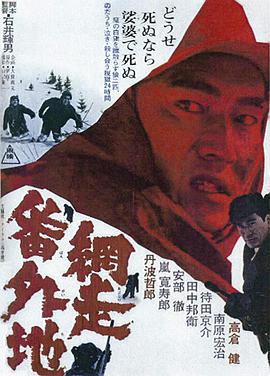
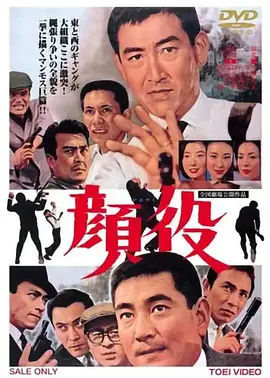
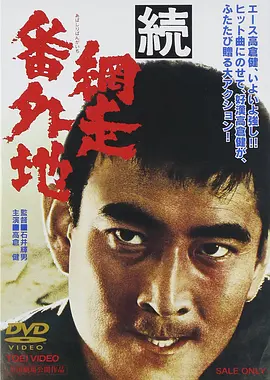
经过数年牢狱之灾,橘真一(高倉健 饰)回到故乡长崎。当年他所在的旭组以码头货物装卸为主业,组长旭统一(嵐寛寿郎 饰)严明而慈厚,特别禁止组员使用暴力。然而无赖云集的安井组入侵长崎码头,蓄意向旭组挑衅,才使得真一一怒之下斩伤对方老大安井(安部徹 饰)而入狱。最终,旭统一出面,终于平息纷乱,双方也迎来暂时的和平。但是,随着统一身体的恶化,安井组的气焰再次抬头,他们不仅打伤旭组的二代目,还进一步侵占他们的地盘。双方战争一触即发之际,真一回归,并受老大之命主持旭组事务……
本片根据伊藤一的原作《颜役》改编,系“网走系列”第三部。
昭和残侠传 唐狮子牡丹 (1966) [电影] 豆瓣
昭和残侠伝 唐獅子牡丹
导演:
佐伯清
演员:
高仓健
/
三田佳子
…
其它标题:
昭和残侠伝 唐獅子牡丹
/
Showa zankyo-den: Karajishi botan
タイトル : 昭和残侠伝: 唐獅子牡丹(期間限定生産)(生産完了)
出演 : 高倉健/三田佳子/津川雅彦/池部良/芦田伸介/菅原謙二
監督 : 佐伯清
不始末をしでかした弟分を助けるために、花田秀次郎は左右田組の組頭の要求を飲み、榊組の組頭を手にかけた。法の裁きを受け服役した秀次郎は、3年後に出所を果たす。だがそこで秀次郎が目にしたのは、秀次郎の手によって組頭を失い、瀕死の状態に追いやられてしまった榊組の姿だった。左右田組の執拗な攻撃に耐えて組を守る未亡人の姿に心を打たれた秀次郎は、みずからの負い目もあって、榊組を助けることにするのだが…。
高倉健の代表作の一つである「昭和残侠伝」シリーズの2作目。渡世の義理ゆえに、心ならずも斬り倒した相手の未亡人に捧げる愛情と、敵対しつつも育まれていく男の友情を描いている。監督はシリーズの大半を手がけてきた佐伯清。若き日の高倉健が、渡世に生きるやくざを凄みたっぷりに演じている。榊組の美しき未亡人に扮するのは三田佳子。
出演 : 高倉健/三田佳子/津川雅彦/池部良/芦田伸介/菅原謙二
監督 : 佐伯清
不始末をしでかした弟分を助けるために、花田秀次郎は左右田組の組頭の要求を飲み、榊組の組頭を手にかけた。法の裁きを受け服役した秀次郎は、3年後に出所を果たす。だがそこで秀次郎が目にしたのは、秀次郎の手によって組頭を失い、瀕死の状態に追いやられてしまった榊組の姿だった。左右田組の執拗な攻撃に耐えて組を守る未亡人の姿に心を打たれた秀次郎は、みずからの負い目もあって、榊組を助けることにするのだが…。
高倉健の代表作の一つである「昭和残侠伝」シリーズの2作目。渡世の義理ゆえに、心ならずも斬り倒した相手の未亡人に捧げる愛情と、敵対しつつも育まれていく男の友情を描いている。監督はシリーズの大半を手がけてきた佐伯清。若き日の高倉健が、渡世に生きるやくざを凄みたっぷりに演じている。榊組の美しき未亡人に扮するのは三田佳子。
刑事 蛇に横切られる (1995) [电影] 豆瓣
导演:
重光亨彦
演员:
高仓健
/
田中好子
…
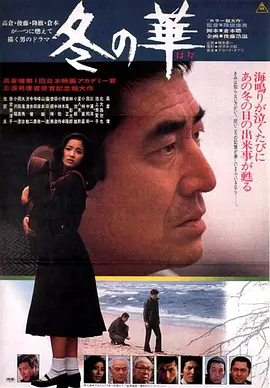
高仓健 (2016) [电影] 豆瓣
健さん
其它标题:
健さん
/
健先生
…
2014年に他界した名優・高倉健を題材にしたドキュメンタリー。外国映画へも積極的に出演した故人の俳優としての在り方に焦点を当て、プライベートのエピソードなども交えながら、新たな高倉健像を描き出す。「ブラック・レイン」で共演したマイケル・ダグラスが撮影当時の様子を初めて明かすほか、同作の撮影監督を務めたヤン・デ・ボン、「ザ・ヤクザ」の脚本を手がけたポール・シュレイダー、高倉健の大ファンを公言するジョン・ウーら、世界的な映画人たちが高倉の魅力を語り、約40年にわたって付き人をつとめた西村泰治氏が貴重なプライベートの姿を紹介。監督は、ニューヨークを拠点に写真家・ドキュメンタリー作家として活躍する日比遊一。
红牡丹赌徒 花牌胜负 (1969) [电影] 豆瓣
緋牡丹博徒 花札勝負
导演:
加藤泰
演员:
富司纯子
/
高仓健
…
其它标题:
緋牡丹博徒 花札勝負
/
Hibotan bakuto: hanafuda shôbu
受熊坂虎吉(若山富三郎 饰)推荐,绯牡丹阿龙(富司纯子 饰)前往名古屋拜会西之丸一家,继续自己的修业之旅。西之丸控制着神宫一带的博采行业。而金原一家的组长金原铁之助(小池朝雄 饰)则与议员古田(内田朝雄 饰)勾结,觊觎赌博放款人的位置。
西之原一家头目杉山的儿子次郎(石山律 饰)和金原的女儿八重子(柴田美保子 饰)相恋,但受到金原的反对。龙子协助二人逃跑,被金原家的食客花冈(高仓健 饰)截住。花冈得知缘由,放二人离去。金原怀恨在心,对阿龙和杉山展开报复……
暗黑街之黑暗街道 (1964) [电影] 豆瓣
暗黒街大通り
其它标题:
暗黒街大通り
/
Main Street in the Underworld
博徒中万組の中田万造とグレン隊東京地下警察会長黒岩元が手打ち式を行った日、忍朝二郎は、中万から黒岩を叩くよう依頼されたが、失敗に終り、命を落した。元凶を黒岩とみた忍鉄也、銀二郎、健三の三兄弟は、この手打式の会場に殴りこんだ。その不敵な面魂は、強く中万の胸に残った。十数年のち、中万は関東総代となり、黒岩はグレン隊の大組織東京クラブのボスにおさまっていた。十数年前の手打式も水泡にきして、今は暗黒街で牙を競い合う中万と黒岩。そんな中万が九州榊組で鉄也、銀二郎、健三の兄弟に再会した。折りしも、中万の長男勝雄が人気歌手三条早苗のアトラクションをやろうとして黒岩組の手で邪魔だてされた事件がもちあがっていた。この処理を頼まれた兄弟は彼らの父の通称であった「成金一家」の再興を条件に、黒岩傘下のシマを次々と奪っていった。黒岩組にとっては今や勝雄に代ったこの兄弟の存在が大きかった。黒岩は、早苗、ルリ子、葉子をつかって兄弟を危地に陥しいれようとしたが、組再興に燃える彼らには通じなかった。一方中万も兄弟の名声に勝雄の地位を憂慮して、黒岩組と組んで兄弟の孤立を計った。かねて健三と恋仲であった黒岩組の娘ルリ子が勝雄と結婚するに及び、健三はルリ子と共に姿を消した。この一件は当然三兄弟と中万、黒岩の間を険悪にした。その頃、銀二郎は黒岩から、兄弟の父朝二郎を殺したのは中万だと知らされ、健三とルリ子の間を承諾することで、銀次郎は中万を殺すことを約束した。一方鉄也もルリ子を返してくれたら健三を許すという言葉に、遂に彼らのかくれ家を教えた。それぞれの条件で、健三を助けようとした兄弟だが、銀次郎は、誤って中万の娘美紀を射殺し鉄也は弟を売った結果となった。健三とルリ子の死骸を前に、二人の兄弟は獣のように射ちあって、果ていった。
現代任侠史 (1973) [电影] 豆瓣
前松田组干部岛谷良一(高倉健 饰)在人生最巅峰时选择隐退,从此不问江湖恩怨,偏居东京一隅经营一家饭店,并和倾慕自己的女记者仁木克子(梶芽衣子 饰)萌生了爱情。
此时的松田组由一群充满干劲的少壮派领导,实力和地盘逐年扩大。为了阻止松田组的扩张,敌对帮派关口组组长关口功(小池朝雄 饰)从大阪请来永井组干部栗田光男(安藤昇 饰),希望他来主持成立一个黑帮联合会,以此限制对手的扩张。松田组对此议案表示抗议,继而点燃与关口组的战火。关口狡猾毒辣,他与栗田的老大永田辰吉(内田朝雄 饰)相互勾结,致使松田组愈加被动,主要头领接连遇害。好友和昔日部下之死,让岛谷再也无法置身事外……