格伦·克洛斯 — 演员 (115)
Not My Life (2011) [电影] 维基数据 IMDb TMDB
Not My Life
导演:
Robert Bilheimer
演员:
格伦·克洛斯
其它标题:
Pas ma vie
Not My Life comprehensively depicts the cruel and dehumanizing practices of human trafficking and modern slavery on a global scale. Filmed on five continents, in a dozen countries, Not My Life takes viewers into a world where millions of children are exploited through an astonishing array of practices including forced labor, sex tourism, sexual exploitation, and child soldiering.
小红帽后现代版 (2005) [电影] Eggplant.place
Hoodwinked!
导演:
Cory Edwards
演员:
Anne Hathaway
/
Glenn Close
…
其它标题:
Cappuccetto rosso e gli insoliti sospetti
/
Sandheden om Rødhætte
…
本片取材自一个经典的寓言故事,一只灰熊和侦探比尔斯托克正在一个老奶奶的家中调查一头狡猾的狼和一个迟到的村民,他们被告以擅闯民宅和偷吃罪,他们之间展开了耐人寻味的故事。 这部影片所讲述的故事就发生在《小红帽》这个童话的结尾,灰熊警长和鹳探员比尔奉命调查发生在祖母小屋的内部动乱案件,多人都被警方指控有犯罪行为,涉案人员包括空手道高手小红帽、搞笑又具讽刺性的大灰、一个略有痴呆的树林里的居民等。他们分别被指控有多项罪名,其中包括:破坏和非法入侵、破坏社会安定、非法偷吃、无执照使用斧子等等。然而,所有被指控的这些不一般嫌疑人都有这他们们自己的故事要讲…… 虽然《小红帽》曾是全世界家喻户晓的经典童话,不过观看这部全新的动画电影之前要摒弃以往的一切认知,因为本片将颠覆原作中的所有人物和情节,并且涵盖了现实世界中的犯罪调查。 影片从童话故事的结尾开始。负责当地治安和法律仲裁工作的警探接到报案,赶到老奶奶的村舍,发现遗留的一堆动物皮毛。根据犯罪现场的证据判断,可能是猎人袭击了扮作老奶奶的大灰狼,触犯的罪名包括:非法闯入、破坏社会安定、馋嘴偷吃和无执照挥舞斧头。 可是毕竟,往往表象具有一定欺骗性,警方很快锁定了存在犯罪可能的嫌疑对象,包括身体强健的老奶奶、擅长表演的猎人、投递糖果的小红帽和报道新闻的大灰狼。温文尔雅的青蛙侦探尼基、精明强干的灰熊警长和鹳警员比尔讯问了几个嫌疑犯,结果发现他们每人供述的内容都迥然不同,而且颠三倒四、含混不清。不仅如此,种种迹象表明,案件似乎又与臭名昭著的“糖果大盗”有着千丝万缕的联系,因为该犯正在森林中肆虐,四处窃取糖果配方。 排查这些嫌疑犯并非易事,因为其中的每个人都隐藏着秘密和阴谋。随着调查的深入,警探们逐渐发现,表面清白无辜的小红帽绝顶狡猾,外形险恶的大灰狼被严重误解,年岁已高的老奶奶有着出人意料的秘密生活,而危险分子猎人则正酝酿着让人瞠目的巨大野心。 为了解开重重谜团,警探们只好求助于目击证人,可由山羊、绵羊和兔子提供的证词却矛盾百出。经过不懈努力,案情最后终于真相大白,穷凶极恶的罪犯得以浮出水面。小红帽、大灰狼、老奶奶和猎人可以暂时忘记彼此之间的分歧,一起狂欢庆祝洗脱罪名了……
超/人:克里斯托弗·里夫的故事 (2024) [电影] IMDb 维基数据 豆瓣 TMDB
Super/Man: The Christopher Reeve Story
7.6 (5 个评分)
导演:
伊恩·邦霍特
/
皮特·艾德盖
演员:
克里斯托弗·里夫
/
约翰尼·卡森
…
其它标题:
슈퍼/맨: 크리스토퍼 리브 스토리
/
Super/Man: The Christopher Reeve Story
…
前所未见的家庭影片和非凡的个人档案揭示了克里斯托弗·里夫是如何从默默无闻的演员成为终极银幕超级英雄的标志性电影明星的。 克里斯托弗·里夫在一次悲惨事故中四肢瘫痪,只能依靠呼吸机呼吸,此后他作为一名活动家领悟到了英雄主义的真谛。 电影制作人伊恩·邦霍特(Ian Bonhôte)和彼得·埃特迪吉(Peter Ettedgui)巧妙地将时间前后推移,编织出双重叙事,探讨了克里斯托弗·里夫职业生涯中两个关键时刻对人生的改变:1978年出演《超人》和1995年瘫痪。 在超级英雄席卷影院的几十年前,里夫让世界相信人类可以飞翔;他的意外事故让全世界关注残疾。
在《超/人》中,里夫的亲友对事故前后的生活的反应非常真诚。 这部影片深深地打动了观众,突出了超人背后的那个人——这不是一部传记,而是一幅完整的肖像,涵盖了里夫人生旅途中的辉煌和黑暗。
All's Fair (2025) [剧集] 维基数据 Eggplant.place IMDb TMDB
All's Fair
导演:
Jon Robin Baitz
/
Joe Baken
演员:
金·卡戴珊
/
格伦·克洛斯
…
其它标题:
オール・イズ・フェア 女神たちの法廷
/
Todas las de la ley
A high-end, glossy and sexy adult procedural focusing on an all-female law firm in Los Angeles. Plot TBA
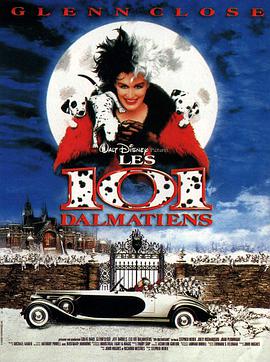
101真狗 (1996) [电影] Min reol
101 Dalmatians
导演:
Stephen Herek
演员:
Glenn Close
/
Jeff Daniels
…
其它标题:
Les 101 Dalmatiens
/
101 Dalmatiner
…
罗杰(杰夫•丹尼尔斯 Jeff Daniels 饰)和安妮(朱莉•理查德森 Joely Richardson 饰)塔所养的斑点狗在和主人散步时一见钟情,罗杰和安妮塔也因此走到了一起。不久,两只斑点狗就生了一窝小狗。一家人生活得十分开心。 然而,安妮塔的变态老板想用斑点狗皮做一件皮衣,在遭到了罗杰和安妮塔的拒绝后,她派人掳走了这窝小狗。罗杰夫妇一早醒来发现小狗不见了,急切里四出寻找,然而音讯全无。两人的爱犬这时按捺不住,在动物朋友们的帮助下,独自前往了虎穴……
日落大道!好莱坞故事 (2021) [电影] IMDb 维基数据 豆瓣 TMDB
Boulevard! A Hollywood Story
其它标题:
Boulevard! A Hollywood Story
/
Boulevard: una historia de Hollywood
Dickson Hughes and Richard Stapley, two young songwriters and romantic partners, find themselves caught in movie star Gloria Swanson's web when she hires them to write a musical version of "Sunset Boulevard."
The Real Thing [演出] 豆瓣
类型:
Theater
编剧:
Tom Stoppard
导演:
未知
/
David Leveaux
…
演员:
Glenn Close
/
Jeremy Irons
/
Jennifer Ehle
/
Stephen Dillane
/
Maggie Gyllenhaal
Setting: London in 1982
Act I
In the first scene the coldly witty Max correctly accuses his distant and travelling wife, Charlotte, of infidelity. She leaves embarrassed and angry.
The second scene appears to follow directly after the first, but Charlotte's personality has changed completely, and she is now married to a playwright named Henry. Gradually the audience realises that Charlotte is an actress, and the first scene was her performance in a play that Henry, her husband, wrote. She is unhappy with the play, believing that Henry gives short shrift to the female character in order to show off his own wit through the mouth of Max.
Max and his wife Annie drop by for a visit to Charlotte and Henry. Without the benefit of Henry's dialogue, Max turns out to be a likeable but negligible fellow, and Annie is, according to the script, "very much like the woman Charlotte has ceased to be." Annie is a devoted activist on behalf of an imprisoned vandal, Brodie, and Henry mocks her as a sentimental do-gooder, giving offence to Max. But when Annie and Henry are left alone, it's revealed that their fight was also a performance: they are having an affair, and she agrees to meet him later on the pretext of visiting Brodie in prison.
Max discovers the affair, and Annie leaves him to be with Henry. Soon, Henry is reduced to writing television scripts in order to pay alimony to Charlotte. He struggles to write a play about his love for Annie, but finds it difficult to find the right language to express sincere emotion: he is more comfortable with comedy.
Act II
Two years later, Henry's play about Annie remains unwritten. Annie asks him to ghost-write a play by the prisoner Brodie, whom she continues to visit. Brodie's incoherent anarchist politics, anti-intellectualism , and lack of ability for writing are the antithesis of everything Henry values. Annie discounts this in favour of the intention behind the writing. Henry defends the importance of beauty in language and skill in writing using an analogy with a cricket bat: good writing is like hitting a ball with a cricket bat (ie something that has been carefully designed to hit balls in the best manner possible); bad writing is like hitting it with a plank of wood (ie, something that has the same composition as a cricket bat, and bears it some resemblance, but is ultimately random and inferior).
When Annie is cast in a production of 'Tis Pity She's a Whore in Glasgow, she must be away from Henry for some time, and Henry visits Charlotte and their daughter Debbie. The teenage Debbie declares that monogamy is a thing of the past, a form of colonisation. Henry gently cautions the girl against his own vice of making clever phrases for their own sake, but he is shaken by her cynicism nevertheless. For her part, Charlotte breezily admits to multiple affairs during their marriage, and tells him that his affair with Annie only caused trouble because he treated it romantically instead of as a source of fun.
Henry returns home in a frenzy of jealousy and ransacks his and Annie's apartment searching for evidence of infidelity. His confrontation with Annie echoes the scene from the play he wrote that was performed in the first act of The Real Thing , but Annie has more to say than his imaginary wife did. She admits that she is having an affair with her young co-star Billy, but refuses to either give Billy up or leave Henry: both romances have a moral claim on her, and Henry will just have to accept it. With pain, he does.
As if their relationship were not under enough strain, Brodie is released from prison and stops by for a visit. He turns out to be a prize oaf, with all of Henry's arrogance and elitism, but none of the genuine skill or eloquence to back it up. At last, Annie pushes a bowl of dip in his face and throws him out of the house, and peace between her and Henry is restored. The play ends with a phone call from Max, who tells Henry that he has become engaged.
Act I
In the first scene the coldly witty Max correctly accuses his distant and travelling wife, Charlotte, of infidelity. She leaves embarrassed and angry.
The second scene appears to follow directly after the first, but Charlotte's personality has changed completely, and she is now married to a playwright named Henry. Gradually the audience realises that Charlotte is an actress, and the first scene was her performance in a play that Henry, her husband, wrote. She is unhappy with the play, believing that Henry gives short shrift to the female character in order to show off his own wit through the mouth of Max.
Max and his wife Annie drop by for a visit to Charlotte and Henry. Without the benefit of Henry's dialogue, Max turns out to be a likeable but negligible fellow, and Annie is, according to the script, "very much like the woman Charlotte has ceased to be." Annie is a devoted activist on behalf of an imprisoned vandal, Brodie, and Henry mocks her as a sentimental do-gooder, giving offence to Max. But when Annie and Henry are left alone, it's revealed that their fight was also a performance: they are having an affair, and she agrees to meet him later on the pretext of visiting Brodie in prison.
Max discovers the affair, and Annie leaves him to be with Henry. Soon, Henry is reduced to writing television scripts in order to pay alimony to Charlotte. He struggles to write a play about his love for Annie, but finds it difficult to find the right language to express sincere emotion: he is more comfortable with comedy.
Act II
Two years later, Henry's play about Annie remains unwritten. Annie asks him to ghost-write a play by the prisoner Brodie, whom she continues to visit. Brodie's incoherent anarchist politics, anti-intellectualism , and lack of ability for writing are the antithesis of everything Henry values. Annie discounts this in favour of the intention behind the writing. Henry defends the importance of beauty in language and skill in writing using an analogy with a cricket bat: good writing is like hitting a ball with a cricket bat (ie something that has been carefully designed to hit balls in the best manner possible); bad writing is like hitting it with a plank of wood (ie, something that has the same composition as a cricket bat, and bears it some resemblance, but is ultimately random and inferior).
When Annie is cast in a production of 'Tis Pity She's a Whore in Glasgow, she must be away from Henry for some time, and Henry visits Charlotte and their daughter Debbie. The teenage Debbie declares that monogamy is a thing of the past, a form of colonisation. Henry gently cautions the girl against his own vice of making clever phrases for their own sake, but he is shaken by her cynicism nevertheless. For her part, Charlotte breezily admits to multiple affairs during their marriage, and tells him that his affair with Annie only caused trouble because he treated it romantically instead of as a source of fun.
Henry returns home in a frenzy of jealousy and ransacks his and Annie's apartment searching for evidence of infidelity. His confrontation with Annie echoes the scene from the play he wrote that was performed in the first act of The Real Thing , but Annie has more to say than his imaginary wife did. She admits that she is having an affair with her young co-star Billy, but refuses to either give Billy up or leave Henry: both romances have a moral claim on her, and Henry will just have to accept it. With pain, he does.
As if their relationship were not under enough strain, Brodie is released from prison and stops by for a visit. He turns out to be a prize oaf, with all of Henry's arrogance and elitism, but none of the genuine skill or eloquence to back it up. At last, Annie pushes a bowl of dip in his face and throws him out of the house, and peace between her and Henry is restored. The play ends with a phone call from Max, who tells Henry that he has become engaged.
The Real Thing 1982年版 [演出] 豆瓣
所属 演出: The Real Thing
导演:
未知
Setting: London in 1982
Act I
In the first scene the coldly witty Max correctly accuses his distant and travelling wife, Charlotte, of infidelity. She leaves embarrassed and angry.
The second scene appears to follow directly after the first, but Charlotte's personality has changed completely, and she is now married to a playwright named Henry. Gradually the audience realises that Charlotte is an actress, and the first scene was her performance in a play that Henry, her husband, wrote. She is unhappy with the play, believing that Henry gives short shrift to the female character in order to show off his own wit through the mouth of Max.
Max and his wife Annie drop by for a visit to Charlotte and Henry. Without the benefit of Henry's dialogue, Max turns out to be a likeable but negligible fellow, and Annie is, according to the script, "very much like the woman Charlotte has ceased to be." Annie is a devoted activist on behalf of an imprisoned vandal, Brodie, and Henry mocks her as a sentimental do-gooder, giving offence to Max. But when Annie and Henry are left alone, it's revealed that their fight was also a performance: they are having an affair, and she agrees to meet him later on the pretext of visiting Brodie in prison.
Max discovers the affair, and Annie leaves him to be with Henry. Soon, Henry is reduced to writing television scripts in order to pay alimony to Charlotte. He struggles to write a play about his love for Annie, but finds it difficult to find the right language to express sincere emotion: he is more comfortable with comedy.
Act II
Two years later, Henry's play about Annie remains unwritten. Annie asks him to ghost-write a play by the prisoner Brodie, whom she continues to visit. Brodie's incoherent anarchist politics, anti-intellectualism , and lack of ability for writing are the antithesis of everything Henry values. Annie discounts this in favour of the intention behind the writing. Henry defends the importance of beauty in language and skill in writing using an analogy with a cricket bat: good writing is like hitting a ball with a cricket bat (ie something that has been carefully designed to hit balls in the best manner possible); bad writing is like hitting it with a plank of wood (ie, something that has the same composition as a cricket bat, and bears it some resemblance, but is ultimately random and inferior).
When Annie is cast in a production of 'Tis Pity She's a Whore in Glasgow, she must be away from Henry for some time, and Henry visits Charlotte and their daughter Debbie. The teenage Debbie declares that monogamy is a thing of the past, a form of colonisation. Henry gently cautions the girl against his own vice of making clever phrases for their own sake, but he is shaken by her cynicism nevertheless. For her part, Charlotte breezily admits to multiple affairs during their marriage, and tells him that his affair with Annie only caused trouble because he treated it romantically instead of as a source of fun.
Henry returns home in a frenzy of jealousy and ransacks his and Annie's apartment searching for evidence of infidelity. His confrontation with Annie echoes the scene from the play he wrote that was performed in the first act of The Real Thing , but Annie has more to say than his imaginary wife did. She admits that she is having an affair with her young co-star Billy, but refuses to either give Billy up or leave Henry: both romances have a moral claim on her, and Henry will just have to accept it. With pain, he does.
As if their relationship were not under enough strain, Brodie is released from prison and stops by for a visit. He turns out to be a prize oaf, with all of Henry's arrogance and elitism, but none of the genuine skill or eloquence to back it up. At last, Annie pushes a bowl of dip in his face and throws him out of the house, and peace between her and Henry is restored. The play ends with a phone call from Max, who tells Henry that he has become engaged.
Act I
In the first scene the coldly witty Max correctly accuses his distant and travelling wife, Charlotte, of infidelity. She leaves embarrassed and angry.
The second scene appears to follow directly after the first, but Charlotte's personality has changed completely, and she is now married to a playwright named Henry. Gradually the audience realises that Charlotte is an actress, and the first scene was her performance in a play that Henry, her husband, wrote. She is unhappy with the play, believing that Henry gives short shrift to the female character in order to show off his own wit through the mouth of Max.
Max and his wife Annie drop by for a visit to Charlotte and Henry. Without the benefit of Henry's dialogue, Max turns out to be a likeable but negligible fellow, and Annie is, according to the script, "very much like the woman Charlotte has ceased to be." Annie is a devoted activist on behalf of an imprisoned vandal, Brodie, and Henry mocks her as a sentimental do-gooder, giving offence to Max. But when Annie and Henry are left alone, it's revealed that their fight was also a performance: they are having an affair, and she agrees to meet him later on the pretext of visiting Brodie in prison.
Max discovers the affair, and Annie leaves him to be with Henry. Soon, Henry is reduced to writing television scripts in order to pay alimony to Charlotte. He struggles to write a play about his love for Annie, but finds it difficult to find the right language to express sincere emotion: he is more comfortable with comedy.
Act II
Two years later, Henry's play about Annie remains unwritten. Annie asks him to ghost-write a play by the prisoner Brodie, whom she continues to visit. Brodie's incoherent anarchist politics, anti-intellectualism , and lack of ability for writing are the antithesis of everything Henry values. Annie discounts this in favour of the intention behind the writing. Henry defends the importance of beauty in language and skill in writing using an analogy with a cricket bat: good writing is like hitting a ball with a cricket bat (ie something that has been carefully designed to hit balls in the best manner possible); bad writing is like hitting it with a plank of wood (ie, something that has the same composition as a cricket bat, and bears it some resemblance, but is ultimately random and inferior).
When Annie is cast in a production of 'Tis Pity She's a Whore in Glasgow, she must be away from Henry for some time, and Henry visits Charlotte and their daughter Debbie. The teenage Debbie declares that monogamy is a thing of the past, a form of colonisation. Henry gently cautions the girl against his own vice of making clever phrases for their own sake, but he is shaken by her cynicism nevertheless. For her part, Charlotte breezily admits to multiple affairs during their marriage, and tells him that his affair with Annie only caused trouble because he treated it romantically instead of as a source of fun.
Henry returns home in a frenzy of jealousy and ransacks his and Annie's apartment searching for evidence of infidelity. His confrontation with Annie echoes the scene from the play he wrote that was performed in the first act of The Real Thing , but Annie has more to say than his imaginary wife did. She admits that she is having an affair with her young co-star Billy, but refuses to either give Billy up or leave Henry: both romances have a moral claim on her, and Henry will just have to accept it. With pain, he does.
As if their relationship were not under enough strain, Brodie is released from prison and stops by for a visit. He turns out to be a prize oaf, with all of Henry's arrogance and elitism, but none of the genuine skill or eloquence to back it up. At last, Annie pushes a bowl of dip in his face and throws him out of the house, and peace between her and Henry is restored. The play ends with a phone call from Max, who tells Henry that he has become engaged.
撞邪小姐 (1985) [电影] 豆瓣 IMDb
Maxie
导演:
鲍尔亚伦
演员:
李元霸
/
格伦·克洛斯
…
其它标题:
Maxie
/
麦克斯
When Nick and Jan move into their new apartment in San Francisco, the batty landlady upstairs tells them about a girl who used to live there in the 20's: a brash young party girl named Maxie, who died in a car crash the morning before her big audition for a Hollywood studio. The trouble is, Maxie, or rather her ghost, hasn't left the house. Worse, she can take over Jan's body. And the only way she's going to leave is if she gets that audition.