安东·巴甫洛维奇·契诃夫 — 编剧 (20)
契诃夫处女作 [演出] 豆瓣
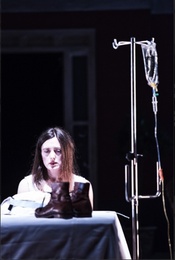
Chekhov's First Play
类型:
theater
编剧:
Anton Chekhov
/
Bush Moukarzel
…
其它标题:
Chekhov's First Play
导演:
Ben Kidd
/
Bush Moukarzel
挑战不可演的契诃夫
颠覆戏剧大师技惊各地
「引人入胜,面目全非地与契诃夫面对面」《金融时报》
1917年正值俄国革命,戏剧泰斗契诃夫的姊姊,把弟弟的一些剧本收在保险箱里。1921年,俄国学者发现一份契诃夫的手稿,因缺了第一页,这份剧本变成了没有剧名的一出戏。事实上,这个作品结构庞大,枝叶繁杂、角色及情节纠缠不清,像真实的人生一样,被公认为是契诃夫无法被搬上舞台的剧本。
正点剧团偏向难度挑战,拿起这部契诃夫的处女作,创作了得奖作品《契诃夫处女作》。契诃夫恒常探讨的生死、无聊、抑郁、失败的婚姻和对改变的渴望等一系列主题,由演员在纷乱的舞台上,交织出一幕幕层次丰富的戏中戏,观众同时戴着耳机看戏,还听到别开生面的导演现场评述。观众眼看耳听,两个层次的重叠与冲突,反照众声喧哗的当代社会景况。
自2015年首演以来,《契诃夫处女作》已于11个国家的艺术节及剧院上演,好评不绝。
颠覆戏剧大师技惊各地
「引人入胜,面目全非地与契诃夫面对面」《金融时报》
1917年正值俄国革命,戏剧泰斗契诃夫的姊姊,把弟弟的一些剧本收在保险箱里。1921年,俄国学者发现一份契诃夫的手稿,因缺了第一页,这份剧本变成了没有剧名的一出戏。事实上,这个作品结构庞大,枝叶繁杂、角色及情节纠缠不清,像真实的人生一样,被公认为是契诃夫无法被搬上舞台的剧本。
正点剧团偏向难度挑战,拿起这部契诃夫的处女作,创作了得奖作品《契诃夫处女作》。契诃夫恒常探讨的生死、无聊、抑郁、失败的婚姻和对改变的渴望等一系列主题,由演员在纷乱的舞台上,交织出一幕幕层次丰富的戏中戏,观众同时戴着耳机看戏,还听到别开生面的导演现场评述。观众眼看耳听,两个层次的重叠与冲突,反照众声喧哗的当代社会景况。
自2015年首演以来,《契诃夫处女作》已于11个国家的艺术节及剧院上演,好评不绝。
Brace Up! [演出] 豆瓣
类型:
theater
编剧:
Anton Chekhov
/
Paul Schmidt
剧团:
The Wooster Group
导演:
Elizabeth LeCompte
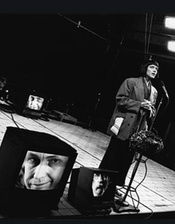
The Wooster Group’s production of Anton Chekhov’s Three Sisters, translated by Paul Schmidt and directed by Elizabeth LeCompte, with performances from Kate Valk, Peyton Smith, Scott Shepherd, Ari Fliakos, Anna Kohler, Beatrice Roth, Ron Vawter, and Willem Dafoe. This presentation of the 2003 production of BRACE UP!, designed by Ken Kobland and LeCompte, incorporates close-up recordings of the performers simultaneously with continuous wide-angle footage.
Review by Ben Brantley on the New York Times:
What if They Went to Moscow? [演出] 豆瓣
类型:
theater
编剧:
Christiane Jatahy
/
Anton Chekhov
导演:
Christiane Jatahy
”What With They Went to Moscow?” is the continuity of the research on the relation between theater and cinema on the scene, and of the transposition of the classics to the contemporary reality. The adaptation brings the protagonism of the play to focus on the characters of “The Three Sisters”. The basis of dramaturgy is the text of Anton Tchekhov “The Three Sisters” and the utopia they create about this “other place” called Moscow.
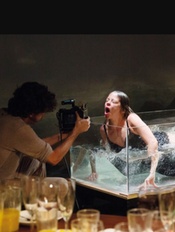
It is the mirror game between theater and cinema. Happening simultaneously in two distinct spaces, the cinematographic images are captured in the theater by three cameras that are integrated to the scene. The film is assembled live and sent to another space, a movie theater, the instant the audio is being mixed. Theater and cinema are happening in the present time, but seen in different spaces and viewpoints.
The challenge is to build two works that exist fully in their territories, but which complement each other when viewed by the same viewer as a unique work. The presence of the cameras needs to be absorbed by the dramaturgy of the scene, since the video projection happen in another environment.
Each camera is related to one of the sisters. Irina, the youngest, has a camera she herself uses, which is more documentary. Olga, the most static, has a camera that is only moved on the tripod and has the function of revealing the house – the architecture of the space and the most open frames – and Macha lovingly relates to her camera. In the theater, Macha’s relationship is with the cameraman, who looks through the viewer, so that in the cinema her look can be directed directly to the camera / lover. In this way, the look of this character, and his desire, is for what it is – for the public, for the cinema. The audience of the theater also has two layers of performance – real and fictional – as the actresses. The viewers are themselves and also the party guests – and sometimes movie extras. The technicians are also integrated into the action, and move the set / stage, the tripods and cables in the theater, being characters from the movie and from Irina’s party. Everything in the theater is apparent and in the service of the scene to realize the film, that has no pre-filmed image.
Premiered at Espaço Sesc Copacabana (Rio de Janeiro, march 2014) and at Sesc Belenzinho (São Paulo, july 2014). Won the awards Shell 2015 for best direction and best actress (Stella Rabello), APTR 2015 Award for best direction, Questão de crítica – best direction 2015, Questão de crítica – best show 2015.
It is the mirror game between theater and cinema. Happening simultaneously in two distinct spaces, the cinematographic images are captured in the theater by three cameras that are integrated to the scene. The film is assembled live and sent to another space, a movie theater, the instant the audio is being mixed. Theater and cinema are happening in the present time, but seen in different spaces and viewpoints.
The challenge is to build two works that exist fully in their territories, but which complement each other when viewed by the same viewer as a unique work. The presence of the cameras needs to be absorbed by the dramaturgy of the scene, since the video projection happen in another environment.
Each camera is related to one of the sisters. Irina, the youngest, has a camera she herself uses, which is more documentary. Olga, the most static, has a camera that is only moved on the tripod and has the function of revealing the house – the architecture of the space and the most open frames – and Macha lovingly relates to her camera. In the theater, Macha’s relationship is with the cameraman, who looks through the viewer, so that in the cinema her look can be directed directly to the camera / lover. In this way, the look of this character, and his desire, is for what it is – for the public, for the cinema. The audience of the theater also has two layers of performance – real and fictional – as the actresses. The viewers are themselves and also the party guests – and sometimes movie extras. The technicians are also integrated into the action, and move the set / stage, the tripods and cables in the theater, being characters from the movie and from Irina’s party. Everything in the theater is apparent and in the service of the scene to realize the film, that has no pre-filmed image.
Premiered at Espaço Sesc Copacabana (Rio de Janeiro, march 2014) and at Sesc Belenzinho (São Paulo, july 2014). Won the awards Shell 2015 for best direction and best actress (Stella Rabello), APTR 2015 Award for best direction, Questão de crítica – best direction 2015, Questão de crítica – best show 2015.
普拉多诺夫 [演出] 豆瓣
Platonov
类型:
theater
编剧:
Nikson Pitaqaj
/
David Hare
…
其它标题:
Platonov
/
SONS WITHOUT FATHERS
导演:
Nikson Pitaqaj
/
Jonathan Kent
演员:
Henri Vatin
/
Lina Cespedes
/
Yan Brailowsky
Une soirée, une bande d’amis réunis histoire de bavarder, de cancaner, de tromper l’ennui, de manger, de danser, de boire aussi bien sûr. La musique s’enraye. Le drame survient mais la fête continue. Une adaptation mouvementée aux accents balkaniques.
« Mes origines balkaniques guident ma sensibilité vers des personnages slaves, écorchés vifs qui ont une fureur de vivre, à tout prix, et tout le temps »
樱桃园 2016年百老汇版 [演出] 豆瓣
所属 演出: 樱桃园19世纪末20世纪初,俄国资本主义迅速发展,贵族庄园逐渐崩溃。
天蒙蒙亮,柳苞芙带着她的小女儿还有仆人,从巴黎回到了俄罗斯。柳苞芙的樱桃园即将被拍卖抵债,她必须回来看看,想想办法,如何保住她心爱的庄园。
虽然樱桃园拍卖在即,但庄园里的人还是整天悠闲自在地消磨时光,他们更多的在幻想而非身体力行。庄园早已资不抵债,却要给一张书柜开个纪念晚会,柳苞芙早已囊中羞涩,却要在乞丐面前装阔气,女仆幻想着自己是位小姐,白发的先生依然把自己当成一名在校大学生……
远处传来空空的砍树声、天边外神秘的弦裂声,在众人的幻想中,樱桃园被拍卖了,而它的新主人竟然是……
樱桃园 The Cherry Orchard版 [演出] 豆瓣
所属 演出: 樱桃园
语言:
俄语/英文字幕
剧团:
Moscow Pushkin Drama Theatre
剧院:
Barbican
导演:
Vladimir Mirzoev
19世纪末20世纪初,俄国资本主义迅速发展,贵族庄园逐渐崩溃。
天蒙蒙亮,柳苞芙带着她的小女儿还有仆人,从巴黎回到了俄罗斯。柳苞芙的樱桃园即将被拍卖抵债,她必须回来看看,想想办法,如何保住她心爱的庄园。
虽然樱桃园拍卖在即,但庄园里的人还是整天悠闲自在地消磨时光,他们更多的在幻想而非身体力行。庄园早已资不抵债,却要给一张书柜开个纪念晚会,柳苞芙早已囊中羞涩,却要在乞丐面前装阔气,女仆幻想着自己是位小姐,白发的先生依然把自己当成一名在校大学生……
远处传来空空的砍树声、天边外神秘的弦裂声,在众人的幻想中,樱桃园被拍卖了,而它的新主人竟然是……
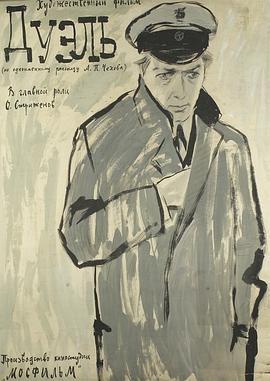
决斗 [演出] 豆瓣
Дуэль
类型:
theater
编剧:
Anton Chekhov
/
Anton Yakovlev
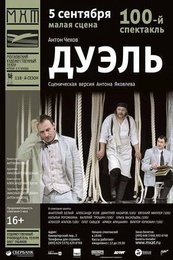
Anton Yakovlev: «They are random people, join only by time and space. All of them are far from home now. On the Caucasus. Anybody from them does not know about each other a naked truth. Almost everybody in a conflict condition. Someone tries to live simply. Someone searches for sense in the existence. Constant duel with oneself or whether with each other … Can unite them something, or everyone should find their own way?…»
帷幕的另一侧 [演出] 豆瓣
По ту сторону занавеса
类型:
theater
编剧:
Anton Chekhov
其它标题:
По ту сторону занавеса
/
On the Other Side of the Curtain / 三姐妹
剧团:
亚历山德琳娜剧院
剧院:
亚历山德琳娜剧院
导演:
Andriy Zholdak
Distant future, the year AD 4015, Earth calendar. As a result of a reincarnation experiment, three sisters – Masha, Irina and Olga, deceased in 1900, find a new life in the new world.
They have the classic Anton Chekhov’s play The Three Sisters uploaded into their newly reincarnated brains.
Different kinds of sound, noise and consonance, snatches of phrases they used to utter long ago give the three sisters visions of the past, while simultaneously enabling them to start a new life. Yet their half-forgotten words are filled with the same old hopes and yearnings, and it makes no difference whether the destination of the 41st century heroines is the far away space station called Moscow or the actual ancient capital of the Russian Empire. Is there no way to bypass the programme and to change your destiny?
It is the aim of the experiment to answer this question.
Actors are givers, who ignite a sparkle and keep the fire going in hopes for a better living. They tell the world how to live a better life. The first ever actor was Prometheus, who had challenged the Gods and stolen the light from their feast. He took it for humanity and gave it to us. You are chosen and marked, you are special, you are oracles and preachers. You are not made from plastic, you have red living blood coursing through your veins, which gives you the firsthand instincts of life. How can I remind you that you are kind and generous, or that your hearts start racing and hurting at the smallest instant of ugliness and injustice? You are the guardians of people’s inner beauty, you are the prophets. You have ideal principles stored and hidden inside you and your desires are strong. You are in the middle of the fight for good and evil, between the purity and the dirt. Much, very much today depends entirely on you.
They have the classic Anton Chekhov’s play The Three Sisters uploaded into their newly reincarnated brains.
Different kinds of sound, noise and consonance, snatches of phrases they used to utter long ago give the three sisters visions of the past, while simultaneously enabling them to start a new life. Yet their half-forgotten words are filled with the same old hopes and yearnings, and it makes no difference whether the destination of the 41st century heroines is the far away space station called Moscow or the actual ancient capital of the Russian Empire. Is there no way to bypass the programme and to change your destiny?
It is the aim of the experiment to answer this question.
Actors are givers, who ignite a sparkle and keep the fire going in hopes for a better living. They tell the world how to live a better life. The first ever actor was Prometheus, who had challenged the Gods and stolen the light from their feast. He took it for humanity and gave it to us. You are chosen and marked, you are special, you are oracles and preachers. You are not made from plastic, you have red living blood coursing through your veins, which gives you the firsthand instincts of life. How can I remind you that you are kind and generous, or that your hearts start racing and hurting at the smallest instant of ugliness and injustice? You are the guardians of people’s inner beauty, you are the prophets. You have ideal principles stored and hidden inside you and your desires are strong. You are in the middle of the fight for good and evil, between the purity and the dirt. Much, very much today depends entirely on you.
海鸥 [演出] 豆瓣
Чайка
其它标题:
Чайка
/
The Seagull
剧院:
Satirikon Arkady Raikin Russian State Theatre
导演:
Yury Butusov
演员:
Polina Raikina
/
Timofey Tribuntcev
/
Vladimir Bolshov
/
Agrippina Steklova
/
Anton Kuznetcov
…
“那时,她才亲自了解了生活的悲剧,人生的悲剧,一个必须尝过悲剧之后才能懂得悲剧的悲剧……”
被契诃夫自己称之为喜剧的《海鸥》,讲述了一个平凡家庭的乡下庄园生活中,几对错位的爱情。作为契诃夫的首部四幕剧,它成为契诃夫戏剧革新与个人艺术成熟的标志。此版复排由莫斯科萨蒂里孔剧院出品,导演尤里•巴图索夫用颇具现代感的阐释,摘得金面具奖最佳导演奖。
海鸥 [演出] 豆瓣
The Seagull
类型:
theater
编剧:
Anton Chekhov
/
Антон Чехов
…
其它标题:
The Seagull
导演:
Marshall W. Mason
/
Mike Nichols
…
演员:
Tyne Daly
/
Ethan Hawke
/
Jon Voight
/
Laura Linney
/
Meryl Streep
Through both comedy and tragedy, "Seagull" explores lives that are precariously balanced between love and indifference, success and failure, hope and despair. The first of what are considered to be Chekhov's four great plays, it sets the scene for the playwright's unmistakable mix of melancholia and laughter combined with a unique understanding of the daily torment of an unfulfilled.
万尼亚舅舅 [演出] 豆瓣
Дядя Ваня
其它标题:
Дядя Ваня
/
Uncle Vanya
导演:
Tamás Ascher
/
Lindsay Posner
…
演员:
Jesse Tyler Ferguson
/
Cate Blanchett
/
Hugo Weaving
/
Hayley McElhinney
/
Ken Stott
俄国契诃夫作于1897年。乡绅万尼亚二十五年中放弃个人幸福,与外甥女索尼雅辛勤经营庄园,供养妹夫谢列布利雅可夫教授。但他终于发现妹夫只是个华而不实的庸才,他于激怒中枪击妹夫,幸未击中。最后在友人劝解下不得不与妹夫言归于好。(from 百度百科)
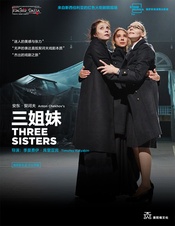
三姐妹 [演出] 豆瓣
Three Sisters
类型:
theater
编剧:
Anton Chekhov
/
契诃夫
…
其它标题:
Three Sisters
导演:
William Ball
/
Trevor Nunn
…
演员:
Jay Doyle
/
George Ede
/
Harry Frazier
/
Carol Mayo Jenkins
/
Philip Kerr
Act I
Act one begins with Olga (the eldest of the sisters) working as a teacher in a school, but at the end of the play she is made Headmistress, a promotion she had no interest in. Masha, the middle sister and the artist of the family (she was trained as a concert pianist), is married to Feodor Ilyich Kulygin, a schoolteacher. At the time of their marriage, Masha, younger than he, was enchanted by what she took to be wisdom, but seven years later, she sees through his pedantry and his clownish attempts to compensate for the emptiness between them. Irina, the youngest sister, is still full of expectation. She speaks of her dream of going to Moscow and meeting her true love. It was in Moscow that the sisters grew up, and they all long to return to the sophistication and happiness of that time. Andrei is the only boy in the family and the sisters idolize him. He is in love with Natalia Ivanovna (Natasha), who is somewhat common in relation to the sisters and suffers under their glance. The play begins on the first anniversary of their father's death, but it is also Irina's name-day, and everyone, including the soldiers (led by the gallant Vershinin) bringing with them a sense of noble idealism, comes together to celebrate it. At the very close of the act, Andrei exultantly confesses his feelings to Natasha in private and asks her to marry him.
Act II
Act two begins about 21 months later with Andrei and Natasha married with their first child (offstage), a baby boy named Bóbik. Natasha is having an affair with Protopopov, Andrei's superior, a character who is mentioned but never seen onstage. Masha comes home flushed from a night out, and it is clear that she and her companion, Lieutenant-Colonel Vershinin, are giddy with the secret of their mutual love for one another. Little seems to happen but that Natasha manipulatively quashes the plans for a party in the home, but the resultant quiet suggests that all gaiety is being quashed as well. The play turns on such subtle, lifelike touches. Tuzenbach and Solyony declare their love for Irina.
Act III
Act three takes place about a year later in Olga and Irina's room (a clear sign that Natasha is taking over the household as she asked them to share rooms so that her child could have a different room). There has been a fire in the town, and, in the crisis, people are passing in and out of the room, carrying blankets and clothes to give aid. Olga, Masha and Irina are angry with their brother, Andrei, for mortgaging their home, keeping the money to pay off his gambling debts and conceding all his power to his wife. However, when faced with Natasha's cruelty to their aged family servant Anfisa, Olga's own best efforts to stand up to Natasha come to naught. Masha, alone with her sisters, confides in them her romance with Vershinin ("I love, love, love that man."). At one point, Kulygin (her husband) blunders into the room, doting ever more foolishly on her, and she stalks out. Irina despairs at the common turn her life has taken, the life of a schoolteacher, even as she rails at the folly of her aspirations and her education ("I can't remember the Italian for 'window'.") Out of her resignation, supported in this by Olga's realistic outlook, Irina decides to accept Tuzenbach's offer of marriage even though she does not love him. Chebutykin drunkenly stumbles on and smashes a clock belonging to the sister's and Andrei's mother, whom he loved. Andrei gives vent to his self-hatred, acknowledges his own awareness of life's folly and his disappointment in Natasha's character, and begs his sisters' forgiveness for everything.
Act IV
In the fourth and final act, outdoors behind the home, the soldiers, who by now are friends of the family, are preparing to leave the area. A flash-photograph is taken. There is an undercurrent of tension because Solyony has challenged the Baron (Tuzenbach) to a duel, but Tuzenbach is intent on hiding it from Irina. He and Irina share a heartbreaking delicate scene in which she confesses that she cannot love him, likening her heart to a piano whose key has been lost. Just as the soldiers are leaving, a shot is heard, and Tuzenbach's death in the duel is announced shortly before the end of the play. Masha has to be pulled, sobbing, from Vershinin's arms, but her husband willingly, compassionately and all too generously accepts her back, no questions asked. Olga has reluctantly accepted the position of permanent headmistress of the school where she teaches and is moving out. She is taking Anfisa with her, thus rescuing the elderly woman from more of Natasha's blunt cruelties. Irina's fate is uncertain but, even in her grief at Tuzenbach's death, she wants to persevere in her work as a teacher. Natasha remains as the chatelaine, in charge and in control—of everything. ("What is this fork doing here?" Natasha hollers.). Andrei is stuck in his marriage with two children, the only people that Natasha truly dotes on. As the play closes, the three sisters stand in a desperate embrace, gazing off as the soldiers depart to the sound of a band's gay march. As Chebutykin sings "Ta-ra-ra-boom-di-ay" to himself, Olga's final lines call out for an end to the confusion all three feel at life's sufferings and joy: "If we only knew… If we only knew."
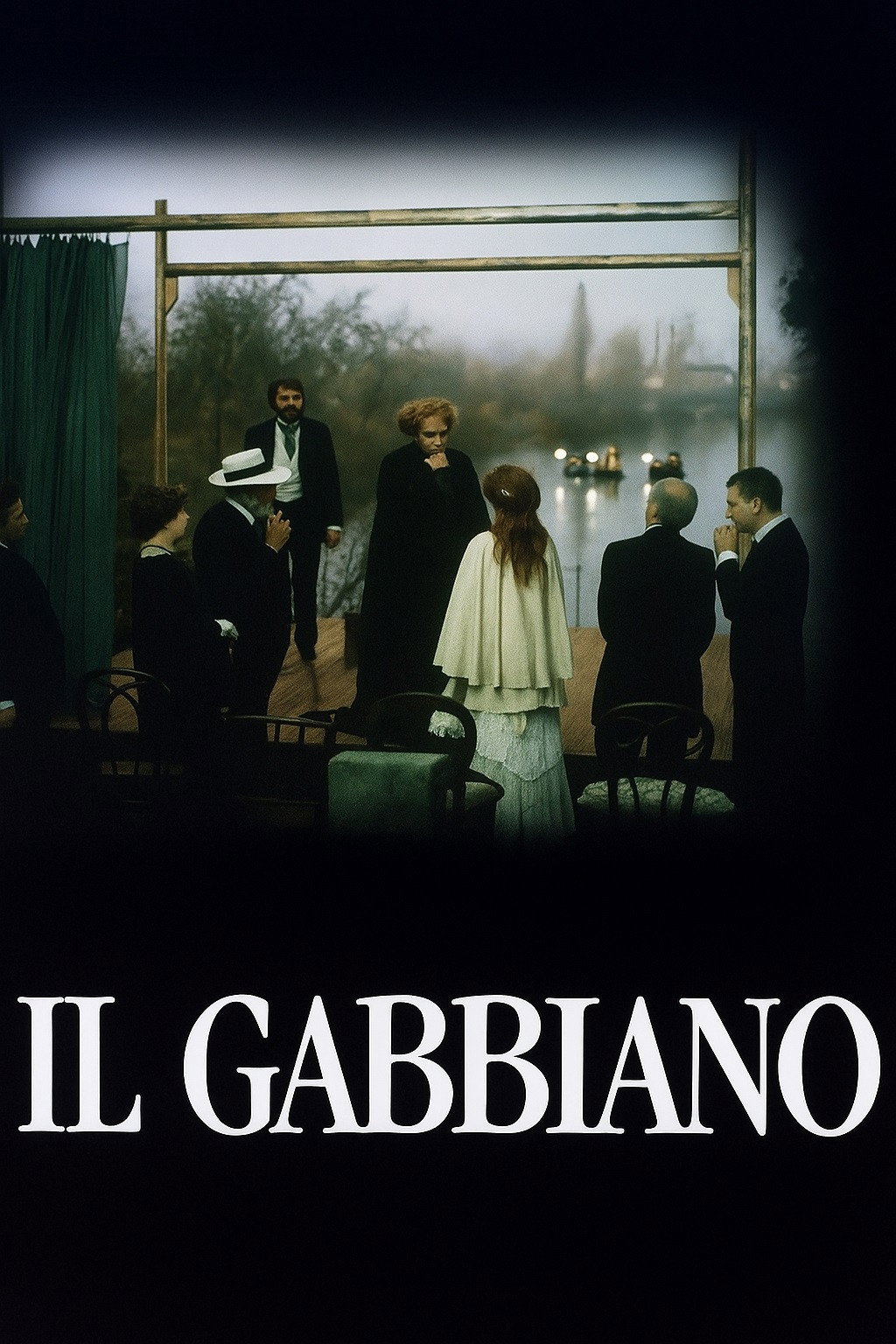
Act one begins with Olga (the eldest of the sisters) working as a teacher in a school, but at the end of the play she is made Headmistress, a promotion she had no interest in. Masha, the middle sister and the artist of the family (she was trained as a concert pianist), is married to Feodor Ilyich Kulygin, a schoolteacher. At the time of their marriage, Masha, younger than he, was enchanted by what she took to be wisdom, but seven years later, she sees through his pedantry and his clownish attempts to compensate for the emptiness between them. Irina, the youngest sister, is still full of expectation. She speaks of her dream of going to Moscow and meeting her true love. It was in Moscow that the sisters grew up, and they all long to return to the sophistication and happiness of that time. Andrei is the only boy in the family and the sisters idolize him. He is in love with Natalia Ivanovna (Natasha), who is somewhat common in relation to the sisters and suffers under their glance. The play begins on the first anniversary of their father's death, but it is also Irina's name-day, and everyone, including the soldiers (led by the gallant Vershinin) bringing with them a sense of noble idealism, comes together to celebrate it. At the very close of the act, Andrei exultantly confesses his feelings to Natasha in private and asks her to marry him.
Act II
Act two begins about 21 months later with Andrei and Natasha married with their first child (offstage), a baby boy named Bóbik. Natasha is having an affair with Protopopov, Andrei's superior, a character who is mentioned but never seen onstage. Masha comes home flushed from a night out, and it is clear that she and her companion, Lieutenant-Colonel Vershinin, are giddy with the secret of their mutual love for one another. Little seems to happen but that Natasha manipulatively quashes the plans for a party in the home, but the resultant quiet suggests that all gaiety is being quashed as well. The play turns on such subtle, lifelike touches. Tuzenbach and Solyony declare their love for Irina.
Act III
Act three takes place about a year later in Olga and Irina's room (a clear sign that Natasha is taking over the household as she asked them to share rooms so that her child could have a different room). There has been a fire in the town, and, in the crisis, people are passing in and out of the room, carrying blankets and clothes to give aid. Olga, Masha and Irina are angry with their brother, Andrei, for mortgaging their home, keeping the money to pay off his gambling debts and conceding all his power to his wife. However, when faced with Natasha's cruelty to their aged family servant Anfisa, Olga's own best efforts to stand up to Natasha come to naught. Masha, alone with her sisters, confides in them her romance with Vershinin ("I love, love, love that man."). At one point, Kulygin (her husband) blunders into the room, doting ever more foolishly on her, and she stalks out. Irina despairs at the common turn her life has taken, the life of a schoolteacher, even as she rails at the folly of her aspirations and her education ("I can't remember the Italian for 'window'.") Out of her resignation, supported in this by Olga's realistic outlook, Irina decides to accept Tuzenbach's offer of marriage even though she does not love him. Chebutykin drunkenly stumbles on and smashes a clock belonging to the sister's and Andrei's mother, whom he loved. Andrei gives vent to his self-hatred, acknowledges his own awareness of life's folly and his disappointment in Natasha's character, and begs his sisters' forgiveness for everything.
Act IV
In the fourth and final act, outdoors behind the home, the soldiers, who by now are friends of the family, are preparing to leave the area. A flash-photograph is taken. There is an undercurrent of tension because Solyony has challenged the Baron (Tuzenbach) to a duel, but Tuzenbach is intent on hiding it from Irina. He and Irina share a heartbreaking delicate scene in which she confesses that she cannot love him, likening her heart to a piano whose key has been lost. Just as the soldiers are leaving, a shot is heard, and Tuzenbach's death in the duel is announced shortly before the end of the play. Masha has to be pulled, sobbing, from Vershinin's arms, but her husband willingly, compassionately and all too generously accepts her back, no questions asked. Olga has reluctantly accepted the position of permanent headmistress of the school where she teaches and is moving out. She is taking Anfisa with her, thus rescuing the elderly woman from more of Natasha's blunt cruelties. Irina's fate is uncertain but, even in her grief at Tuzenbach's death, she wants to persevere in her work as a teacher. Natasha remains as the chatelaine, in charge and in control—of everything. ("What is this fork doing here?" Natasha hollers.). Andrei is stuck in his marriage with two children, the only people that Natasha truly dotes on. As the play closes, the three sisters stand in a desperate embrace, gazing off as the soldiers depart to the sound of a band's gay march. As Chebutykin sings "Ta-ra-ra-boom-di-ay" to himself, Olga's final lines call out for an end to the confusion all three feel at life's sufferings and joy: "If we only knew… If we only knew."

伊凡诺夫 [演出] 豆瓣
类型:
theater
编剧:
契诃夫
/
Anton Chekhov
…
导演:
林兆华
/
濮存昕
…
演员:
濮存昕
/
高亚麟
/
Emma Amos
/
Jonathan Coy
/
Mark Donald
19 世纪 80 年代,在俄国中部的一个县城,庄园主伊凡诺夫正过着潦倒的生活,他已经无力支付庄园里工人们的工资 , 还欠了列别杰夫家一大笔债 , 家里全靠油腔滑调的管家包尔金来支撑 , 但是伊凡诺夫极其厌恶包尔金投机取巧的为人和做事方式 。 更糟糕的是 , 伊凡诺夫的妻子安娜已经病入膏肓 , 伊凡诺夫没有钱把妻子送到外地去进行更好的治疗 。 消极沮丧的伊凡诺夫对生活充满了质疑和苦闷 , 他从对社会和生活的冲动走向厌倦 , 又由厌倦走向颓唐和沉沦 。 理想的幻灭 、 生活信念和信仰的丧失 , 面对日渐荒芜的庄园和病榻上需要他安慰的妻子 , 伊凡诺夫所能做的却只有外出逃避 , 只留下潦倒年长的舅舅莎贝尔斯基陪伴妻子 。乡村医生列沃夫对伊凡诺夫的做法感到十分厌恶,认为他是一个道德败坏的人。伊凡诺夫不得不到列别杰夫家去请求到期的债务宽限几日 , 恰逢列别杰夫家的女儿莎霞过生日 , 家中宾客满座 , 列别杰夫的妻子齐娜是出了名的吝啬鬼 , 客人们都怨声载道 。 莎霞对伊凡诺夫爱慕已久,终于找到机会向伊凡诺夫表白,而此景此景被随后赶到的安娜看到 。安娜当场晕倒 , 伊凡诺夫再也不敢到列别杰夫家去 , 列别杰夫奉妻子之命上门讨债 , 而莎霞也偷偷跑来向伊凡诺夫诉说相思之苦。
安娜过世之后,伊凡诺夫向莎霞求婚,大家都认为伊凡诺夫想借此躲避欠下的债务 。 列沃夫愤慨之极 , 决定要在他们的婚礼上揭开伊凡诺夫伪君子的真面目 。 而在婚礼之前 , 莎霞对自己选择的爱人开始感到困惑和烦恼 , 忍不住向父亲倾诉一番 。 而伊凡诺夫则在婚礼之前向莎霞和列别杰夫提出解除婚约的要求 , 因为他无法忍受内心强烈的自责与折磨 , 莎霞却执意要举行婚礼。在婚礼上,列沃夫大声斥责伊凡诺夫是 “ 无耻之徒 ” ,众目睽睽之下,伊凡诺夫举枪结束了自己的生命。
《伊凡诺夫》(1888)是契诃夫的第一部戏剧力作,讲述俄罗斯知识分子的代表——伊凡诺夫的自省和纠结的矛盾人生。主人公伊凡诺夫遭遇破产,他深爱着妻子安娜,同时一个年轻可爱的姑娘萨莎同样深爱着他,他有过金钱,有过土地,有过收入,他拥有过一切,却失去了生活的目标和意义,最终选择了离开人世......
契诃夫与《伊凡诺夫》 契诃夫与《伊凡诺夫》 契诃夫与《伊凡诺夫》 契诃夫与《伊凡诺夫》契诃夫是俄国小说家 、 戏剧家 、 十九世纪末期俄国批判现实主义作家 、 短篇小说艺术大师 。 他和法国的莫泊桑 , 美国的欧 · 亨利一起被为三大短篇小说巨匠 。 高尔基曾经说过 : “ 这是一个独特的巨大天才,是那些在文学史上和在社会情绪中构成时代的作家中的一个 。 ” 列夫 · 托尔斯泰也给契诃夫极高的评价 , 称他是 “ 无与伦比的艺术家 ” 。 契诃夫也是鲁迅 、 巴金 、
茅盾等中国文学大家所推崇的文学家 。 契诃夫的小说与戏剧创作在中国具有长久的艺术生命力。曾有统计表明,直至 1987 年,契诃夫作品在中国的出版数量仅次于托尔斯泰。至今 ,契诃夫名篇《变色龙 》 、 《套中人》等仍然入选中学语文课本,成为中学生必读课文。《伊凡诺夫 》 写于 1887 至 1889 年间 , 是契诃夫正式发表的第一个剧本 。 在莫斯科艺术剧院上演的契诃夫戏剧中 , 《伊凡诺夫》是最后一部被搬上舞台的作品,而且是在契诃夫去世以后,在丹钦柯的主持下演出的,以纪念这位伟大的剧作家的早逝。
安娜过世之后,伊凡诺夫向莎霞求婚,大家都认为伊凡诺夫想借此躲避欠下的债务 。 列沃夫愤慨之极 , 决定要在他们的婚礼上揭开伊凡诺夫伪君子的真面目 。 而在婚礼之前 , 莎霞对自己选择的爱人开始感到困惑和烦恼 , 忍不住向父亲倾诉一番 。 而伊凡诺夫则在婚礼之前向莎霞和列别杰夫提出解除婚约的要求 , 因为他无法忍受内心强烈的自责与折磨 , 莎霞却执意要举行婚礼。在婚礼上,列沃夫大声斥责伊凡诺夫是 “ 无耻之徒 ” ,众目睽睽之下,伊凡诺夫举枪结束了自己的生命。
《伊凡诺夫》(1888)是契诃夫的第一部戏剧力作,讲述俄罗斯知识分子的代表——伊凡诺夫的自省和纠结的矛盾人生。主人公伊凡诺夫遭遇破产,他深爱着妻子安娜,同时一个年轻可爱的姑娘萨莎同样深爱着他,他有过金钱,有过土地,有过收入,他拥有过一切,却失去了生活的目标和意义,最终选择了离开人世......
契诃夫与《伊凡诺夫》 契诃夫与《伊凡诺夫》 契诃夫与《伊凡诺夫》 契诃夫与《伊凡诺夫》契诃夫是俄国小说家 、 戏剧家 、 十九世纪末期俄国批判现实主义作家 、 短篇小说艺术大师 。 他和法国的莫泊桑 , 美国的欧 · 亨利一起被为三大短篇小说巨匠 。 高尔基曾经说过 : “ 这是一个独特的巨大天才,是那些在文学史上和在社会情绪中构成时代的作家中的一个 。 ” 列夫 · 托尔斯泰也给契诃夫极高的评价 , 称他是 “ 无与伦比的艺术家 ” 。 契诃夫也是鲁迅 、 巴金 、
茅盾等中国文学大家所推崇的文学家 。 契诃夫的小说与戏剧创作在中国具有长久的艺术生命力。曾有统计表明,直至 1987 年,契诃夫作品在中国的出版数量仅次于托尔斯泰。至今 ,契诃夫名篇《变色龙 》 、 《套中人》等仍然入选中学语文课本,成为中学生必读课文。《伊凡诺夫 》 写于 1887 至 1889 年间 , 是契诃夫正式发表的第一个剧本 。 在莫斯科艺术剧院上演的契诃夫戏剧中 , 《伊凡诺夫》是最后一部被搬上舞台的作品,而且是在契诃夫去世以后,在丹钦柯的主持下演出的,以纪念这位伟大的剧作家的早逝。
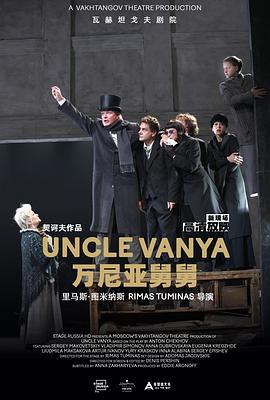
万尼亚舅舅 (2018) [电影] 豆瓣
Дядя Ваня
其它标题:
Дядя Ваня
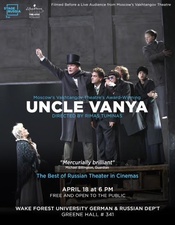
作为契诃夫的代表剧作,《万尼亚舅舅》独特的戏剧张力内化于乡间庄园的生活图景中。日常枯燥琐碎的潜流下,一家人各自怨恨、相互折磨,不堪重负的万尼亚两次举枪谋杀未遂后,不得不重回循环往复的生活深渊中。
立陶宛导演里马斯·图米纳斯2007年就任俄罗斯瓦赫坦戈夫剧院艺术总监后执导的这版《万尼亚舅舅》获得当年俄罗斯戏剧最高奖项——金面具奖,也奠定了图米纳斯在俄罗斯戏剧界不可撼动的地位。返璞归真的家饰设计重构了原作中的写意空间,风格化的表演一步步剥离出生活的真相,整体呈现十分契合契诃夫作品中克制、内敛的情感倾向。正是这种图米纳斯式的“幻想现实主义”,让契诃夫超越时代的先锋思考在当下落地。
Minor Character [演出] 豆瓣
类型:
theater
编剧:
New Saloon
/
Anton Chekhov
导演:
Yury Urnov
We are pleased to welcome back audiences with Minor Character: Six Translations of Uncle Vanya at the Same Time, a joyful and music-filled comedic kaleidoscope. A band of actors come together to perform a warm-hearted yet bittersweet look at love, longing, and the limitations of language, from the flowery 1916 version to Google Translate's profoundly nonsensical rendition
What gets lost in translation?
Vanya feels like he’s wasted his life, and lost his chance at love. In this revolutionary new work, the classic character of Uncle Vanya gets reflected through the prisms of different translations and contrasting performers.
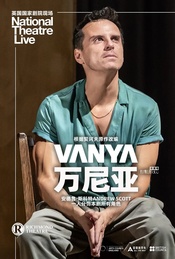
万尼亚 [演出] 豆瓣
Vanya
类型:
theater
编剧:
Anton Chekhov
/
Simon Stephens
凭借英剧《神探夏洛克》《伦敦生活》、话剧《哈姆雷特》《乐在当下》多次获得奥利弗奖、艾美奖、金球奖大奖及提名的英国演员安德鲁·斯科特(Andrew Scott)将再次挑战个人演艺生涯的又一高峰——一人分饰多角出演契诃夫名作的独角戏改编版《万尼亚》。无论是将原著中深沉阴险的莫里亚蒂演绎得狡黠而略带神经质,还是将禁欲的神父塑造得温柔又性感,安德鲁·斯科特尤善为人物赋予自己的思考和独特的气质,这次他将在万尼亚舅舅、索尼娅、教授、医生等九个角色间自如切换,期待值拉满!
《万尼亚》由凭借《深夜小狗离奇事件》获得奥利弗奖、托尼奖的西蒙·史蒂芬斯(Simon Stephens)操刀改编,在改编作品中,希望、梦想和遗憾都成为探索的焦点。导演萨姆·耶茨(Sam Yates)搭建出封闭的、生活化的舞台空间,让安德鲁·斯科特在其中塑造了众多栩栩如生的角色,带来一个被人类共通的情感包裹的夜晚。该剧在伦敦西区演出时场场爆满,备受好评,本次影像也摄于演出现场。
樱桃园 [演出] 豆瓣
The Cherry Orchard
类型:
theater
编剧:
Anton Chekhov
"The Cherry Orchard" a posthumous work of great playwright Anton Chekhov, has broken the tradition of classical framework and been reborn as a story of Korea in the present era. The play,produced by LG Arts Center, is gaining a lot of high expectationsdue to the first visit to Korea by Simon Stone, a world-renowned director who is actively working from the U.K, National Theater to Netflix, and the starring of Korean actors who will be rarely seentogether again on the same stage. Dare to say, please forget about the classics that have been repeated on the stage. lt is time to welcome a masterpiece that is born in the midst of a turbulent Korean society through this historic encounter across the world.