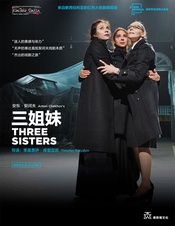
三姐妹 红火炬剧院手语版 [演出] 豆瓣
所属 演出: 三姐妹
语言:
手语
剧团:
Red Torch Theatre
剧院:
Red Torch Theatre
导演:
Timofey Kulyabin
其它标题:
红火炬剧院手语版
编剧:
Anton Chekhov
Act I
Act one begins with Olga (the eldest of the sisters) working as a teacher in a school, but at the end of the play she is made Headmistress, a promotion she had no interest in. Masha, the middle sister and the artist of the family (she was trained as a concert pianist), is married to Feodor Ilyich Kulygin, a schoolteacher. At the time of their marriage, Masha, younger than he, was enchanted by what she took to be wisdom, but seven years later, she sees through his pedantry and his clownish attempts to compensate for the emptiness between them. Irina, the youngest sister, is still full of expectation. She speaks of her dream of going to Moscow and meeting her true love. It was in Moscow that the sisters grew up, and they all long to return to the sophistication and happiness of that time. Andrei is the only boy in the family and the sisters idolize him. He is in love with Natalia Ivanovna (Natasha), who is somewhat common in relation to the sisters and suffers under their glance. The play begins on the first anniversary of their father's death, but it is also Irina's name-day, and everyone, including the soldiers (led by the gallant Vershinin) bringing with them a sense of noble idealism, comes together to celebrate it. At the very close of the act, Andrei exultantly confesses his feelings to Natasha in private and asks her to marry him.
Act II
Act two begins about 21 months later with Andrei and Natasha married with their first child (offstage), a baby boy named Bóbik. Natasha is having an affair with Protopopov, Andrei's superior, a character who is mentioned but never seen onstage. Masha comes home flushed from a night out, and it is clear that she and her companion, Lieutenant-Colonel Vershinin, are giddy with the secret of their mutual love for one another. Little seems to happen but that Natasha manipulatively quashes the plans for a party in the home, but the resultant quiet suggests that all gaiety is being quashed as well. The play turns on such subtle, lifelike touches. Tuzenbach and Solyony declare their love for Irina.
Act III
Act three takes place about a year later in Olga and Irina's room (a clear sign that Natasha is taking over the household as she asked them to share rooms so that her child could have a different room). There has been a fire in the town, and, in the crisis, people are passing in and out of the room, carrying blankets and clothes to give aid. Olga, Masha and Irina are angry with their brother, Andrei, for mortgaging their home, keeping the money to pay off his gambling debts and conceding all his power to his wife. However, when faced with Natasha's cruelty to their aged family servant Anfisa, Olga's own best efforts to stand up to Natasha come to naught. Masha, alone with her sisters, confides in them her romance with Vershinin ("I love, love, love that man."). At one point, Kulygin (her husband) blunders into the room, doting ever more foolishly on her, and she stalks out. Irina despairs at the common turn her life has taken, the life of a schoolteacher, even as she rails at the folly of her aspirations and her education ("I can't remember the Italian for 'window'.") Out of her resignation, supported in this by Olga's realistic outlook, Irina decides to accept Tuzenbach's offer of marriage even though she does not love him. Chebutykin drunkenly stumbles on and smashes a clock belonging to the sister's and Andrei's mother, whom he loved. Andrei gives vent to his self-hatred, acknowledges his own awareness of life's folly and his disappointment in Natasha's character, and begs his sisters' forgiveness for everything.
Act IV
In the fourth and final act, outdoors behind the home, the soldiers, who by now are friends of the family, are preparing to leave the area. A flash-photograph is taken. There is an undercurrent of tension because Solyony has challenged the Baron (Tuzenbach) to a duel, but Tuzenbach is intent on hiding it from Irina. He and Irina share a heartbreaking delicate scene in which she confesses that she cannot love him, likening her heart to a piano whose key has been lost. Just as the soldiers are leaving, a shot is heard, and Tuzenbach's death in the duel is announced shortly before the end of the play. Masha has to be pulled, sobbing, from Vershinin's arms, but her husband willingly, compassionately and all too generously accepts her back, no questions asked. Olga has reluctantly accepted the position of permanent headmistress of the school where she teaches and is moving out. She is taking Anfisa with her, thus rescuing the elderly woman from more of Natasha's blunt cruelties. Irina's fate is uncertain but, even in her grief at Tuzenbach's death, she wants to persevere in her work as a teacher. Natasha remains as the chatelaine, in charge and in control—of everything. ("What is this fork doing here?" Natasha hollers.). Andrei is stuck in his marriage with two children, the only people that Natasha truly dotes on. As the play closes, the three sisters stand in a desperate embrace, gazing off as the soldiers depart to the sound of a band's gay march. As Chebutykin sings "Ta-ra-ra-boom-di-ay" to himself, Olga's final lines call out for an end to the confusion all three feel at life's sufferings and joy: "If we only knew… If we only knew."
Act one begins with Olga (the eldest of the sisters) working as a teacher in a school, but at the end of the play she is made Headmistress, a promotion she had no interest in. Masha, the middle sister and the artist of the family (she was trained as a concert pianist), is married to Feodor Ilyich Kulygin, a schoolteacher. At the time of their marriage, Masha, younger than he, was enchanted by what she took to be wisdom, but seven years later, she sees through his pedantry and his clownish attempts to compensate for the emptiness between them. Irina, the youngest sister, is still full of expectation. She speaks of her dream of going to Moscow and meeting her true love. It was in Moscow that the sisters grew up, and they all long to return to the sophistication and happiness of that time. Andrei is the only boy in the family and the sisters idolize him. He is in love with Natalia Ivanovna (Natasha), who is somewhat common in relation to the sisters and suffers under their glance. The play begins on the first anniversary of their father's death, but it is also Irina's name-day, and everyone, including the soldiers (led by the gallant Vershinin) bringing with them a sense of noble idealism, comes together to celebrate it. At the very close of the act, Andrei exultantly confesses his feelings to Natasha in private and asks her to marry him.
Act II
Act two begins about 21 months later with Andrei and Natasha married with their first child (offstage), a baby boy named Bóbik. Natasha is having an affair with Protopopov, Andrei's superior, a character who is mentioned but never seen onstage. Masha comes home flushed from a night out, and it is clear that she and her companion, Lieutenant-Colonel Vershinin, are giddy with the secret of their mutual love for one another. Little seems to happen but that Natasha manipulatively quashes the plans for a party in the home, but the resultant quiet suggests that all gaiety is being quashed as well. The play turns on such subtle, lifelike touches. Tuzenbach and Solyony declare their love for Irina.
Act III
Act three takes place about a year later in Olga and Irina's room (a clear sign that Natasha is taking over the household as she asked them to share rooms so that her child could have a different room). There has been a fire in the town, and, in the crisis, people are passing in and out of the room, carrying blankets and clothes to give aid. Olga, Masha and Irina are angry with their brother, Andrei, for mortgaging their home, keeping the money to pay off his gambling debts and conceding all his power to his wife. However, when faced with Natasha's cruelty to their aged family servant Anfisa, Olga's own best efforts to stand up to Natasha come to naught. Masha, alone with her sisters, confides in them her romance with Vershinin ("I love, love, love that man."). At one point, Kulygin (her husband) blunders into the room, doting ever more foolishly on her, and she stalks out. Irina despairs at the common turn her life has taken, the life of a schoolteacher, even as she rails at the folly of her aspirations and her education ("I can't remember the Italian for 'window'.") Out of her resignation, supported in this by Olga's realistic outlook, Irina decides to accept Tuzenbach's offer of marriage even though she does not love him. Chebutykin drunkenly stumbles on and smashes a clock belonging to the sister's and Andrei's mother, whom he loved. Andrei gives vent to his self-hatred, acknowledges his own awareness of life's folly and his disappointment in Natasha's character, and begs his sisters' forgiveness for everything.
Act IV
In the fourth and final act, outdoors behind the home, the soldiers, who by now are friends of the family, are preparing to leave the area. A flash-photograph is taken. There is an undercurrent of tension because Solyony has challenged the Baron (Tuzenbach) to a duel, but Tuzenbach is intent on hiding it from Irina. He and Irina share a heartbreaking delicate scene in which she confesses that she cannot love him, likening her heart to a piano whose key has been lost. Just as the soldiers are leaving, a shot is heard, and Tuzenbach's death in the duel is announced shortly before the end of the play. Masha has to be pulled, sobbing, from Vershinin's arms, but her husband willingly, compassionately and all too generously accepts her back, no questions asked. Olga has reluctantly accepted the position of permanent headmistress of the school where she teaches and is moving out. She is taking Anfisa with her, thus rescuing the elderly woman from more of Natasha's blunt cruelties. Irina's fate is uncertain but, even in her grief at Tuzenbach's death, she wants to persevere in her work as a teacher. Natasha remains as the chatelaine, in charge and in control—of everything. ("What is this fork doing here?" Natasha hollers.). Andrei is stuck in his marriage with two children, the only people that Natasha truly dotes on. As the play closes, the three sisters stand in a desperate embrace, gazing off as the soldiers depart to the sound of a band's gay march. As Chebutykin sings "Ta-ra-ra-boom-di-ay" to himself, Olga's final lines call out for an end to the confusion all three feel at life's sufferings and joy: "If we only knew… If we only knew."