哲学
Gesamtausgabe. 4 Abteilungen / Überlegungen VII - XI 豆瓣
作者:
Martin Heidegger
出版社:
Klostermann, Vittorio
2014
- 3
The Ignorant Schoolmaster 豆瓣 Goodreads
作者:
Jacques Rancière
译者:
Kristin Ross
出版社:
Stanford University Press
1991
- 7
Review
'An extremely provocative, original, and engaging book, it raises questions of great relevance and urgency about the process of cultural selection and canonization.'Denis Hollier, Yale UniversityIgnorant Schoolmaster
In The Ignorant Schoolmaster, Rancière uses the historical figure of Joseph Jacotot as a way of discussing human nature, education, pedagogy, ignorance, intelligence, and emancipation. These ideas have profound implications on the nature of schooling and research, and the role that teachers and scholars play. Contents [hide]
1 Joseph Jacotot (1770-1840)
2 Explication
3 Emancipation
4 Ignorance
5 Intelligence
6 Will
7 Language
[edit]
Joseph Jacotot (1770-1840)
Jacotot was a French instructor who taught subjects as far-ranging as French, literature, mathematics, ideology and law (p. 1). He had a profound realization one time when he had to teach a group of Flemish students French. Since he didn’t know Flemish himself, he had the challenge of teaching these students French.
[edit]
Explication
The conventional view of the teacher’s (or master’s, as Rancière calls it), is to “explicate”. But Jacotot noticed that his Flemish students were able to learn French without any explication from him. He had given them a bilingual text of Télémaque; using that, his students were able to eventually under French grammar and spelling, using a text that was aimed for adults, and not “simplified” for school children. Jacotot (or maybe Rancière?) was inspired to ask: Were schoolmaster’s explications superfluous? (p. 4) Rancière believes that explication stultifies learning by short-circuiting the journey that the student is able to make. Teachers who rely on explication inadvertently creates a “veil of ignorance” (p. 6) what the student is expected to learn, thus creating a world of superior (i.e. the master, the explicator) and inferior (i.e. the student, the ignorant). But Rancière believes that all people are capable of learning without explication because they have all acquired their mother tongues without explication (p. 5, 10). They learn, imitate, and correct themselves, and universally, all children will grow up to understand their parents without every spent one day in school. Why do we presume this intelligence goes away?
[edit]
Emancipation
Rancière distinguishes between two human traits: intelligence and will. In Jacotot’s classroom, there are two wills (the students’ and Jacotot’s) and two intelligences (the students’ and the book’s). Students may need to follow the teacher’s will, who guides them towards the subject. But stultification occurs when the students’ intelligences are linked with the teacher’s, when they have to rely on the schoolmaster to explain what they have learned. The opposite of stultification is, therefore, emancipation. But who emancipates? Once again, conventionally, it is the scholar, the philosopher, the wise, the learned, the Teachers College doctoral student. But Rancière believes that the only way to emancipate is when an intelligence obeys only itself even if its will obeys another’s will (p. 13). In reality, universal teaching has existed since the beginning of the world, alongside all the explicative methods...Everyone has done this experiment a thousand times in life, and yet it has never occurred to someone to say to someone else: I’ve learned many things without explanations, I think that you can too... (p. 16)In Jacotot’s class, the students learned using their own methods, not his. And in the end, they learned French, and they have done so using the oldest method in the world: universal teaching.
[edit]
Ignorance
Rancière argues that the “Socratic Method” is a perfected form of stultification, where the role of the Master is to interrogate (demand speech) and verify that intelligence is done with attention (p. 29). Even if these pedagogies are aimed at “empowering” the student, it is still done so after the master has verified it. Thus, it is still the master’s method, not the student’s.
The ignorant schoolmaster does not verify what the student has found, only that the student has searched (p. 31). This means that anyone, including illiterate parents, can teach their children how to read and write. For example, they can question whether they pronounce the same word each time in the same way, or hide it under their hand and ask the student what is under it. This is true not only for re
[edit]
Intelligence
Most people become stultified because they believe in their inferiority (p. 39). And superior minds can only be superior if they can make everyone else inferior. Thus we never break out of that circle, not matter how generous our intentions may be. The word intelligence is often understood as a number, or variable, that describes different people’s capacities to comprehend complex ideas or solve logic problems. But Rancière believes that everyone has the same intelligence (p. 50). He argues that a statement like “Bob is smarter because he produces better work” is a tautological statement that explains nothing. It’s true that people will produce different types of work, but he doesn’t see this as the result of different intelligence, but as a result of not bringing sufficient attention to the work.
[edit]
Will
Intelligence has to do with attention while will has to do with the “power to be moved” (p. 54). Rancière argues that each of us represents a will that is served by an intelligence. We see, analyze, compare, reason, correct, reconsider, on an everyday basis. We do not always learn the same things because we do not pay the same amount of attention to the situation. Furthermore, he suggests that “[m]eaning is the work of the will” (p. 56). He calls “secret” of universal teaching, something that geniuses all know. All humans are capable of anything they want.
[edit]
Language
Jacotot/Rancière believed that truth cannot be told. When it is expressed in language it becomes fragmented (p. 60). Hence, he goes into the arbitrariness of language to suggest that there is no language that is superior than others because they are equally arbitrary. Intelligence does not have a language. As Jacotot argued, we are not intelligent because we speak; we are intelligent because we exist. But this is not a problem. It is precisely because all languages are arbitrary that we employ all we have access to (including but not limited to language) in expressing truth. (p. 62) Rancière calls our expression through language as a form of art, like improvisation. He calls “telling the story” and “figuring things out” the two master operations of intelligence (p. 64). He believes that the artist is the exact opposite of the professor. He argues: “Each one of us is an artist to the extent that he carries out a double process; he is not content to be a mere journeyman but wants to make all work a means of expression, and he is not content to feel something but tries to impart it to others” (p. 70).
'An extremely provocative, original, and engaging book, it raises questions of great relevance and urgency about the process of cultural selection and canonization.'Denis Hollier, Yale UniversityIgnorant Schoolmaster
In The Ignorant Schoolmaster, Rancière uses the historical figure of Joseph Jacotot as a way of discussing human nature, education, pedagogy, ignorance, intelligence, and emancipation. These ideas have profound implications on the nature of schooling and research, and the role that teachers and scholars play. Contents [hide]
1 Joseph Jacotot (1770-1840)
2 Explication
3 Emancipation
4 Ignorance
5 Intelligence
6 Will
7 Language
[edit]
Joseph Jacotot (1770-1840)
Jacotot was a French instructor who taught subjects as far-ranging as French, literature, mathematics, ideology and law (p. 1). He had a profound realization one time when he had to teach a group of Flemish students French. Since he didn’t know Flemish himself, he had the challenge of teaching these students French.
[edit]
Explication
The conventional view of the teacher’s (or master’s, as Rancière calls it), is to “explicate”. But Jacotot noticed that his Flemish students were able to learn French without any explication from him. He had given them a bilingual text of Télémaque; using that, his students were able to eventually under French grammar and spelling, using a text that was aimed for adults, and not “simplified” for school children. Jacotot (or maybe Rancière?) was inspired to ask: Were schoolmaster’s explications superfluous? (p. 4) Rancière believes that explication stultifies learning by short-circuiting the journey that the student is able to make. Teachers who rely on explication inadvertently creates a “veil of ignorance” (p. 6) what the student is expected to learn, thus creating a world of superior (i.e. the master, the explicator) and inferior (i.e. the student, the ignorant). But Rancière believes that all people are capable of learning without explication because they have all acquired their mother tongues without explication (p. 5, 10). They learn, imitate, and correct themselves, and universally, all children will grow up to understand their parents without every spent one day in school. Why do we presume this intelligence goes away?
[edit]
Emancipation
Rancière distinguishes between two human traits: intelligence and will. In Jacotot’s classroom, there are two wills (the students’ and Jacotot’s) and two intelligences (the students’ and the book’s). Students may need to follow the teacher’s will, who guides them towards the subject. But stultification occurs when the students’ intelligences are linked with the teacher’s, when they have to rely on the schoolmaster to explain what they have learned. The opposite of stultification is, therefore, emancipation. But who emancipates? Once again, conventionally, it is the scholar, the philosopher, the wise, the learned, the Teachers College doctoral student. But Rancière believes that the only way to emancipate is when an intelligence obeys only itself even if its will obeys another’s will (p. 13). In reality, universal teaching has existed since the beginning of the world, alongside all the explicative methods...Everyone has done this experiment a thousand times in life, and yet it has never occurred to someone to say to someone else: I’ve learned many things without explanations, I think that you can too... (p. 16)In Jacotot’s class, the students learned using their own methods, not his. And in the end, they learned French, and they have done so using the oldest method in the world: universal teaching.
[edit]
Ignorance
Rancière argues that the “Socratic Method” is a perfected form of stultification, where the role of the Master is to interrogate (demand speech) and verify that intelligence is done with attention (p. 29). Even if these pedagogies are aimed at “empowering” the student, it is still done so after the master has verified it. Thus, it is still the master’s method, not the student’s.
The ignorant schoolmaster does not verify what the student has found, only that the student has searched (p. 31). This means that anyone, including illiterate parents, can teach their children how to read and write. For example, they can question whether they pronounce the same word each time in the same way, or hide it under their hand and ask the student what is under it. This is true not only for re
[edit]
Intelligence
Most people become stultified because they believe in their inferiority (p. 39). And superior minds can only be superior if they can make everyone else inferior. Thus we never break out of that circle, not matter how generous our intentions may be. The word intelligence is often understood as a number, or variable, that describes different people’s capacities to comprehend complex ideas or solve logic problems. But Rancière believes that everyone has the same intelligence (p. 50). He argues that a statement like “Bob is smarter because he produces better work” is a tautological statement that explains nothing. It’s true that people will produce different types of work, but he doesn’t see this as the result of different intelligence, but as a result of not bringing sufficient attention to the work.
[edit]
Will
Intelligence has to do with attention while will has to do with the “power to be moved” (p. 54). Rancière argues that each of us represents a will that is served by an intelligence. We see, analyze, compare, reason, correct, reconsider, on an everyday basis. We do not always learn the same things because we do not pay the same amount of attention to the situation. Furthermore, he suggests that “[m]eaning is the work of the will” (p. 56). He calls “secret” of universal teaching, something that geniuses all know. All humans are capable of anything they want.
[edit]
Language
Jacotot/Rancière believed that truth cannot be told. When it is expressed in language it becomes fragmented (p. 60). Hence, he goes into the arbitrariness of language to suggest that there is no language that is superior than others because they are equally arbitrary. Intelligence does not have a language. As Jacotot argued, we are not intelligent because we speak; we are intelligent because we exist. But this is not a problem. It is precisely because all languages are arbitrary that we employ all we have access to (including but not limited to language) in expressing truth. (p. 62) Rancière calls our expression through language as a form of art, like improvisation. He calls “telling the story” and “figuring things out” the two master operations of intelligence (p. 64). He believes that the artist is the exact opposite of the professor. He argues: “Each one of us is an artist to the extent that he carries out a double process; he is not content to be a mere journeyman but wants to make all work a means of expression, and he is not content to feel something but tries to impart it to others” (p. 70).
社会心理学(第8版) 豆瓣
作者:
[美] 埃略特·阿伦森
/
[美] 提摩太 D.威尔逊
…
译者:
侯玉波
/
朱颖
出版社:
机械工业出版社
2014
- 8
具身心智 豆瓣
作者:
(智)F.瓦雷拉
/
(加)E.汤普森
…
译者:
李恒威
/
李恒熙
…
出版社:
浙江大学出版社
2010
- 7
《具身心智:认知科学和人类经验》内容简介:人类的心智(mind)和行为也许是宇宙间最顶端、最复杂也是最奇异的现象了,但人类只有通过自身的心智和行为才能认识和理解自己。无怪乎美国著名的认知神经科学家达玛西奥(A.Damasio)在研究意识时发出这样的感叹:“还有什么比知道如何知道更困难的事情呢?正因为我们有意识,才使我们能够,甚至不可避免地要对意识提出疑问,还有什么比认识到这一点更让人惊异和迷乱的呢?”“知道如何知道”——这正是认知科学的根本任务,而且也是促使其从哲学认识论中萌芽并最终在当代的哲学科学研究中枝繁叶茂的根本动力。
Philosophical Analysis In The Twentieth Century 豆瓣
作者:
Scott Soames
出版社:
Princeton University Press
2005
- 1
This is a major, wide-ranging history of analytic philosophy since 1900, told by one of the tradition's leading contemporary figures. The first volume takes the story from 1900 to mid-century. The second brings the history up to date.
As Scott Soames tells it, the story of analytic philosophy is one of great but uneven progress, with leading thinkers making important advances toward solving the tradition's core problems. Though no broad philosophical position ever achieved lasting dominance, Soames argues that two methodological developments have, over time, remade the philosophical landscape. These are (1) analytic philosophers' hard-won success in understanding, and distinguishing the notions of logical truth, a priori truth, and necessary truth, and (2) gradual acceptance of the idea that philosophical speculation must be grounded in sound prephilosophical thought. Though Soames views this history in a positive light, he also illustrates the difficulties, false starts, and disappointments endured along the way. As he engages with the work of his predecessors and contemporaries--from Bertrand Russell and Ludwig Wittgenstein to Donald Davidson and Saul Kripke--he seeks to highlight their accomplishments while also pinpointing their shortcomings, especially where their perspectives were limited by an incomplete grasp of matters that have now become clear.
Soames himself has been at the center of some of the tradition's most important debates, and throughout writes with exceptional ease about its often complex ideas. His gift for clear exposition makes the history as accessible to advanced undergraduates as it will be important to scholars. Despite its centrality to philosophy in the English-speaking world, the analytic tradition in philosophy has had very few synthetic histories. This will be the benchmark against which all future accounts will be measured.
As Scott Soames tells it, the story of analytic philosophy is one of great but uneven progress, with leading thinkers making important advances toward solving the tradition's core problems. Though no broad philosophical position ever achieved lasting dominance, Soames argues that two methodological developments have, over time, remade the philosophical landscape. These are (1) analytic philosophers' hard-won success in understanding, and distinguishing the notions of logical truth, a priori truth, and necessary truth, and (2) gradual acceptance of the idea that philosophical speculation must be grounded in sound prephilosophical thought. Though Soames views this history in a positive light, he also illustrates the difficulties, false starts, and disappointments endured along the way. As he engages with the work of his predecessors and contemporaries--from Bertrand Russell and Ludwig Wittgenstein to Donald Davidson and Saul Kripke--he seeks to highlight their accomplishments while also pinpointing their shortcomings, especially where their perspectives were limited by an incomplete grasp of matters that have now become clear.
Soames himself has been at the center of some of the tradition's most important debates, and throughout writes with exceptional ease about its often complex ideas. His gift for clear exposition makes the history as accessible to advanced undergraduates as it will be important to scholars. Despite its centrality to philosophy in the English-speaking world, the analytic tradition in philosophy has had very few synthetic histories. This will be the benchmark against which all future accounts will be measured.
The Cambridge Handbook of Cognitive Science 豆瓣
作者:
Frankish, Keith; Frankish, Keith; Ramsey, William
2012
- 9
Cognitive science is a cross-disciplinary enterprise devoted to understanding the nature of the mind. In recent years, investigators in philosophy, psychology, the neurosciences, artificial intelligence, and a host of other disciplines have come to appreciate how much they can learn from one another about the various dimensions of cognition. The result has been the emergence of one of the most exciting and fruitful areas of inter-disciplinary research in the history of science. This volume of original essays surveys foundational, theoretical, and philosophical issues across the discipline, and introduces the foundations of cognitive science, the principal areas of research, and the major research programs. With a focus on broad philosophical themes rather than detailed technical issues, the volume will be valuable not only to cognitive scientists and philosophers of cognitive science, but also to those in other disciplines looking for an authoritative and up-to-date introduction to the field.
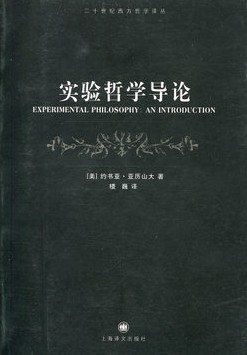
实验哲学导论 豆瓣
作者:
[美]约书亚.亚历山大
译者:
楼巍
出版社:
上海译文出版社
2013
- 7
为了探讨哲学和元哲学问题,实验哲学借用心理学和认知科学中的实验研究方法。它探讨了关于心理世界的本性的哲学问题——我们关对事物所形成的概念的结构或意义,探讨了关于非心理世界的本性的哲学问题——物自身。它还探索了哲学探究的本性以及探究哲学的合适方法论等元哲学问题。
本书为这一富有创新性的领域提供了一个详实的和令人振奋的导论,聚焦于实验哲学和更加传统的分析哲学的目标与方法之间的关系。本书特别注重详细认真地检视实验哲学中截然不同的哲学计划,实验哲学的独特的优势与不足,以及实验哲学对于我们的哲学理解所能够作出的独特贡献。全书语言清新流畅,可读性强,在当代和历史的语境中定位实验哲学,解释了实验哲学的目标和方法,通过与实验哲学批评者的交战,检视并批判性地评价了实验哲学最富有意义的主张和论证。
本书为这一富有创新性的领域提供了一个详实的和令人振奋的导论,聚焦于实验哲学和更加传统的分析哲学的目标与方法之间的关系。本书特别注重详细认真地检视实验哲学中截然不同的哲学计划,实验哲学的独特的优势与不足,以及实验哲学对于我们的哲学理解所能够作出的独特贡献。全书语言清新流畅,可读性强,在当代和历史的语境中定位实验哲学,解释了实验哲学的目标和方法,通过与实验哲学批评者的交战,检视并批判性地评价了实验哲学最富有意义的主张和论证。
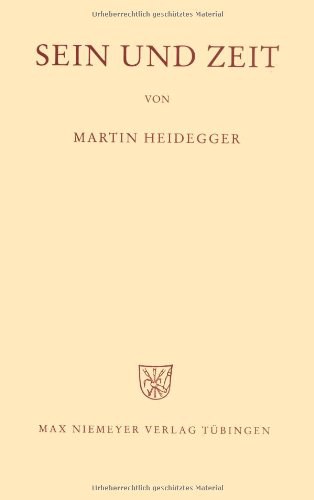
Sein und Zeit 豆瓣
作者:
Martin Heidegger
出版社:
Niemeyer, Tübingen
2006
- 8
Martin Heidegger's Being and Time first appeared in early 1927, both in the Jahrbuch f r Philosophie und ph nomenologische Forschung edited by Edmund Husserl and as an off-print. As one of the most famous and influential philosophical works ever written it is an indispensable philosophical source text and has been translated into more than 25 languages all over the world.
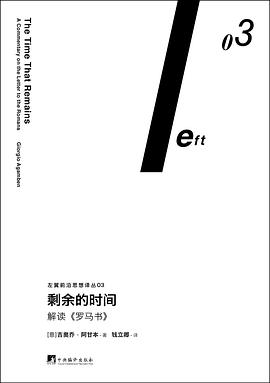
剩余的时间 豆瓣
Il tempo che resta. Un commento alla Lettera ai Romani
9.0 (6 个评分)
作者:
[意]吉奥乔·阿甘本
译者:
钱立卿
出版社:
三辉图书 / 中央编译出版社
2016
- 7
◆ 一把打开西方历史文明之门的钥匙
◆当代最具挑战性的思想家阿甘本,解读最有影响力的《圣经》书卷
◆特邀华东师范大学政治系教授吴冠军为本书撰写导读
【内容简介】
《罗马书》在《圣经》中的重要地位毋庸置疑,奥古斯丁、加尔文、马丁·路德等人均受其启示。本书由阿甘本一系列的讨论 班课程发展而来,其主导思想始终如一:对文本的诠解,对《罗马书》第一句话里的十个词的逐一解读。阿甘本试图把保罗书信从基督教会历史中分离出来,并将其文本重置于早期的“犹太—基督教”背景,指出它是“西方最具奠基性质的弥赛亚主义文本”。
通过对《罗马书》首句的逐字解读,阿甘本谨慎地辨明了那些经由历代神学讨论、翻译、注释后被强加到原初文本中的内容。这种哲学式的探究让他讨论了另一位重要思想家——瓦尔特·本雅明。细读、比较保罗书信与本雅明的《历史哲学论纲》之后,阿甘本洞悉到两者间未曾被发现的惊人的相似之处,他认为后者的历史哲学观念是对前者“剩余的时间”概念的复现与挪用。
【编辑推荐】
1、本书属于“左翼前沿思想译丛”,该译丛收录了巴迪欧、阿甘本、齐泽克等一批卓越的欧陆思想家在过去二十年间的经典著作,具有极高的理论价值。
2、吉奥乔·阿甘本是西方著名的激进理论家,其著作对许多理论家、哲学家产生重大影响。阿甘本被誉为“当代最具挑战性的思想家”。
3、《新约·罗马书》在《圣经》中的地位极为重要,也是历代神学家、哲学家阐释的重点。本书对《罗马书》进行了独特的解读,对加尔文、巴特等人的相关著作做出了补充和观点更新,并将古籍经典与当代著名理论家本雅明的理论进行比较,是相关领域的研究者及爱好者的必读书。
【媒体推荐】
《剩余的时间》是阿甘本组织的解经研讨班对《罗马书》首句探讨的文字成果,阿甘本对保罗书信富有洞见的细读令这本著作优于巴迪欧等人对保罗书信更宽泛的解读作品。
在阿甘本的作品中,读者能深入人类经验的最深层次,领会政治与社会力量间动荡但有力的相互作用。而这一切都是为了形塑和构造社会秩序、个人主体性,以及更重要的“最基本层面的”生活。
——《激进哲学评论》(Radical Philosophy Review)
通过对保罗书信的细读以及将之与本雅明的历史哲学观念相比较,阿甘本给了我们一把打开洞悉西方历史文化之门的钥匙。哲学和神学读者能从这本书中获益良多。
——《哲学评论》(Philosophy in Review)
阿甘本的直觉、冥想和编年纪事的能力真是太令人惊叹了!
——《政治评论》(The Review of Politics)
本书既具启示,又引人深思,值得一读!
——《现代派和现代艺术》(Modernism/Modernity)
◆当代最具挑战性的思想家阿甘本,解读最有影响力的《圣经》书卷
◆特邀华东师范大学政治系教授吴冠军为本书撰写导读
【内容简介】
《罗马书》在《圣经》中的重要地位毋庸置疑,奥古斯丁、加尔文、马丁·路德等人均受其启示。本书由阿甘本一系列的讨论 班课程发展而来,其主导思想始终如一:对文本的诠解,对《罗马书》第一句话里的十个词的逐一解读。阿甘本试图把保罗书信从基督教会历史中分离出来,并将其文本重置于早期的“犹太—基督教”背景,指出它是“西方最具奠基性质的弥赛亚主义文本”。
通过对《罗马书》首句的逐字解读,阿甘本谨慎地辨明了那些经由历代神学讨论、翻译、注释后被强加到原初文本中的内容。这种哲学式的探究让他讨论了另一位重要思想家——瓦尔特·本雅明。细读、比较保罗书信与本雅明的《历史哲学论纲》之后,阿甘本洞悉到两者间未曾被发现的惊人的相似之处,他认为后者的历史哲学观念是对前者“剩余的时间”概念的复现与挪用。
【编辑推荐】
1、本书属于“左翼前沿思想译丛”,该译丛收录了巴迪欧、阿甘本、齐泽克等一批卓越的欧陆思想家在过去二十年间的经典著作,具有极高的理论价值。
2、吉奥乔·阿甘本是西方著名的激进理论家,其著作对许多理论家、哲学家产生重大影响。阿甘本被誉为“当代最具挑战性的思想家”。
3、《新约·罗马书》在《圣经》中的地位极为重要,也是历代神学家、哲学家阐释的重点。本书对《罗马书》进行了独特的解读,对加尔文、巴特等人的相关著作做出了补充和观点更新,并将古籍经典与当代著名理论家本雅明的理论进行比较,是相关领域的研究者及爱好者的必读书。
【媒体推荐】
《剩余的时间》是阿甘本组织的解经研讨班对《罗马书》首句探讨的文字成果,阿甘本对保罗书信富有洞见的细读令这本著作优于巴迪欧等人对保罗书信更宽泛的解读作品。
在阿甘本的作品中,读者能深入人类经验的最深层次,领会政治与社会力量间动荡但有力的相互作用。而这一切都是为了形塑和构造社会秩序、个人主体性,以及更重要的“最基本层面的”生活。
——《激进哲学评论》(Radical Philosophy Review)
通过对保罗书信的细读以及将之与本雅明的历史哲学观念相比较,阿甘本给了我们一把打开洞悉西方历史文化之门的钥匙。哲学和神学读者能从这本书中获益良多。
——《哲学评论》(Philosophy in Review)
阿甘本的直觉、冥想和编年纪事的能力真是太令人惊叹了!
——《政治评论》(The Review of Politics)
本书既具启示,又引人深思,值得一读!
——《现代派和现代艺术》(Modernism/Modernity)
The Logic of Scientific Discovery 豆瓣 Goodreads Goodreads
Logik der Forschung: Zur Erkenntnistheorie der modernen Naturwissenschaft
作者:
Karl Popper
出版社:
Routledge
2002
- 3
When first published in 1959, this book revolutionized contemporary thinking about science and knowledge. It remains the one of the most widely read books about science to come out of the twentieth century.
Gender Trouble 豆瓣 Goodreads
Since its publication in 1990, Gender Trouble has become one of the key works of contemporary feminist theory, and an essential work for anyone interested in the study of gender, queer theory, or the politics of sexuality in culture. This is the text where Judith Butler began to advance the ideas that would go on to take life as "performativity theory," as well as some of the first articulations of the possibility for subversive gender practices, and she writes in her preface to the 10th anniversary edition released in 1999 that one point of Gender Trouble was "not to prescribe a new gendered way of life [...] but to open up the field of possibility for gender [...]" Widely taught, and widely debated, Gender Trouble continues to offer a powerful critique of heteronormativity and of the function of gender in the modern world.
The Sovereignty of Good 豆瓣
作者:
Iris Murdoch
出版社:
Routledge
2001
- 5
在线阅读本书
Iris Murdoch once observed: 'philosophy is often a matter of finding occasions on which to say the obvious'. What was obvious to Murdoch, and to all those who read her work, is that Good transcends everything - even God. Throughout her distinguished and prolific writing career, she explored questions of good and bad, myth and morality. The framework for Murdoch's questions - and her own conclusions - can be found in the Sovereignty of Good . The Boston Review hailed these essays as 'her most influential pieces of philosophy'.
Iris Murdoch once observed: 'philosophy is often a matter of finding occasions on which to say the obvious'. What was obvious to Murdoch, and to all those who read her work, is that Good transcends everything - even God. Throughout her distinguished and prolific writing career, she explored questions of good and bad, myth and morality. The framework for Murdoch's questions - and her own conclusions - can be found in the Sovereignty of Good . The Boston Review hailed these essays as 'her most influential pieces of philosophy'.
前往依斯特兰的旅程 豆瓣
作者:
卡洛斯 卡斯塔尼达
译者:
鲁宓
出版社:
内蒙古人民出版社
1997
只有以不变的热情去爱大地, 才能解脱悲伤
只有对生灵的热爱, 才能给予生命战士精神的自由
只有成为战士,人才能在知识的道路上生存,因为战士的艺术,是在平衡做人的恐惧与做人的奇妙 ——唐望
在寂静的山里,看清澈、缓动的流水不断地变幻波纹、旋转着落叶;林间弥漫着的薄雾在阳光里略含温湿,感染着鸟唱兽鸣……这时的我们能听懂这自然的语言吗?这个问题似乎有悖于现代的文明。然而,一些人正潜心于这方面的探索,向人们展示着倾听自然的新道路。
《前往依斯特兰的旅程》这本书,记述的是美国人类学家卡斯塔尼达在墨西哥沙漠偶遇印地安巫师唐望后,在后者的引导下经历了十年的心灵秘境感知的过程。这位接受现代理性思维训练的学者,通过唐望这位另一个世界的精神导师的教诲,看到了另一条通向自然的道路,听到了大自然中万物的声音。
无独有偶,在欧美被视为“东方精神的象征性存在”的铃木大拙写了《通向禅学之路》,作为佛教的一部分,禅学已存在一千多年了。也许是某种巧合,也许是除了我们现在这个世界还存在着另外一个世界,禅学也是寻找我们正在失去的世界。
随着时间的流失,我们生活中自然的东西越来越少。使用汽车飞机来挤压时空,使用电视节目代替人们之间的嬉戏娱乐,使用人工制品代替菜园的作物,使用图片电脑代替文字的阅读,使用电子通讯代替见面,等等。人们用自己的手为自己制造生活,而渐渐远离真实的大自然。
唐望和铃木大拙证实了同一个事实:“在言语性的思考之外,还有另外一种更庞大、更深沉、更直接的知觉方式”,只不过二者通向自然的方式不同。前者通过感知神秘之风的压力、黎明树页的抖动等自然现象,阐明了“万物皆有灵”的生命意义;后者则是通过自我的觉悟,释放出人的潜能,超越言语,从自然中获得新的意识和知觉。其实,我们从大自然中来,随着科学的进步,人类在更深认识大自然的同时,也逐渐疏远了她,在享受自然的同时,也在受到她的惩罚。
究其原因是因为我们的认识是定格的、机械的和局部的,缺少大自然的灵性。但愿人们早早放下架子,去倾听大自然的呼声,与自然和平共处。
只有对生灵的热爱, 才能给予生命战士精神的自由
只有成为战士,人才能在知识的道路上生存,因为战士的艺术,是在平衡做人的恐惧与做人的奇妙 ——唐望
在寂静的山里,看清澈、缓动的流水不断地变幻波纹、旋转着落叶;林间弥漫着的薄雾在阳光里略含温湿,感染着鸟唱兽鸣……这时的我们能听懂这自然的语言吗?这个问题似乎有悖于现代的文明。然而,一些人正潜心于这方面的探索,向人们展示着倾听自然的新道路。
《前往依斯特兰的旅程》这本书,记述的是美国人类学家卡斯塔尼达在墨西哥沙漠偶遇印地安巫师唐望后,在后者的引导下经历了十年的心灵秘境感知的过程。这位接受现代理性思维训练的学者,通过唐望这位另一个世界的精神导师的教诲,看到了另一条通向自然的道路,听到了大自然中万物的声音。
无独有偶,在欧美被视为“东方精神的象征性存在”的铃木大拙写了《通向禅学之路》,作为佛教的一部分,禅学已存在一千多年了。也许是某种巧合,也许是除了我们现在这个世界还存在着另外一个世界,禅学也是寻找我们正在失去的世界。
随着时间的流失,我们生活中自然的东西越来越少。使用汽车飞机来挤压时空,使用电视节目代替人们之间的嬉戏娱乐,使用人工制品代替菜园的作物,使用图片电脑代替文字的阅读,使用电子通讯代替见面,等等。人们用自己的手为自己制造生活,而渐渐远离真实的大自然。
唐望和铃木大拙证实了同一个事实:“在言语性的思考之外,还有另外一种更庞大、更深沉、更直接的知觉方式”,只不过二者通向自然的方式不同。前者通过感知神秘之风的压力、黎明树页的抖动等自然现象,阐明了“万物皆有灵”的生命意义;后者则是通过自我的觉悟,释放出人的潜能,超越言语,从自然中获得新的意识和知觉。其实,我们从大自然中来,随着科学的进步,人类在更深认识大自然的同时,也逐渐疏远了她,在享受自然的同时,也在受到她的惩罚。
究其原因是因为我们的认识是定格的、机械的和局部的,缺少大自然的灵性。但愿人们早早放下架子,去倾听大自然的呼声,与自然和平共处。
字里行间的哲学 豆瓣
Philosophy Between the Lines: The Lost History of Esoteric Writing
作者:
[美]亚瑟·梅尔泽
译者:
赵柯
出版社:
华东师范大学出版社
2018
- 4
将真理埋藏于字里行间,曾是西方哲学家们广泛采用的写作手艺。也就是说,这些作家会隐微地向特定人群传递真理,但在面向大众时又借助通俗学说来伪装。然而自启蒙运动以来,隐微地书写、阅读逐渐被世人遗忘,乃至变得神秘莫测——也可以说,在阅读风尚日趋平庸化的时代,隐微写作显得极其不合时宜。
可是,我们对隐微写作的不安是一回事,这一现象在历史上的真实存在又是另外一回事了。《字里行间的哲学》就致力于从故纸堆中打捞出隐微写作技艺,作者以清晰流畅的行文,向读者呈现出一部关于隐微写作的百科全书。我们能看到,隐微写作是如何被哲学家长期实践,进行隐微写作的动机是什么,它又为何被启蒙运动的后裔们遗忘,以及,我们怎样重拾字里行间阅读哲学经典的技巧。最终,对隐微写作这种失落技艺的追溯,实际上是对现代知识偏见的有力反思,也是对人类严肃理性生活的强力捍卫。
可是,我们对隐微写作的不安是一回事,这一现象在历史上的真实存在又是另外一回事了。《字里行间的哲学》就致力于从故纸堆中打捞出隐微写作技艺,作者以清晰流畅的行文,向读者呈现出一部关于隐微写作的百科全书。我们能看到,隐微写作是如何被哲学家长期实践,进行隐微写作的动机是什么,它又为何被启蒙运动的后裔们遗忘,以及,我们怎样重拾字里行间阅读哲学经典的技巧。最终,对隐微写作这种失落技艺的追溯,实际上是对现代知识偏见的有力反思,也是对人类严肃理性生活的强力捍卫。
I Am a Strange Loop 豆瓣 Goodreads
I Am a Strange Loop
作者:
Douglas R. Hofstadter
出版社:
Basic Books
2007
- 3
Douglas Hofstadter's long-awaited return to the themes of Gödel, Escher, Bach--an original and controversial view of the nature of consciousness and identity.
Can thought arise out of matter? Can self, a soul, a consciousness, an "I" arise out of mere matter? If it cannot, then how can you or I be here?
I Am a Strange Loop argues that the key to understanding selves and consciousness is the "strange loop"--a special kind of abstract feedback loop inhabiting our brains. The most central and complex symbol in your brain or mine is the one called "I." The "I" is the nexus in our brain, one of many symbols seeming to have free will and to have gained the paradoxical ability to push particles around, rather than the reverse.
How can a mysterious abstraction be real--or is our "I" merely a convenient fiction? Does an "I" exert genuine power over the particles in our brain, or is it helplessly pushed around by the laws of physics?
These are the mysteries tackled in I Am a Strange Loop, Douglas R. Hofstadter's first book-length journey into philosophy since Gödel, Escher, Bach. Compulsively readable and endlessly thought-provoking, this is the book Hofstadter's many readers have been waiting for.
Can thought arise out of matter? Can self, a soul, a consciousness, an "I" arise out of mere matter? If it cannot, then how can you or I be here?
I Am a Strange Loop argues that the key to understanding selves and consciousness is the "strange loop"--a special kind of abstract feedback loop inhabiting our brains. The most central and complex symbol in your brain or mine is the one called "I." The "I" is the nexus in our brain, one of many symbols seeming to have free will and to have gained the paradoxical ability to push particles around, rather than the reverse.
How can a mysterious abstraction be real--or is our "I" merely a convenient fiction? Does an "I" exert genuine power over the particles in our brain, or is it helplessly pushed around by the laws of physics?
These are the mysteries tackled in I Am a Strange Loop, Douglas R. Hofstadter's first book-length journey into philosophy since Gödel, Escher, Bach. Compulsively readable and endlessly thought-provoking, this is the book Hofstadter's many readers have been waiting for.
Consciousness Explained 豆瓣
This book revises the traditional view of consciousness by claiming that Cartesianism and Descartes' dualism of mind and body should be replaced with theories from the realms of neuroscience, psychology and artificial intelligence. What people think of as the stream of consciousness is not a single, unified sequence, the author argues, but "multiple drafts" of reality composed by a computer-like "virtual machine". Dennett considers how consciousness could have evolved in human beings and confronts the classic mysteries of consciousness: the nature of introspection, the self or ego and its relation to thoughts and sensations, and the level of consciousness of non-human creatures.