思维
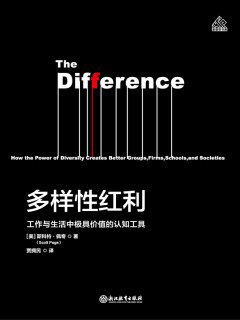
多样性红利 豆瓣
The Difference: How the Power of Diversity Creates Better Groups, Firms, Schools, and Societies
作者: [美] 斯科特·佩奇 译者: 贾拥民 出版社: 浙江教育出版社 2018 - 9
●《多样性红利》创造性地提出多样性视角、启发式、解释和预测模型四个认知工具箱框架,并得出惊人结论:一个人是否聪明不是由智商决定的,而取决于认知工具的多样性!本书将告诉你如何应用工具箱中的工具,用多样性创造更多的红利。
●查理?芒格的认知工具箱是怎么建立起来的?智能等于智商吗?人和计算机相比谁拥有更多样性的视角?多样性和能力谁更重要?拥有Z优秀问题解决者的群体和由多样性人群组成的群体谁会更好地解决问题?在本书中,这些问题都将得到解答。
●多样性视角、启发式、解释和预测模型让人们找到了更多更好的解决方案,让人们的预测更有价值。
●多样性在4个条件下比能力更重要!
●人生一切难题,视角给你答案。好的视角可以让问题变得更简单、更容易解决。任何一个问题,都存在一个可以让答案脱颖而出的视角。
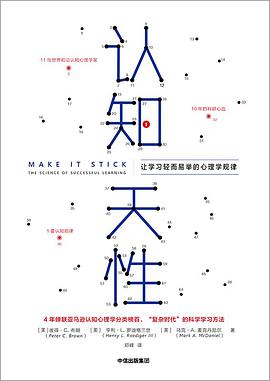
认知天性 豆瓣
Make It Stick: The Science of Successful Learning
7.5 (31 个评分) 作者: [美] Peter C. Brown / [美] Henry L. Roediger III 译者: 邓峰 出版社: 中信出版社 2018 - 10
不管是朋友圈里年入百万的斜杠青年,还是得到、喜马拉雅上的大师专家,无一不在刺激着在积极上进的年轻灵魂。有没有一种科学高效的,符合每个人思维规律的学习方法,可以让自己瞬间提升职场竞争力和商业生存力,以此走上财务自由、精神独立的人生巅峰。在本书中,你将掌握学习领域的终极规律:
为什么说天性懒惰孕育了认知规律和心智模型 / 只需 1 次自测,一周后回忆率从 28% 跃迁为 39% / 知识是平面的,复合型知识是立体的 / 哪些 “良性干扰”能提升学习效果 / 别在无法克服的学习困难上浪费时间 / 如何打造适合自己的心智模型 / 掌握几个适合自己的记忆技巧事半功倍……本书案例丰富,论点权威,是一本不容错过的认知科普读物。
总的来说,本书可以看作是认知科学目前在“如何更有效地学习”这个课题上取得的所有成果总结。读者能从中获取的,不仅是切实有效的学习方法,而且会对人脑的工作机制有更深的了解。
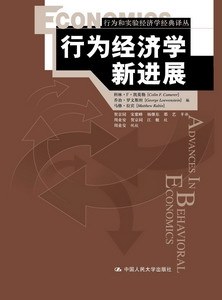
行为经济学新进展 豆瓣
作者: 科林·F·凯莫勒 编 译者: 贺京同 出版社: 中国人民大学出版社 2010 - 1
《行为经济学新进展》内容简介:行为经济学又称为“心理学的经济学”,就是在心理学的基础上研究经济行为和经济现象的经济学分支学科。经济学的祖师爷亚当·斯密早就对此有深入的讨论,但直到20世纪70年代,心理学家卡尼曼和特维斯基才开始通过吸收认知心理学等领域的最新研究成果和方法,通过改造新古典经济学中的效用函数,建立起全新的个体选择模型,并激发后来的经济学家把相关研究领域拓展到经济学的各主要分支,从而形成了比较系统的“行为经济学”。《行为经济学新进展》就是行为经济学家在这方面得出的最具代表性的成果。
《行为经济学新进展》是一本论文集,书中作者均是行为经济学领域的最杰出者。全书总共26章,每一章都是独立的学术论文,并都在重要的学术期刊上正式发表过。这些论文分为两大类:一类讨论经济学的基本问题——偏好和选择;一类则讨论一些具体的经济现象,属于行为经济学思想和理论模型的应用部分。《行为经济学新进展》第一部分(第1章)全面地综述了行为经济学的来龙去脉、主要思想、存在的问题以及未来的发展趋势。第二部分(第2至13章)讨论了经济活动中参与人的偏好和选择问题,主要涉及四个方面的内容:一是禀赋效应和心智账户;二是不确定下的决策和前景理论;三是跨期决策和时间偏好;四是公平和社会偏好。《行为经济学新进展》的第三部分(第14至24章)展示了行为经济学家对三个主要经济领域的看法:一是宏观经济领域,主要涉及心智账户和自我控制对储蓄的影响;双曲线贴现和货币幻觉等对宏观经济政策的影响;以及社会偏好对就业的影响。二是劳动经济学方面,主要涉及公平和互惠等社会偏好对劳动供给以及经济参与人激励的影响。三是金融领域,也就是现在流行的行为金融学。该领域的三篇代表性论文分别展示了短视损失厌恶等心理因素对于股权溢价之谜、投资者行为以及房地产市场价格波动的作用。该书的最后一部分(第25章和第26章)则专门收入两篇论文,探讨个体决策的本质和过程,以期构建行为经济学的未来基石。
妙趣横生博弈论 豆瓣
The Art of Strategy: A Game Theorist’s Guide to Success in Business and Life
作者: [美] Avinash K. Dixit / [美] Barry J. Nalebuff 译者: 董志强 / 王尔山 出版社: 机械工业出版社 2015 - 9
耶鲁大学教授Nalebuff和普林斯顿大学教授Dixit的这本著作,用许多活生生的例子,向没有经济学基础的读者展示了博弈论策略思维的道理。人生是一个永不停息的决策过程。从事什么样的工作,怎样打理一宗生意,该和谁结婚,怎样将孩子抚养成人,要不要竞争总裁的位置,都是这类决策的例子。你不是在一个真空的世界里做决定。相反,你身边全是和你一样的决策制定者。虽然冲突的成分很多,但是合作的因素也不少。本书将帮助你学会策略性地思考,在人生博弈中扩大赢面。
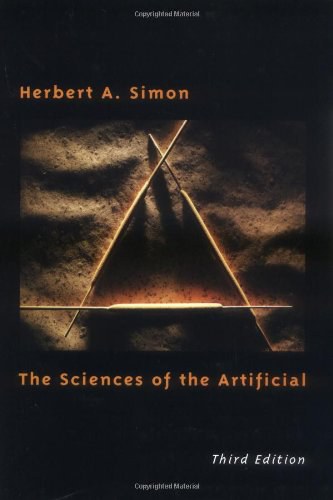
The Sciences of the Artificial 豆瓣 Goodreads
The Sciences of the Artificial
作者: Herbert A. Simon 出版社: The MIT Press 1996 - 10
Continuing his exploration of the organization of complexity and the science of design, this new edition of Herbert Simon's classic work on artificial intelligence adds a chapter that sorts out the current themes and tools -- chaos, adaptive systems, genetic algorithms -- for analyzing complexity and complex systems.There are updates throughout the book as well. These take into account important advances in cognitive psychology and the science of design while confirming and extending the book's basic thesis: that a physical symbol system has the necessary and sufficient means for intelligent action. The chapter "Economic Reality" has also been revised to reflect a change in emphasis in Simon's thinking about the respective roles of organizations and markets in economic systems.
逻辑、信息和互动 豆瓣
作者: [荷]约翰·范本特姆 译者: 刘奋荣 / 余俊伟 出版社: 科学出版社 2008 - 6
《逻辑、信息和互动》既有关于逻辑数学基础的探索,又有对逻辑应用领域的拓展,适合从事逻辑学研究的学生和教师阅读。也适合从事其他逻辑相关学科专业的学生和教师参阅。“逻辑之门”是当代世界著名的逻辑学家约翰,范本特姆经典著作的中文翻译。丛书收集了他的经典论文和主要专著,其涵盖的主题有:关于信息、进程和智能互动的模态逻辑,自然语言中范畴语法和量词语义的逻辑:逻辑与认识论、科学方法论和博弈论之间的相互影响,等等。丛书展现了现代逻辑作为数学、哲学、语言学、计算机科学、认知科学等学科之间媒介和催化剂的新视角。
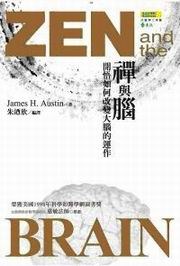
禪與腦:開悟如何改變大腦的運作 豆瓣
作者: James H. Austin 译者: 朱迺欣 出版社: 遠流 2007 - 8
赫胥黎把人類精神成長的基本趨勢稱為「永恆哲學」,奧斯汀認為這種趨勢表示一種動態的、直接的「永恆心理生理學」,因為覺醒或開悟發生在人類的腦經歷重大改變的時刻。開悟的顛峰經驗是什麼?這些狀態如何能深入強化,卻又能簡化腦的運作?
在這本書裡,禪學變成廣泛探索意識的楔子。為了要釐清哪些腦機制產生禪的狀態,我們必須對腦的解剖、生理和生化有某種程度的瞭解。奧斯汀是腦神經科學家,同時也是禪修行者,他把腦研究與他的禪經驗交織在一起:科學的部分廣泛而嚴謹,禪的部分清晰又吸引人。
第一部分談到禪是什麼,不是什麼;第二部分檢視禪的基本生理機制,不是它的偶發現象;第三部分整理腦研究的新近相關發展;第四部分定義意識的通常狀態和不同狀態。這項基礎工作,也作為第五到第七部分的序曲:首先提供幾種不同意識狀態的特殊實例,接著討論意識如何、何處與何時在人類腦的深處浮現。最後,第八部分是超越短暫經驗的澄清持續開悟階段,和它對社會的影響。
《禪與腦》總結呈現最新的證據,這本書同時也是一位神經科醫師個人的探索,以及專業研究的故事。
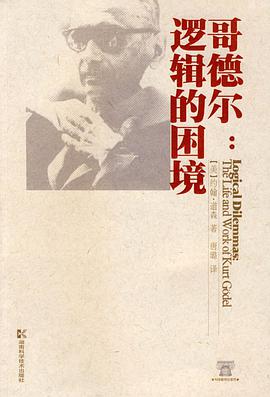
哥德尔 豆瓣
Logical Dilemmas: The Life and Work of Kurt Gödel
作者: [美] 约翰·道森 译者: 唐璐 出版社: 湖南科学技术出版社 2009 - 4
本书是哥德尔的权威传记,全面描述了这位逻辑学家和哲学家的工作及生活细节。逻辑学家和科学史家道森对哥德尔的文献和保存下来的信件进行了深入研究。研究表明,哥德尔在数学基础方面的工作从根本上改变了我们对这个领域的看法,并在20世纪激发了许多研究方向。道森还探讨了哥德尔的个性与他的科学成就之间的关系,并阐释了哥德尔的成就对我们现代世界观的影响。
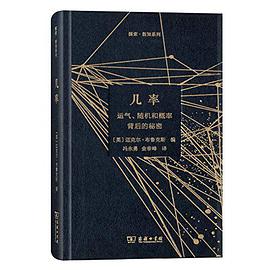
几率 豆瓣
Chance: The science and secrets of luck, randomness and probability
作者: [英]迈克尔·布鲁克斯 编 译者: 冯永勇 / 金泰峰 出版社: 商务印书馆 2018 - 8
科学认为任何事情都有一定的几率,无论是彩票、赌博、选择伴侣、还是计算外星生命存在的可能性。本书呈现了一系列引人入胜的文章,探讨了运气、随机、风险和概率背后的秘密。本书由六部分组成,每部分由4—6篇短文组成,从数学、物理学、哲学、进化生物学等学科的角度阐述了概率、运气在人类诞生、日常生活、科技发明、宇宙未来、物种演化等方面发挥的作用及其科学解释。
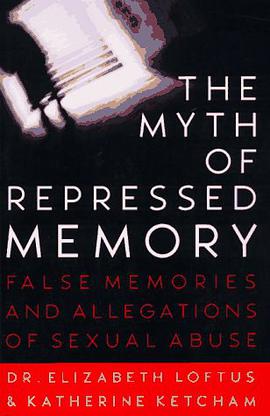
The Myth of Repressed Memory 豆瓣
作者: Elizabeth Loftus / Katherine Ketcham 出版社: St. Martin's Griffin 1996 - 1
According to many clinical psychologists, when the mind is forced to endure a horrifying experience, it has the ability to bury the entire memory of it so deeply within the unconscious that it can only be recalled in the form of a flashback triggered by a sight, a smell, or a sound. Indeed, therapists and lawyers have created an industry based on treating and litigating the cases of people who suddenly claim to have "recovered" memories of everything from child abuse to murder. This book reveals that despite decades of research, there is absolutely no controlled scientific support for the idea that memories of trauma are routinely banished into the unconscious and then reliably recovered years later. Since it is "not" actually a legitimate psychological phenomenon, the idea of "recovered memory"--and the movement that has developed alongside it--is thus closer to a dangerous fad or trendy witch hunt.
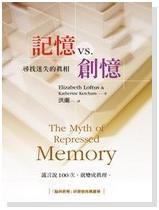
記憶vs.創憶 豆瓣
The Myth of Repressed Memory
作者: Elizabeth Loftus / Katherine Ketcham 译者: 洪蘭 出版社: 遠流 2010 - 8
謊言說100次,就變成真理。
人總是喜歡把人生的喜怒哀樂珍藏於記憶的寶箱裡,等待某個機緣再喚起回味。但記憶是個神秘的黑盒子,它並不是先前經驗的完全拷貝,也並非固定儲存於大腦的某個部位、等待隨時提取;相反的,記憶具有可塑性,當記憶重建過程不自覺的將想像、誤導、虛構、社會的期待等等編織進來,虛擬記憶的種子便會從栽植、發芽到茁壯。當它攙雜了外界各種的經驗、情緒後,你已分辨不出什麼才是自己的真實記憶。
1990年代,「壓抑記憶」之說曾在美國掀起性侵害的風暴,無數家庭在這場浩劫中分崩離析。本書作者羅芙特斯以其對記憶扭曲的實證研究,清楚的為我們解說記憶重新建構的特性與過程,讓我們正視記憶、人心與治療師彼此互動的影響。即使歷史真相迷失在自我相信的幻想和真正記憶之間,但是只要願意以科學、不偏頗的態度看待記憶,我們可以得到人類需要歸屬感、被愛、被接受、被了解這些心理因素的真相。
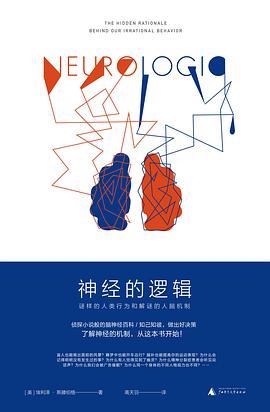
神经的逻辑 豆瓣
NeuroLogic: The Brain's Hidden Rationale Behind Our Irrational Behavior
7.5 (12 个评分) 作者: [美]埃利泽·斯滕伯格 译者: 高天羽 出版社: 广西师范大学出版社 2018 - 8
从8个令人惊奇的问题开始,带你理解迷一样的人类行为,以全新的眼光看待我们自身。
跟着作者不断解谜,如侦探小说般神经的逻辑,彻底明白我们日常的心理与行为的机制。
【人类竟是如此神奇】听声辨位、梦中杀人、左右互搏、多重人格、心灵操控……这样小说般的情节都是真的!本书展现了很多人类超乎自己想象的行为。每章都从一个惊奇问题开始,带领读者不断解谜,充满阅读推理作品的快感。
【神经科学一本通】覆盖神经科学的各领域和多种方法,习惯、记忆、梦境、疏忽、幻觉等等日常心理机制都得到了解释,在快乐阅读中了解人脑和人类行为的方方面面,以全新的眼光看待人类自身。
【帮你生活更轻松】经常回到家才想起路上该买的东西没买?是否知道要减肥的话不能一边吃东西一边看电视?怎么抵御商家在不知不觉中对自己的剁手诱惑?还有躺在床上就能健身这种好事?假笑识破率还能提高?……理解了这些心理和行为的机制,就能更有意识地在生活中躲开陷阱,抄到近路!
《神经的逻辑》令人大开眼界,它既轻松有趣,又是极富启发性的研究,也解释了我们为什么会做那些最为奇怪的事。斯滕伯格撬开了我们的心灵,解释了脑的运作方式,对一系列诸如感知、习惯、催眠、语言、学习等话题都给出了真知灼见。就如何面对人类大脑的无意识逻辑这一问题,本书为读者提供了专业性的指导。读罢掩卷,我对“我这个人到底是谁”有了更多的体悟。
——列奥纳德· 莫洛迪诺夫,《大设计》第二作者斯滕伯格对脑的怪行背后隐秘逻辑的解释,是神经科学界一支全新的声音。
——承现峻,《连接组》作者本书每章读起来都像侦探小说,每一页都闪耀着作者对神经病学的热情。它同时还非常适合哲学家和心理学家,正能治疗他们的“神经元嫉妒症”。
——V. S. 拉马钱德兰,《讲故事的脑》作者如果你想知道人们为什么用不理性的方式思考和行动,想为此找出合理回答,那本书就该是你的第一本书。
——迈克尔· 舍默,怀疑论者学会创始人我们解释事情时通常有一些叙事套路,而本书却是对这些叙事套路背后真正的神经回路进行丰富详尽的研究。作者破解、打开了脑中的“黑箱”,检查其中并行的有意识和无意识两套系统,探究从做梦、自动模式行为到记忆、幻觉、创伤等一系列问题。
——《自然》杂志
从最怪异的梦和幻觉,到精神分裂症与多重人格,脑是各式各样怪念怪行的肇事者。从外部看,这些现象常显得“疯狂”,但其实它们都有逻辑可循,这套逻辑使我们能创造经验、保全自我。
无论是哈欠会传染、虚假记忆、不饿却进食、色情片盛行、感同身受等常见的行为、心理状况和情感,还是清醒梦、濒死体验、盲人看到的景色、梦游杀人等惊奇案例,《神经的逻辑》都为我们娓娓道来。以这些现象为契机,斯滕伯格博士深入脑和神经系统的内部,揭示并解读脑与神经中理性的有意识系统和幽深的无意识系统,解释两套系统怎样造就了我们或平常或怪异的行为。弄清楚脑与神经系统的运作模式和逻辑,不仅可以改变我们对心理疾病和超自然体验的看法,也会让我们更加了解自身的隐秘之处,做出更正确的决策。
2018年10月21日 已读
这本科普比较注重故事的讲述,所以容易引人入胜,我猜接下来几年脑科学有关书籍的译介会越来越热门。因为有了fMRI、PET等新技术,科学家已经做了不少年实验了,在现有的实验文献基础上,现代人终于可以对人的一些古怪现象进行脑科学解释,建立脑的模型,而不只是进行思想实验或辩论。本书用意识和无意识两条暗线,分篇讲述脑科学里的热门话题,叙述了部分脑区的功能,由此建立了一个脑的逻辑简易框架(原著和译作其实可以尝试把附录的人脑结构图放在全书的前面)。科普的目的导致本书有较强的还原论倾向以及对单个实验的信服,旧资料也用得比较多。不过总体上还是本不错的介绍脑科学进展的读物,比较适合当报纸专栏文或者公众号文。
Psych akb neuro 埃利泽·斯滕伯格 待定
My Stroke of Insight 豆瓣
作者: Jill Bolte Taylor 出版社: Viking Adult 2008 - 5
在线阅读本书
A brain scientist's journey from a debilitating stroke to full recovery becomes an inspiring exploration of human consciousness and its possibilities
On the morning of December 10, 1996, Jill Bolte Taylor, a thirty-seven-year-old Harvard-trained brain scientist, experienced a massive stroke when a blood vessel exploded in the left side of her brain. A neuroanatomist by profession, she observed her own mind completely deteriorate to the point that she could not walk, talk, read, write, or recall any of her life, all within the space of four brief hours. As the damaged left side of her brain--the rational, grounded, detail- and time-oriented side--swung in and out of function, Taylor alternated between two distinct and opposite realties: the euphoric nirvana of the intuitive and kinesthetic right brain, in which she felt a sense of complete well-being and peace; and the logical, sequential left brain, which recognized Jill was having a stroke, and enabled her to seek help before she was lost completely.
In My Stroke of Insight , Taylor shares her unique perspective on the brain and its capacity for recovery, and the sense of omniscient understanding she gained from this unusual and inspiring voyage out of the abyss of a wounded brain. It would take eight years for Taylor to heal completely. Because of her knowledge of how the brain works, her respect for the cells composing her human form, and most of all an amazing mother, Taylor completely repaired her mind and recalibrated her understanding of the world according to the insights gained from her right brain that morning of December 10th.
Today Taylor is convinced that the stroke was the best thing that could have happened to her. It has taught her that the feeling of nirvana is never more than a mere thought away. By stepping to the right of our left brains , we can all uncover the feelings of well-being and peace that are so often sidelined by our own brain chatter. A fascinating journey into the mechanics of the human mind, My Stroke of Insight is both a valuable recovery guide for anyone touched by a brain injury, and an emotionally stirring testimony that deep internal peace truly is accessible to anyone, at any time. Questions for Jill Bolte Taylor Amazon.com: Your first reaction when you realized what was happening to your body was one you would expect: "Oh my gosh, I'm having a stroke!" Your second, though, was a little more surprising: "Wow, this is so cool!" What could be cool about a stroke? Taylor: I grew up to study the brain because I have a brother who is only 18 months older than I am. He was very different in the way he perceived experiences and then chose to behave. As a result, I became fascinated with the human brain and how it creates our perception of reality. He was eventually diagnosed with the brain disorder schizophrenia, and I dedicated my career to the postmortem investigation of the human brain in an attempt to understand, at a biological level, what are the differences between my brain and my brothers brain. On the morning of the stroke, I realized that my brain was no longer functioning like a "normal" brain and this insight into my brother's reality excited me. I was fascinated to intimately understand what it might be like on the inside for someone who would not be diagnosed as normal. Through the eyes of a curious scientist, this was an absolutely rare and fascinating experience for me to witness the breakdown of my own mind. Amazon.com: What did you learn about the brain from your stroke and your recovery that your scientific training hadn't prepared you for? Taylor: My scientific training did not teach me anything about the human spirit and the value of compassion. I had been trained as a scientist, not as a clinician. I can only hope that we are teaching our future physicians about compassion in medicine, and I know that some medical schools, including the Indiana University School of Medicine, have created a curriculum with this intention. My training as a scientist, however, did provide me with a roadmap to how the body and brain work. And although I lost my left cognitive mind that thinks in language, I retained my right hemisphere that thinks in pictures. As a result, although I could not communicate with the external world, I had an intuitive understanding about what I needed to do in order to create an environment in which the cells in my brain could be happy and healthy enough that they could regain their function. In addition, because of my training, I had an innate trust in the ability of my brain to be able to recover itself and my mother and I respected the organ by listening to it. For example, when I was tired, I allowed my brain to sleep, and when I was fresh and capable of focusing my attention, we gave me age-appropriate toys and tools with which to work. Amazon.com: Your stroke affected functions in your left brain, leaving you to what you call the "la-la land" of your right hemisphere. What was it like to live in your right brain, and then to rebuild your left? Taylor: When the cells in my left brain became nonfunctional because they were swimming in a pool of blood, they lost their ability to inhibit the cells in my right hemisphere. In my right brain, I shifted into the consciousness of the present moment. I was in the right here, right now awareness, with no memories of my past and no perception of the future. The beauty of La-la land (my right hemisphere experience of the present moment) was that everything was an explosion of magnificent stimulation and I dwelled in a space of euphoria. This is great way to exist if you don't have to communicate with the external world or care whether or not you have the capacity to learn. I found that in order for me to be able to learn anything, however, I had to take information from the last moment and apply it to the present moment. When my left hemisphere was completely nonfunctional early on, it was impossible for me to learn, which was okay with me, but I am sure it was frustrating for those around me. A simple example of this was trying to put on my shoes and socks. I eventually became physically capable of putting my shoes and socks on, but I had no ability to understand why I would have to put my socks on before my shoes. To me they were simply independent actions that were not related and I did not have the cognitive ability to figure out the appropriate sequencing of the events. Over time, I regained the ability to weave moments back together to create an expanse of time, and with this ability came the ability to learn methodically again. Life in La-la land will always be just a thought away, but I am truly grateful for the ability to think with linearity once again. Amazon.com: What can we learn about our brains and ourselves from your experience, even if we haven't lived through the kind of brain trauma you have? Taylor: I learned that I have much more say about what goes on between my ears than I was ever taught and I believe that this is true for all of us. I used to understand that I had the ability to stop thinking about one thing by consciously choosing to preoccupy my mind with thinking about something else. But I had no idea that it only took 90 seconds for me to have an emotional circuit triggered, flush a physiological response through my body and then flush completely out of me. We can all learn that we can take full responsibility for what thoughts we are thinking and what emotional circuitry we are feeling. Knowing this and acting on this can lead us into feeling a wonderful sense of well-being and peacefulness. Amazon.com: You are the "Singin' Scientist" for Harvard's Brain Bank (just as you were before your stroke). Could you tell us about the Brain Bank (in song or not)? Taylor: There is a long-term shortage of brain tissue donated for research into the severe mental illnesses. Most people dont realize that when you sign the back of your license as an organ donor, the brain is not included. If you would like to donate your brain for research, you must contact a brain bank directly. There is also a shortage of "normal control" tissue for research. The bottom line reality is that if there were more tissue available for research, then more scientists would be dedicating their careers to the study of the severe mental illnesses and we would have more answers about what is going on with these disorders. The numbers of mentally ill individuals in our society are staggering. The most serious and disabling conditions affect about 6 percent--or one in 17--adults and 9-13 percent of children in the United States. Half of all lifetime conditions of mental illness start by age 14 years, and three-fourths by age 24 years. For more information about brain donation to the Harvard brain bank, please call 1-800-BRAINBANK or visit them at: www.brainbank.mclean.org If you would like to hear me sing the brain bank jingle, please visit www.drjilltaylor.com!
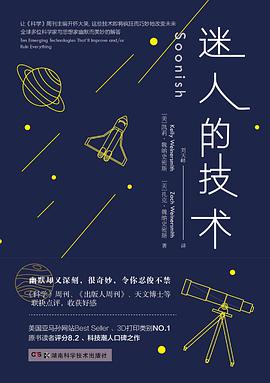
迷人的技术 豆瓣
Soonish: Ten Emerging Technologies That’ll Improve and/or Ruin Everything
作者: [美]凯莉•魏纳史密斯 / [美]扎克•魏纳史密斯 译者: 刘天峄 出版社: 湖南科学技术出版社 2018 - 10
每天都有奇妙的事情在发生,从未间断,在无尽的前沿上,有无数的问题有待被回答,有无数聪明的脑袋有待戴上美丽的花环……
正如作者所说,新的技术是美妙的事物,但就像米开朗基罗的圣母怜子像或罗丹的沉思者一样,制作它们通常是一种可怕的痛苦。
这本书不仅是想告诉你这些技术是什么样的,还有这些技术将如何以令人难以置信的方式改变我们的世界。
美国亚马逊网站Best Seller和《科学》周刊倾情推荐
这是写给科技青年和城市白领的锦囊书,对于喜欢科技创新潮流的人来说,这本书将带来愉快的阅读体验,也会给到不少启示。
数学史(上下) 豆瓣 Goodreads
A History of Mathematics
作者: 卡尔•B.博耶◎著 / 尤塔•C.梅兹巴赫◎修订 译者: 秦传安 出版社: 中央编译出版社 2012 - 5 其它标题: A History of Mathematics (VOL.1 &2, Revised Edition)
《数学史》1968年首次出版,1991年出了修订版,虽都距今甚远,但作为数学史料,并不过时。这正如数学的特征:只有在数学中,不存在重大的修正——只存在拓展。例如一旦希腊人发展出了演绎法,就他们所做的事情而言,他们是正确的,永远正确。欧几里得并不完备,他的工作得到了巨大的扩展,但只是扩展而不需要改正。他的定理,所有定理,到今天都是有效的。
本书把数学几千年的发展浓缩为这本编年史中。从希腊人到哥德尔,数学一直辉煌灿烂,名人辈出,观念的潮涨潮落到处清晰可见。而且,尽管追踪的是欧洲数学的发展,但作者并没有忽视中国文明、印度文明和阿拉伯文明的贡献。毫无疑问,这本书是(而且在很长时期内将会一直是)一部经典的关于数学及创造这门学科的数学家们的单卷本历史著作。既有学术性,又有可读性。
我们为书中的史实、观念、精美插图以及引领我们走过数学发展长河的大师们所折服,遂决定把它引入中国,以飨中国热爱数学、崇尚科学精神的读者。
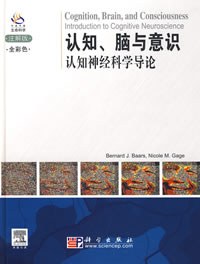
认知、脑与意识 豆瓣
作者: Bernard J. Baars / Nicole M. Gage 出版社: 科学出版社 2008 - 8
一股新的研究浪潮正改变着我们对人类思维和大脑的认识。许多基础教育领域已要求学生对认知神经科学具备基本的理解。不过,目前多数教科书都是为生物学专业的学生准备的,很少考虑心理学和其他相关专业的读者。本书意在填补这一空缺。
专为心理学、医学预科、教育不及神经科学本科生和研究生而写;采用易于理解的主题式写作方式,无需神经科学或生物学背景;章节设置循序渐进,可读性强,以简单漂亮的绘图作品构建大脑,令人印象深刻;每章结尾处附有思考题和绘图练习,帮助加深理解。
战略 豆瓣
作者: 刘学 出版社: 北京大学出版社 2009 - 3
《战略-从思维到行动》将战略定义为企业在特定的环境中所确定的核心目标与达成这些目标的关键路径的独特组合。许多战略的失败,不是战略本身的错误,而是没有连续的、一致的行动来支撑,是战略与行动的脱节。所以,《战略-从思维到行动》一方面避免单纯介绍国外学者的研究,另一方面避免远离中国现实世界的抽象,以发现在目标指导之下的连续的、一致的、集中的行动作为《战略-从思维到行动》的逻辑重点。
作者认为:战略的选择和实施是平衡的艺术。通过阅读《战略-从思维到行动》,读者除了能够掌握制订企业战略的基本过程、基本方法和分析工具以外,还能够在以下几个方面达成平衡: 第一,在理性分析和商业直觉之间达成平衡; 第二,在前瞻性和实用性之间达成平衡; 第三,实现基本知识与次级知识的平衡; 第四,在具体与抽象之间寻求平衡.因此,与国内同类图书相比,《战略-从思维到行动》重在训练读者的战略思维能力,使读者能够掌握行之有效的战略制定方法。
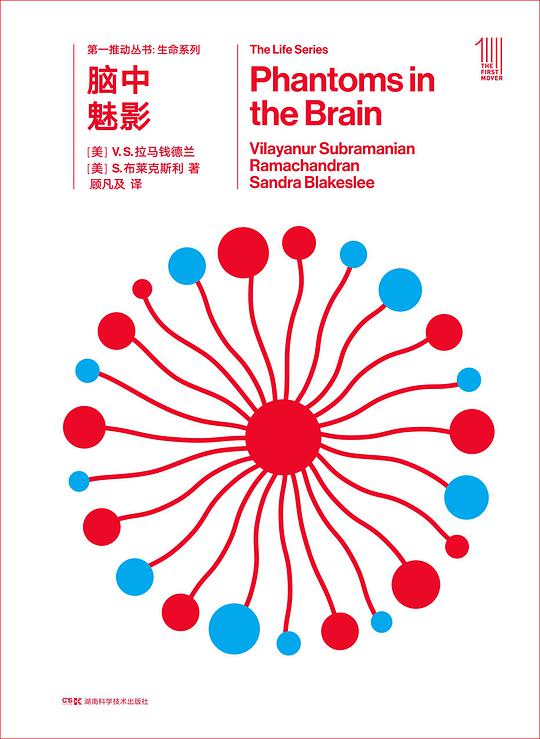
脑中魅影 豆瓣
Phantoms in the Brain
作者: [美] V. S. 拉马钱德兰 / [美] S.布莱克斯利 译者: 顾凡及 出版社: 湖南科学技术出版社 2018 - 1
在《脑中魅影》中,一位杰出的神经科学“福尔摩斯”讲给读者听许多他所解决了的最令人瞠目结舌的病例,并由此使我们得以洞察人的本质和心智。包括为什么我们会发笑或是变得忧郁;我们如何决策、自我欺骗和做梦;为什么我们中的一些人会相信上帝等等,这是一些迄今为止没有什么科学家敢涉及的问题。本书是一次发人深思的医学探索,它进入到医学的最后前沿:人的心智。
系统架构 豆瓣
System Architecture: Strategy and Product Development for Complex Systems
作者: 爱德华·克劳利(Edward Crawley) / 布鲁斯·卡梅隆(Bruce Cameron) 译者: 爱飞翔 出版社: 机械工业出版社 2017 - 1
本书由系统架构领域3位领军人物亲笔撰写,该领域资深专家Norman R. Augustine作序推荐,Amazon全五星评价。
全书共分四部分。
第一部分(第1~3章)的重点是引出系统架构。第1章通过一些范例来展示架构理念,指出良好的架构,并给出本书的概要;第2章列出进行系统分析必备的思路;第3章给出分析系统架构所用的思维模式。
第二部分(第4~8章)着重对架构进行分析。第4章讨论系统的形式;第5章讨论系统的功能;第6章讲解形式与功能之间的映射,并以此给出系统架构的定义;第7章研究如何从独立于解决方案的功能陈述中衍生出系统;第8章演示怎样把这些概念汇聚成一套架构。
第三部分(第9~13章)讲解如何为复杂的系统定义架构。第9章从任务和可交付成果这两方面来概述架构师的职责;第10章探讨如何把组织机构方面的接口当成在架构中减少歧义的契机;第11章讲述如何用系统化的方式来捕获利益相关者的需求,并把它们转换成系统目标;第12章提出一些能够帮助架构师更有创意地构思并选择概念的手段;第13章讲述在开发系统时管理复杂度的一些办法。
第四部分(第14~16章)探寻帮助架构师做决策的各种计算方法及工具所具备的潜力。第14章把系统架构的过程当成一种决策制定的过程来进行讲解;第15章讲解如何对架构权衡空间中的信息进行综合;第16章演示怎样把架构决策编码成一套模型,使计算机可以根据该模型自动生成权衡空间并对其进行探索。