政治哲学
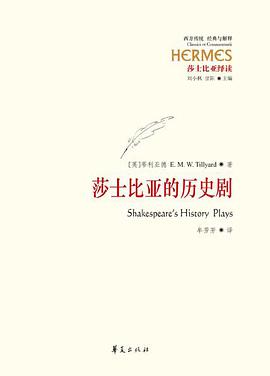
莎士比亚的历史剧 Douban
Shakespeare‘s History Play
author:
[英] 蒂利亚德(E.M.W.Tillyard)
translator:
牟芳芳
publishing house:
华夏出版社
2016
- 1
本书作者通过对莎士比亚主要的八个历史剧整体系列的综合阐释,通过分析莎士比亚对待这些历史主题所保持的精思熟虑以及他大多数历史剧的精致架构,让人们更加相信莎士比亚是受过教育的,在广阔的智慧和思考的力量上是可以媲美但丁和弥尔顿的诗人;他提升了编年史剧的水平,将编年史剧变成一种独立的真正的戏剧类型,而不只是悲剧的附属品。并且从一开始到最后、在他所有的历史剧中始终对秩序原则有着稳固的意识,并因为这种意识而与同时代那些更具哲学思维的作家们更为接近。
莎士比亚历史剧以史诗的方式表现了他头脑中的中世纪以及他那个时代的生活图景,其中心主题则是被置于庄严而高度道德化语境中的英格兰或国家主题。
在西方文教传统谱系中,不断有学人将莎士比亚与柏拉图并举。莎士比亚戏剧以历史舞台为背景,深涉人世政治问题的底蕴,尤其是王者问题,一再激发后人掂量人性和人世的幽微,为后世探究何谓优良政制、审慎思考政制变革奠定了思想基础——不仅如此,与柏拉图的戏剧作品一样,作为政治哲人的莎士比亚没有学说,他的政治哲学思考无不隐含在笔下的戏剧人物和戏剧谋篇之中。
莎士比亚历史剧以史诗的方式表现了他头脑中的中世纪以及他那个时代的生活图景,其中心主题则是被置于庄严而高度道德化语境中的英格兰或国家主题。
在西方文教传统谱系中,不断有学人将莎士比亚与柏拉图并举。莎士比亚戏剧以历史舞台为背景,深涉人世政治问题的底蕴,尤其是王者问题,一再激发后人掂量人性和人世的幽微,为后世探究何谓优良政制、审慎思考政制变革奠定了思想基础——不仅如此,与柏拉图的戏剧作品一样,作为政治哲人的莎士比亚没有学说,他的政治哲学思考无不隐含在笔下的戏剧人物和戏剧谋篇之中。
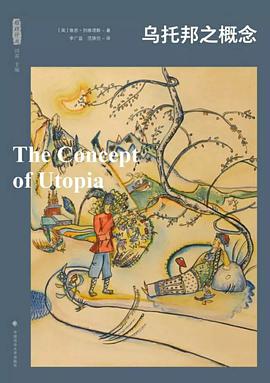
乌托邦之概念 Douban
author:
[英]鲁思·列维塔斯
translator:
李广益
/
范轶伦
publishing house:
中国政法大学出版社
2018
- 3
在这本极具影响力的著作中,李维塔斯为我们提供了一个关于乌托邦概念的含义与意义的绝佳导论,作者探讨了来自文学和社会理论的丰富材料,以论证乌托邦的深厚历史和分析的多元性。李维塔斯将乌托邦置于现代想象力的语境内,检视了许多论述现代性的思想领袖对乌托邦概念的运用方式:包括马克思、恩格斯、卡尔·曼海姆、罗伯特·欧文、索莱尔、布洛克、威廉·莫里森与马尔库塞。乌托邦至今仍是想象和生产一个“更美好世界”的最有利的世俗性概念,根据本书作者,乌托邦是在文本和政治实践中对更好生活方式的欲求的一种表达,而乌托邦的渴求至今在文化和政治中仍是一种积极的元素。而本书作为一个经典文本,对许多学科内的研究者而言都是无价的智识瑰宝。

中国政治思想史 Douban
author:
陶希圣
publishing house:
中国大百科全书出版社
2009
- 1
这部《中国政治思想史》,是他当时在北大开设的课程,也是他对中国社会史研究的成果。书中依据陶希圣自己的历史分期观点,对氏族时代、王权时代、士族时代及王权再建时代的政治思想的起源、发展及转变过程,做了独具特色的分析。初稿于1932年至1936年间写成,由上海新生命书局出版。1942年抗日战争时期,又在重庆南方书局出版了修订版。从1943年到1945年两年问,共加印6次,一时洛阳纸贵。
1978年中国改革开放后,陶希圣的史学成就逐渐得到重新的认识和评价。为了延续学术传统,保留现代学术史上的重要成果,中国大百科全书出版社将《中国政治思想史》列入《百科史学·史学名著丛书》,重新整理出版,希望为相关研究领域提供有价值的参考。
1978年中国改革开放后,陶希圣的史学成就逐渐得到重新的认识和评价。为了延续学术传统,保留现代学术史上的重要成果,中国大百科全书出版社将《中国政治思想史》列入《百科史学·史学名著丛书》,重新整理出版,希望为相关研究领域提供有价值的参考。
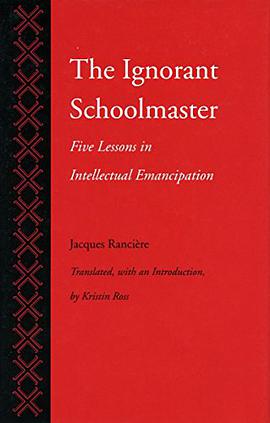
The Ignorant Schoolmaster Douban Goodreads Skybridge
author:
Jacques Rancière
translator:
Kristin Ross
publishing house:
Stanford University Press
1991
- 7
other title:
The Ignorant Schoolmaster: Five Lessons in Intellectual Emancipation
Review
'An extremely provocative, original, and engaging book, it raises questions of great relevance and urgency about the process of cultural selection and canonization.'Denis Hollier, Yale UniversityIgnorant Schoolmaster
In The Ignorant Schoolmaster, Rancière uses the historical figure of Joseph Jacotot as a way of discussing human nature, education, pedagogy, ignorance, intelligence, and emancipation. These ideas have profound implications on the nature of schooling and research, and the role that teachers and scholars play. Contents [hide]
1 Joseph Jacotot (1770-1840)
2 Explication
3 Emancipation
4 Ignorance
5 Intelligence
6 Will
7 Language
[edit]
Joseph Jacotot (1770-1840)
Jacotot was a French instructor who taught subjects as far-ranging as French, literature, mathematics, ideology and law (p. 1). He had a profound realization one time when he had to teach a group of Flemish students French. Since he didn’t know Flemish himself, he had the challenge of teaching these students French.
[edit]
Explication
The conventional view of the teacher’s (or master’s, as Rancière calls it), is to “explicate”. But Jacotot noticed that his Flemish students were able to learn French without any explication from him. He had given them a bilingual text of Télémaque; using that, his students were able to eventually under French grammar and spelling, using a text that was aimed for adults, and not “simplified” for school children. Jacotot (or maybe Rancière?) was inspired to ask: Were schoolmaster’s explications superfluous? (p. 4) Rancière believes that explication stultifies learning by short-circuiting the journey that the student is able to make. Teachers who rely on explication inadvertently creates a “veil of ignorance” (p. 6) what the student is expected to learn, thus creating a world of superior (i.e. the master, the explicator) and inferior (i.e. the student, the ignorant). But Rancière believes that all people are capable of learning without explication because they have all acquired their mother tongues without explication (p. 5, 10). They learn, imitate, and correct themselves, and universally, all children will grow up to understand their parents without every spent one day in school. Why do we presume this intelligence goes away?
[edit]
Emancipation
Rancière distinguishes between two human traits: intelligence and will. In Jacotot’s classroom, there are two wills (the students’ and Jacotot’s) and two intelligences (the students’ and the book’s). Students may need to follow the teacher’s will, who guides them towards the subject. But stultification occurs when the students’ intelligences are linked with the teacher’s, when they have to rely on the schoolmaster to explain what they have learned. The opposite of stultification is, therefore, emancipation. But who emancipates? Once again, conventionally, it is the scholar, the philosopher, the wise, the learned, the Teachers College doctoral student. But Rancière believes that the only way to emancipate is when an intelligence obeys only itself even if its will obeys another’s will (p. 13). In reality, universal teaching has existed since the beginning of the world, alongside all the explicative methods...Everyone has done this experiment a thousand times in life, and yet it has never occurred to someone to say to someone else: I’ve learned many things without explanations, I think that you can too... (p. 16)In Jacotot’s class, the students learned using their own methods, not his. And in the end, they learned French, and they have done so using the oldest method in the world: universal teaching.
[edit]
Ignorance
Rancière argues that the “Socratic Method” is a perfected form of stultification, where the role of the Master is to interrogate (demand speech) and verify that intelligence is done with attention (p. 29). Even if these pedagogies are aimed at “empowering” the student, it is still done so after the master has verified it. Thus, it is still the master’s method, not the student’s.
The ignorant schoolmaster does not verify what the student has found, only that the student has searched (p. 31). This means that anyone, including illiterate parents, can teach their children how to read and write. For example, they can question whether they pronounce the same word each time in the same way, or hide it under their hand and ask the student what is under it. This is true not only for re
[edit]
Intelligence
Most people become stultified because they believe in their inferiority (p. 39). And superior minds can only be superior if they can make everyone else inferior. Thus we never break out of that circle, not matter how generous our intentions may be. The word intelligence is often understood as a number, or variable, that describes different people’s capacities to comprehend complex ideas or solve logic problems. But Rancière believes that everyone has the same intelligence (p. 50). He argues that a statement like “Bob is smarter because he produces better work” is a tautological statement that explains nothing. It’s true that people will produce different types of work, but he doesn’t see this as the result of different intelligence, but as a result of not bringing sufficient attention to the work.
[edit]
Will
Intelligence has to do with attention while will has to do with the “power to be moved” (p. 54). Rancière argues that each of us represents a will that is served by an intelligence. We see, analyze, compare, reason, correct, reconsider, on an everyday basis. We do not always learn the same things because we do not pay the same amount of attention to the situation. Furthermore, he suggests that “[m]eaning is the work of the will” (p. 56). He calls “secret” of universal teaching, something that geniuses all know. All humans are capable of anything they want.
[edit]
Language
Jacotot/Rancière believed that truth cannot be told. When it is expressed in language it becomes fragmented (p. 60). Hence, he goes into the arbitrariness of language to suggest that there is no language that is superior than others because they are equally arbitrary. Intelligence does not have a language. As Jacotot argued, we are not intelligent because we speak; we are intelligent because we exist. But this is not a problem. It is precisely because all languages are arbitrary that we employ all we have access to (including but not limited to language) in expressing truth. (p. 62) Rancière calls our expression through language as a form of art, like improvisation. He calls “telling the story” and “figuring things out” the two master operations of intelligence (p. 64). He believes that the artist is the exact opposite of the professor. He argues: “Each one of us is an artist to the extent that he carries out a double process; he is not content to be a mere journeyman but wants to make all work a means of expression, and he is not content to feel something but tries to impart it to others” (p. 70).
'An extremely provocative, original, and engaging book, it raises questions of great relevance and urgency about the process of cultural selection and canonization.'Denis Hollier, Yale UniversityIgnorant Schoolmaster
In The Ignorant Schoolmaster, Rancière uses the historical figure of Joseph Jacotot as a way of discussing human nature, education, pedagogy, ignorance, intelligence, and emancipation. These ideas have profound implications on the nature of schooling and research, and the role that teachers and scholars play. Contents [hide]
1 Joseph Jacotot (1770-1840)
2 Explication
3 Emancipation
4 Ignorance
5 Intelligence
6 Will
7 Language
[edit]
Joseph Jacotot (1770-1840)
Jacotot was a French instructor who taught subjects as far-ranging as French, literature, mathematics, ideology and law (p. 1). He had a profound realization one time when he had to teach a group of Flemish students French. Since he didn’t know Flemish himself, he had the challenge of teaching these students French.
[edit]
Explication
The conventional view of the teacher’s (or master’s, as Rancière calls it), is to “explicate”. But Jacotot noticed that his Flemish students were able to learn French without any explication from him. He had given them a bilingual text of Télémaque; using that, his students were able to eventually under French grammar and spelling, using a text that was aimed for adults, and not “simplified” for school children. Jacotot (or maybe Rancière?) was inspired to ask: Were schoolmaster’s explications superfluous? (p. 4) Rancière believes that explication stultifies learning by short-circuiting the journey that the student is able to make. Teachers who rely on explication inadvertently creates a “veil of ignorance” (p. 6) what the student is expected to learn, thus creating a world of superior (i.e. the master, the explicator) and inferior (i.e. the student, the ignorant). But Rancière believes that all people are capable of learning without explication because they have all acquired their mother tongues without explication (p. 5, 10). They learn, imitate, and correct themselves, and universally, all children will grow up to understand their parents without every spent one day in school. Why do we presume this intelligence goes away?
[edit]
Emancipation
Rancière distinguishes between two human traits: intelligence and will. In Jacotot’s classroom, there are two wills (the students’ and Jacotot’s) and two intelligences (the students’ and the book’s). Students may need to follow the teacher’s will, who guides them towards the subject. But stultification occurs when the students’ intelligences are linked with the teacher’s, when they have to rely on the schoolmaster to explain what they have learned. The opposite of stultification is, therefore, emancipation. But who emancipates? Once again, conventionally, it is the scholar, the philosopher, the wise, the learned, the Teachers College doctoral student. But Rancière believes that the only way to emancipate is when an intelligence obeys only itself even if its will obeys another’s will (p. 13). In reality, universal teaching has existed since the beginning of the world, alongside all the explicative methods...Everyone has done this experiment a thousand times in life, and yet it has never occurred to someone to say to someone else: I’ve learned many things without explanations, I think that you can too... (p. 16)In Jacotot’s class, the students learned using their own methods, not his. And in the end, they learned French, and they have done so using the oldest method in the world: universal teaching.
[edit]
Ignorance
Rancière argues that the “Socratic Method” is a perfected form of stultification, where the role of the Master is to interrogate (demand speech) and verify that intelligence is done with attention (p. 29). Even if these pedagogies are aimed at “empowering” the student, it is still done so after the master has verified it. Thus, it is still the master’s method, not the student’s.
The ignorant schoolmaster does not verify what the student has found, only that the student has searched (p. 31). This means that anyone, including illiterate parents, can teach their children how to read and write. For example, they can question whether they pronounce the same word each time in the same way, or hide it under their hand and ask the student what is under it. This is true not only for re
[edit]
Intelligence
Most people become stultified because they believe in their inferiority (p. 39). And superior minds can only be superior if they can make everyone else inferior. Thus we never break out of that circle, not matter how generous our intentions may be. The word intelligence is often understood as a number, or variable, that describes different people’s capacities to comprehend complex ideas or solve logic problems. But Rancière believes that everyone has the same intelligence (p. 50). He argues that a statement like “Bob is smarter because he produces better work” is a tautological statement that explains nothing. It’s true that people will produce different types of work, but he doesn’t see this as the result of different intelligence, but as a result of not bringing sufficient attention to the work.
[edit]
Will
Intelligence has to do with attention while will has to do with the “power to be moved” (p. 54). Rancière argues that each of us represents a will that is served by an intelligence. We see, analyze, compare, reason, correct, reconsider, on an everyday basis. We do not always learn the same things because we do not pay the same amount of attention to the situation. Furthermore, he suggests that “[m]eaning is the work of the will” (p. 56). He calls “secret” of universal teaching, something that geniuses all know. All humans are capable of anything they want.
[edit]
Language
Jacotot/Rancière believed that truth cannot be told. When it is expressed in language it becomes fragmented (p. 60). Hence, he goes into the arbitrariness of language to suggest that there is no language that is superior than others because they are equally arbitrary. Intelligence does not have a language. As Jacotot argued, we are not intelligent because we speak; we are intelligent because we exist. But this is not a problem. It is precisely because all languages are arbitrary that we employ all we have access to (including but not limited to language) in expressing truth. (p. 62) Rancière calls our expression through language as a form of art, like improvisation. He calls “telling the story” and “figuring things out” the two master operations of intelligence (p. 64). He believes that the artist is the exact opposite of the professor. He argues: “Each one of us is an artist to the extent that he carries out a double process; he is not content to be a mere journeyman but wants to make all work a means of expression, and he is not content to feel something but tries to impart it to others” (p. 70).
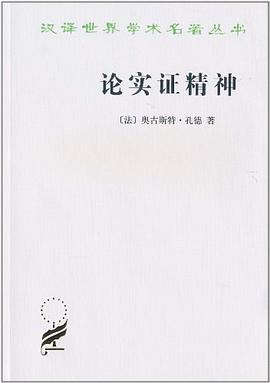
论实证精神 Douban
Discours Sur L'esprit Positif
author:
[法]奥古斯特·孔德
translator:
黄建华
publishing house:
商务印书馆
1996
这两篇论文是互相独立的,是由于外界因素而形成的,然而它们又相互补充成为一个关于伦理学基本真理的体系。但愿人们能在这一体系中看到已停滞了半个世纪的这一学科的进步。当然,两篇论文中的任何一篇都不能以另一篇为前提,同样也不能以我以前的著作为前提;这是因为每一篇论文都是为不同的科学院而作,从而严格的匿名也就是众所周知的条件。
在这种研究中,首先要阐明形而上学和伦理学的关系。但是作者忽略了题目主要要求的东西,而且认为,题目是要求提出某种伦理学原则,因此,他把论文中讨论他提出的伦理学原则和他的形而上学的关系的那一部分只是放在附录之中,只是作为超出要求的部分”。难道在征文启事的引言由以出发的主要观点中也并没有提到形而上学和道德的关系问题吗?因为这一引言一开始就作了经验的说明,并以出现在日常生活中的道德的评价及类似的东西为基础的,然后它才问到,这一切最终究竟是以什么为基础的。这一引言最后把存在于意识当中的天赋的德行的理念作为一种可能的解释的例子提了出来,因此也就是说在它提出的例子中,它是企图把一种纯心理学的事实,而不是某种形而上学的原则看作为答案的,这是很成问题的。但是,由此可以清楚地看出,它要求用某种事实,无论是意识的或外界的事实,对道德加以证明,但是并不希望从某种形而上学的梦想中来导引出这种事实来;因此丹麦科学院有充分理由来拒绝用这样一种方式解答问题的论文。人们应该想到这一点。
在这种研究中,首先要阐明形而上学和伦理学的关系。但是作者忽略了题目主要要求的东西,而且认为,题目是要求提出某种伦理学原则,因此,他把论文中讨论他提出的伦理学原则和他的形而上学的关系的那一部分只是放在附录之中,只是作为超出要求的部分”。难道在征文启事的引言由以出发的主要观点中也并没有提到形而上学和道德的关系问题吗?因为这一引言一开始就作了经验的说明,并以出现在日常生活中的道德的评价及类似的东西为基础的,然后它才问到,这一切最终究竟是以什么为基础的。这一引言最后把存在于意识当中的天赋的德行的理念作为一种可能的解释的例子提了出来,因此也就是说在它提出的例子中,它是企图把一种纯心理学的事实,而不是某种形而上学的原则看作为答案的,这是很成问题的。但是,由此可以清楚地看出,它要求用某种事实,无论是意识的或外界的事实,对道德加以证明,但是并不希望从某种形而上学的梦想中来导引出这种事实来;因此丹麦科学院有充分理由来拒绝用这样一种方式解答问题的论文。人们应该想到这一点。
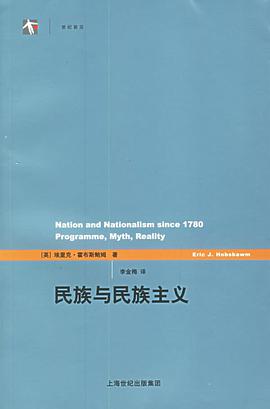
民族与民族主义 Douban
Nations and Nationalism since 1780
7.8 (9 ratings)
author:
埃里克·霍布斯鲍姆 (Eric J.Hobsbawm)
translator:
李金梅
publishing house:
上海人民出版社
2006
- 4
本书论述民族与民族主义在欧洲近两百年历史中的种种表现及其内涵之演变。作者回避了对民族的概念和标准等问题的纠缠,而是着重于它们的变迁与转型,并借助于民族主义的研究来说明民族问题的复杂性。欧洲近现代史是因民族主义兴起而重新拼制版图的历史,各种民族与民族主义的意识也影响到周边地区与殖民地,因此,民族与民族主义的发展演变构成了这段历史的主旋律。本书对了解民族与民族主义在世界范围内的发展演变状况具有很高的参考价值。
序言
导论
第一章 民族新义:从革命到自由主义
第二章 民众观点:民族主义原型
第三章 政府观点
第四章 民族主义转型:1870-1918
第五章 民族主义最高峰:1918-1950
第六章 20世纪晚期的民族主义
英汉译名表
序言
导论
第一章 民族新义:从革命到自由主义
第二章 民众观点:民族主义原型
第三章 政府观点
第四章 民族主义转型:1870-1918
第五章 民族主义最高峰:1918-1950
第六章 20世纪晚期的民族主义
英汉译名表
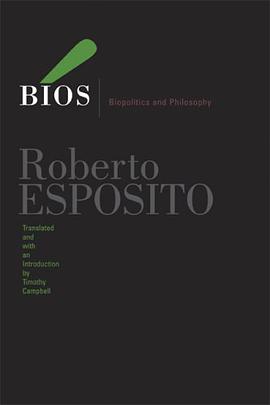
Bios Douban
author:
Roberto Esposito
translator:
Timothy Campbell
publishing house:
Univ Of Minnesota Press
2008
- 4
Roberto Esposito is one of the most prolific and important exponents of contemporary Italian political theory. Bios"-his first book to be translated into English-builds on two decades of highly regarded thought, including his thesis that the modern individual-with all of its civil and political rights as well as its moral powers-is an attempt to attain immunity from the contagion of the extraindividual, namely, the community. In Bios, "Esposito applies such a paradigm of immunization to the analysis of the radical transformation of the political into biopolitics. Bios" discusses the origins and meanings of biopolitical discourse, demonstrates why none of the categories of modern political thought is useful for completely grasping the essence of biopolitics, and reconstructs the negative biopolitical core of Nazism. Esposito suggests that the best contemporary response to the current deadly version of biopolitics is to understand what could make up the elements of a positive biopolitics-a politics of life rather than a politics of mastery and negation of life. In his introduction, Timothy Campbell situates Esposito's arguments within American and European thinking on biopolitics. A comprehensive, illuminating, and highly original treatment of a critically important topic, Bios "introduces an English-reading public to a philosophy that will critically impact such wide-ranging current debates as stem cell research, euthanasia, and the war on terrorism. Roberto Esposito teaches contemporary philosophy at the Italian Institute for the Human Sciences in Naples. His books include Categorie dell impolitico, Nove pensieri sulla politica, Communitas: orgine e destino della comunita, " and Immunitas: protezione e negazione della vita." Timothy Campbell is associate professor of Italian studies in the Department of Romance Studies at Cornell University and the author of Wireless Writing in the Age of Marconi" (Minnesota, 2006).
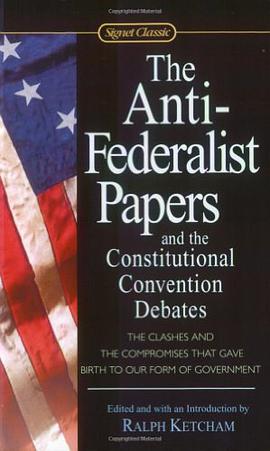
The Anti-Federalist Papers and the Constitutional Convention Debates Douban
author:
Ralph Ketcham
publishing house:
Signet Classics
2012
- 1
The dissenting opinions of Patrick Henry and others who saw the Constitution as a threat to our hard-won rights and liberties.
Edited and introduced by Ralph Ketcham.
Edited and introduced by Ralph Ketcham.
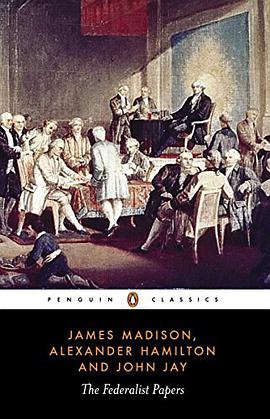
The Federalist Papers Douban
author:
Alexander Hamilton
/
James Madison
…
publishing house:
Penguin Classics
1987
- 4
Written at a time when furious arguments were raging about the best way to govern America, "The Federalist Papers" had the immediate practical aim of persuading New Yorkers to accept the newly drafted Constitution in 1787. In this they were supremely successful, but their influence also transcended contemporary debate to win them a lasting place in discussions of American political theory. Acclaimed by Thomas Jefferson as 'the best commentary on the principles of government which ever was written', "The Federalist Papers" make a powerful case for power-sharing between State and Federal authorities and for a Constitution that has endured largely unchanged for two hundred years.
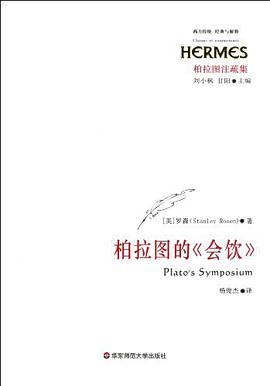
柏拉图的《会饮》 Douban
Plato's Symposium
author:
罗森
translator:
杨俊杰
publishing house:
华东师范大学出版社
2011
- 5
《柏拉图的<会饮>》为英语世界细致通解柏拉图《会饮》的第一部作品,首次采用戏剧形式来对待柏拉图的对话,探讨被柏拉图具象化了的人类性欲的哲学含义。《柏拉图的<会饮>》初版于20世纪60年代分析哲学和古典语文学诡异结合之际,当时大起争议,而今不但为各派学者接受,其关于男同性恋性行为的理论含义的分析,亦被视为人之存在的柏拉图戏剧现象学的关键所在。作者罗森锐气逼人,分析细腻,笔力雄健,虽有争雄施特劳斯之心,亦尽得乃师真传。
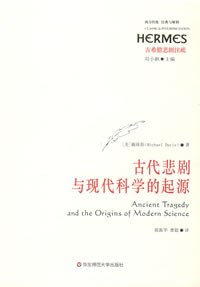
古代悲剧与现代科学的起源 Douban
author:
戴维斯(Micheal Davis)
translator:
郭振华
/
曹聪
publishing house:
华东师范大学出版社
2008
- 10
目录
“古希腊悲剧注疏”出版说明(刘小枫) / 1
中译本说明 /1
英文版前言 /1
致谢 /7
第一章导言 /9
第二章古代悲剧——索福克勒斯的《埃阿斯》 / 28
第三章现代科学的起源——笛卡尔的《谈谈方法》第一至三部分 / 57
第四章现代科学的终结——笛卡尔的《谈谈方法》第四至六部分 / 101
第五章自治的限度——柏拉图的《美诺》 / 149
第六章结语 / 223
参考书目 / 230
索引 / 236
古希腊悲剧注疏”出版说明(刘小枫)
古希腊悲剧源于每年一度的酒神祭(四月初举行,通常持续五天),表达大地的回春感(自然由生到死、再由死复生的巡回),祭仪内容主要是通过扮演动物表达心醉神迷、灵魂出窍的情态——这时要唱狂热的酒神祭拜歌。公元前六百年时,据说富有诗才的科林多乐师阿瑞翁(Arion)使得这种民俗性的祭拜歌具有了确定的格律形式,称为酒神祭歌(=Dithyrambos),由有合唱和领唱的歌队演唱。古希腊的悲剧,生发于在这种庄严肃穆的祭歌之间插入的有情节的表演,剧情仍然围绕祭神来展开。
我国古代没有“悲剧”“喜剧”的分类,只有剧种的分类。如今我们已经习惯把古希腊的tragedy译作“悲剧”,但罗念生先生早就指出,这个译法其实并不恰当,因为tragedy并非表达“伤心、哀恸、怜悯”的表演。Tragedy来自希腊文,词尾edy=[祭歌]即伴随音乐和舞蹈的敬拜式祭唱:Tragedy的前半部分Trag的原义是“雄兽”,与 edy 合拼就是“雄兽祭歌”,意思是给狄俄尼索斯神献祭雄兽时唱的祭歌,形式庄严肃穆。因此,Tragedy的恰切译法当是“肃剧”——汉语的“肃”意为“恭敬、庄重、揖拜”,还有“清除、引进”的意思,与古希腊Tragedy的政治含义颇为吻合。
Comedy的希腊语意为狂欢游行时纵情而又谐谑的祭歌,同样与酒神狄俄尼索斯崇拜有关。这种狂欢游唱形式后来发展成有情节的隐语式欢谑,译作“喜”剧,就失去了这一关键含义,不妨译作“谐剧”——“谐之言皆也。辞浅会俗,皆悦笑也”。“谐剧”的隐语形式上轻松、打趣,实则“大者兴治济身,其次弼违晓惑”,因此“古之嘲隐,振危释惫”。
约定俗成的译法即便不甚恰切,也不宜轻举妄动,但回头一想,西方文明进入中国才一百多年,从历史角度来看,刚开始而已,来日方长,译名或术语该改的话何不趁早改?
无论戏剧的严肃形式(肃剧)抑或轻快形式(谐剧),均与宗教性祭祀相关。从祭仪到戏剧的演化,关键一步是发明了有情节的轮唱:起先是歌队的领唱与合唱队的应答式轮流演唱,合唱队往往随歌起舞——尽管应答式轮流演唱已经可以展现情节,但剧情展示仍然大受限制,于是出现了专门的演员,与合唱歌队的歌和舞分开,各施其职:歌舞与演戏分开,合唱歌队演唱的英雄传说才有了具体的人物再现。起初演员只有一个,为了展开戏剧情节,演员得靠戴不同的面具来变换角色。诗人埃斯库洛斯索性把演员增加到两个,到了索福克勒斯时代,演员才加到三个:演戏的成份明显增多来了,但合唱歌队的歌和舞仍然起结构性的支撑作用。
肃剧源于酒神祭拜民俗——最早发明有情节的轮唱的艺人忒斯匹斯(,Thespis)出生在阿提卡的Ikaria村社,当地就风行狄俄尼索斯崇拜和祭拜表演。僭主庇西斯特拉图(Peisistratus,约前600—528)当政(公元前560年)后,把狄俄尼索斯祭拜表演从山区引入雅典城邦,搞起了酒神戏剧节,此时雅典在这位僭主治下正加快步伐走向民主政制。
雅典城邦的统治者创办戏剧节,对于雅典城邦来说是一件大事——有抱负的统治者必须陶铸自己人民的性情,为此就需要有自己的德育“教材”。从前,整个泛希腊的政治教育都是说唱荷马叙事诗和各种习传神话,现在,城民诗人为了荣誉和奖赏而相互竞赛作诗,戏剧节为得奖作品提供演出机会,城邦就有了取代荷马教本的德育教材。不仅如此,开办戏剧节也是城邦走向民主政制的重要一步:剧场与法庭、公民大会、议事会一样,是一个体现民主政治的制度性机制——雅典城邦的肃剧和谐剧是雅典人自编、自演、自看、自评。雅典城邦人口不多,上万人的剧场几乎能装下多数成年公民,观众都是熟人,写戏的、演戏的和评戏的人相互也是熟人;演员与合唱歌队这两个基本的表演要素形成的互动关系,相当程度上反映了民主政治形成之初和之后出现的新的人际关系——通过戏剧,城邦人民反观自己的所为、审查自己的政治意见、雕琢自己的城邦美德,从而,戏剧在城邦中起着重要的公民教育作用——戏剧诗人成了人民的政治教育者,其政治责任首先在于,把城民同自己的古典传统维系在一起。
雅典民主政制才是古希腊肃剧和谐剧的真正摇篮——所有古代文明都有自己的宗教祭仪,但并非所有古代文明都有城邦性质的民主政制。古希腊戏剧(肃剧和谐剧)这一独特的艺术形式与古希腊城邦出现的民主政制相辅相成。因而,追问中国古代为什么没有肃剧,与追问中国古代为什么没有演讲术,同样没有意义。古希腊肃剧的内容,明显反映了雅典城邦民主制的形成、发展和衰落的过程,展现了民主政制中的雅典人的自我认识、新的生活方式及其伦理观念。从而,古希腊肃剧实际上是人类历史上的一个特别时刻所发生的一个特别的事件。研究古希腊肃剧,不应该把它用作一种普遍的戏剧形式去衡量其他古代文明,我们倒是应该充分关注这一戏剧形式本身的特殊性及其所反映的民主政治问题,尤其民主政制形成初期与传统的优良政制的尖锐矛盾。
古代戏剧的基本要素说到底是言辞(如今所谓“话剧”),戏剧基于行动,但行动在戏台上更多靠言辞而非表演来呈现,即便表达悲哀的呻吟和痛苦的叫喊,靠的也是言辞表达功力,而非如今装腔作势的演技——由此引出一个问题:如何学习和研究古希腊戏剧?
自结构主义人类学兴起以来,古希腊肃剧研究出现了重大转向:学界关注的不再是传世的三十多部剧作本身,而是戏剧反映的所谓当时的文化生态和社会习俗。即便研读剧作,也是为了去寻求社会政治结构的佐证。亚里士多德在《论诗术》中说,肃剧作品即便没有演出,也值得一读,现代的人类学古典学者却说,要“看戏”而非“读戏”,自负地说,亚里士多德根本不懂肃剧。
问题关键在于,后世应当不断从肃剧作品中学习什么——学习古希腊的诗人在民主政治的时代如何立言……“无有屈原,岂见《离骚》”;没有埃斯库罗斯、索福克勒斯、欧里庇德斯,岂见伟大的传世肃剧!——“陶铸性情,功在上哲”,现代的人类学古典学者让我们不再关注诗人,而是去关注社会习俗,无异于废除了让我们陶铸性情的机会。相反,按照亚里士多德的教诲,即便如今我们没有机会看到肃剧演出,也可以通过细读作品,“洞性灵之奥区,极文章之骨髓”。
幸赖罗念生、周作人、缪灵珠、杨宪益等前辈辛勤笔耕,至上世纪末,古希腊悲剧的汉译大体已备,晚近则有张竹明、王焕生先生的全译本问世(译林版2007)。“古希腊悲剧注疏”乃注疏体汉译古希腊悲剧全编,广采西方学界近百年来的相关成果,务求在辨识版本、吸纳注疏、诗行编排等方面有所精进,亦收义疏性专著或文集,为我国的古典文教事业的蓬勃展开和推进古希腊悲剧研究提供踏实稳靠的文本。(刘小枫)
中译本说明(郭振华、曹聪)
将现代科学的起源追溯至古希腊悲剧,这一做法并不稀奇。在《科学与现代世界》第一章“现代科学的起源”(与本书第三章同名)中,怀特海(A. N. Whitehead)就已经谈道:希腊人对自然的看法(至少是他们留传到后世的宇宙观)本质上是戏剧性的。……他们认为宇宙的结构方式就像一出戏剧中的情节那样,完全是为了体现出一般观念都归结到的一个目的。……希腊戏剧作品通过各种形式在许多方面对中古思想发生了直接影响。今天所存在的科学思想的始祖是古雅典的伟大悲剧家埃斯库罗斯、索福克勒斯和欧里庇德斯等人。他们认为命运是残酷无情的,驱使着悲剧性事件不可逃避地发生。这正是科学所持的观点。希腊悲剧中的命运,成了现代思想中的自然秩序。……这种无情的必然性充满了科学的思想。物理的定律就等于人生命运的律令。参《科学与近代世界》,怀特海著,何钦译,北京:商务印书馆,1997,页8-11。楷体强调为引者所加。与笛卡尔相似,怀特海紧紧盯住科学的“移风易俗”作用,还在该书篇末鼓动现代思想家争做“世界的主宰”。同上,页199。戴维斯教授虽然同样将现代科学的起源追溯至古希腊悲剧,但是,他举的例子是索福克勒斯笔下自杀的埃阿斯——可见他并没有怀特海那么乐观。而且,本书讨论完笛卡尔的《谈谈方法》之后,接着便讨论柏拉图的《美诺》,而《美诺》的主题恰恰是美德——这很可能是在提醒我们注意科学与美德、道德的关系。……我们都知道,新科学(以及新科学基础上的新技术)取得了巨大的成就,我们也都能看到,人的力量得到了巨大增长。与前人相比,现代人是巨人。但是,我们同样注意到,智慧和美德没有取得相应的增长。我们不知道,作为巨人的现代人究竟比前人好还是比前人坏。除此之外,现代科学的这种发展在如下观点中到达顶峰:人不能以一种负责任的方式区分善恶——即著名的“价值判断”。关于如何正确使用现代科学的巨大力量,没有什么负责任的话可讲。现代人是瞎了眼的巨人。施特劳斯,《进步还是回归》(Progress or Return),文见《古典政治理性主义的重生:施特劳斯思想绪论》(The Rebirth of Classical Political Rationalism: An Introduction to the Thought of Leo Strauss,中译本见华夏出版社,即出),Thomas L. Pangle编,the University of Chicago Prerss,1989,页239。前面是古典悲剧,后面是古典政治哲学,中间夹着现代科学——戴维斯教授从“细致考察诸节骨眼入手”,施特劳斯,《如何着手研究中古哲学》,文见《古典政治理性主义的重生》,前揭,页218。以通古今之变,正本清源地审视现代科学提出的各种主张。本书节骨眼是“自治”(autonomy)——埃阿斯因不能自治而自杀,笛卡尔意欲通过新科学达到自治,柏拉图通过《美诺》说明自治的限度。auto即autos、self[自己],nomy即nomos[礼法、习俗、法律]、nomizō[立法、统治、治理];合在一起,就是“自治”。Autonomy还可以译为 “自主”、“自律”、“自作主张”、“自己立法”、“[不假外求地]自己作自己的主人”……为统一译名起见,本书在绝大多数情况下都将autonomy译为“自治”。
下面简要介绍一下本书作者。在《走向古典诗学之路:与伯纳德特聚谈》中,我们已经听到过戴维斯教授的声音。他是伯纳德特的高足之一,现为萨拉•劳伦斯学院(Sarah Lawrence College)哲学教授,同时在福达姆大学(Fordham University)政治学系教授研究生课程。迄今为止,戴维斯教授的著作主要有以下六本:
《古代悲剧和现代科学的起源》(Ancient Tragedy and the Origins of Modern Science,Carbondale:Southern Illinois University Press,1988),主要处理三个文本:索福克勒斯的《埃阿斯》,笛卡尔《谈谈方法》,柏拉图《美诺》,还在导言中谈到柏拉图《会饮》的一些妙处;
《哲学之政:亚里士多德〈政治学〉义疏》(The Politics of Philosophy: A Commentary on Aristotles Politics,Lanham,MD: Rowman & Littlefield,1996,中译本将由华夏出版社出版);
《哲学之诗:亚里士多德〈论诗术〉》(The Poetry of Philosophy: on Aristotles Poetics, South Bend, Ind.:St. Augustines Press,1999),通过文本细读,疏解《论诗术》;
《哲学述怀:卢梭〈孤独漫步者的遐思〉》(The Autobiography of Philosophy: Rousseaus The Reveries of the Solitary Walker,Published:Lanham,MD:Rowman & Littlefield,1999,中译本将由华东师大出版社出版),分两部分,第一部分约80页,分四章,分别处理四个文本:海德格尔《存在与时间》、尼采《论道德的谱系》、亚里士多德《形而上学》第一章、柏拉图《吕西斯》;第二部分约160页,以超过原书的篇幅细读卢梭《孤独漫步者的遐思》;
《亚里士多德〈论诗术〉译注》(Aristotle on Poetics,St. Augustines Press,2002),伯纳德特、戴维斯合译。此书导言由戴维斯撰写,已有陈明珠译文:“《诗学》微”,刊于《经典与解释》第十四辑,《〈诗学〉解诂》,刘小枫、陈少明主编,2006;
《求知欲:深思自由教育》(Wonderlust: Ruminations on Liberal Education,South Bend, Ind.:St. Augustines Press,2006),这本书是戴维斯教授的演讲、论文集,分三部分:第一部分主要讲自由教育,第二部分具体阅读一些古典大书,第三部分则谈及作者的老师们,如施特劳斯、肯宁顿、伯纳德特。
戴维斯教授告诉我们,他的下一本书大概会题为《希腊人的灵魂》(The Soul of the Greeks),大约分为五章,分别涉及荷马、希罗多德、欧里庇德斯、柏拉图、亚里士多德的文本。
此外,戴维斯还和萝娜•伯格一起编订伯纳德特文集,使我们这些后学有机会更多地受惠于这位好老师。现有:《情节论证:希腊诗哲散论》(The Argument of the Action: Essays on Greek Poetry and Philosophy,University Of Chicago Press,2000);《阿基里斯和赫克托尔:荷马的英雄》(Achilles and Hector: The Homeric Hero,South Bend, Ind.:St. Augustines Press,2005,附有戴维斯教授的导言)。戴维斯教授欣然告诉我们,下一部伯纳德特文集将题为《柏拉图式阅读:希腊罗马诗哲散论》(Platonic Readings: Essays in Greek and Roman Poetry and Philosophy),里面将收入不少未刊遗稿。
本书第三、四章由曹聪译出,其余部分由郭振华译出。翻译第二章时,我们对发表在《经典与解释》第十九期上的孔许友译文有所参考,特此致谢。另外,我们还要感谢中国科学院科技哲学专业的郝苑同学在文献上的部分支持。最后,翻译本书期间,戴维斯教授数次细致回信,在翻译和研究方面都给予我们不少宝贵建议,甚至寄来一些遍寻无着的珍贵资料,在此我们要向他深表感谢。(郭振华、曹聪2008年6月于中山大学哲学系)
“古希腊悲剧注疏”出版说明(刘小枫) / 1
中译本说明 /1
英文版前言 /1
致谢 /7
第一章导言 /9
第二章古代悲剧——索福克勒斯的《埃阿斯》 / 28
第三章现代科学的起源——笛卡尔的《谈谈方法》第一至三部分 / 57
第四章现代科学的终结——笛卡尔的《谈谈方法》第四至六部分 / 101
第五章自治的限度——柏拉图的《美诺》 / 149
第六章结语 / 223
参考书目 / 230
索引 / 236
古希腊悲剧注疏”出版说明(刘小枫)
古希腊悲剧源于每年一度的酒神祭(四月初举行,通常持续五天),表达大地的回春感(自然由生到死、再由死复生的巡回),祭仪内容主要是通过扮演动物表达心醉神迷、灵魂出窍的情态——这时要唱狂热的酒神祭拜歌。公元前六百年时,据说富有诗才的科林多乐师阿瑞翁(Arion)使得这种民俗性的祭拜歌具有了确定的格律形式,称为酒神祭歌(=Dithyrambos),由有合唱和领唱的歌队演唱。古希腊的悲剧,生发于在这种庄严肃穆的祭歌之间插入的有情节的表演,剧情仍然围绕祭神来展开。
我国古代没有“悲剧”“喜剧”的分类,只有剧种的分类。如今我们已经习惯把古希腊的tragedy译作“悲剧”,但罗念生先生早就指出,这个译法其实并不恰当,因为tragedy并非表达“伤心、哀恸、怜悯”的表演。Tragedy来自希腊文,词尾edy=[祭歌]即伴随音乐和舞蹈的敬拜式祭唱:Tragedy的前半部分Trag的原义是“雄兽”,与 edy 合拼就是“雄兽祭歌”,意思是给狄俄尼索斯神献祭雄兽时唱的祭歌,形式庄严肃穆。因此,Tragedy的恰切译法当是“肃剧”——汉语的“肃”意为“恭敬、庄重、揖拜”,还有“清除、引进”的意思,与古希腊Tragedy的政治含义颇为吻合。
Comedy的希腊语意为狂欢游行时纵情而又谐谑的祭歌,同样与酒神狄俄尼索斯崇拜有关。这种狂欢游唱形式后来发展成有情节的隐语式欢谑,译作“喜”剧,就失去了这一关键含义,不妨译作“谐剧”——“谐之言皆也。辞浅会俗,皆悦笑也”。“谐剧”的隐语形式上轻松、打趣,实则“大者兴治济身,其次弼违晓惑”,因此“古之嘲隐,振危释惫”。
约定俗成的译法即便不甚恰切,也不宜轻举妄动,但回头一想,西方文明进入中国才一百多年,从历史角度来看,刚开始而已,来日方长,译名或术语该改的话何不趁早改?
无论戏剧的严肃形式(肃剧)抑或轻快形式(谐剧),均与宗教性祭祀相关。从祭仪到戏剧的演化,关键一步是发明了有情节的轮唱:起先是歌队的领唱与合唱队的应答式轮流演唱,合唱队往往随歌起舞——尽管应答式轮流演唱已经可以展现情节,但剧情展示仍然大受限制,于是出现了专门的演员,与合唱歌队的歌和舞分开,各施其职:歌舞与演戏分开,合唱歌队演唱的英雄传说才有了具体的人物再现。起初演员只有一个,为了展开戏剧情节,演员得靠戴不同的面具来变换角色。诗人埃斯库洛斯索性把演员增加到两个,到了索福克勒斯时代,演员才加到三个:演戏的成份明显增多来了,但合唱歌队的歌和舞仍然起结构性的支撑作用。
肃剧源于酒神祭拜民俗——最早发明有情节的轮唱的艺人忒斯匹斯(,Thespis)出生在阿提卡的Ikaria村社,当地就风行狄俄尼索斯崇拜和祭拜表演。僭主庇西斯特拉图(Peisistratus,约前600—528)当政(公元前560年)后,把狄俄尼索斯祭拜表演从山区引入雅典城邦,搞起了酒神戏剧节,此时雅典在这位僭主治下正加快步伐走向民主政制。
雅典城邦的统治者创办戏剧节,对于雅典城邦来说是一件大事——有抱负的统治者必须陶铸自己人民的性情,为此就需要有自己的德育“教材”。从前,整个泛希腊的政治教育都是说唱荷马叙事诗和各种习传神话,现在,城民诗人为了荣誉和奖赏而相互竞赛作诗,戏剧节为得奖作品提供演出机会,城邦就有了取代荷马教本的德育教材。不仅如此,开办戏剧节也是城邦走向民主政制的重要一步:剧场与法庭、公民大会、议事会一样,是一个体现民主政治的制度性机制——雅典城邦的肃剧和谐剧是雅典人自编、自演、自看、自评。雅典城邦人口不多,上万人的剧场几乎能装下多数成年公民,观众都是熟人,写戏的、演戏的和评戏的人相互也是熟人;演员与合唱歌队这两个基本的表演要素形成的互动关系,相当程度上反映了民主政治形成之初和之后出现的新的人际关系——通过戏剧,城邦人民反观自己的所为、审查自己的政治意见、雕琢自己的城邦美德,从而,戏剧在城邦中起着重要的公民教育作用——戏剧诗人成了人民的政治教育者,其政治责任首先在于,把城民同自己的古典传统维系在一起。
雅典民主政制才是古希腊肃剧和谐剧的真正摇篮——所有古代文明都有自己的宗教祭仪,但并非所有古代文明都有城邦性质的民主政制。古希腊戏剧(肃剧和谐剧)这一独特的艺术形式与古希腊城邦出现的民主政制相辅相成。因而,追问中国古代为什么没有肃剧,与追问中国古代为什么没有演讲术,同样没有意义。古希腊肃剧的内容,明显反映了雅典城邦民主制的形成、发展和衰落的过程,展现了民主政制中的雅典人的自我认识、新的生活方式及其伦理观念。从而,古希腊肃剧实际上是人类历史上的一个特别时刻所发生的一个特别的事件。研究古希腊肃剧,不应该把它用作一种普遍的戏剧形式去衡量其他古代文明,我们倒是应该充分关注这一戏剧形式本身的特殊性及其所反映的民主政治问题,尤其民主政制形成初期与传统的优良政制的尖锐矛盾。
古代戏剧的基本要素说到底是言辞(如今所谓“话剧”),戏剧基于行动,但行动在戏台上更多靠言辞而非表演来呈现,即便表达悲哀的呻吟和痛苦的叫喊,靠的也是言辞表达功力,而非如今装腔作势的演技——由此引出一个问题:如何学习和研究古希腊戏剧?
自结构主义人类学兴起以来,古希腊肃剧研究出现了重大转向:学界关注的不再是传世的三十多部剧作本身,而是戏剧反映的所谓当时的文化生态和社会习俗。即便研读剧作,也是为了去寻求社会政治结构的佐证。亚里士多德在《论诗术》中说,肃剧作品即便没有演出,也值得一读,现代的人类学古典学者却说,要“看戏”而非“读戏”,自负地说,亚里士多德根本不懂肃剧。
问题关键在于,后世应当不断从肃剧作品中学习什么——学习古希腊的诗人在民主政治的时代如何立言……“无有屈原,岂见《离骚》”;没有埃斯库罗斯、索福克勒斯、欧里庇德斯,岂见伟大的传世肃剧!——“陶铸性情,功在上哲”,现代的人类学古典学者让我们不再关注诗人,而是去关注社会习俗,无异于废除了让我们陶铸性情的机会。相反,按照亚里士多德的教诲,即便如今我们没有机会看到肃剧演出,也可以通过细读作品,“洞性灵之奥区,极文章之骨髓”。
幸赖罗念生、周作人、缪灵珠、杨宪益等前辈辛勤笔耕,至上世纪末,古希腊悲剧的汉译大体已备,晚近则有张竹明、王焕生先生的全译本问世(译林版2007)。“古希腊悲剧注疏”乃注疏体汉译古希腊悲剧全编,广采西方学界近百年来的相关成果,务求在辨识版本、吸纳注疏、诗行编排等方面有所精进,亦收义疏性专著或文集,为我国的古典文教事业的蓬勃展开和推进古希腊悲剧研究提供踏实稳靠的文本。(刘小枫)
中译本说明(郭振华、曹聪)
将现代科学的起源追溯至古希腊悲剧,这一做法并不稀奇。在《科学与现代世界》第一章“现代科学的起源”(与本书第三章同名)中,怀特海(A. N. Whitehead)就已经谈道:希腊人对自然的看法(至少是他们留传到后世的宇宙观)本质上是戏剧性的。……他们认为宇宙的结构方式就像一出戏剧中的情节那样,完全是为了体现出一般观念都归结到的一个目的。……希腊戏剧作品通过各种形式在许多方面对中古思想发生了直接影响。今天所存在的科学思想的始祖是古雅典的伟大悲剧家埃斯库罗斯、索福克勒斯和欧里庇德斯等人。他们认为命运是残酷无情的,驱使着悲剧性事件不可逃避地发生。这正是科学所持的观点。希腊悲剧中的命运,成了现代思想中的自然秩序。……这种无情的必然性充满了科学的思想。物理的定律就等于人生命运的律令。参《科学与近代世界》,怀特海著,何钦译,北京:商务印书馆,1997,页8-11。楷体强调为引者所加。与笛卡尔相似,怀特海紧紧盯住科学的“移风易俗”作用,还在该书篇末鼓动现代思想家争做“世界的主宰”。同上,页199。戴维斯教授虽然同样将现代科学的起源追溯至古希腊悲剧,但是,他举的例子是索福克勒斯笔下自杀的埃阿斯——可见他并没有怀特海那么乐观。而且,本书讨论完笛卡尔的《谈谈方法》之后,接着便讨论柏拉图的《美诺》,而《美诺》的主题恰恰是美德——这很可能是在提醒我们注意科学与美德、道德的关系。……我们都知道,新科学(以及新科学基础上的新技术)取得了巨大的成就,我们也都能看到,人的力量得到了巨大增长。与前人相比,现代人是巨人。但是,我们同样注意到,智慧和美德没有取得相应的增长。我们不知道,作为巨人的现代人究竟比前人好还是比前人坏。除此之外,现代科学的这种发展在如下观点中到达顶峰:人不能以一种负责任的方式区分善恶——即著名的“价值判断”。关于如何正确使用现代科学的巨大力量,没有什么负责任的话可讲。现代人是瞎了眼的巨人。施特劳斯,《进步还是回归》(Progress or Return),文见《古典政治理性主义的重生:施特劳斯思想绪论》(The Rebirth of Classical Political Rationalism: An Introduction to the Thought of Leo Strauss,中译本见华夏出版社,即出),Thomas L. Pangle编,the University of Chicago Prerss,1989,页239。前面是古典悲剧,后面是古典政治哲学,中间夹着现代科学——戴维斯教授从“细致考察诸节骨眼入手”,施特劳斯,《如何着手研究中古哲学》,文见《古典政治理性主义的重生》,前揭,页218。以通古今之变,正本清源地审视现代科学提出的各种主张。本书节骨眼是“自治”(autonomy)——埃阿斯因不能自治而自杀,笛卡尔意欲通过新科学达到自治,柏拉图通过《美诺》说明自治的限度。auto即autos、self[自己],nomy即nomos[礼法、习俗、法律]、nomizō[立法、统治、治理];合在一起,就是“自治”。Autonomy还可以译为 “自主”、“自律”、“自作主张”、“自己立法”、“[不假外求地]自己作自己的主人”……为统一译名起见,本书在绝大多数情况下都将autonomy译为“自治”。
下面简要介绍一下本书作者。在《走向古典诗学之路:与伯纳德特聚谈》中,我们已经听到过戴维斯教授的声音。他是伯纳德特的高足之一,现为萨拉•劳伦斯学院(Sarah Lawrence College)哲学教授,同时在福达姆大学(Fordham University)政治学系教授研究生课程。迄今为止,戴维斯教授的著作主要有以下六本:
《古代悲剧和现代科学的起源》(Ancient Tragedy and the Origins of Modern Science,Carbondale:Southern Illinois University Press,1988),主要处理三个文本:索福克勒斯的《埃阿斯》,笛卡尔《谈谈方法》,柏拉图《美诺》,还在导言中谈到柏拉图《会饮》的一些妙处;
《哲学之政:亚里士多德〈政治学〉义疏》(The Politics of Philosophy: A Commentary on Aristotles Politics,Lanham,MD: Rowman & Littlefield,1996,中译本将由华夏出版社出版);
《哲学之诗:亚里士多德〈论诗术〉》(The Poetry of Philosophy: on Aristotles Poetics, South Bend, Ind.:St. Augustines Press,1999),通过文本细读,疏解《论诗术》;
《哲学述怀:卢梭〈孤独漫步者的遐思〉》(The Autobiography of Philosophy: Rousseaus The Reveries of the Solitary Walker,Published:Lanham,MD:Rowman & Littlefield,1999,中译本将由华东师大出版社出版),分两部分,第一部分约80页,分四章,分别处理四个文本:海德格尔《存在与时间》、尼采《论道德的谱系》、亚里士多德《形而上学》第一章、柏拉图《吕西斯》;第二部分约160页,以超过原书的篇幅细读卢梭《孤独漫步者的遐思》;
《亚里士多德〈论诗术〉译注》(Aristotle on Poetics,St. Augustines Press,2002),伯纳德特、戴维斯合译。此书导言由戴维斯撰写,已有陈明珠译文:“《诗学》微”,刊于《经典与解释》第十四辑,《〈诗学〉解诂》,刘小枫、陈少明主编,2006;
《求知欲:深思自由教育》(Wonderlust: Ruminations on Liberal Education,South Bend, Ind.:St. Augustines Press,2006),这本书是戴维斯教授的演讲、论文集,分三部分:第一部分主要讲自由教育,第二部分具体阅读一些古典大书,第三部分则谈及作者的老师们,如施特劳斯、肯宁顿、伯纳德特。
戴维斯教授告诉我们,他的下一本书大概会题为《希腊人的灵魂》(The Soul of the Greeks),大约分为五章,分别涉及荷马、希罗多德、欧里庇德斯、柏拉图、亚里士多德的文本。
此外,戴维斯还和萝娜•伯格一起编订伯纳德特文集,使我们这些后学有机会更多地受惠于这位好老师。现有:《情节论证:希腊诗哲散论》(The Argument of the Action: Essays on Greek Poetry and Philosophy,University Of Chicago Press,2000);《阿基里斯和赫克托尔:荷马的英雄》(Achilles and Hector: The Homeric Hero,South Bend, Ind.:St. Augustines Press,2005,附有戴维斯教授的导言)。戴维斯教授欣然告诉我们,下一部伯纳德特文集将题为《柏拉图式阅读:希腊罗马诗哲散论》(Platonic Readings: Essays in Greek and Roman Poetry and Philosophy),里面将收入不少未刊遗稿。
本书第三、四章由曹聪译出,其余部分由郭振华译出。翻译第二章时,我们对发表在《经典与解释》第十九期上的孔许友译文有所参考,特此致谢。另外,我们还要感谢中国科学院科技哲学专业的郝苑同学在文献上的部分支持。最后,翻译本书期间,戴维斯教授数次细致回信,在翻译和研究方面都给予我们不少宝贵建议,甚至寄来一些遍寻无着的珍贵资料,在此我们要向他深表感谢。(郭振华、曹聪2008年6月于中山大学哲学系)