脑科学
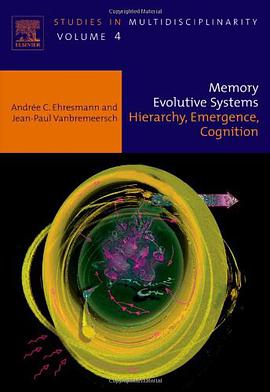
Memory Evolutive Systems; Hierarchy, Emergence, Cognition, Volume 4 豆瓣
作者: A C Ehresmann / J.P. Vanbremeersch 出版社: Elsevier Science 2007 - 7
The theory of Memory Evolutive Systems represents a mathematical model for natural open self-organizing systems, such as biological, sociological or neural systems. In these systems, the dynamics are modulated by the cooperative and/or competitive interactions between the global system and a net of internal Centers of Regulation (CR) with a differential access to a central hierarchical Memory. The MES proposes a mathematical model for autonomous evolutionary systems and is based on the Category Theory of mathematics. It provides a framework to study and possibly simulate the structure of 'living systems' and their dynamic behavior. MES explores what characterizes a complex evolutionary system, what distinguishes it from inanimate physical systems, its functioning and evolution in time, from its birth to its death. The behavior of this type of system depends heavily on its former experiences, and a model representing the system over a period of time, could anticipate later behavior and perhaps even predict some evolutionary alternatives. The role of the MES model will be two-fold: theoretical, for a comprehension of a fundamental nature and practical, for applications in biology, medicine, sociology, ecology, economy, meteorology, and other sciences. This book provides comprehensive and comprehensible coverage of Memory Evolutive System. It is written by the developers of the Memory Evolutive Systems. It is designed to explore the common language between sciences.
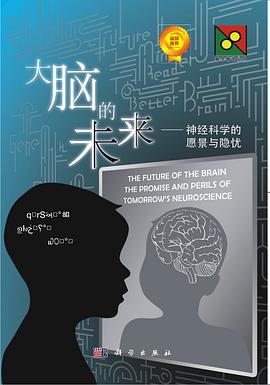
大脑的未来 豆瓣
The Future of the Brain: The Promise and Perils of Tomorrow's Neuroscience
作者: Steven Rose 译者: 尚春峰 / 许多 出版社: 科学出版社 2016 - 3
神经科学在自然探索、临床治疗、智能技术以至社会生活等方面都具有重要意义,因而受到了越来越多的关注。本书全面阐述了目前神经科学在大脑的演化来源、发育过程、神经元网络功能运作、脑疾病与衰老、神经药物和神经调控技术等方面的理解,结合神经科学发展的历史,深入分析和探讨了神经科学和一般的生物学研究中若干基本的哲学问题,特别是深入讨论了神经药物和神经调控技术将会对社会生活和伦理造成的种种影响以及科学家和一般民众所应持有的态度。作为近十年来欧美出版的神经科学普及读物中最为深刻的一种,本书可以给高年级大学生、研究生以及其他领域的科研工作者作为神经科学的入门读物,也是对神经科学感兴趣的其他读者的恰当选择。
2018年11月5日 已读
读开头两章我还古怪蒲慕明怎么要译校这本06年的书,似乎没什么新鲜。到后头才发现原来这是神经学家的吐槽大作。无论是哲学上的二元论、还原论还有笛卡尔的心智理论,还是演化心理学的强行逻辑、行为主义的机械脑、物理学的量子脑,或者统计学的相关非因果和均值,这些Steven Rose都批判得挺深刻,以至于书中他几乎没给自己的记忆研究安排多少篇幅。平克老兄最惨,好几本书都被怼了。
Rose对“意识问题”的缄默态度以及他自己作为神经学家和社会公民两种角色应该有的态度好评。借用杨绛的话,咱们的问题在于“读书”太少,想得太多。还没知道个所以然就开始开宗立派了(虽然从社会经济角度来说是正常的)。
最大的收获:发现了以前没有注意到发育生物学在脑科学中的重要性,得补补课了。
人工智能 人生必读 人脑工程 心理学 未来
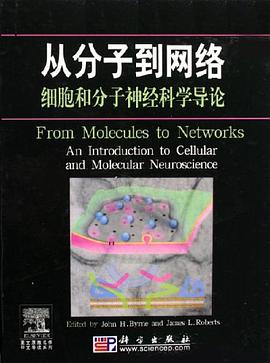
从分子到网络 豆瓣
作者: John H. Byrne / James L. Roberts 出版社: 科学出版社 2006 - 3
神经元(神经细胞)是构成神经系统的基石,对神经元各个方面的深入、彻底的理解对于我们从各个层次对神经系统进行分析都是十分必要的。本书论述神经细胞的形态学、生物化学、生物物理学基础知识,这些知识正迎合了相关专业的大学生、研究生、科研人员的需要。
2000年诺贝尔生理医学奖获得者Eric R.Kandel盛赞此书:“凭着对神经生理学的独到的、富有创见的阐述,这本书填补了一个亟需填补的空白。
行文清晰,尤其是插图经过了精心设计,图示精美。
每一章的编写才均为该令域的权威和学科带头人。
被专家誉为“神经科学家书架上的必备书”。
神经科学的历史发展和思考 豆瓣
作者: 陈宜张 2008 - 9
《神经科学的历史发展和思考》系统地回顾人类认识脑和神经功能的历史,介绍推动脑研究的著名学者的贡献,着重勾画当代脑科学的成长历程。作者通过对历史脉络的梳理,阐述对于神经科学发展的认识和思考,启迪读者在了解过去的基础上把握神经科学的现状与未来,由此摸索揭秘大脑“黑匣子”的方法和途径。
《神经科学的历史发展和思考》主要由中国科学院院士、神经生理学家陈宜张教授撰写,中国科学院院士杨雄里、吴建屏、段树民以及中科院动物研究所的郭郛研究员参与撰写了部分内容。
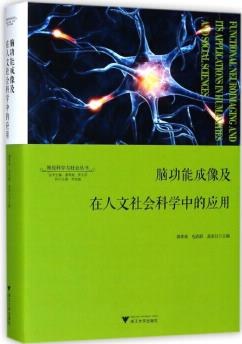
脑功能成像及在人文社会科学中的应用 豆瓣
作者: 唐孝威 / 包尚联 出版社: 浙江大学出版社 2018 - 5
人脑由自然界中 复杂的物质构成,脑功能是自 然界中 复杂的运动形式。脑的研究具有重大的科学 意义和深远的哲学意义,揭示脑的工作原理是当代自 然科学、社会科学和哲学面临的共同挑战。要认识脑 ,必须探测脑和研究脑,特别是在实验上无损伤地、 实时地测量和研究脑 活动时脑内发生的变化。
唐孝威、包尚联、高家红主编的《脑功能成像及 在人文社会科学中的应用》介绍了 新脑功能成像技 术原理及在人文社会科学领域的应用,以便相关学科 的研究人员 好地了解和利用这些技术,推进脑领域 的实验研究和科学实践。
禪與腦:開悟如何改變大腦的運作 豆瓣
作者: James H. Austin 译者: 朱迺欣 出版社: 遠流 2007 - 8
赫胥黎把人類精神成長的基本趨勢稱為「永恆哲學」,奧斯汀認為這種趨勢表示一種動態的、直接的「永恆心理生理學」,因為覺醒或開悟發生在人類的腦經歷重大改變的時刻。開悟的顛峰經驗是什麼?這些狀態如何能深入強化,卻又能簡化腦的運作?
在這本書裡,禪學變成廣泛探索意識的楔子。為了要釐清哪些腦機制產生禪的狀態,我們必須對腦的解剖、生理和生化有某種程度的瞭解。奧斯汀是腦神經科學家,同時也是禪修行者,他把腦研究與他的禪經驗交織在一起:科學的部分廣泛而嚴謹,禪的部分清晰又吸引人。
第一部分談到禪是什麼,不是什麼;第二部分檢視禪的基本生理機制,不是它的偶發現象;第三部分整理腦研究的新近相關發展;第四部分定義意識的通常狀態和不同狀態。這項基礎工作,也作為第五到第七部分的序曲:首先提供幾種不同意識狀態的特殊實例,接著討論意識如何、何處與何時在人類腦的深處浮現。最後,第八部分是超越短暫經驗的澄清持續開悟階段,和它對社會的影響。
《禪與腦》總結呈現最新的證據,這本書同時也是一位神經科醫師個人的探索,以及專業研究的故事。
My Stroke of Insight 豆瓣
作者: Jill Bolte Taylor 出版社: Viking Adult 2008 - 5
在线阅读本书
A brain scientist's journey from a debilitating stroke to full recovery becomes an inspiring exploration of human consciousness and its possibilities
On the morning of December 10, 1996, Jill Bolte Taylor, a thirty-seven-year-old Harvard-trained brain scientist, experienced a massive stroke when a blood vessel exploded in the left side of her brain. A neuroanatomist by profession, she observed her own mind completely deteriorate to the point that she could not walk, talk, read, write, or recall any of her life, all within the space of four brief hours. As the damaged left side of her brain--the rational, grounded, detail- and time-oriented side--swung in and out of function, Taylor alternated between two distinct and opposite realties: the euphoric nirvana of the intuitive and kinesthetic right brain, in which she felt a sense of complete well-being and peace; and the logical, sequential left brain, which recognized Jill was having a stroke, and enabled her to seek help before she was lost completely.
In My Stroke of Insight , Taylor shares her unique perspective on the brain and its capacity for recovery, and the sense of omniscient understanding she gained from this unusual and inspiring voyage out of the abyss of a wounded brain. It would take eight years for Taylor to heal completely. Because of her knowledge of how the brain works, her respect for the cells composing her human form, and most of all an amazing mother, Taylor completely repaired her mind and recalibrated her understanding of the world according to the insights gained from her right brain that morning of December 10th.
Today Taylor is convinced that the stroke was the best thing that could have happened to her. It has taught her that the feeling of nirvana is never more than a mere thought away. By stepping to the right of our left brains , we can all uncover the feelings of well-being and peace that are so often sidelined by our own brain chatter. A fascinating journey into the mechanics of the human mind, My Stroke of Insight is both a valuable recovery guide for anyone touched by a brain injury, and an emotionally stirring testimony that deep internal peace truly is accessible to anyone, at any time. Questions for Jill Bolte Taylor Amazon.com: Your first reaction when you realized what was happening to your body was one you would expect: "Oh my gosh, I'm having a stroke!" Your second, though, was a little more surprising: "Wow, this is so cool!" What could be cool about a stroke? Taylor: I grew up to study the brain because I have a brother who is only 18 months older than I am. He was very different in the way he perceived experiences and then chose to behave. As a result, I became fascinated with the human brain and how it creates our perception of reality. He was eventually diagnosed with the brain disorder schizophrenia, and I dedicated my career to the postmortem investigation of the human brain in an attempt to understand, at a biological level, what are the differences between my brain and my brothers brain. On the morning of the stroke, I realized that my brain was no longer functioning like a "normal" brain and this insight into my brother's reality excited me. I was fascinated to intimately understand what it might be like on the inside for someone who would not be diagnosed as normal. Through the eyes of a curious scientist, this was an absolutely rare and fascinating experience for me to witness the breakdown of my own mind. Amazon.com: What did you learn about the brain from your stroke and your recovery that your scientific training hadn't prepared you for? Taylor: My scientific training did not teach me anything about the human spirit and the value of compassion. I had been trained as a scientist, not as a clinician. I can only hope that we are teaching our future physicians about compassion in medicine, and I know that some medical schools, including the Indiana University School of Medicine, have created a curriculum with this intention. My training as a scientist, however, did provide me with a roadmap to how the body and brain work. And although I lost my left cognitive mind that thinks in language, I retained my right hemisphere that thinks in pictures. As a result, although I could not communicate with the external world, I had an intuitive understanding about what I needed to do in order to create an environment in which the cells in my brain could be happy and healthy enough that they could regain their function. In addition, because of my training, I had an innate trust in the ability of my brain to be able to recover itself and my mother and I respected the organ by listening to it. For example, when I was tired, I allowed my brain to sleep, and when I was fresh and capable of focusing my attention, we gave me age-appropriate toys and tools with which to work. Amazon.com: Your stroke affected functions in your left brain, leaving you to what you call the "la-la land" of your right hemisphere. What was it like to live in your right brain, and then to rebuild your left? Taylor: When the cells in my left brain became nonfunctional because they were swimming in a pool of blood, they lost their ability to inhibit the cells in my right hemisphere. In my right brain, I shifted into the consciousness of the present moment. I was in the right here, right now awareness, with no memories of my past and no perception of the future. The beauty of La-la land (my right hemisphere experience of the present moment) was that everything was an explosion of magnificent stimulation and I dwelled in a space of euphoria. This is great way to exist if you don't have to communicate with the external world or care whether or not you have the capacity to learn. I found that in order for me to be able to learn anything, however, I had to take information from the last moment and apply it to the present moment. When my left hemisphere was completely nonfunctional early on, it was impossible for me to learn, which was okay with me, but I am sure it was frustrating for those around me. A simple example of this was trying to put on my shoes and socks. I eventually became physically capable of putting my shoes and socks on, but I had no ability to understand why I would have to put my socks on before my shoes. To me they were simply independent actions that were not related and I did not have the cognitive ability to figure out the appropriate sequencing of the events. Over time, I regained the ability to weave moments back together to create an expanse of time, and with this ability came the ability to learn methodically again. Life in La-la land will always be just a thought away, but I am truly grateful for the ability to think with linearity once again. Amazon.com: What can we learn about our brains and ourselves from your experience, even if we haven't lived through the kind of brain trauma you have? Taylor: I learned that I have much more say about what goes on between my ears than I was ever taught and I believe that this is true for all of us. I used to understand that I had the ability to stop thinking about one thing by consciously choosing to preoccupy my mind with thinking about something else. But I had no idea that it only took 90 seconds for me to have an emotional circuit triggered, flush a physiological response through my body and then flush completely out of me. We can all learn that we can take full responsibility for what thoughts we are thinking and what emotional circuitry we are feeling. Knowing this and acting on this can lead us into feeling a wonderful sense of well-being and peacefulness. Amazon.com: You are the "Singin' Scientist" for Harvard's Brain Bank (just as you were before your stroke). Could you tell us about the Brain Bank (in song or not)? Taylor: There is a long-term shortage of brain tissue donated for research into the severe mental illnesses. Most people dont realize that when you sign the back of your license as an organ donor, the brain is not included. If you would like to donate your brain for research, you must contact a brain bank directly. There is also a shortage of "normal control" tissue for research. The bottom line reality is that if there were more tissue available for research, then more scientists would be dedicating their careers to the study of the severe mental illnesses and we would have more answers about what is going on with these disorders. The numbers of mentally ill individuals in our society are staggering. The most serious and disabling conditions affect about 6 percent--or one in 17--adults and 9-13 percent of children in the United States. Half of all lifetime conditions of mental illness start by age 14 years, and three-fourths by age 24 years. For more information about brain donation to the Harvard brain bank, please call 1-800-BRAINBANK or visit them at: www.brainbank.mclean.org If you would like to hear me sing the brain bank jingle, please visit www.drjilltaylor.com!
Time, Love, Memory 豆瓣
作者: Jonathan Weiner 出版社: Vintage 2000 - 4
A fascinating history--. Literate and authoritative--.Marvelously exciting. -- The New York Times Book Review
Jonathan Weiner, winner of the Pulitzer Prize for The Beak of the Finch , brings his brilliant reporting skills to the story of Seymour Benzer, the Brooklyn-born maverick scientist whose study of genetics and experiments with fruit fly genes has helped revolutionize or knowledge of the connections between DNA and behavior both animal and human.
How much of our fate is decided before we are born? Which of our characteristics is inscribed in our DNA? Weiner brings us into Benzer's Fly Rooms at the California Institute of Technology, where Benzer, and his asssociates are in the process of finding answers, often astonishing ones, to these questions. Part biography, part thrilling scientific detective story, Time, Love, Memory forcefully demonstrates how Benzer's studies are changing our world view--and even our lives.
记忆的常识 豆瓣
作者: [日] 柿木隆介 译者: 梁田 出版社: 低音·北京联合出版公司 2018 - 10
★★★
我们如何记忆,又因何遗忘?
日本脑研究领衔专家阐明记忆的构造与锻炼法!
全面辨析十余种激活大脑、有效记忆的方法
……………………
◎ 编辑推荐
★ 日本脑研究第一人为普通读者写的记忆科学扫盲读物;
★ 综合“脑科学家基础研究”与“神经科医生临床经验”揭示的“记忆”惊人新常识;
★ 22个普通人最关注的记忆问题的权威解读,帮助我们更好地使用记忆参与学习与工作;
★ 全面彻底分析、比较了十余种激活大脑、有效记忆的方法,讨论了诸如饮食、睡眠、运动对记忆的显著影响;
★ 介绍了与记忆相关的脑科学研究现状,包括作者自己多年钻研的以记忆为基础的测谎器“脑指纹”与“面孔记忆”的研究成果;
★ 本书特色无任何专业术语,客观地解说与记忆术、记忆法相关记载,与日常生活中的实例相结合。
……………………
◎ 内容简介
“激活大脑”一词最近掀起了脑科学热潮,然而目前科学尚未证明“短期内”大脑被激活后,就能 “长久”(10~20年后)远离痴呆症。世面上还充斥着不少有关“记忆术”的书籍和教材,难道读过这些书或者接受过记忆术训练的人,记忆力水平就真的能够突飞猛进吗?
本书面向普通大众,以浅显易懂的方式,从生活中记忆情景谈起,分析影响有效记忆的各种因素,回溯了历史上出现的各种记忆术,向读者全面介绍了与记忆相关的脑科学研究现状。作者同时还介绍了自己多年钻研的以记忆为基础的测谎器“脑指纹”与“面孔记忆”的研究成果,与各位读者一起探索记忆的本质,并对记忆有更进一步的认识。
本书以实事求是的态度,解答读者对于记忆方方面面的疑问,鼓励读者在科学认识记忆及其背后的脑科学知识后,合理选择并使用适合自己的记忆方法,获得更有价值的人生体验。
认知、脑与意识 豆瓣
作者: Bernard J. Baars / Nicole M. Gage 出版社: 科学出版社 2008 - 8
一股新的研究浪潮正改变着我们对人类思维和大脑的认识。许多基础教育领域已要求学生对认知神经科学具备基本的理解。不过,目前多数教科书都是为生物学专业的学生准备的,很少考虑心理学和其他相关专业的读者。本书意在填补这一空缺。
专为心理学、医学预科、教育不及神经科学本科生和研究生而写;采用易于理解的主题式写作方式,无需神经科学或生物学背景;章节设置循序渐进,可读性强,以简单漂亮的绘图作品构建大脑,令人印象深刻;每章结尾处附有思考题和绘图练习,帮助加深理解。
Language in Our Brain 豆瓣
作者: Angela D. Friederici 出版社: The MIT Press 2017
2018年8月9日 已读
Friederici基于现有神经语言学实验做的一套语言模型。分了语言输入、语言输出、语言习得和语言进化四个部分,前三者都做了结构化的模型(语言输入的研究最为详尽,另外他也注意到了语言神经网络的特点)。他还通过语言输入反映脑区,婴儿语言成长脑区和其他灵长动物交流脑区三个线索勾勒出以语法为核心的人类语言核心(及脑区),当然另一方面他也说明了神经语言学研究中题元角色的跨语言差异(p67)。现有实验工具下(当然新技术也在开发使用)的语言建模肯定是粗糙、不完善的,但是非常有益于后期发展的。本书还让我们知道神经语言学中找空间序列(脑区)比找时间序列(实现过程)要容易,时间序列的完善会是接下来比较重要的难点。另外个人觉得处理各种实验的抵捂也很重要(当然不是搞中间派)。阅读本书前最好有MRI功能脑区的基础。
Linguistica Philosophia 医学与生理 脑科学 语言学
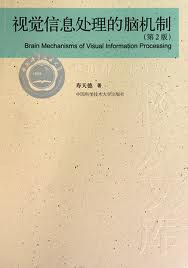
视觉信息处理的脑机制 豆瓣
作者: 寿天德 出版社: 中国科学技术大学出版社 2010
《视觉信息处理的脑机制(第2版)》以较短的篇幅介绍了视觉信息处理的脑机制方面的基本理论和近40年来所取得的进展。全书共分7章,分别介绍了视觉系统基本功能和形态学、视网膜信息处理机制、外膝体在对视觉信息流的调控和形成平行处理过程中的作用、视皮层细胞的感受野性质及其功能筑构、既平行又分级串行的视觉信息处理机制以及当前视觉信息处理研究的一些重要方面。《视觉信息处理的脑机制(第2版)》力图通过对视觉信息处理的脑机制的介绍,使读者能够对蓬勃发展的脑科学或神经科学有一个相当深度的了解。全书较第l版增加新内容40%左右。
《视觉信息处理的脑机制(第2版)》在介绍当今国际上视觉信息处理的脑机制研究前沿的研究成果的同时,也注意介绍了一些本国学者(包括作者本人)的研究成果。适当地注意介绍了基本理论和研究方法。书后附有516篇参考文献,供读者深入学习、研究检索之用,这对于有志于从事视觉研究或相关学科研究的工作者来说,亦是一个入门的线索。
《视觉信息处理的脑机制(第2版)》可作为从事神经生物学、生理学、医学、心理学以及相关学科的研究人员、高等院校的教师和理、工、医科研究生及高年级本科生的专业参考书,对于眼科、神经内科和外科医生也有重要参考价值。
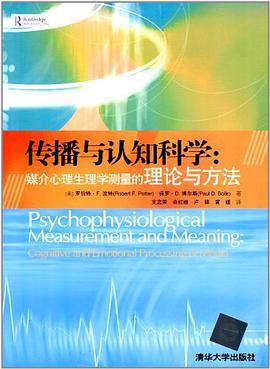
传播与认知科学 豆瓣
Psychophysiological Measurement and Meaning:Gognitive and Emotional Processing of Media
作者: 罗伯特·F·波特(Robert F.Potter) / 保罗·D.博尔斯(Paul D.Bolls) 译者: 支庭荣 2012 - 8
《传播与认知科学:媒介心理生理学测量的理论与方法》是对媒介反应的心理生理学研究的一个综合全面的介绍。它介绍了媒介心理生理学的理论基础、方法技巧,以及这一领域的大多数最新的研究成果。它是对传播学中最重要的分支领域之一传播过程和效果研究的一个拓展,它所展示的实时的心理生理学反应的测量方法,大大增强了传统的媒介效果的心理学研究,对后者来说是一个重要的补充。
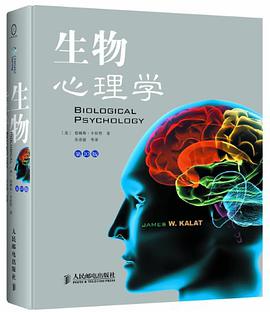
生物心理学 豆瓣
作者: [美]詹姆斯·卡拉特 / James W. Kalat 译者: 苏彦捷 出版社: 人民邮电出版社 2011 - 8
生物心理学是研究行为生物基础的一门科学,它试图从生物学和演化学的角度对感知觉、认知和行为进行解释。《生物心理学(第10版)》取材广泛,综合了比较心理学、生理心理学、心理药物学、神经心理学以及认知神经科学等诸多学科的最新研究成果,详细探讨了大脑与神经系统的解剖、感知觉加工、运动控制、动机情绪、精神障碍、学习与记忆、语言和认知等方面的理论及观点,着重解释了行为及心理现象背后的神经过程和神经机制。
全书内容有趣、文字浅显易懂;书中的插图色彩鲜艳,大小适中,标识清晰。《生物心理学(第10版)》适合心理学、生物学、认知神经科学等学科的广大师生和研究者使用。
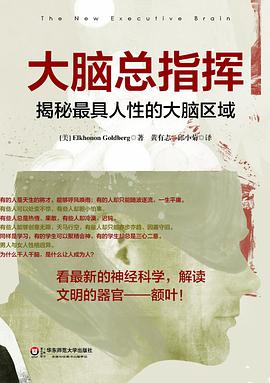
大脑总指挥 豆瓣
The New Executive Brain: Frontal Lobes in a Complex World
作者: [美] Elkhonon Goldberg 译者: 黄有志 / 邱小菊 出版社: 华东师范大学出版社 2014 - 1
大脑让人类区别于其他生物,赋予我们力量,是缩小的宇宙、未被探索的最后一块领域。本书探讨大脑中最神秘的部位、被称之为“文明的器官”、“大脑总指挥”的额叶。额叶在所有大脑结构中最具人类独特之处,是人类的内驱力、企图心、人格、决策与领导能力的安身之所,在整个大脑内执行最高级、最复杂的功能,在所有人类行为的成功与失败中扮演着关键角色。假如脑区的其他部位受损了,引起的神经疾病可能造成语言、记忆、感知或运动的丧失;然而如果受伤的是额叶的话,所丧失的不再是心智的品质,而是你的心智、你的核心、你自己!本书论及与额叶紧密关联的以下几种心理品质。
领导能力。额叶之于大脑,正如指挥家之于交响乐团、将军之于军队、CEO之于企业。
动机与驱力。额叶的一点细微损伤,会致人无情、迟钝与冷漠。
自我意识和对他人的意识。
创造力。书中将检视额叶在处理新奇事物时如何扮演关键角色。
男人与女人的差别。
社会责任。额叶定义我们是社会性动物,额叶发育不良或受损会使人缺乏社会约束,缺乏社会责任感,甚至导致犯罪。
注意力。额叶与连接其他脑区的通路的机能失常可能导致多动症。
老化与精神病。人类心智的衰退、老年痴呆与额叶相关。额叶功能的缺失,是诸如精神分裂症、强迫症之类疾病的核心。
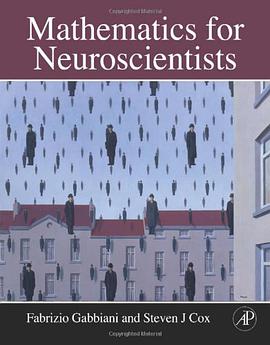
Mathematics for Neuroscientists 豆瓣
作者: Fabrizio Gabbiani / Steven James Cox 出版社: Academic Press 2010 - 8
This book provides a grounded introduction to the fundamental concepts of mathematics, neuroscience and their combined use, thus providing the reader with a springboard to cutting-edge research topics and fostering a tighter integration of mathematics and neuroscience for future generations of students. The book alternates between mathematical chapters, introducing important concepts and numerical methods, and neurobiological chapters, applying these concepts and methods to specific topics. It covers topics ranging from classical cellular biophysics and proceeding up to systems level neuroscience. Starting at an introductory mathematical level, presuming no more than calculus through elementary differential equations, the level will build up as increasingly complex techniques are introduced and combined with earlier ones. Each chapter includes a comprehensive series of exercises with solutions, taken from the set developed by the authors in their course lectures. MATLAB code is included for each computational figure, to allow the reader to reproduce them. Biographical notes referring the reader to more specialized literature and additional mathematical material that may be needed either to deepen the reader's understanding or to introduce basic concepts for less mathematically inclined readers completes each chapter.

A very didactic and systematic introduction to mathematical concepts of importance for the analysis of data and the formulation of concepts based on experimental data in neuroscience
Provides introductions to linear algebra, ordinary and partial differential equations, Fourier transforms, probabilities and stochastic processes
Introduces numerical methods used to implement algorithms related to each mathematical concept
Illustrates numerical methods by applying them to specific topics in
neuroscience, including Hodgkin-Huxley equations, probabilities to describe stochastic release, stochastic processes to describe noise in neurons, Fourier transforms to describe the receptive fields of visual neurons
Provides implementation examples in MATLAB code, also included for download on the accompanying support website (which will be updated with additional code and in line with major MATLAB releases)
Allows the mathematical novice to analyze their results in more sophisticated ways, and consider them in a broader theoretical framework
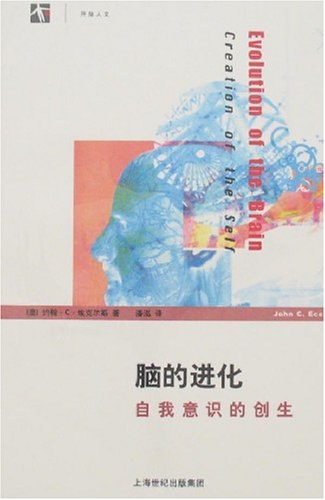
脑的进化 豆瓣
作者: 埃克尔斯 译者: 潘泓 出版社: 上海科教出版社 2007 - 4
约翰·埃克尔斯爵士,一位卓著的科学家和诺贝尔奖获得者,尽其整个科学生涯专注于哺乳动物脑的研究。在这本书里,他融会了包括考古学、比较神经解剖学、脑生理学、语言学、古文学和哲学在内的多学科研究成果,来讲述我们人类由来的故事。这不仅是我们作为古猿进化产物的故事,而且也是具备反思意识的人性之人的故事。这应该是世界上最神奇的故事。这是我们的故事。约翰·埃克尔斯爵士的挚友和合作者、著名哲学家卡尔·波普尔爵士在为本书所写的序言里认为这是一部独一无二的佳作,是一项与达尔文《人类的由来》同工异曲又推陈出新的非凡成就。
埃克尔斯首先讲述了进化论的遗传基础,然后对古猿进化到人的主要特征作了形象生动的描述。早在360万年前,尽管南方古猿的脑容量还很小,但其娴熟的二足行走技能已令人惊叹不已。他推测,随后的能人更是以其大为增长了的脑容量成为人类语言的始作俑者。埃克尔斯向我们展示了我们古猿先祖的意识是怎样随其脑的增长而逐渐优化的。尼安德特人已表现出了原始的灵性,他们的葬礼和同情心点燃了自我意识的曙光。人猿进化中新近产生的新皮层脑区——新新皮层_超凡脱俗的特征成为解开自我意识之谜的关键。而每一个自我的独特性导致了灵魂及其创生的宗教观念。
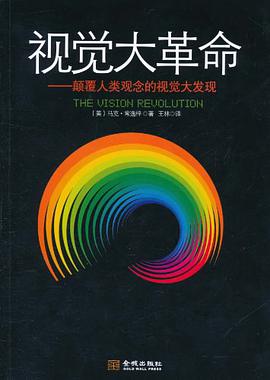
视觉大革命 豆瓣
The Vision Revolution
作者: [美]马克·常逸梓 / Mark Changizi 译者: 王林 出版社: 金城出版社 2011 - 6
《视觉大革命:颠覆人类观念的视觉大发现》内容简介:每个人的眼睛真的拥有超能力,具备读心术、透视以及感知未来的功能?你相信自己的皮肤本质上都是无色,却能变化出任何颜色的全彩显示器吗?
心灵种种 豆瓣
作者: [美国] 丹尼尔·丹尼特 译者: 罗军 出版社: 上海科学技术出版社 2010 - 1
《心灵种种:对意识的探索》语言流畅,文笔优美,既通俗易懂,又富含哲理,实为一本不可多得的科普佳作。心灵是什么?《心灵种种:对意识的探索》从这个最常见的问题出发,综合哲学、人工智能与神经科学的思想,带领读者走过一段扣人心弦的探询之旅,思索一些引人入胜的问题:我们有谁真能知道他人的心思?人的心灵与动物的心灵有何区别?假如这些动物神奇地获得了语言能力,它们会进化出像我们那样能够明察秋毫的智力吗?