E.T. - 标记
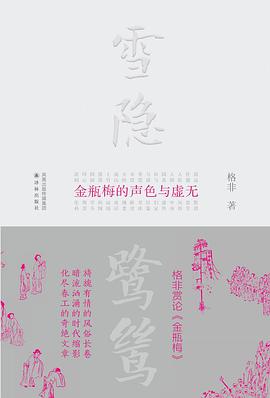
雪隐鹭鸶 豆瓣
8.3 (42 个评分)
作者:
格非
译林出版社
2014
- 8
本书是著名作家、学者格非论《金瓶梅》的专著。全书第一、第二部分联系明代社会史和思想史脉络,将《金瓶梅》置于十六世纪全球社会转型和文化变革的背景中详细考察,对小说所展现的器物日用、经济活动、观念风习等方面进行深入浅出的探讨;第三部分以细腻生动的随笔和例话形式对《金瓶梅》文本展开细读,赏析其文章修辞的精彩之处。格非教授于治学写作之余反复品读《金瓶梅》,积多年之功得成此书,学者和作家的双重视角使他的解读别有会心。书名“雪隐鹭鸶”四字取自《金瓶梅》中的诗句,喻指《金瓶梅》中深远幽微的人情世态和历史文化信息。格非教授认为,《金瓶梅》是一部激愤之书、悲悯之书,更是一部别开生面、寄意深远的呕心沥血之作。《雪隐鹭鸶》对《金瓶梅》展开全方位解读,正是要鼓励读者穿透偏见和曲解,去索解隐秘、探幽访胜。
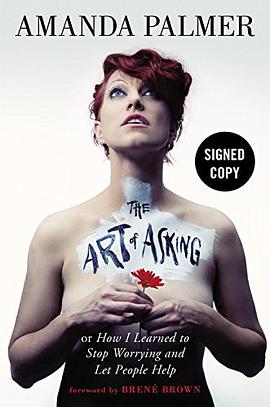
The Art of Asking 豆瓣
作者:
Amanda Palmer
Grand Central Publishing
2014
- 11

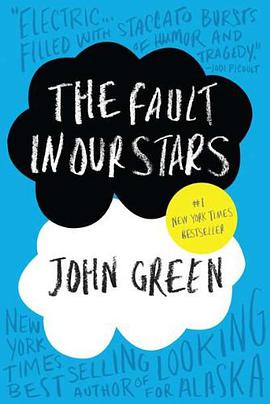
The Fault in Our Stars 豆瓣
7.8 (32 个评分)
作者:
John Green
Dutton Juvenile
2012
- 1
TIME Magazine’s #1 Fiction Book of 2012!
“The Fault in Our Stars is a love story, one of the most genuine and moving ones in recent American fiction, but it’s also an existential tragedy of tremendous intelligence and courage and sadness.” —Lev Grossman, TIME Magazine
Despite the tumor-shrinking medical miracle that has bought her a few years, Hazel has never been anything but terminal, her final chapter inscribed upon diagnosis. But when a gorgeous plot twist named Augustus Waters suddenly appears at Cancer Kid Support Group, Hazel’s story is about to be completely rewritten.
Insightful, bold, irreverent, and raw, The Fault in Our Stars is award-winning-author John Green’s most ambitious and heartbreaking work yet, brilliantly exploring the funny, thrilling, and tragic business of being alive and in love.
Winner of the 2013 Children's Choice Teen Book of the Year Award
“The Fault in Our Stars is a love story, one of the most genuine and moving ones in recent American fiction, but it’s also an existential tragedy of tremendous intelligence and courage and sadness.” —Lev Grossman, TIME Magazine
Despite the tumor-shrinking medical miracle that has bought her a few years, Hazel has never been anything but terminal, her final chapter inscribed upon diagnosis. But when a gorgeous plot twist named Augustus Waters suddenly appears at Cancer Kid Support Group, Hazel’s story is about to be completely rewritten.
Insightful, bold, irreverent, and raw, The Fault in Our Stars is award-winning-author John Green’s most ambitious and heartbreaking work yet, brilliantly exploring the funny, thrilling, and tragic business of being alive and in love.
Winner of the 2013 Children's Choice Teen Book of the Year Award
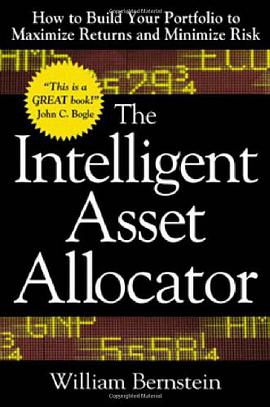
The Intelligent Asset Allocator Goodreads 豆瓣
作者:
William Bernstein
McGraw-Hill
2000
- 9
This book includes time-tested techniques - safe, simple, and proven effective - for building your own investment portfolio. "As its title suggest, Bill Bernstein's fine book honors the sensible principles of Benjamin Graham in the "Intelligent Investor". Bernstein's concepts are sound, his writing crystal clear, and his exposition is orderly. Any reader who takes the time and effort to understand his approach to the crucial subject of asset allocation will surely be rewarded with enhanced long-term returns." - John C. Bogle, Founder and former Chief Executive Officer, The Vanguard Group President, Bogle Financial Markets Research Center, Author of "Common Sense on Mutual Funds"."Bernstein has become a guru to a peculiarly '90s group: well-educated, Internet-powered people intent on investing well - and with minimal 'help' from professional Wall Street." - Robert Barker, Columnist, "BusinessWeek". "I go home and tell my wife sometimes, 'I wonder if (Bernstein) doesn't know more than me.' It's humbling." - John Rekenthaler, Research Chief, Morningstar Inc. William Bernstein is an unlikely financial hero. A practicing neurologist, he used his self-taught investment knowledge and research to build one of today's most respected investor's websites. Now, let his plain-spoken "The Intelligent Asset Allocator" show you how to use the time-honored techniques of asset allocation to build your own pathway to financial security - one that is easy-to-understand, easier-to-apply, and supported by 75 years of solid history and wealth-building results.
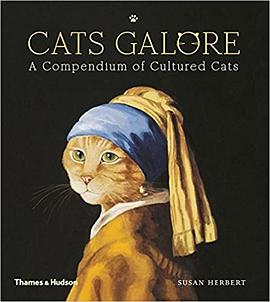
Cats Galore 豆瓣
8.4 (5 个评分)
作者:
Susan Herbert
Thames and Hudson Ltd
2015
- 9
What happens when a cat becomes the subject of da Vinci’s Mona Lisa or takes the starring role in Hamlet or Lawrence of Arabia?
Susan Herbert’s feline interpretations of famous images from Western culturehave charmed and amused readers for decades. Cats Galore brings together illustrationsfrom the affectionately envisioned Pre-Raphaelite Cats, Shakespeare Cats, MovieCats, and Opera Cats—as well as other delightful images of cats cast in scenes fromart, theater, and film—into one delightful volume.
Divided into three sections—Cats in Art, Cats on Stage, and Cats in the Movies—this is the ultimate compendium for cat-loving culture buffs and cultured pet ownersalike. Works by Degas and van Gogh retain their distinctive styles in spite of the furryfaces; cats shine in Much Ado About Nothing and The Barber of Seville; and a bushy-tailedJames Dean in Rebel Without a Cause stares at the camera with the iconiccigarette in his mouth.
Susan Herbert’s feline interpretations of famous images from Western culturehave charmed and amused readers for decades. Cats Galore brings together illustrationsfrom the affectionately envisioned Pre-Raphaelite Cats, Shakespeare Cats, MovieCats, and Opera Cats—as well as other delightful images of cats cast in scenes fromart, theater, and film—into one delightful volume.
Divided into three sections—Cats in Art, Cats on Stage, and Cats in the Movies—this is the ultimate compendium for cat-loving culture buffs and cultured pet ownersalike. Works by Degas and van Gogh retain their distinctive styles in spite of the furryfaces; cats shine in Much Ado About Nothing and The Barber of Seville; and a bushy-tailedJames Dean in Rebel Without a Cause stares at the camera with the iconiccigarette in his mouth.
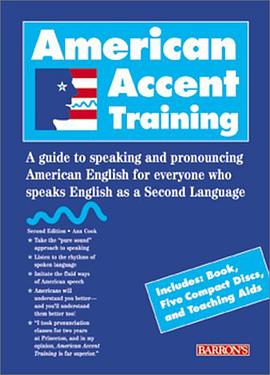
American Accent Training 豆瓣 Goodreads
9.1 (13 个评分)
作者:
Ann Cook
Barron's Educational Series
2000
- 9
The second edition of the highly acclaimed American Accent Training, now on 5 audio CDs, is for foreign-born students and business people working, traveling or studying in the United States and Canada. Through extensive intonation and pronunciation exercises, students learn how to speak with a standard American Accent. At the same time, listening comprehension improves dramatically. Supplementary materials included detailed nationality guides for eight languages (Chinese, Japanese, Indian, Spanish, French, German, Russian and Korean), access to a comprehensive website, and referral to a qualified telephone analyst for an individual diagnostic speech analysis. Also included are colored markers for written exercises, and a mirror to practice accurate pronunciation.
美语发音秘诀 豆瓣
作者:
Ann Cook
译者:
吕明
/
李莘
…
群言出版社
2013
- 2
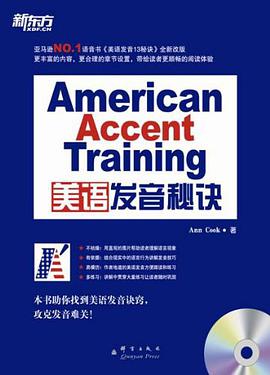
《新东方•美语发音秘诀》从美国人日常会话的习惯和特点出发进行讲解,涉及语调、重音、断句、弱读、连读、美音中难发的音、紧元音和松元音、牙槽骨、鼻辅音和喉辅音以及汉语发音与美音的对比等。书中含有大量练习,讲练结合,让读者随时巩固。作者Ann Cook用心独到,擅长用形象的图画说明复杂的发音现象,方便读者领会和掌握。随书配有MP3光盘,几乎涵盖书中所有内容的录音;录音为作者亲自朗读,发音清晰标准、原汁原味,便于读者模仿练习。
《新东方•美语发音秘诀》编辑推荐:不枯燥!用直观的图片帮助读者理解语言现象;有依据!结合现实中的语言行为讲解发音技巧;易模仿!作者地道的美语发音方便跟读和练习;多练习!讲解中贯穿大量练习让读者随时巩固。亚马逊No.1语音书《美语发音13秘诀》全新改版,更丰富的内容,更合理的章节设置,带给读者更顺畅的阅读体验。
新版的变化与亮点:
1.按照读者的学习习惯重新调整各章内容,使学习过程更加顺畅;
2.第一章增加对发音技巧和术语的总结,为后面章节的学习打好基础;
3.新增心理语言学章节,帮助读者克服语言学习障碍,更具专业性和参考性;
4.新增Teacher’s Guide章节,详细指导各章的教学方法,更适合作为教材使用。
《新东方•美语发音秘诀》编辑推荐:不枯燥!用直观的图片帮助读者理解语言现象;有依据!结合现实中的语言行为讲解发音技巧;易模仿!作者地道的美语发音方便跟读和练习;多练习!讲解中贯穿大量练习让读者随时巩固。亚马逊No.1语音书《美语发音13秘诀》全新改版,更丰富的内容,更合理的章节设置,带给读者更顺畅的阅读体验。
新版的变化与亮点:
1.按照读者的学习习惯重新调整各章内容,使学习过程更加顺畅;
2.第一章增加对发音技巧和术语的总结,为后面章节的学习打好基础;
3.新增心理语言学章节,帮助读者克服语言学习障碍,更具专业性和参考性;
4.新增Teacher’s Guide章节,详细指导各章的教学方法,更适合作为教材使用。
Building Great Sentences (Audiobook) 豆瓣
作者:
Professor Brooks Landon
/
The Great Courses
The Great Courses
2008
Great writing begins—and ends—with the sentence.
Whether two words ("Jesus wept.") or 1,287 words (a sentence in William Faulkner's Absalom! Absalom!), sentences have the power to captivate, entertain, motivate, educate, and, most importantly, delight.
Understanding the variety of ways to construct sentences, from the smallest clause to the longest sentence, is important to enhancing your appreciation of great writing and potentially improving your own.
* Why do some lengthy sentences flow effortlessly while others stumble along?
* Why are you captivated by the writing of particular authors but not others?
* How can you craft sentences that reflect your own unique outlook on the world?
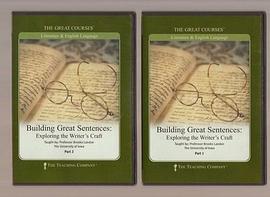
Get the answers to these and other questions about writing and style in Building Great Sentences: Exploring the Writer's Craft, a lively 24-lecture course taught by Professor Brooks Landon from the University of Iowa—one of the nation's top writing schools. You explore the myriad ways in which we think about, talk about, and write sentences. You discover insights into what makes for pleasurable reading. You also learn how you can apply these methods to your own writing.
More Than Just a String of Words
Building Great Sentences revives the sentence-oriented approach to studying writing. Unlike common nuts-and-bolts approaches to discussing writing, this course provides a greater context for what makes sentences great. You investigate how to recognize the mechanics of the sentences you read and write, you learn how language works on your thoughts and emotions, and you discover basic strategies to sharpen your ability to recognize great sentences and make your own everyday writing more effective.
More than just a string of words, "sentences are shaped by specific context and driven by specific purpose," notes Professor Landon. "No 'rules' or mechanical protocols can prepare us for the infinite number of tasks our sentences must accomplish."
Explore a Vast World of Sentences
Consisting of a subject, a verb, and sometimes an object ("The girl raised the flag."), the kernels from which sentences grow are called minimal base clauses. Adding modifying words ("slowly") or phrases ("because doing so would inspire her compatriots") creates larger sentences that lead toward great writing.
In Building Great Sentences, you delve into the ways that literary and popular writers work with these larger sentences (called cumulative sentences) and encounter the three distinct levels that enhance these sentence kernels by:
* Adding information and keeping a sentence moving in place ("She served the dessert, a French pastry affair dripping in dark chocolate.")
* Moving a sentence forward with increased specificity ("He drove carefully, one hand on the wheel, the other hand holding a sandwich, a ham and cheese fossil, a strangely colored lump made days before by his sister.")
* Adding information and moving a sentence forward at the same time ("Big Al headed back into the bar, a demented grin twisting his scarred face, his bloodshot eyes narrowed to a fierce squint, looking around the dim and smoke-filled interior, scanning the terrified inhabitants for any of his tormentors.")
You also explore sentence constructions that make writing more complex and add exciting levels of suspense, and you see tactics that create balance and rhythm in sentences. Professor Landon makes these writing methods clear and easy to apply to your own reading and writing habits. Some of the many illuminating methods you come across are:
* Using a mirroring effect between words to suggest confidence ("Dryden's page is a natural field, rising into inequalities, and diversified by the varied exuberance of abundant vegetation; Pope's is a velvet lawn, shaven by the scythe, and leveled by the roller.")
* Using three phrases of parallel construction to create unity and emphasis in a sentence ("I came, I saw, I conquered.")
* Beginning each element in a series with the same word or words ("The reason I object to Dr. Johnson's style is that there is no discrimination, no selection, no variety in it.")
* Ending each element in a series with the same word or words ("Raphael paints wisdom; Handel sings it, Phidias carves it, Shakespeare writes it, Wren builds it, Columbus sails it, Luther preaches it, Washington arms it, Watt mechanizes it.")
Recognizing and appreciating these and other eye-opening aspects of sentences helps you understand the work that goes into creating an effective, pleasurable sentence. With the newfound knowledge gained from Building Great Sentences, you become more aware of why particular lines, passages, or phrases in the poems, novels, or articles you read so enchant you.
Learn from the Masters
Building Great Sentences draws abundantly on examples from the work of brilliant writers who are masters in the craft of writing, including Don DeLillo, Virginia Woolf, Joan Didion, and Samuel Johnson. Their novels, essays, and short stories are frequently cited to illustrate how sentences can tease, surprise, test, and satisfy you.
Whether it was an epic poem, an 800-page novel, or a passionate op-ed in a local newspaper, you've no doubt been captivated by a particular line, passage, or phrase in something you've read—but you can't understand why. With Building Great Sentences, you get the secrets you need not only to recognize great writing, but also to understand what exactly makes it so great.
You also investigate numerous instances in which an author's writing style reflects key points in the lectures. For example:
* The opening paragraph of Ernest Hemingway's A Farewell to Arms reflects the author's "tough-guy" narrative style in its use of simple and direct writing.
* The lengthy sentences in Thomas Pynchon's Against the Day demonstrate the importance of enhancing writing through the use of figurative language.
* The final sentence of Joseph Conrad's The Secret Sharer displays just how much information can hide beneath the surface of sentences.
Professor Landon's animated readings of these and other examples (including some of his own sentences) help you grasp the various structures and rhythms of sentences. They also give you new ways to look at why these and other writing styles have delighted so many readers.
Avoid Dense Grammar
Building Great Sentences provides you with key insights into the craft of writing, but it never becomes a dull grammar lesson. Rather, the course is designed as a study of sentences within the larger framework of prose style and writing theory.
Grammar is only used to address larger issues about writing; as you examine the rewards (and potential risks) of various sentence forms, you never become bogged down in a study of dense grammar.
You focus on why and how these various sentence forms use language to achieve particular goals, not on labeling parts of a sentence. A thorough and helpful study of what makes for elegant and effective writing, notes Professor Landon, cannot depend solely on grammar.
A Passionate Approach to the Craft
Professor Landon is the Director of the General Education Literature Program at the University of Iowa and the recipient of the school's M. L. Huit Teaching Award. Having regularly taught a sentence-based prose style course at the University of Iowa for more than 25 years, he is the perfect guide to take you into the intricate pleasures of great sentences.
Building Great Sentences stems from Professor Landon's passion for a sentence-based approach to writing, commonly overshadowed by more technical, theory-based approaches that ignore the pleasures of reading and writing.
You see Professor Landon's countertraditional approach—emphasizing the pleasure of language and not the avoidance of mistakes. This method makes this course a unique way to experience and understand the pleasure that Gertrude Stein found in the sequences of words that constitute our sentences.
With its passionate approach to writing and reading, and its indulgence in the sheer joy of language, Building Great Sentences will change the way you read and write. It's a journey that gives you unique insights into the nature of great writing—it also teaches you how you can achieve some of this greatness yourself.
Whether two words ("Jesus wept.") or 1,287 words (a sentence in William Faulkner's Absalom! Absalom!), sentences have the power to captivate, entertain, motivate, educate, and, most importantly, delight.
Understanding the variety of ways to construct sentences, from the smallest clause to the longest sentence, is important to enhancing your appreciation of great writing and potentially improving your own.
* Why do some lengthy sentences flow effortlessly while others stumble along?
* Why are you captivated by the writing of particular authors but not others?
* How can you craft sentences that reflect your own unique outlook on the world?
Get the answers to these and other questions about writing and style in Building Great Sentences: Exploring the Writer's Craft, a lively 24-lecture course taught by Professor Brooks Landon from the University of Iowa—one of the nation's top writing schools. You explore the myriad ways in which we think about, talk about, and write sentences. You discover insights into what makes for pleasurable reading. You also learn how you can apply these methods to your own writing.
More Than Just a String of Words
Building Great Sentences revives the sentence-oriented approach to studying writing. Unlike common nuts-and-bolts approaches to discussing writing, this course provides a greater context for what makes sentences great. You investigate how to recognize the mechanics of the sentences you read and write, you learn how language works on your thoughts and emotions, and you discover basic strategies to sharpen your ability to recognize great sentences and make your own everyday writing more effective.
More than just a string of words, "sentences are shaped by specific context and driven by specific purpose," notes Professor Landon. "No 'rules' or mechanical protocols can prepare us for the infinite number of tasks our sentences must accomplish."
Explore a Vast World of Sentences
Consisting of a subject, a verb, and sometimes an object ("The girl raised the flag."), the kernels from which sentences grow are called minimal base clauses. Adding modifying words ("slowly") or phrases ("because doing so would inspire her compatriots") creates larger sentences that lead toward great writing.
In Building Great Sentences, you delve into the ways that literary and popular writers work with these larger sentences (called cumulative sentences) and encounter the three distinct levels that enhance these sentence kernels by:
* Adding information and keeping a sentence moving in place ("She served the dessert, a French pastry affair dripping in dark chocolate.")
* Moving a sentence forward with increased specificity ("He drove carefully, one hand on the wheel, the other hand holding a sandwich, a ham and cheese fossil, a strangely colored lump made days before by his sister.")
* Adding information and moving a sentence forward at the same time ("Big Al headed back into the bar, a demented grin twisting his scarred face, his bloodshot eyes narrowed to a fierce squint, looking around the dim and smoke-filled interior, scanning the terrified inhabitants for any of his tormentors.")
You also explore sentence constructions that make writing more complex and add exciting levels of suspense, and you see tactics that create balance and rhythm in sentences. Professor Landon makes these writing methods clear and easy to apply to your own reading and writing habits. Some of the many illuminating methods you come across are:
* Using a mirroring effect between words to suggest confidence ("Dryden's page is a natural field, rising into inequalities, and diversified by the varied exuberance of abundant vegetation; Pope's is a velvet lawn, shaven by the scythe, and leveled by the roller.")
* Using three phrases of parallel construction to create unity and emphasis in a sentence ("I came, I saw, I conquered.")
* Beginning each element in a series with the same word or words ("The reason I object to Dr. Johnson's style is that there is no discrimination, no selection, no variety in it.")
* Ending each element in a series with the same word or words ("Raphael paints wisdom; Handel sings it, Phidias carves it, Shakespeare writes it, Wren builds it, Columbus sails it, Luther preaches it, Washington arms it, Watt mechanizes it.")
Recognizing and appreciating these and other eye-opening aspects of sentences helps you understand the work that goes into creating an effective, pleasurable sentence. With the newfound knowledge gained from Building Great Sentences, you become more aware of why particular lines, passages, or phrases in the poems, novels, or articles you read so enchant you.
Learn from the Masters
Building Great Sentences draws abundantly on examples from the work of brilliant writers who are masters in the craft of writing, including Don DeLillo, Virginia Woolf, Joan Didion, and Samuel Johnson. Their novels, essays, and short stories are frequently cited to illustrate how sentences can tease, surprise, test, and satisfy you.
Whether it was an epic poem, an 800-page novel, or a passionate op-ed in a local newspaper, you've no doubt been captivated by a particular line, passage, or phrase in something you've read—but you can't understand why. With Building Great Sentences, you get the secrets you need not only to recognize great writing, but also to understand what exactly makes it so great.
You also investigate numerous instances in which an author's writing style reflects key points in the lectures. For example:
* The opening paragraph of Ernest Hemingway's A Farewell to Arms reflects the author's "tough-guy" narrative style in its use of simple and direct writing.
* The lengthy sentences in Thomas Pynchon's Against the Day demonstrate the importance of enhancing writing through the use of figurative language.
* The final sentence of Joseph Conrad's The Secret Sharer displays just how much information can hide beneath the surface of sentences.
Professor Landon's animated readings of these and other examples (including some of his own sentences) help you grasp the various structures and rhythms of sentences. They also give you new ways to look at why these and other writing styles have delighted so many readers.
Avoid Dense Grammar
Building Great Sentences provides you with key insights into the craft of writing, but it never becomes a dull grammar lesson. Rather, the course is designed as a study of sentences within the larger framework of prose style and writing theory.
Grammar is only used to address larger issues about writing; as you examine the rewards (and potential risks) of various sentence forms, you never become bogged down in a study of dense grammar.
You focus on why and how these various sentence forms use language to achieve particular goals, not on labeling parts of a sentence. A thorough and helpful study of what makes for elegant and effective writing, notes Professor Landon, cannot depend solely on grammar.
A Passionate Approach to the Craft
Professor Landon is the Director of the General Education Literature Program at the University of Iowa and the recipient of the school's M. L. Huit Teaching Award. Having regularly taught a sentence-based prose style course at the University of Iowa for more than 25 years, he is the perfect guide to take you into the intricate pleasures of great sentences.
Building Great Sentences stems from Professor Landon's passion for a sentence-based approach to writing, commonly overshadowed by more technical, theory-based approaches that ignore the pleasures of reading and writing.
You see Professor Landon's countertraditional approach—emphasizing the pleasure of language and not the avoidance of mistakes. This method makes this course a unique way to experience and understand the pleasure that Gertrude Stein found in the sequences of words that constitute our sentences.
With its passionate approach to writing and reading, and its indulgence in the sheer joy of language, Building Great Sentences will change the way you read and write. It's a journey that gives you unique insights into the nature of great writing—it also teaches you how you can achieve some of this greatness yourself.
On Writing 豆瓣
作者:
STEPHEN KING
Simon Schuster
2002
- 4
Book Description
"If you don't have the time to read, you don't have the time or the tools to write."
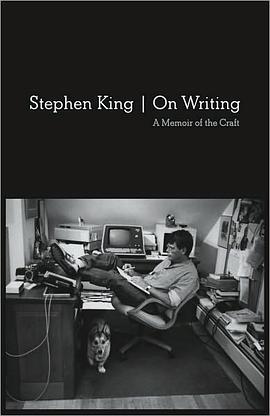
In 1999, Stephen King began to write about his craft -- and his life. By midyear, a widely reported accident jeopardized the survival of both. And in his months of recovery, the link between writing and living became more crucial than ever.
Rarely has a book on writing been so clear, so useful, and so revealing. On Writing begins with a mesmerizing account of King's childhood and his uncannily early focus on writing to tell a story. A series of vivid memories from adolescence, college, and the struggling years that led up to his first novel, Carrie, will afford readers a fresh and often very funny perspective on the formation of a writer. King next turns to the basic tools of his trade -- how to sharpen and multiply them through use, and how the writer must always have them close at hand. He takes the reader through crucial aspects of the writer's art and life, offering practical and inspiring advice on everything from plot and character development to work habits and rejection.
Serialized in the New Yorker to vivid acclaim, On Writing culminates with a profoundly moving account of how King's overwhelming need to write spurred him toward recovery, and brought him back to his life.
Brilliantly structured, friendly and inspiring, On Writing will empower -- and entertain -- everyone who reads it.
Amazon.com
Short and snappy as it is, Stephen King's On Writing really contains two books: a fondly sardonic autobiography and a tough-love lesson for aspiring novelists. The memoir is terrific stuff, a vivid description of how a writer grew out of a misbehaving kid. You're right there with the young author as he's tormented by poison ivy, gas-passing babysitters, uptight schoolmarms, and a laundry job nastier than Jack London's. It's a ripping yarn that casts a sharp light on his fiction. This was a child who dug Yvette Vickers from Attack of the Giant Leeches, not Sandra Dee. "I wanted monsters that ate whole cities, radioactive corpses that came out of the ocean and ate surfers, and girls in black bras who looked like trailer trash." But massive reading on all literary levels was a craving just as crucial, and soon King was the published author of "I Was a Teen-Age Graverobber." As a young adult raising a family in a trailer, King started a story inspired by his stint as a janitor cleaning a high-school girls locker room. He crumpled it up, but his writer wife retrieved it from the trash, and using her advice about the girl milieu and his own memories of two reviled teenage classmates who died young, he came up with Carrie. King gives us lots of revelations about his life and work. The kidnapper character in Misery, the mind-possessing monsters in The Tommyknockers, and the haunting of the blocked writer in The Shining symbolized his cocaine and booze addiction (overcome thanks to his wife's intervention, which he describes). "There's one novel, Cujo, that I barely remember writing."
King also evokes his college days and his recovery from the van crash that nearly killed him, but the focus is always on what it all means to the craft. He gives you a whole writer's "tool kit": a reading list, writing assignments, a corrected story, and nuts-and-bolts advice on dollars and cents, plot and character, the basic building block of the paragraph, and literary models. He shows what you can learn from H.P. Lovecraft's arcane vocabulary, Hemingway's leanness, Grisham's authenticity, Richard Dooling's artful obscenity, Jonathan Kellerman's sentence fragments. He explains why Hart's War is a great story marred by a tin ear for dialogue, and how Elmore Leonard's Be Cool could be the antidote.
King isn't just a writer, he's a true teacher.
--Tim Appelo
"If you don't have the time to read, you don't have the time or the tools to write."
In 1999, Stephen King began to write about his craft -- and his life. By midyear, a widely reported accident jeopardized the survival of both. And in his months of recovery, the link between writing and living became more crucial than ever.
Rarely has a book on writing been so clear, so useful, and so revealing. On Writing begins with a mesmerizing account of King's childhood and his uncannily early focus on writing to tell a story. A series of vivid memories from adolescence, college, and the struggling years that led up to his first novel, Carrie, will afford readers a fresh and often very funny perspective on the formation of a writer. King next turns to the basic tools of his trade -- how to sharpen and multiply them through use, and how the writer must always have them close at hand. He takes the reader through crucial aspects of the writer's art and life, offering practical and inspiring advice on everything from plot and character development to work habits and rejection.
Serialized in the New Yorker to vivid acclaim, On Writing culminates with a profoundly moving account of how King's overwhelming need to write spurred him toward recovery, and brought him back to his life.
Brilliantly structured, friendly and inspiring, On Writing will empower -- and entertain -- everyone who reads it.
Amazon.com
Short and snappy as it is, Stephen King's On Writing really contains two books: a fondly sardonic autobiography and a tough-love lesson for aspiring novelists. The memoir is terrific stuff, a vivid description of how a writer grew out of a misbehaving kid. You're right there with the young author as he's tormented by poison ivy, gas-passing babysitters, uptight schoolmarms, and a laundry job nastier than Jack London's. It's a ripping yarn that casts a sharp light on his fiction. This was a child who dug Yvette Vickers from Attack of the Giant Leeches, not Sandra Dee. "I wanted monsters that ate whole cities, radioactive corpses that came out of the ocean and ate surfers, and girls in black bras who looked like trailer trash." But massive reading on all literary levels was a craving just as crucial, and soon King was the published author of "I Was a Teen-Age Graverobber." As a young adult raising a family in a trailer, King started a story inspired by his stint as a janitor cleaning a high-school girls locker room. He crumpled it up, but his writer wife retrieved it from the trash, and using her advice about the girl milieu and his own memories of two reviled teenage classmates who died young, he came up with Carrie. King gives us lots of revelations about his life and work. The kidnapper character in Misery, the mind-possessing monsters in The Tommyknockers, and the haunting of the blocked writer in The Shining symbolized his cocaine and booze addiction (overcome thanks to his wife's intervention, which he describes). "There's one novel, Cujo, that I barely remember writing."
King also evokes his college days and his recovery from the van crash that nearly killed him, but the focus is always on what it all means to the craft. He gives you a whole writer's "tool kit": a reading list, writing assignments, a corrected story, and nuts-and-bolts advice on dollars and cents, plot and character, the basic building block of the paragraph, and literary models. He shows what you can learn from H.P. Lovecraft's arcane vocabulary, Hemingway's leanness, Grisham's authenticity, Richard Dooling's artful obscenity, Jonathan Kellerman's sentence fragments. He explains why Hart's War is a great story marred by a tin ear for dialogue, and how Elmore Leonard's Be Cool could be the antidote.
King isn't just a writer, he's a true teacher.
--Tim Appelo

A Plain English Handbook 豆瓣
作者:
U.S. Securities and Exchange Commission
Montezuma Publishing
2004
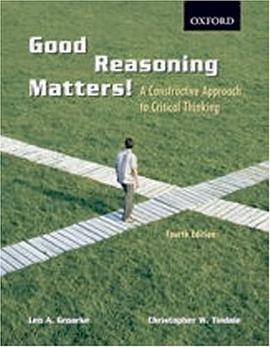
Good Reasoning Matters! 豆瓣
作者:
Leo A. Groarke
/
Christopher W. Tindale
Oxford University Press, USA
2008
- 4
Good Reasoning Matters uses an innovative approach to critical thinking by teaching students how to argue effectively rather than just point out the short comings of ineffective arguments.
The Craft of Research, 2nd edition 豆瓣
作者:
Wayne C. Booth
/
Joseph M. Williams
…
University Of Chicago Press
2003
- 3
This manual offers practical advice on the fundamentals of research to college and university students in all fields of study. The Craft of Research teaches much more than the mechanics of fact gathering: it explains how to approach a research project as an analytical process. The authors chart every stage of research, from finding a topic and generating research questions about it to marshalling evidence, constructing arguments, and writing everything up in a final report that is a model of authority. Their advice is designed for use by both beginners and seasoned practitioners, and for projects from class papers to dissertations.
This book is organized into four parts. Part One is a spirited introduction to the distinctive nature, values, and protocols of research. Part Two demystifies the art of discovering a topic. It outlines a wide range of sources, among them personal interests and passions. Parts Three and Four cover the essentials of argument—how to make a claim and support it—and ways to outline, draft, revise, rewrite, and polish the final report. Part Three is a short course in the logic, structure, uses, and common pitfalls of argumentation. The writing chapters in Part Four show how to present verbal and visual information effectively and how to shape sentences and paragraphs that communicate with power and precision.
"A well-constructed, articulate reminder of how important fundamental questions of style and approach, such as clarity and precision, are to all research."—Times Literary Supplement
This book is organized into four parts. Part One is a spirited introduction to the distinctive nature, values, and protocols of research. Part Two demystifies the art of discovering a topic. It outlines a wide range of sources, among them personal interests and passions. Parts Three and Four cover the essentials of argument—how to make a claim and support it—and ways to outline, draft, revise, rewrite, and polish the final report. Part Three is a short course in the logic, structure, uses, and common pitfalls of argumentation. The writing chapters in Part Four show how to present verbal and visual information effectively and how to shape sentences and paragraphs that communicate with power and precision.
"A well-constructed, articulate reminder of how important fundamental questions of style and approach, such as clarity and precision, are to all research."—Times Literary Supplement
Argumentation: The Study of Effective Reasoning 豆瓣
作者:
David Zarefsky
The Teaching Company
2001
What is effective argument?
* It is Abraham Lincoln at Cooper Union in 1860, marshalling many lines of evidence to make the case that Congress has the power to regulate slavery.
* It is Franklin D. Roosevelt in a 1940 "fireside chat," employing a vivid analogy to convince Americans to lend war equipment to Great Britain, then battling Nazi Germany alone.
* It is the U.S. Supreme Court in 1954, using complex reasoning to decide unanimously that segregated schools are unconstitutional in Brown v. Board of Education.
* It is any individual or organization, drawing on the theory of argumentation to reason through a position and make the best possible case for it.
Argumentation: The Study of Effective Reasoning, 2nd Edition, is a rigorous introduction to the formal study of argumentation—communication that seeks to persuade others through reasoned judgment.
In 24 lectures you learn the building blocks of an argument, the different categories of argument and the issues that are at stake in each, the kinds of evidence that serve as proof in an argument, and many other aspects of argumentation and reasoning, illustrated with examples from some of the most famous speeches, debates, and controversies in American history.
* It is Abraham Lincoln at Cooper Union in 1860, marshalling many lines of evidence to make the case that Congress has the power to regulate slavery.
* It is Franklin D. Roosevelt in a 1940 "fireside chat," employing a vivid analogy to convince Americans to lend war equipment to Great Britain, then battling Nazi Germany alone.
* It is the U.S. Supreme Court in 1954, using complex reasoning to decide unanimously that segregated schools are unconstitutional in Brown v. Board of Education.
* It is any individual or organization, drawing on the theory of argumentation to reason through a position and make the best possible case for it.
Argumentation: The Study of Effective Reasoning, 2nd Edition, is a rigorous introduction to the formal study of argumentation—communication that seeks to persuade others through reasoned judgment.
In 24 lectures you learn the building blocks of an argument, the different categories of argument and the issues that are at stake in each, the kinds of evidence that serve as proof in an argument, and many other aspects of argumentation and reasoning, illustrated with examples from some of the most famous speeches, debates, and controversies in American history.
Thinking and Deciding 豆瓣
作者:
Jonathan Baron
Cambridge University Press
2007
- 10
Beginning with its first edition and through subsequent editions, Thinking and Deciding has established itself as the required text and important reference work for students and scholars of human cognition and rationality. In this, the fourth edition, Jonathan Baron retains the comprehensive attention to the key questions addressed in the previous editions - How should we think? What, if anything, keeps us from thinking that way? How can we improve our thinking and decision making? - and his expanded treatment of topics such as risk, utilitarianism, Baye's theorem, and moral thinking. With the student in mind, the fourth edition emphasises the development of an understanding of the fundamental concepts in judgement and decision making. This book is essential reading for students and scholars in judgement and decision making and related fields, including psychology, economics, law, medicine, and business.
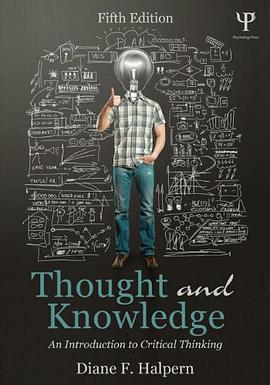
Thought and Knowledge 豆瓣
作者:
Diane F. Halpern
Psychology Press
2013
- 11
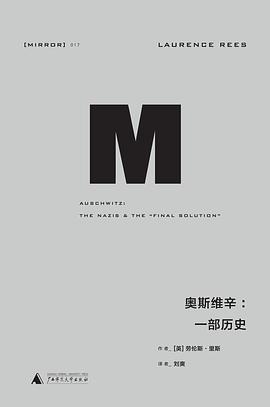
奥斯维辛 豆瓣
Auschwitz: A New History
9.5 (67 个评分)
作者:
[英] 劳伦斯·里斯
译者:
刘爽
广西师范大学出版社
2016
- 9
有奥斯维辛,就不能有上帝的存在。——普里莫•莱维
无论我在思考什么,总要思考奥斯维辛。感谢那些要求、甚至逼迫我们讲述一切的人,因为他们想听到、想知道发生在奥斯维辛的那些人、那些事。——凯尔泰斯•伊姆莱
我们要知道“人”真正是什么,毕竟,这是发明奥斯维辛毒气室,也是祈祷着走进毒气室的“存在”。——维克多•弗兰克
本书力图以一个具体场所为切入点,对人类历史上最深重的罪行进行最透彻的诠释,这就是奥斯维辛。
历史不是剧本,真相永远不止一个。奥斯维辛并不是专门用于杀害犹太人的灭绝营,也不仅仅与“最终解决”有关——奥斯维辛,是集中营指挥官霍斯等纳粹官员的奋斗史;是波兰人、吉卜赛人、苏联战俘、耶和华见证人的情感炼狱;它是一个八岁德国女孩一天起床,突然发现自己成了吉卜赛人,被扔进奥斯维辛的故事;它是战后幸存者回到家乡,却发现外面的世界比奥斯维辛更糟的故事……这部书没有孤证,每一个说出来的字,都出自两处以上的历史记录,包括苏联解体后的解密档案和亲历者访谈。
“人们问我,你在奥斯维辛学到了什么?我想我只能确定一件事:没人真正了解自己。”1944年11月,希姆莱要求艾希曼停止驱逐匈牙利犹太人,并说:“到目前为止你一直都在灭绝犹太人,但我现在命令你从今天起变成犹太人的拥护者。”人的行为和信念能顷刻颠倒,因应自身处境(situation)而朝着没有预料到的方向演变,这恰恰是所谓的“人性”。
奥斯维辛是一个更大的故事,我们从未真正了解它。这里所涉及的故事,有不少可以让我们更好地认识我们自己。
无论我在思考什么,总要思考奥斯维辛。感谢那些要求、甚至逼迫我们讲述一切的人,因为他们想听到、想知道发生在奥斯维辛的那些人、那些事。——凯尔泰斯•伊姆莱
我们要知道“人”真正是什么,毕竟,这是发明奥斯维辛毒气室,也是祈祷着走进毒气室的“存在”。——维克多•弗兰克
本书力图以一个具体场所为切入点,对人类历史上最深重的罪行进行最透彻的诠释,这就是奥斯维辛。
历史不是剧本,真相永远不止一个。奥斯维辛并不是专门用于杀害犹太人的灭绝营,也不仅仅与“最终解决”有关——奥斯维辛,是集中营指挥官霍斯等纳粹官员的奋斗史;是波兰人、吉卜赛人、苏联战俘、耶和华见证人的情感炼狱;它是一个八岁德国女孩一天起床,突然发现自己成了吉卜赛人,被扔进奥斯维辛的故事;它是战后幸存者回到家乡,却发现外面的世界比奥斯维辛更糟的故事……这部书没有孤证,每一个说出来的字,都出自两处以上的历史记录,包括苏联解体后的解密档案和亲历者访谈。
“人们问我,你在奥斯维辛学到了什么?我想我只能确定一件事:没人真正了解自己。”1944年11月,希姆莱要求艾希曼停止驱逐匈牙利犹太人,并说:“到目前为止你一直都在灭绝犹太人,但我现在命令你从今天起变成犹太人的拥护者。”人的行为和信念能顷刻颠倒,因应自身处境(situation)而朝着没有预料到的方向演变,这恰恰是所谓的“人性”。
奥斯维辛是一个更大的故事,我们从未真正了解它。这里所涉及的故事,有不少可以让我们更好地认识我们自己。