日本

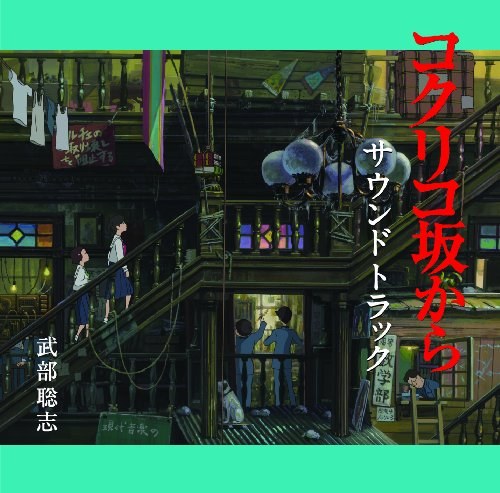
来自虞美人之坡 原声音乐 / From Up On Poppy Hill Original Soundtrack Douban
9.3 (12 ratings)
武部聡志
genre:
Soundtrack
release date 2011-07-13
publisher:
徳間ジャパンコミュニケーションズ
宫崎吾朗导演动画电影《来自虞美人之坡》原声音乐专辑。音乐:武部聡志
版次:日版首版
编号:TKCA-73665
版次:日版首版
编号:TKCA-73665
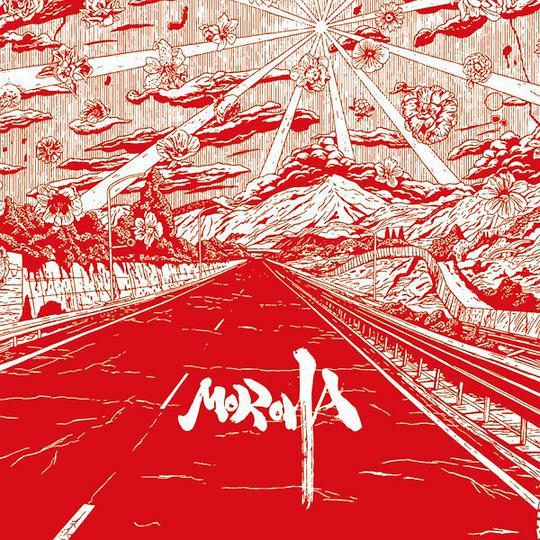
MOROHA III Douban
8.4 (5 ratings)
MOROHA
genre:
Hip Hop
release date 2016-10-05
publisher:
YAVAY YAYVA RECORDS
2008年に結成されたMCのアフロとGtのUKからなる2人組、MOROHAがアルバムを自主レーベル“YAVAY YAYVA RECORDS”よりリリース!彼らがフル・アルバムを発表するのは2013年11月発売の『MOROHA II』以来、2年11ヵ月ぶり。
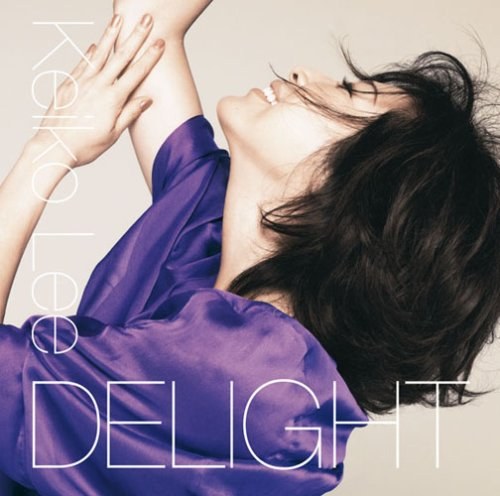
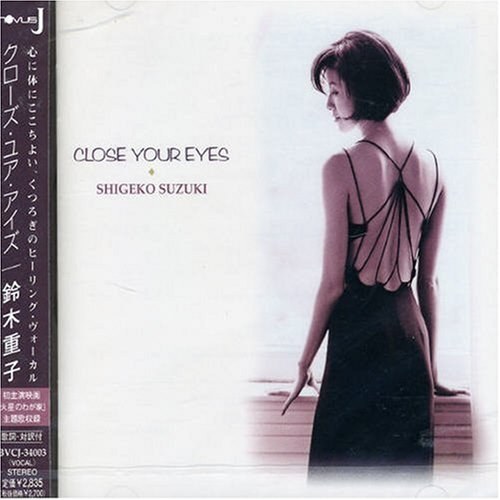
Close Your Eyes Douban
铃木重子
genre:
Jazz
release date 1999-09-22
publisher:
Novus
《CD圣经》特别推荐之最佳聆听人声专辑,收录《拉科瓦多山》《快乐的疯狂》《月亮河》等抒情经典老歌,完全享受铃木重子低沉沙哑,充满韵味与磁性的嗓音演绎下的“心灵的爵士乐”。
在新一轮的爵士热潮中,铃木重子无疑是其中最引人注目的明星。她非常善于运用她柔和优美又富于磁性的声线,采用慵懒随意的演唱,而且Bossa nava味十足。她的音乐节奏感强,嗓音略带沙哑,又充满音乐味与磁性,听起来轻松怡人,被称为《心灵的爵士乐》(Healing jazz)。
铃木重子在这张最新专辑里,依然保有Bossa Nova浪漫的拉丁风格,第三首《Corcovado》、第十首《This Happy Madness》,并收录数首抒情经典老歌,特别值得一提的是专辑中首度收录她的创作曲第十二首《It's time to love》,在她低回沙哑的嗓音中,听其风格独俱的唱腔,有如走在洒落阳光的林荫下,享受春风拂面的温婉自在。
想作一张幽静的音乐专辑,在轻柔的乐声中能让耳根完全放松、清静,这是制作此张专辑最初的想法,对我而言,这也是非常重要的。 在绿意盎然的录音室录音,心情非常轻松,希望能将这样的情绪转化为一个个悠扬的音符,穿越录音室的隔音玻璃,带给人们温暖而幸福的感受。
现在再重新听到这些音乐,也依然给我同样的感觉,使我重新回忆起录音时的点滴情绪。 希望听了这张专辑的听众朋友们,也能藉由我的音乐,获得远离尘嚣、身心舒缓的感受;在有点疲倦、有点无聊的时候,或想从容享用晚餐的夜里,或想写些东西的时候,聆听这些音乐,是非常令人愉悦的事。
在新一轮的爵士热潮中,铃木重子无疑是其中最引人注目的明星。她非常善于运用她柔和优美又富于磁性的声线,采用慵懒随意的演唱,而且Bossa nava味十足。她的音乐节奏感强,嗓音略带沙哑,又充满音乐味与磁性,听起来轻松怡人,被称为《心灵的爵士乐》(Healing jazz)。
铃木重子在这张最新专辑里,依然保有Bossa Nova浪漫的拉丁风格,第三首《Corcovado》、第十首《This Happy Madness》,并收录数首抒情经典老歌,特别值得一提的是专辑中首度收录她的创作曲第十二首《It's time to love》,在她低回沙哑的嗓音中,听其风格独俱的唱腔,有如走在洒落阳光的林荫下,享受春风拂面的温婉自在。
想作一张幽静的音乐专辑,在轻柔的乐声中能让耳根完全放松、清静,这是制作此张专辑最初的想法,对我而言,这也是非常重要的。 在绿意盎然的录音室录音,心情非常轻松,希望能将这样的情绪转化为一个个悠扬的音符,穿越录音室的隔音玻璃,带给人们温暖而幸福的感受。
现在再重新听到这些音乐,也依然给我同样的感觉,使我重新回忆起录音时的点滴情绪。 希望听了这张专辑的听众朋友们,也能藉由我的音乐,获得远离尘嚣、身心舒缓的感受;在有点疲倦、有点无聊的时候,或想从容享用晚餐的夜里,或想写些东西的时候,聆听这些音乐,是非常令人愉悦的事。
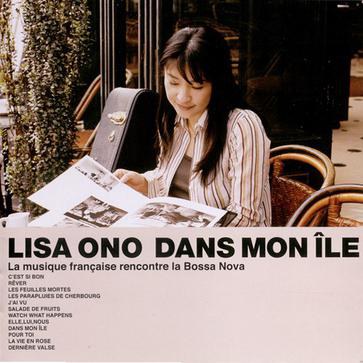
左岸香颂 Douban
8.8 (46 ratings)
小野丽莎 Lisa Ono
genre:
Jazz
release date 2003-07-16
publisher:
EMIミュージック・ジャパン
《小野丽莎:左岸香颂》紧接以意大利为概念推出的“我的Bossa Nova”专辑,2003年小野丽莎的音乐之旅来到了——法国。说来法国透过爵士乐与电影音乐,原本就与巴西音乐渊源颇深,其中尤其是对Bossa Nova乐特别青睐。无论是香颂歌曲或电影配乐,法国都创造出无数经典曲目让全世界乐迷倾到不已。法国的源头与萄葡牙文都属于拉丁语系,但法语的发音及语言声调,更充满独特风味,与Bossa Nova乐配合起来酿造出绝佳气氛。这次小野丽莎以法语演唱多首经典香颂与电影音乐,此外在她的自创新作,邀请到法国经典曲[男欢女爱]的原作词者 Pierre Barouh先生为她填词,其完成度之高,让人不禁以为是法国原本就有的经典曲。
小野丽莎出生于巴西,从小在父亲经营的俱乐部里接受许多一流音乐家的薰陶。耳濡目染之下,小野丽莎15岁起就开始拿起吉他唱歌。回到日本之后,于89年发表首张专辑,便以其自然的歌声与甜美的笑容掳获了众人的耳朵,迅速地在日本拓展Bossa Nova曲风,并树立其第一把交椅的地位。她那充满阳光气息的轻快乐章,比起巴西当地歌手也丝毫不显逊色。因此不仅在日本,小野丽莎的音乐在全世界都受到肯定,不论是纽约或巴西的演唱会都有盛大的回响。甚至得到 Bossa Nova 之神 Antonio Carlos Jobim 的青睐,双方合作共谱出不少精彩的作品。
小野丽莎凭2000年的“Pretty World”一夜间成为最受喜爱的Bossa Nove(融合了巴西流行音乐风格的爵士乐)女王。本专辑是2003年EMI为小野丽莎推出的她以法国为概念的新唱片,力邀法国最伟大的歌手Henri Salvador共同录制。
01 如此美好
02 作梦
03 枯叶
04 天生一对
05 我见过
06 水果沙拉
07 看看会发生什么
08 她,他,我们
09 在我的小岛
10 给你
11 玫瑰人生
12 最后的华尔滋
小野丽莎出生于巴西,从小在父亲经营的俱乐部里接受许多一流音乐家的薰陶。耳濡目染之下,小野丽莎15岁起就开始拿起吉他唱歌。回到日本之后,于89年发表首张专辑,便以其自然的歌声与甜美的笑容掳获了众人的耳朵,迅速地在日本拓展Bossa Nova曲风,并树立其第一把交椅的地位。她那充满阳光气息的轻快乐章,比起巴西当地歌手也丝毫不显逊色。因此不仅在日本,小野丽莎的音乐在全世界都受到肯定,不论是纽约或巴西的演唱会都有盛大的回响。甚至得到 Bossa Nova 之神 Antonio Carlos Jobim 的青睐,双方合作共谱出不少精彩的作品。
小野丽莎凭2000年的“Pretty World”一夜间成为最受喜爱的Bossa Nove(融合了巴西流行音乐风格的爵士乐)女王。本专辑是2003年EMI为小野丽莎推出的她以法国为概念的新唱片,力邀法国最伟大的歌手Henri Salvador共同录制。
01 如此美好
02 作梦
03 枯叶
04 天生一对
05 我见过
06 水果沙拉
07 看看会发生什么
08 她,他,我们
09 在我的小岛
10 给你
11 玫瑰人生
12 最后的华尔滋
Adult Douban
9.3 (15 ratings)
Tokyo Incidents
genre:
Rock
release date 2006-02-27
publisher:
EMI
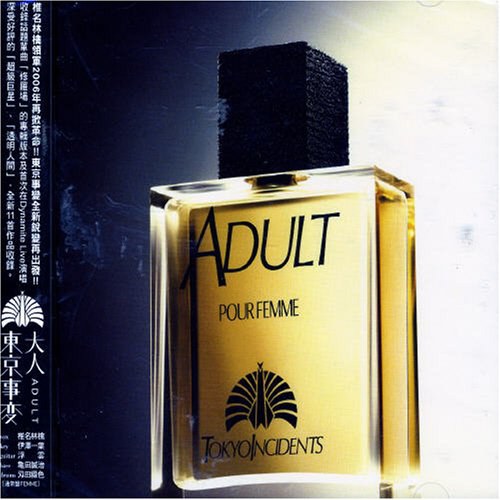
★東京事變於7月發表2名團員退出後,隨即加入了新團員分別是:吉他手-「浮雲」&鍵盤手-「伊澤一葉」,全新組合「東京事變」帶來衝擊性的嶄新火花。
★收錄發行後持續熱賣話題單曲「修羅場」,為富士電視台大戲「大奧~華之亂~」主題曲。椎名林檎針對這部日劇親自譜寫描述女人之間的愛憎劇情而命名的。明快清朗的曲調加上椎名林檎獨特的文筆譜出另一番情熱風味。
2005年7月,因新舊團員的退出與加入,讓東京事變激起更加燦爛的音樂火花。和首張專輯『教育』相比之下,本張專輯更加直接表現出椎名林檎對於音樂所抱持的理念,讓人成功地捕捉到銳變後的椎名林檎與東京事變。專輯裡呈現出接近融合16拍的放克與爵士樂、藍調..等黑人音樂成份與法國流行樂般地成熟感十足的品味,而 樂團本身與時代感同時的進化程度更是最大的象徵。
特別是負責節奏的團員們在樂曲裡表現出令人目不睱給變化多端的複雜節奏,將專輯裡最精彩的音色呈現得一覽無遺。當然,並非只有卓越的節奏樂手獨占鋒頭,在每段節奏的空隙裡,由吉他與鍵盤所交織出的優美旋律亦充份流暢於其中。而這種製作環境的變化,甚至影響到她的作詞心態,從樂曲裡所散發出的色彩感及簡潔的故事性便讓聽眾深深陷入了她的世界。至於歌詞的內容則全權交由聽眾自行解釋更是為此作品的重心,希望大家能盡情享受這張專輯所帶來的激盪與愉悅的衝擊。
★收錄發行後持續熱賣話題單曲「修羅場」,為富士電視台大戲「大奧~華之亂~」主題曲。椎名林檎針對這部日劇親自譜寫描述女人之間的愛憎劇情而命名的。明快清朗的曲調加上椎名林檎獨特的文筆譜出另一番情熱風味。
2005年7月,因新舊團員的退出與加入,讓東京事變激起更加燦爛的音樂火花。和首張專輯『教育』相比之下,本張專輯更加直接表現出椎名林檎對於音樂所抱持的理念,讓人成功地捕捉到銳變後的椎名林檎與東京事變。專輯裡呈現出接近融合16拍的放克與爵士樂、藍調..等黑人音樂成份與法國流行樂般地成熟感十足的品味,而 樂團本身與時代感同時的進化程度更是最大的象徵。
特別是負責節奏的團員們在樂曲裡表現出令人目不睱給變化多端的複雜節奏,將專輯裡最精彩的音色呈現得一覽無遺。當然,並非只有卓越的節奏樂手獨占鋒頭,在每段節奏的空隙裡,由吉他與鍵盤所交織出的優美旋律亦充份流暢於其中。而這種製作環境的變化,甚至影響到她的作詞心態,從樂曲裡所散發出的色彩感及簡潔的故事性便讓聽眾深深陷入了她的世界。至於歌詞的內容則全權交由聽眾自行解釋更是為此作品的重心,希望大家能盡情享受這張專輯所帶來的激盪與愉悅的衝擊。

FROM CREATION Douban
DRY&HEAVY
release date 2002-07-03
publisher:
BEAT RECORDS
一青想 Douban
release date 2004-04-07
publisher:
コロムビアミュージックエンタテインメント
﹡日本金唱片大赏、唱片大赏、日本有线大赏、BEST HIT歌谣祭等四大音乐奖项年度最优秀新人奖
﹡最新专辑<一青想>文艺气息浓厚,侯孝贤跨海导演电影<咖啡时光>之主题曲<一思案>抢先收录
一手囊括了包括日本金唱片大赏、唱片大赏、日本有线大赏、BEST HIT歌谣祭等四大音乐奖项年度最优秀新人奖以及台湾Hito音乐奖日亚年度黑马奖项的台、日混血歌手一青窈,在暌违一年四个月之后,推出了第2张专辑“一青想”,在这一年四个月之中,除了音乐创作与巡回演唱之外,一青窈还跨足电影圈,在知名导演侯孝贤的力荐之下,出任侯孝贤为日本松竹电影公司出资,纪念日本国民导演小津安二郎百岁冥诞的作品‘咖啡时光’的女主角,和知名演员浅野忠信、萩原圣人等同台较劲。
在新专辑“一青想”当中不但收录了一青窈在电影<咖啡时光>当中的对话,还收录了一青窈和她本人以及她母亲共同的音乐偶像井上阳水合作的<咖啡时光>电影主题曲‘一思案’,在这首歌曲中除了副歌部分是一青窈用中、日双语夹杂的方式演唱之外,大部分都是用诗歌朗诵的方式诠释,表现手法相当新鲜。而专辑中的‘梦正酣’这首歌,更因描述男女间淡淡情愫的内容,被选为日本TBS电视台50周年台庆大戏、同时也是‘长假’女星山口智子婚后首度主演的电视剧‘向田邦子的情书’的主题曲。
在歌词创作的字里行间散发着浓浓文艺气息的一青窈,也因此获得不少和知名艺术家合作的机会,像她之前的单曲‘江户波卡’,就请来国际知名的日籍艺术大师横尾忠则操刀设计,而去年一青窈参加红白歌唱大赛的服装则取材自冈本太郎的壁画,这次专辑的封面设计则出自新生代艺术家伊藤存的手笔。而一青窈也巧妙地把鸟的形象,融入了名字和专辑名称“一青想”的LOGO字当中。
﹡最新专辑<一青想>文艺气息浓厚,侯孝贤跨海导演电影<咖啡时光>之主题曲<一思案>抢先收录
一手囊括了包括日本金唱片大赏、唱片大赏、日本有线大赏、BEST HIT歌谣祭等四大音乐奖项年度最优秀新人奖以及台湾Hito音乐奖日亚年度黑马奖项的台、日混血歌手一青窈,在暌违一年四个月之后,推出了第2张专辑“一青想”,在这一年四个月之中,除了音乐创作与巡回演唱之外,一青窈还跨足电影圈,在知名导演侯孝贤的力荐之下,出任侯孝贤为日本松竹电影公司出资,纪念日本国民导演小津安二郎百岁冥诞的作品‘咖啡时光’的女主角,和知名演员浅野忠信、萩原圣人等同台较劲。
在新专辑“一青想”当中不但收录了一青窈在电影<咖啡时光>当中的对话,还收录了一青窈和她本人以及她母亲共同的音乐偶像井上阳水合作的<咖啡时光>电影主题曲‘一思案’,在这首歌曲中除了副歌部分是一青窈用中、日双语夹杂的方式演唱之外,大部分都是用诗歌朗诵的方式诠释,表现手法相当新鲜。而专辑中的‘梦正酣’这首歌,更因描述男女间淡淡情愫的内容,被选为日本TBS电视台50周年台庆大戏、同时也是‘长假’女星山口智子婚后首度主演的电视剧‘向田邦子的情书’的主题曲。
在歌词创作的字里行间散发着浓浓文艺气息的一青窈,也因此获得不少和知名艺术家合作的机会,像她之前的单曲‘江户波卡’,就请来国际知名的日籍艺术大师横尾忠则操刀设计,而去年一青窈参加红白歌唱大赛的服装则取材自冈本太郎的壁画,这次专辑的封面设计则出自新生代艺术家伊藤存的手笔。而一青窈也巧妙地把鸟的形象,融入了名字和专辑名称“一青想”的LOGO字当中。
Echoes Of Japan Douban
Minyo Crusaders
/
民謡クルセイダーズ
genre:
Folk
release date 2018-12-12
publisher:
P-Vine Records
In his short story “The Preserving Machine,” Philip K. Dick wrote that “music is the most perishable of things; fragile and delicate, easily destroyed.” The character who speaks that line sets about turning music into DNA to enable it to survive for future generations. In a manner of speaking, the Tokyo group Minyo Crusaders are pursuing the same ends—albeit without the assistance of a laboratory, or indulging in any gene splicing.
First, some context: “Minyo” are traditional Japanese folk songs, localized bits of pastoral verse and melody, often unique to their hometown or district. Minyo have mostly disappeared from everyday consciousness in 21st century Japan, but on Echoes of Japan, the new album from Minyo Crusaders, they’re given a boisterous afterlife, transformed by arrangements that draw heavily on dub, cumbia, and Afrobeat.
Take “Kushimoto Bushi (Cumbia),” the album’s first single. A slow-scraping cumbia rhythm works as a sort of transport for the song’s hook, a blast of military brass. The syncopation offsets the song’s brittle, eerily beautiful pentatonic wail, while grungy down-chanks of guitar and downbeats give the composition a power greater than its various parts. The sound bristles, but it also slaps. On “Hohai Bushi (Afro),” singer Fredy Tsukomoto’s plaintive, sometimes yipping vocal is underpinned by greasy Afrofunk that suggest early Fela compositions like “Swegbe and Pako.” Though subtitled “Ethiopian Groove,” the sweeping feel of “Akita Nikata Bushi” is more akin to the desert blues of Mali; “Otemoyan (Reggae)” swipes a bit of the riddim from dancehall classics “Ring The Alarm” and “Bam Bam.” Echoes of Japan proves Minyo Crusaders to be masters of many styles and feels, from the frenetic beguine “Mamurogawa Ondo” to the languid bolero treatment of “Yasugi Bushi,” which ends with a Pharoah Sanders-ish flourish on tenor sax.
Preservation is clearly at the heart of the mission, as Crusaders guitarist and co-founder Katsumi Tanaka confirms. “Minyo used to be music for the common people; popular music,” he says, speaking by phone from Tokyo with the help of a translator, “but it doesn’t work like that anymore. It’s regarded as a forgotten, out-of-date music. By comparison, reggae, cumbia, and ska are very well accepted. By combining the two, I believe traditional Japanese song minyo could be revived, bringing back its own charm as a music for the people.”
Most of the minyo in the Crusaders catalog were painstakingly collected by Tanaka, from his own collection of 78 RPM discs and similar recordings uploaded to the web. YouTube, in fact, played a critical role in developing the Minyo Crusaders repertoire. “There, I found lots of different music sources and––even searching for one song—I find that the same song can be arranged very differently depending on the period [it was recorded in]. Minyo was still taken as a very vibrant and popular modern music in certain eras and that was very inspirational. That completely changed my mind about what minyo could be,” says Tanka. Accordingly, Tanaka pulled together the Crusaders current line-up of ace musicians from other bands, specifically seeking players who were adept at Afro-Latin and Caribbean forms to develop this vision of a living minyo. “It’s maybe a good way to provoke the question, What’s Japanese?” he says, “or how we see our identity as Japanese people. We’re enjoying our own Japanese culture as a kind of ‘world music.'”
Such juxtapositions are almost as novel in Japan as they are to listeners outside it. While reggae and other variants of “world music” are extremely popular there, they don’t intuitively mesh with minyo. As Isaku Kageyama, a musician and teacher at L.A.’s Taiko Institute explains, “Minyo uses a similar beat to cumbia, but the feel and groove is totally different. Reggae uses a lot of syncopated melodies, while minyo melodies tend to be very downbeat focused.” Jeremy Freeman, aka Scratch Famous, Tokyo-based proprietor of the reggae soundsystem Deadly Dragon Sound, arrives at a similar conclusion: “The bedrock sound of Jamaican music has always been the ‘heartbeat’ of a kette drum. The taiko drums that I have heard do not have that element.”
Minyo is also not an obvious thematic fit with outlaw artforms like dub and reggae—which is not to say that the urgency of Minyo Crusader’s sound is not powered by an equally strong generational undercurrent. “I may be making a jump here,” says Freeman, “but the 2011 earthquake/tsunami had a profound effect on Japanese society. There was a galvanization of a national consciousness and community. At the same time, there was a marked cynicism in reaction to the government’s handling of the crisis, specifically the transparent falsehoods that were being spread about nuclear safety.
“These two combined forces—a reawakening of a shared Japanese consciousness and a distrust of government—gave rise to a greater sense of concern over all that has been lost in Japan in the decades since World War II,” Freeman concludes. “I suspect Minyo Crusaders felt that as an impetus to revive the folk music of Japan.”
Tanaka himself is quick to admit that, though it may sound like a call to arms, Echoes Of Japan doesn’t constitute message music in the traditional sense. “It’s a very difficult question, because in the lyrics of minyo itself…there’s no message songs. It’s more describing the beautiful countryside in a particular place, a visual image.” But perhaps that image—of Japan, the land itself—is as deserving of preservation as any message. “When Japanese people listen to minyo—it’s more it’s telling like a picture,” Tanaka says. “It’s telling a landscape.”
It wasn’t your looks that charmed me, I liked the silver accessory on your tobacco case” (Lyric from Otemoyan)
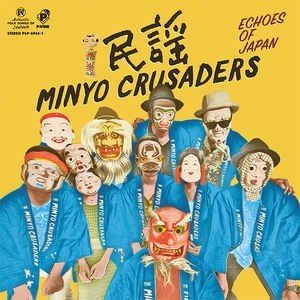
Minyo Crusaders rework historic Japanese folk songs (min'yō) with Latin, African, Caribbean and Asian rhythms on their debut album “Echoes of Japan”.
Recent releases from Ryuichi Sakamoto, Haruomi Hosono and Midori Takada have re-ignited global interest in Japanese music and with Ry Cooder, Mario Galeano (Ondatrópica/Frente Cumbeiro) and Clap! Clap! already fans of the ten-piece, “Echoes of Japan” marks the arrival of a big band like no other, where distinctive min'yō vocals glide over grooves that join the dots between cumbia, Ethiopian jazz, Thai pop, Afro funk and reggae.
“For Japanese people, min'yō is both the closest, and most distant, folk music” explains band-leader Katsumi Tanaka: “We may not feel it in our daily, urban lives, yet the melodies, the style of singing and the rhythm of the taiko drums are engrained in our DNA”.
Initially indifferent to min'yō, a tragic event in recent Japanese history set Tanaka on his current path: “Following the Tohoku earthquake of 2011, like many Japanese, I reflected on my life, work and identity. A fan of world music, I began searching for Japanese roots music I could identify with. Discovering mid-late 20th century acts Hibari Misora, Chiemi Eri and the Tokyo Cuban Boys, I was captivated by their eccentric arrangements and how they mixed min'yō with Latin and jazz.” Freddie fell for min'yō after hearing a song from his hometown on a TV competition whilst in a restaurant. It was a revelation - up till then he had been an aspiring jazz singer yet was uncomfortable singing in a foreign language. The restaurateur told him a min'yō teacher was his neighbour, and the rest is history.
Originally sung by fishermen (Kushimoto Bushi; Mamurogawa Ondo), coal miners (Tanko Bushi) and sumo wrestlers (Sumo Jinku), these songs deal with topics such as the returning spirits of ancestors (Hohai Bushi), Japan’s smallest bird (Toichin Bushi) and a bride’s undying love for her husband’s pockmarked face (Otemoyan), evoking nostalgia for a forgotten Japan. “As a traditional performing art, min'yō is considered highbrow, yet these are mainly songs for working, dancing or drinking - we want to return them to their literal meaning as ‘songs of the people’ ”.
In the late 90s Tanaka moved to Fussa, a city in western Tokyo steeped in counter-culture folklore as the home of Eiichi Ohtaki of Japanese rock band Happy End. Tanaka met Tsukamoto playing in a session band where the latter was singing soul. Aware that Freddie’s true passion was min'yō, Tanaka asked him to form a band to revive this style. They invited other musicians such as local drumming legend Sono and for the first few years played low-key shows yet a turning point came when bassist DADDY U, a veteran of the Tokyo roots music scene and the respected Ska Flames, joined. Through him they met keyboard player Moe, the leader of spiritual Caribbean jazz band Kidlat; sax player Koichiro Osawa, a member of Japanese-reggae/ska groups Matt Sounds and J.J. Session and regular pick-up for reggae musicians visiting Japan; trumpeter Yamauchi Stephan, also a member of J.J. Session; percussionist Mutsumi Kobayashi of Tokyo’s cumbia Banda de la Mumbia; Irochi, conga player with Afro Cuban band Cubatumb and vocalist Meg, a member of respected tropical DJ collective Tokyo Sabroso. Since then they have become a fixture on the Tokyo music scene and went national in 2018 through festivals such as Fuji Rock.
With songs encouraging dancing and drinking, the Crusaders are on a mission to bring “highbrow” min'yō back to it's “lowlife” roots -whilst also bringing traditional Japanese music onto the global music stage: “The point is to avoid making it too complicated” adds Tanaka, “since min'yō is for everyday people.”
Minyo Crusaders are (descriptions by Katsumi Tanaka)
Freddie Tsukamoto (vocals): “Stubborn, like an old Japanese man”
Meg (vocals, melodica): “Spiritual jazz lover. Never talks on stage”
Katsumi Tanaka (guitar): “Collector of bizarre Japanese guitars”
DADDY U (bass): “Caribbean music freak”
Moe (keyboards): “Comic collector, synth-head, easy-going”
Sono (timbales): “Dog lover”
Mutsumi Kobayashi (bongos): “Beat master & happy mood maker”
Yamauchi Stephan (trumpet): “Most organised and reliable”
Koichiro Osawa (sax) “The party man and our craziest performer”
Irochi (congas): “Our mascot. Something always happens on tour”
First, some context: “Minyo” are traditional Japanese folk songs, localized bits of pastoral verse and melody, often unique to their hometown or district. Minyo have mostly disappeared from everyday consciousness in 21st century Japan, but on Echoes of Japan, the new album from Minyo Crusaders, they’re given a boisterous afterlife, transformed by arrangements that draw heavily on dub, cumbia, and Afrobeat.
Take “Kushimoto Bushi (Cumbia),” the album’s first single. A slow-scraping cumbia rhythm works as a sort of transport for the song’s hook, a blast of military brass. The syncopation offsets the song’s brittle, eerily beautiful pentatonic wail, while grungy down-chanks of guitar and downbeats give the composition a power greater than its various parts. The sound bristles, but it also slaps. On “Hohai Bushi (Afro),” singer Fredy Tsukomoto’s plaintive, sometimes yipping vocal is underpinned by greasy Afrofunk that suggest early Fela compositions like “Swegbe and Pako.” Though subtitled “Ethiopian Groove,” the sweeping feel of “Akita Nikata Bushi” is more akin to the desert blues of Mali; “Otemoyan (Reggae)” swipes a bit of the riddim from dancehall classics “Ring The Alarm” and “Bam Bam.” Echoes of Japan proves Minyo Crusaders to be masters of many styles and feels, from the frenetic beguine “Mamurogawa Ondo” to the languid bolero treatment of “Yasugi Bushi,” which ends with a Pharoah Sanders-ish flourish on tenor sax.
Preservation is clearly at the heart of the mission, as Crusaders guitarist and co-founder Katsumi Tanaka confirms. “Minyo used to be music for the common people; popular music,” he says, speaking by phone from Tokyo with the help of a translator, “but it doesn’t work like that anymore. It’s regarded as a forgotten, out-of-date music. By comparison, reggae, cumbia, and ska are very well accepted. By combining the two, I believe traditional Japanese song minyo could be revived, bringing back its own charm as a music for the people.”
Most of the minyo in the Crusaders catalog were painstakingly collected by Tanaka, from his own collection of 78 RPM discs and similar recordings uploaded to the web. YouTube, in fact, played a critical role in developing the Minyo Crusaders repertoire. “There, I found lots of different music sources and––even searching for one song—I find that the same song can be arranged very differently depending on the period [it was recorded in]. Minyo was still taken as a very vibrant and popular modern music in certain eras and that was very inspirational. That completely changed my mind about what minyo could be,” says Tanka. Accordingly, Tanaka pulled together the Crusaders current line-up of ace musicians from other bands, specifically seeking players who were adept at Afro-Latin and Caribbean forms to develop this vision of a living minyo. “It’s maybe a good way to provoke the question, What’s Japanese?” he says, “or how we see our identity as Japanese people. We’re enjoying our own Japanese culture as a kind of ‘world music.'”
Such juxtapositions are almost as novel in Japan as they are to listeners outside it. While reggae and other variants of “world music” are extremely popular there, they don’t intuitively mesh with minyo. As Isaku Kageyama, a musician and teacher at L.A.’s Taiko Institute explains, “Minyo uses a similar beat to cumbia, but the feel and groove is totally different. Reggae uses a lot of syncopated melodies, while minyo melodies tend to be very downbeat focused.” Jeremy Freeman, aka Scratch Famous, Tokyo-based proprietor of the reggae soundsystem Deadly Dragon Sound, arrives at a similar conclusion: “The bedrock sound of Jamaican music has always been the ‘heartbeat’ of a kette drum. The taiko drums that I have heard do not have that element.”
Minyo is also not an obvious thematic fit with outlaw artforms like dub and reggae—which is not to say that the urgency of Minyo Crusader’s sound is not powered by an equally strong generational undercurrent. “I may be making a jump here,” says Freeman, “but the 2011 earthquake/tsunami had a profound effect on Japanese society. There was a galvanization of a national consciousness and community. At the same time, there was a marked cynicism in reaction to the government’s handling of the crisis, specifically the transparent falsehoods that were being spread about nuclear safety.
“These two combined forces—a reawakening of a shared Japanese consciousness and a distrust of government—gave rise to a greater sense of concern over all that has been lost in Japan in the decades since World War II,” Freeman concludes. “I suspect Minyo Crusaders felt that as an impetus to revive the folk music of Japan.”
Tanaka himself is quick to admit that, though it may sound like a call to arms, Echoes Of Japan doesn’t constitute message music in the traditional sense. “It’s a very difficult question, because in the lyrics of minyo itself…there’s no message songs. It’s more describing the beautiful countryside in a particular place, a visual image.” But perhaps that image—of Japan, the land itself—is as deserving of preservation as any message. “When Japanese people listen to minyo—it’s more it’s telling like a picture,” Tanaka says. “It’s telling a landscape.”
It wasn’t your looks that charmed me, I liked the silver accessory on your tobacco case” (Lyric from Otemoyan)
Minyo Crusaders rework historic Japanese folk songs (min'yō) with Latin, African, Caribbean and Asian rhythms on their debut album “Echoes of Japan”.
Recent releases from Ryuichi Sakamoto, Haruomi Hosono and Midori Takada have re-ignited global interest in Japanese music and with Ry Cooder, Mario Galeano (Ondatrópica/Frente Cumbeiro) and Clap! Clap! already fans of the ten-piece, “Echoes of Japan” marks the arrival of a big band like no other, where distinctive min'yō vocals glide over grooves that join the dots between cumbia, Ethiopian jazz, Thai pop, Afro funk and reggae.
“For Japanese people, min'yō is both the closest, and most distant, folk music” explains band-leader Katsumi Tanaka: “We may not feel it in our daily, urban lives, yet the melodies, the style of singing and the rhythm of the taiko drums are engrained in our DNA”.
Initially indifferent to min'yō, a tragic event in recent Japanese history set Tanaka on his current path: “Following the Tohoku earthquake of 2011, like many Japanese, I reflected on my life, work and identity. A fan of world music, I began searching for Japanese roots music I could identify with. Discovering mid-late 20th century acts Hibari Misora, Chiemi Eri and the Tokyo Cuban Boys, I was captivated by their eccentric arrangements and how they mixed min'yō with Latin and jazz.” Freddie fell for min'yō after hearing a song from his hometown on a TV competition whilst in a restaurant. It was a revelation - up till then he had been an aspiring jazz singer yet was uncomfortable singing in a foreign language. The restaurateur told him a min'yō teacher was his neighbour, and the rest is history.
Originally sung by fishermen (Kushimoto Bushi; Mamurogawa Ondo), coal miners (Tanko Bushi) and sumo wrestlers (Sumo Jinku), these songs deal with topics such as the returning spirits of ancestors (Hohai Bushi), Japan’s smallest bird (Toichin Bushi) and a bride’s undying love for her husband’s pockmarked face (Otemoyan), evoking nostalgia for a forgotten Japan. “As a traditional performing art, min'yō is considered highbrow, yet these are mainly songs for working, dancing or drinking - we want to return them to their literal meaning as ‘songs of the people’ ”.
In the late 90s Tanaka moved to Fussa, a city in western Tokyo steeped in counter-culture folklore as the home of Eiichi Ohtaki of Japanese rock band Happy End. Tanaka met Tsukamoto playing in a session band where the latter was singing soul. Aware that Freddie’s true passion was min'yō, Tanaka asked him to form a band to revive this style. They invited other musicians such as local drumming legend Sono and for the first few years played low-key shows yet a turning point came when bassist DADDY U, a veteran of the Tokyo roots music scene and the respected Ska Flames, joined. Through him they met keyboard player Moe, the leader of spiritual Caribbean jazz band Kidlat; sax player Koichiro Osawa, a member of Japanese-reggae/ska groups Matt Sounds and J.J. Session and regular pick-up for reggae musicians visiting Japan; trumpeter Yamauchi Stephan, also a member of J.J. Session; percussionist Mutsumi Kobayashi of Tokyo’s cumbia Banda de la Mumbia; Irochi, conga player with Afro Cuban band Cubatumb and vocalist Meg, a member of respected tropical DJ collective Tokyo Sabroso. Since then they have become a fixture on the Tokyo music scene and went national in 2018 through festivals such as Fuji Rock.
With songs encouraging dancing and drinking, the Crusaders are on a mission to bring “highbrow” min'yō back to it's “lowlife” roots -whilst also bringing traditional Japanese music onto the global music stage: “The point is to avoid making it too complicated” adds Tanaka, “since min'yō is for everyday people.”
Minyo Crusaders are (descriptions by Katsumi Tanaka)
Freddie Tsukamoto (vocals): “Stubborn, like an old Japanese man”
Meg (vocals, melodica): “Spiritual jazz lover. Never talks on stage”
Katsumi Tanaka (guitar): “Collector of bizarre Japanese guitars”
DADDY U (bass): “Caribbean music freak”
Moe (keyboards): “Comic collector, synth-head, easy-going”
Sono (timbales): “Dog lover”
Mutsumi Kobayashi (bongos): “Beat master & happy mood maker”
Yamauchi Stephan (trumpet): “Most organised and reliable”
Koichiro Osawa (sax) “The party man and our craziest performer”
Irochi (congas): “Our mascot. Something always happens on tour”
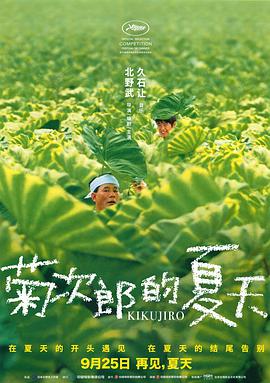
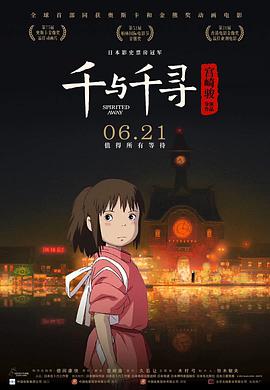
Spirited Away (2001) Eggplant.place IMDb Min reol Bangumi TMDB Douban Skybridge MovieBuff WikiData
千と千尋の神隠し
other title:
千与千寻
/
千と千尋の神隠し
…
A young girl, Chihiro, becomes trapped in a strange new world of spirits. When her parents undergo a mysterious transformation, she must call upon the courage she never knew she had to free her family.
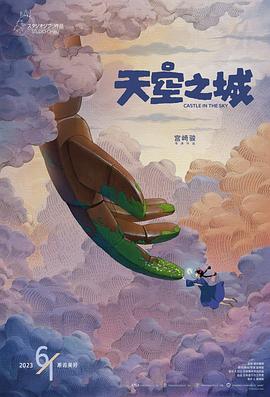
Laputa: Castle in the Sky (1986) Douban Min reol Bangumi Eggplant.place TMDB Skybridge WikiData MovieBuff IMDb
天空の城ラピュタ
other title:
天空之城
/
天空の城ラピュタ
…
A young boy and a girl with a magic crystal must race against pirates and foreign agents in a search for a legendary floating castle.

Howl's Moving Castle (2004) Eggplant.place Douban TMDB Min reol Bangumi IMDb Skybridge MovieBuff WikiData
ハウルの動く城
other title:
哈尔的移动城堡
/
ハウルの動く城
…
Sophie, a young milliner, is turned into an elderly woman by a witch who enters her shop and curses her. She encounters a wizard named Howl and gets caught up in his resistance to fighting for the king.

Mononoke-hime (1997) Eggplant.place TMDB Min reol Bangumi IMDb Douban Skybridge WikiData
もののけ姫
other title:
幽灵公主
/
もののけ姫
…
Ashitaka, a prince of the disappearing Emishi people, is cursed by a demonized boar god and must journey to the west to find a cure. Along the way, he encounters San, a young human woman fighting to protect the forest, and Lady Eboshi, who is trying to destroy it. Ashitaka must find a way to bring balance to this conflict.
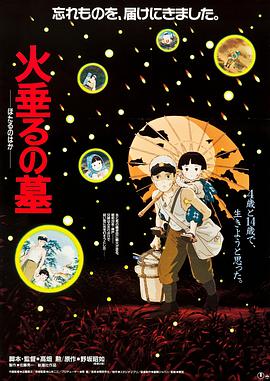
Tombstone for Fireflies (1988) Min reol Eggplant.place TMDB Douban Skybridge WikiData IMDb
火垂るの墓
other title:
萤火虫之墓
/
火垂るの墓
…
In the final months of World War II, 14-year-old Seita and his sister Setsuko are orphaned when their mother is killed during an air raid in Kobe, Japan. After a falling out with their aunt, they move into an abandoned bomb shelter. With no surviving relatives and their emergency rations depleted, Seita and Setsuko struggle to survive.