宗教
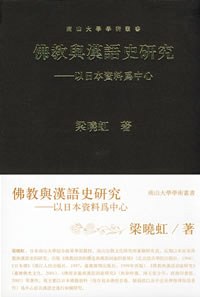
佛教与汉语史研究 豆瓣
作者:
梁晓虹
出版社:
上海古籍出版社
2008
- 3
数量不菲的日本古写本佛经,其价值不让于中国敦煌佛经写本,而国人难以寓目。作者梁晓虹,以深厚的训诂学功力,长期在日本从事汉语与佛经音义的研究。本书即以日本古写本佛经中的大量音义资料为基础,肯定其汉语研究方面的珍贵史料价值,并从《四分律音义》、《新译华严经音义》等古写本中收集资料,研究汉字、俗字、词汇双音化、同义复合词以及外来词汉化等的发展变化。同时,作者竭力推崇以无著道忠为代表的中古、近世日本僧人对汉语研究的贡献,强调“禅林句集”之类禅宗史料的研究价值。本书还分析了疑伪经的情况,并指出疑伪经在汉语研究中的重要作用。

天地玄黄 (1992) IMDb 维基数据 TMDB 豆瓣
Baraka
其它标题:
Baraka
/
巴拉卡
…
我们是谁?从哪里来?又将归往何处?这些问题和我们的生存息息相关,但却很少有人能够给出准确的答案。历时14个月,穿越24个国家,导演罗恩·弗里克(Ron Fricke)用镜头向我们展示了大自然能够拥有的最壮阔最绚丽的景致——从远古到现在,从猿猴到人类,从荒无人烟的沙漠到震撼人心的宗教活动现场,从广袤天地带来的感动到婴孩单纯的笑脸给予的幸福,我们会发现,很多时候,我们并不能意识到,这美好的一切正时时刻刻的发生在我们身边。
全片没有台词,片名Baraka在古伊斯兰语中代表祝福,这也是导演拍摄此片的初衷,祝福与我们共同存在在这颗蔚蓝地球上的一切。
全片没有台词,片名Baraka在古伊斯兰语中代表祝福,这也是导演拍摄此片的初衷,祝福与我们共同存在在这颗蔚蓝地球上的一切。
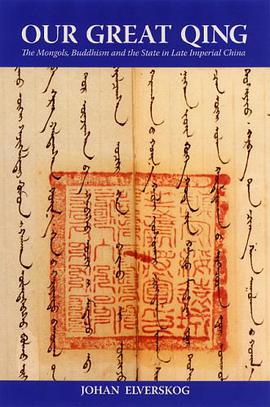
Our Great Qing 豆瓣
作者:
Johan Elverskog
出版社:
University of Hawaii Press
2006
- 7
"In a sweeping overview of four centuries of Mongolian history that draws on previously untapped sources, Johan Elverskog opens up totally new perspectives on some of the most urgent questions historians have recently raised about the role of Buddhism in the constitution of the Qing empire. Theoretically informed and strongly comparative in approach, Elverskog’s work tells a fascinating and important story that will interest all scholars working at the intersection of religion and politics." —Mark Elliott, Harvard University
"Johan Elverskog has rewritten the political and intellectual history of Mongolia from the bottom up, telling a convincing story that clarifies for the first time the revolutions which Mongolian concepts of community, rule, and religion underwent from 1500 to 1900. His account of Qing rule in Mongolia doesn’t just tell us what images the Qing emperors wished to project, but also what images the Mongols accepted themselves, and how these changed over the centuries. In the scope of time it covers, the originality of the views advanced, and the accuracy of the scholarship upon which it is based, Our Great Qing seems destined to mark a watershed in Mongolian studies. It will be essential reading for specialists in Mongolian studies and will make an important contribution and riposte to the ‘new Qing history’ now changing the face of late imperial Chinese history. Specialists in Tibetan Buddhism and Buddhism’s interaction with the political realm will also find in this work challenging and thought-provoking." —ChristopherAtwood, Indiana University
Although it is generally believed that the Manchus controlled the Mongols through their patronage of Tibetan Buddhism, scant attention has been paid to the Mongol view of the Qing imperial project. In contrast to other accounts of Manchu rule, Our Great Qing focuses not only on what images the metropole wished to project into Mongolia, but also on what images the Mongols acknowledged themselves. Rather than accepting the Manchu’s use of Buddhism, Johan Elverskog begins by questioning the static, unhistorical, and hegemonic view of political life implicit in the Buddhist explanation. By stressing instead the fluidity of identity and Buddhist practice as processes continually developing in relation to state formations, this work explores how Qing policies were understood by Mongols and how they came to see themselves as Qing subjects.
In his investigation of Mongol society on the eve of the Manchu conquest, Elverskog reveals the distinctive political theory of decentralization that fostered the civil war among the Mongols. He explains how it was that the Manchu Great Enterprise was not to win over "Mongolia" but was instead to create a unified Mongol community of which the disparate preexisting communities would merely be component parts.
A key element fostering this change was the Qing court’s promotion of Gelukpa orthodoxy, which not only transformed Mongol historical narratives and rituals but also displaced the earlier vernacular Mongolian Buddhism. Finally, Elverskog demonstrates how this eighteenth-century conception of a Mongol community, ruled by an aristocracy and nourished by a Buddhist emperor, gave way to a pan-Qing solidarity of all Buddhist peoples against Muslims and Christians and to local identities that united for the first time aristocrats with commoners in a new Mongol Buddhist identity on the eve of the twentieth century.
"Johan Elverskog has rewritten the political and intellectual history of Mongolia from the bottom up, telling a convincing story that clarifies for the first time the revolutions which Mongolian concepts of community, rule, and religion underwent from 1500 to 1900. His account of Qing rule in Mongolia doesn’t just tell us what images the Qing emperors wished to project, but also what images the Mongols accepted themselves, and how these changed over the centuries. In the scope of time it covers, the originality of the views advanced, and the accuracy of the scholarship upon which it is based, Our Great Qing seems destined to mark a watershed in Mongolian studies. It will be essential reading for specialists in Mongolian studies and will make an important contribution and riposte to the ‘new Qing history’ now changing the face of late imperial Chinese history. Specialists in Tibetan Buddhism and Buddhism’s interaction with the political realm will also find in this work challenging and thought-provoking." —ChristopherAtwood, Indiana University
Although it is generally believed that the Manchus controlled the Mongols through their patronage of Tibetan Buddhism, scant attention has been paid to the Mongol view of the Qing imperial project. In contrast to other accounts of Manchu rule, Our Great Qing focuses not only on what images the metropole wished to project into Mongolia, but also on what images the Mongols acknowledged themselves. Rather than accepting the Manchu’s use of Buddhism, Johan Elverskog begins by questioning the static, unhistorical, and hegemonic view of political life implicit in the Buddhist explanation. By stressing instead the fluidity of identity and Buddhist practice as processes continually developing in relation to state formations, this work explores how Qing policies were understood by Mongols and how they came to see themselves as Qing subjects.
In his investigation of Mongol society on the eve of the Manchu conquest, Elverskog reveals the distinctive political theory of decentralization that fostered the civil war among the Mongols. He explains how it was that the Manchu Great Enterprise was not to win over "Mongolia" but was instead to create a unified Mongol community of which the disparate preexisting communities would merely be component parts.
A key element fostering this change was the Qing court’s promotion of Gelukpa orthodoxy, which not only transformed Mongol historical narratives and rituals but also displaced the earlier vernacular Mongolian Buddhism. Finally, Elverskog demonstrates how this eighteenth-century conception of a Mongol community, ruled by an aristocracy and nourished by a Buddhist emperor, gave way to a pan-Qing solidarity of all Buddhist peoples against Muslims and Christians and to local identities that united for the first time aristocrats with commoners in a new Mongol Buddhist identity on the eve of the twentieth century.
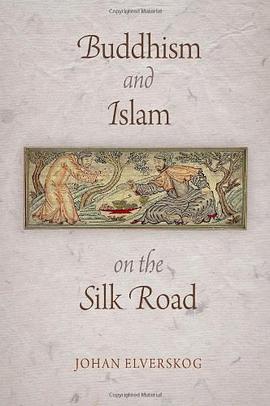
Buddhism and Islam on the Silk Road 豆瓣
作者:
Johan Elverskog
出版社:
University of Pennsylvania Press
2010
- 3
Elverskog has produced, for the very first time, a detailed account of the long-term interaction of Buddhism and Islam that should be welcomed by all students of Eurasian history. His approach to this issue is informed, balanced, and insightful. He understands that it is important to recognize the diversity within both religions, and that their encounters were not clashes between monolithic belief systems. Their relationship ran the gamut between religious violence and fanaticism to cultural exchange and tolerance.—Thomas T. Allsen, author of The Royal Hunt in Eurasian History
This is the most thorough treatment I have seen of the historical relationship between Buddhism and Islam. Elverskog skillfully and often entertainingly corrects many longstanding stereotypes about both religions, and richly demonstrates the complexity of their historical interaction with each other. This book is thoughtful, its arguments well supported, and its style very accessible. —Richard Foltz, author of Religions of the Silk Road
In the contemporary world the meeting of Buddhism and Islam is most often imagined as one of violent confrontation. Indeed, the Taliban's destruction of the Bamiyan Buddhas in 2001 seemed not only to reenact the infamous Muslim destruction of Nalanda monastery in the thirteenth century but also to reaffirm the stereotypes of Buddhism as a peaceful, rational philosophy and Islam as an inherently violent and irrational religion. But if Buddhist-Muslim history was simply repeated instances of Muslim militants attacking representations of the Buddha, how had the Bamiyan Buddha statues survived thirteen hundred years of Muslim rule?
Buddhism and Islam on the Silk Road demonstrates that the history of Buddhist-Muslim interaction is much richer and more complex than many assume. This groundbreaking book covers Inner Asia from the eighth century through the Mongol empire and to the end of the Qing dynasty in the late nineteenth century. By exploring the meetings between Buddhists and Muslims along the Silk Road from Iran to China over more than a millennium, Johan Elverskog reveals that this long encounter was actually one of profound cross-cultural exchange in which two religious traditions were not only enriched but transformed in many ways.
This is the most thorough treatment I have seen of the historical relationship between Buddhism and Islam. Elverskog skillfully and often entertainingly corrects many longstanding stereotypes about both religions, and richly demonstrates the complexity of their historical interaction with each other. This book is thoughtful, its arguments well supported, and its style very accessible. —Richard Foltz, author of Religions of the Silk Road
In the contemporary world the meeting of Buddhism and Islam is most often imagined as one of violent confrontation. Indeed, the Taliban's destruction of the Bamiyan Buddhas in 2001 seemed not only to reenact the infamous Muslim destruction of Nalanda monastery in the thirteenth century but also to reaffirm the stereotypes of Buddhism as a peaceful, rational philosophy and Islam as an inherently violent and irrational religion. But if Buddhist-Muslim history was simply repeated instances of Muslim militants attacking representations of the Buddha, how had the Bamiyan Buddha statues survived thirteen hundred years of Muslim rule?
Buddhism and Islam on the Silk Road demonstrates that the history of Buddhist-Muslim interaction is much richer and more complex than many assume. This groundbreaking book covers Inner Asia from the eighth century through the Mongol empire and to the end of the Qing dynasty in the late nineteenth century. By exploring the meetings between Buddhists and Muslims along the Silk Road from Iran to China over more than a millennium, Johan Elverskog reveals that this long encounter was actually one of profound cross-cultural exchange in which two religious traditions were not only enriched but transformed in many ways.
悉达多 豆瓣 谷歌图书
9.0 (257 个评分)
作者:
[德] 赫尔曼·黑塞
/
校注 丁君君
译者:
杨玉功 译
/
丁君君 校
出版社:
上海人民出版社
2009
- 3
古印度贵族青年悉达多英俊聪慧,拥有人们羡慕的一切。为了追求心灵的安宁,他孤身一人展开了求道之旅。他在舍卫城聆听佛陀乔答摩宣讲教义,在繁华的大城中结识了名妓伽摩拉,并成为一名富商。心灵与肉体的享受达到顶峰,却让他对自己厌倦、鄙弃到极点。在与伽摩拉最后一次欢爱之后,他抛弃了自己所有世俗的一切,来到那河边,想结束自己的生命。在那最绝望的一刹那,他突然听到了生命之河永恒的声音……经过几乎一生的追求,悉达多终于体验到万事万物的圆融统一,所有生命的不可摧毁的本性,并最终将自我融入了瞬间的永恒之中。
妖魔化与神话化西藏的背后 豆瓣
作者:
沈卫荣
出版社:
人间出版社
2013
- 8
本书为作者对国学、西藏问题和学术方法等热点问题的思考,发表以来深受学界和文化界的好评。作者的“大国学”理念别具一格,对“语言学”的阐释和倡导发人深省。长达十六年的海外游学经历,结合扎实的专业知识背景,使作者对国际视野中的西藏问题有非常透彻和独到的见解。
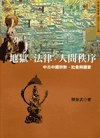
地獄·法律·人間秩序 豆瓣
作者:
陳登武 著
/
高明士 主編
出版社:
五南圖書出版有限公司
2009
- 9
本書透過「地獄‧宗教‧國家統治」以及「法律‧社會‧人間秩序」兩大主題,具體呈現古代中國的國家統治與秩序原理。
「地獄」,不僅僅用來指一個空間或場域,同時也是一個神判或者冥判的概念。亦即凡是所有來自超越世俗的制裁力量,並且具有約束或者法律上的審判意義者,均屬之。「法律」,包含「國家法」與「民間法」。從「國家法」進而討論透過國家律法所建構的人間秩序;從「民間法」進而研究其與國家統治的關係。
「人間」是刻意相對於「地獄」,「人間秩序」在語意上等同於「社會秩序」,以顯示其有別於「地獄秩序」。
不論是「地獄」或「法律」,都是用以維護「人間秩序」的重要工具,地獄與宗教可以連結到國家統治;而法律與社會則可以連結到人間秩序。前者涉及到「道德與懲罰」;後者涉及到「國家與社會」。
-----------------------------------------------------------------
上篇:地獄.宗教.國家統治
第一章 「觀世音」救贖靈驗與司法救濟
第一節 問題的提出
第二節 六朝時期的「觀世音」信仰及其傳播
第三節 中古時期觀世音救贖的故事
第四節 觀世音救贖故事的法制意義
小結
第二章 《抱朴子》與道教冥判思想
第一節 問題的提出
第二節 漢魏之際道教冥判思想
第三節 《抱朴子》的創作動機
第四節 從韋伯天職觀看葛洪的「成仙」思想
第五節 葛洪冥判觀及其法律思想
小結
第三章 本土冥判故事的法制意義
第一節 問題的提出
第二節 本土幽冥世界的建構與發展
第三節 干寶《搜神記》的宗教傾向
第四節 《搜神記》冥判故事的法制意義
第五節 雷神信仰與神判小結
第四章 中古地獄審判故事的法制意義
第一節 問題的提出
第二節 魏晉南北朝的地獄審判
第三節 《冥報記》對於地獄審判的書寫
第四節 《廣異記》地獄審判的法制意義
小結
第五章 法律與教化:二十四孝故事所見家內秩序與國家統治
第一節 問題的提出
第二節 唐宋之際二十四孝故事的文本
第三節 「二十四孝」故事中的家內秩序
第四節 孝道實踐與國家統治
第五節 佛教、地獄審判與「二十四孝故事」
小結
下篇:法律‧社會‧人間秩序
第六章 君臣之際:「欺君罔上」的法律意義
第一節 問題的提出
第二節 「上書奏事」的行為界定
第三節 上書奏事的法律規範
第四節 上書奏事與「欺君罔上」
第五節 君臣禮儀與「無禮」國書事件
小結
第七章 中古時期的「家法」與「國法」──以《顏氏家訓》為中心
第一節 問題的提出
第二節 顏之推的終極關懷
第三節 〈觀我生賦〉的內在意涵
第四節 《顏氏家訓》的「家法」
第五節 「家法」、「國法」與「國家圖像」
小結
第八章 中古的專業法律人──以「檢法」官為例
第一節 問題的提出
第二節 唐中葉以前的法律專業人
第三節 「檢法」官的設置與發展
第四節 「檢法」官的任用與遷轉
第五節 「檢法」官的法律責任
小結
第九章 唐代的獄政與監獄管理
第一節 問題的提出
第二節 監獄的設置與獄官
第三節 監獄設備與獄政管理
第四節 監獄弊端與獄政檢查
小結
第十章 司法救濟與社會意義──「保辜」與唐代交通肇事的法律規範
第一節 問題的提出
第二節 「保辜」制度的沿革與法意
第三節 漢以後保辜制度的發展
第四節 唐律對於交通事故的法律規定
第五節 「康失芬行車傷人案」的司法審判程序
第六節 「保辜」的司法救濟與社會意義
小結
「地獄」,不僅僅用來指一個空間或場域,同時也是一個神判或者冥判的概念。亦即凡是所有來自超越世俗的制裁力量,並且具有約束或者法律上的審判意義者,均屬之。「法律」,包含「國家法」與「民間法」。從「國家法」進而討論透過國家律法所建構的人間秩序;從「民間法」進而研究其與國家統治的關係。
「人間」是刻意相對於「地獄」,「人間秩序」在語意上等同於「社會秩序」,以顯示其有別於「地獄秩序」。
不論是「地獄」或「法律」,都是用以維護「人間秩序」的重要工具,地獄與宗教可以連結到國家統治;而法律與社會則可以連結到人間秩序。前者涉及到「道德與懲罰」;後者涉及到「國家與社會」。
-----------------------------------------------------------------
上篇:地獄.宗教.國家統治
第一章 「觀世音」救贖靈驗與司法救濟
第一節 問題的提出
第二節 六朝時期的「觀世音」信仰及其傳播
第三節 中古時期觀世音救贖的故事
第四節 觀世音救贖故事的法制意義
小結
第二章 《抱朴子》與道教冥判思想
第一節 問題的提出
第二節 漢魏之際道教冥判思想
第三節 《抱朴子》的創作動機
第四節 從韋伯天職觀看葛洪的「成仙」思想
第五節 葛洪冥判觀及其法律思想
小結
第三章 本土冥判故事的法制意義
第一節 問題的提出
第二節 本土幽冥世界的建構與發展
第三節 干寶《搜神記》的宗教傾向
第四節 《搜神記》冥判故事的法制意義
第五節 雷神信仰與神判小結
第四章 中古地獄審判故事的法制意義
第一節 問題的提出
第二節 魏晉南北朝的地獄審判
第三節 《冥報記》對於地獄審判的書寫
第四節 《廣異記》地獄審判的法制意義
小結
第五章 法律與教化:二十四孝故事所見家內秩序與國家統治
第一節 問題的提出
第二節 唐宋之際二十四孝故事的文本
第三節 「二十四孝」故事中的家內秩序
第四節 孝道實踐與國家統治
第五節 佛教、地獄審判與「二十四孝故事」
小結
下篇:法律‧社會‧人間秩序
第六章 君臣之際:「欺君罔上」的法律意義
第一節 問題的提出
第二節 「上書奏事」的行為界定
第三節 上書奏事的法律規範
第四節 上書奏事與「欺君罔上」
第五節 君臣禮儀與「無禮」國書事件
小結
第七章 中古時期的「家法」與「國法」──以《顏氏家訓》為中心
第一節 問題的提出
第二節 顏之推的終極關懷
第三節 〈觀我生賦〉的內在意涵
第四節 《顏氏家訓》的「家法」
第五節 「家法」、「國法」與「國家圖像」
小結
第八章 中古的專業法律人──以「檢法」官為例
第一節 問題的提出
第二節 唐中葉以前的法律專業人
第三節 「檢法」官的設置與發展
第四節 「檢法」官的任用與遷轉
第五節 「檢法」官的法律責任
小結
第九章 唐代的獄政與監獄管理
第一節 問題的提出
第二節 監獄的設置與獄官
第三節 監獄設備與獄政管理
第四節 監獄弊端與獄政檢查
小結
第十章 司法救濟與社會意義──「保辜」與唐代交通肇事的法律規範
第一節 問題的提出
第二節 「保辜」制度的沿革與法意
第三節 漢以後保辜制度的發展
第四節 唐律對於交通事故的法律規定
第五節 「康失芬行車傷人案」的司法審判程序
第六節 「保辜」的司法救濟與社會意義
小結
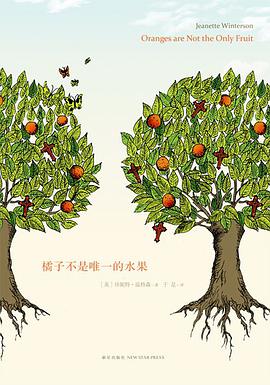
橘子不是唯一的水果 豆瓣
Oranges Are Not the Only Fruit
7.4 (142 个评分)
作者:
[英国] 珍妮特·温特森
译者:
于是
出版社:
新星出版社
2010
- 7
1985年惠特布莱德奖获奖作品
英国英语系学生必读的经典读物
入选《卫报》死前必读的1000本小说
改编成BBC热门剧集,荣获戛纳最佳剧本等多项大奖
讲述每个人都会有的爱、悲伤和愤怒
一部温暖、机智、有趣的成长小说
张悦然作序推荐 《鲤》杂志首次参与策划
————————————————————
二十年来我读到的最有意思的作家。
——戈尔•维达尔(美国作家)
珍妮特•温特森是这类题材的大师,一个极具天赋的作家。
——穆里尔•斯帕克(英国作家)
她不会装腔作势,只想坦诚地书写她想写的,我认为这很有启发性。
——萨拉•沃特斯(英国作家)
《橘子不是唯一的水果》无疑是温特森小说世界的入口,故事从这里开始。而所有的故事,其实也都在这里了。与她的其他小说一样,这是本聪明而有趣的小说。
——张悦然(作家)
英国英语系学生必读的经典读物
入选《卫报》死前必读的1000本小说
改编成BBC热门剧集,荣获戛纳最佳剧本等多项大奖
讲述每个人都会有的爱、悲伤和愤怒
一部温暖、机智、有趣的成长小说
张悦然作序推荐 《鲤》杂志首次参与策划
————————————————————
二十年来我读到的最有意思的作家。
——戈尔•维达尔(美国作家)
珍妮特•温特森是这类题材的大师,一个极具天赋的作家。
——穆里尔•斯帕克(英国作家)
她不会装腔作势,只想坦诚地书写她想写的,我认为这很有启发性。
——萨拉•沃特斯(英国作家)
《橘子不是唯一的水果》无疑是温特森小说世界的入口,故事从这里开始。而所有的故事,其实也都在这里了。与她的其他小说一样,这是本聪明而有趣的小说。
——张悦然(作家)

Oranges Are Not the Only Fruit 豆瓣
Lk mos people I lived for a long time with my mother and<br > ~her liked to watch the wrestling, my mother liked<br > My<br > father<br > tow~stle;it didn t matter what. She was n he wh e corner and<br > that was that.<br > She hung out the largest sheets on the windiest days. She<br > ~n ed the Mormons to knock on the door. At election time in a<br > Labour mill town she put a picture of the Conservative<br > candidate in ~he window.<br > She had never heard of mixed fedings. There were friends and<br > th~re were enemms.<br > Enemies were: The Devil (in his many forms)<br > Next Door<br > Sex (in its many forms)<br > Slugs<br > Friends were: God<br > Our dog<br > Auntie Madgc<br > The Novels of Charlotte Bront6<br > Slug pellets<br > and me, at first. [ had been brought in to join her in a tag match<br > against the Rest of the World. She had a mysterious attitude<br > !owards the begetting of children it wasn t that she couldn t do<br > it+ mo~ that she didn t want to do it She was very bitter about<br > th, Virgin+ Mary getting there firs So he did the next best thing<br > anm arranged fo a oundling That was me<br > We had no Wise Men becau e she didn t believe the e we e any<br > tcannozrecallatimewhen lddno know hat l was special.<br > wL+ men, but we had sheep One of my earl est memori<br >~ ,+ ~ng on . t es is me<br >!~ Sactfi asheepatEase wh le she told me the oyo he<br > SLlclaa..,~ Lamb. We had it on Sundays with potato<br > +hol~d~I d s h day of the<br > mah g~k; we had a tad g t h h tmposmg<br > ~ura)ly w~dListefaedBt~kt~e kghth indue. ~ut ohn<br > 3<br >
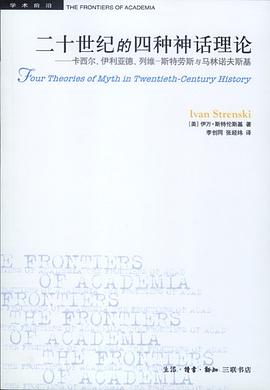
二十世纪的四种神话理论 豆瓣
Four Theories of Myth in Twentieth-Century History
“神话”是文学的母题,又带有宗教民俗之色彩,非常复杂。本书以二十世纪主要神话理论家们的学术生涯、工作经历与文化背景为视角,展现当代“神话”概念与理论的制造过程,对二十世纪的几种神话理论做了非常激烈的历史性批判。但作者并未试图将这一术语完全从我们的理论或分析语言中清除出去,而是指出:我们能够、或许仍可以继续用“神话”这一概念来思考;但与此同时,我们不应当停止对这一概念的思索,必须明了我们所讨论问题的意向与语境,必须面对我们如何、是否,以及为何应当使用这一术语的问题。
本书曾获得美国宗教学会1989年年度图书奖,出版后引起了广泛讨论。
本书曾获得美国宗教学会1989年年度图书奖,出版后引起了广泛讨论。
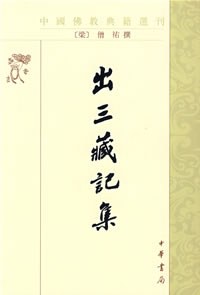
出三藏记集 豆瓣
作者:
[梁]释僧祐
译者:
苏晋仁注解
出版社:
中华书局
1995
- 11
这是中国现存最早的佛教文献目录。南朝梁僧撰。僧(445~518),俗姓俞,祖居彭城下邳(今江苏邳县),生于建康(今南京)。14岁出家,先后入扬都建初寺、钟山定林寺,受业于法达、法颍。精通律学。曾搜校佛经,建立“经藏”。编有《三藏记》、《释伽谱》、《弘明集》等。《中国佛教典籍选刊:出三藏记集》共15卷,包括4部分:①撰缘记,叙述印度佛经的编纂和中国译经的渊源。②铨名录,著录佛经2162部4328卷,分12类,各类有小序,叙述该类佛经源流。③总经序,汇集佛经的序、记120篇。④述列传,是中外32位译经高僧的传记。书后附“杂录”,著录中国学者和僧人撰写的论文或论著。全书辑录了东汉至南朝梁代诸多佛教文献,保存了东晋道安的《综理众经目录》(374)的原文。《中国佛教典籍选刊:出三藏记集》不仅对后世编纂佛经目录有一定影响,而且它的“总经序”、“述列传”对后世编制一般文献目录也有一定的影响。
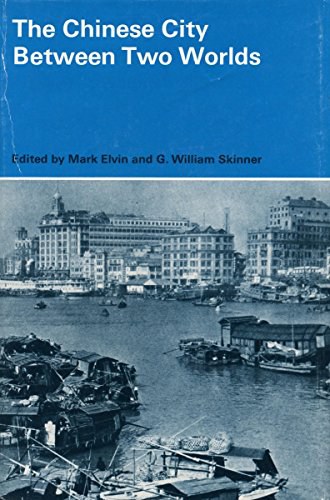
The Chinese City Between Two Worlds 豆瓣
作者:
Mark Elvin
/
G. W. Skinner (Editors)
出版社:
Stanford University Press
1974
- 6
两头蛇 豆瓣
作者:
黄一农
出版社:
上海古籍出版社
2006
- 8
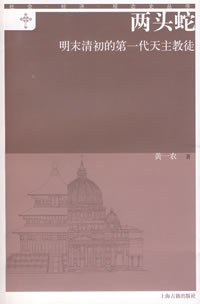
在明末奉天主教的士大夫当中,以被称作“三大柱石”的徐光启、李之藻和杨廷筠最出名,相关的研究也因此较多,故本书乃选择17世纪另一些奉教士人(成启元、瞿汝夔、许乐善、张赓、王徵、魏学濂、孙元化、韩霖、严谟、夏大常、鲍英齐等)和皇亲内臣(如永历朝中之两宫太后、皇后、皇子慈炫、太监庞天寿等)做为主轴,尝试探索这一代天主教徒奉教的因缘、心态与历程,并析究他们如何运用其人际网络以扩张西学和西教的影响力,及其在面对天、儒矛盾时如何自处。此外,亦旁涉明清之际一般士大夫与教会中人的交往情形,希望能对西学、西教在中国社会的影响层面亦有所掌握。
本书资料翔实,且迭有新史料被发现,从而使书中对有关入和事的考证相当精实,在此基础上所发议论也新见迭出,十分精彩,是一部在观点、材料与研究方法上都有创新的学术力作。
本书资料翔实,且迭有新史料被发现,从而使书中对有关入和事的考证相当精实,在此基础上所发议论也新见迭出,十分精彩,是一部在观点、材料与研究方法上都有创新的学术力作。
汉魏两晋南北朝佛教史 豆瓣
作者:
汤用彤
出版社:
中华书局
1983