宗教
The Rule of Saint Benedict Douban
author:
Benedict of Nursia
translator:
Bruce L. Venarde
publishing house:
Harvard University Press
2011
- 5
One of the most influential texts in the Middle Ages, The Rule of Saint Benedict offers guidance about both the spiritual and organizational dimensions, from the loftiest to the lowliest, of monastic life. This new Latin-English edition has features of interest for first-time readers of the Rule as well as for scholars of medieval history and language. The Latin text is a transcription of manuscript 914 of the Abbey of St. Gall (Switzerland), an early ninth-century copy regarded as the version that most closely reproduces Benedict's style. The saint's idiom was informal, sometimes conversational, and heavily influenced by the spoken Latin of the sixth century CE. In the Rule his voice and thought processes come through in all their strength and humanity. Readers will find background to the monastic life in the notes. This volume also includes texts and translations of two letters that explain the origins of the St. Gall version as well as an index to all the translated materials.
In Search of the Folk Daoists of North China Douban
The living practice of Daoist ritual is still only a small part of Daoist studies. Most of this work focuses on the southeast, with the vast area of north China often assumed to be a tabula rasa for local lay liturgical traditions. This book, based on fieldwork, challenges this assumption.
With case studies on parts of Hebei, Shanxi, Shaanxi, and Gansu provinces, Stephen Jones describes ritual sequences within funerals and temple fairs, offering details on occupational hereditary lay Daoists, temple-dwelling priests, and even amateur ritual groups. Stressing performance, Jones observes the changing ritual scene in this poor countryside, both since the 1980s and through all the tribulations of twentieth-century warfare and political campaigns. The whole vocabulary of north Chinese Daoists differs significantly from that of the southeast, which has so far dominated our image.
Largely unstudied by scholars of religion, folk Daoist ritual in north China has been a constant theme of music scholars within China. Stephen Jones places lay Daoists within the wider context of folk religious practices - including those of lay Buddhists, sectarians, and spirit mediums. This book opens up a new field for scholars of religion, ritual, music, and modern Chinese society.
#
Contents: Preface; A well-kept secret; Part 1 Singing from a Different Hymn-Sheet: North and Central Shanxi: North Shanxi; North-central Shanxi. Part 2 Temple-Lay Connections: South Shanxi and South Hebei, Shaanxi and Gansu: South Shanxi and South Hebei; Shaanxi; Gansu. Part 3 Just Can't Get the Staff: the Central Hebei Plain: Introduction: ritual associations on the Hebei plain; Daxing: the Liangshanpo transmission; Bazhou and Jinghai; The western area: Houshan and the Houtu cult. Conclusion: It's Daoism, but not as we know it; Appendices; Bibliography; Glossary; Index.
#
About the Author: Stephen Jones read classical Chinese at Cambridge, and has been documenting living traditions of folk music in rural China since 1986. Since 1993 he has held research fellowships at SOAS, London University. He is author of the influential Folk music of China: living instrumental traditions, Plucking the winds, and his two volumes Ritual and music of north China (Ashgate, 2007, 2009), on north Shanxi and Shaanbei respectively, both include DVD documentaries. He is also a violinist in leading early music ensembles in London.
#
Reviews: 'In this groundbreaking study, Stephen Jones brings to light the service of Daoist rites among common people in northern China and compares them with what until now have been far better researched Daoist ritual performances in southern China. From his extensive fieldwork, he provides convincing evidence that distinctive Daoist ritual traditions are deeply embedded in rural northern China.'
Stephan Feuchtwang, London School of Economics, UK
Stephen Jones' twenty years of fieldwork with Daoists and musicians in north China come to full blossom with this superb book. Its comparative project is admirably ambitious, looking at key rituals done very differently across an area as wide as Europe; yet the writing always remains lively, witty and focused on actual people and performance rather than theories.
Vincent Goossaert, CNRS, author of The Taoists of Peking
With case studies on parts of Hebei, Shanxi, Shaanxi, and Gansu provinces, Stephen Jones describes ritual sequences within funerals and temple fairs, offering details on occupational hereditary lay Daoists, temple-dwelling priests, and even amateur ritual groups. Stressing performance, Jones observes the changing ritual scene in this poor countryside, both since the 1980s and through all the tribulations of twentieth-century warfare and political campaigns. The whole vocabulary of north Chinese Daoists differs significantly from that of the southeast, which has so far dominated our image.
Largely unstudied by scholars of religion, folk Daoist ritual in north China has been a constant theme of music scholars within China. Stephen Jones places lay Daoists within the wider context of folk religious practices - including those of lay Buddhists, sectarians, and spirit mediums. This book opens up a new field for scholars of religion, ritual, music, and modern Chinese society.
#
Contents: Preface; A well-kept secret; Part 1 Singing from a Different Hymn-Sheet: North and Central Shanxi: North Shanxi; North-central Shanxi. Part 2 Temple-Lay Connections: South Shanxi and South Hebei, Shaanxi and Gansu: South Shanxi and South Hebei; Shaanxi; Gansu. Part 3 Just Can't Get the Staff: the Central Hebei Plain: Introduction: ritual associations on the Hebei plain; Daxing: the Liangshanpo transmission; Bazhou and Jinghai; The western area: Houshan and the Houtu cult. Conclusion: It's Daoism, but not as we know it; Appendices; Bibliography; Glossary; Index.
#
About the Author: Stephen Jones read classical Chinese at Cambridge, and has been documenting living traditions of folk music in rural China since 1986. Since 1993 he has held research fellowships at SOAS, London University. He is author of the influential Folk music of China: living instrumental traditions, Plucking the winds, and his two volumes Ritual and music of north China (Ashgate, 2007, 2009), on north Shanxi and Shaanbei respectively, both include DVD documentaries. He is also a violinist in leading early music ensembles in London.
#
Reviews: 'In this groundbreaking study, Stephen Jones brings to light the service of Daoist rites among common people in northern China and compares them with what until now have been far better researched Daoist ritual performances in southern China. From his extensive fieldwork, he provides convincing evidence that distinctive Daoist ritual traditions are deeply embedded in rural northern China.'
Stephan Feuchtwang, London School of Economics, UK
Stephen Jones' twenty years of fieldwork with Daoists and musicians in north China come to full blossom with this superb book. Its comparative project is admirably ambitious, looking at key rituals done very differently across an area as wide as Europe; yet the writing always remains lively, witty and focused on actual people and performance rather than theories.
Vincent Goossaert, CNRS, author of The Taoists of Peking
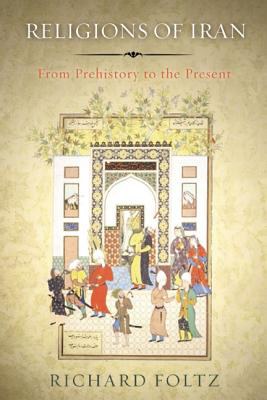
Religions of Iran Douban
author:
Foltz, Richard
publishing house:
ONEWorld Publications
This book brings to light the often neglected influence of Iranian ideas throughout the history of the world’s religions, from prehistory up to the present day. Originating as one of the Indo-European tribes of the Eurasian steppes in ancient times, Iranians share much of their mythology with the Greeks, Romans, Norse, and Hindus. From this shared past emerged the uniquely Iranian religion of Zoroastrianism, many of whose central beliefs were later adopted by Judaism, Buddhism, Christianity, and Islam. Living at the crossroads of East and West, Iranians were major players in the transmission of these faiths to central Asia, China, and the Indian Ocean basin.
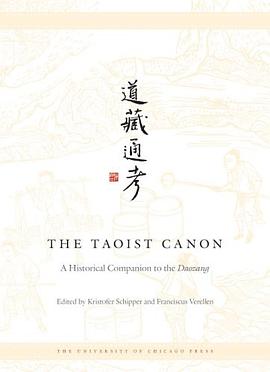
The Taoist Canon Douban
author:
Franciscus Verellen
/
Kristofer Schipper
publishing house:
University Of Chicago Press
2005
- 8
密教史 Douban
author:
栂尾祥云
translator:
圣严法师
publishing house:
法鼓山
本书撰成于距今四十九年之前,依然历久常新,除了昭和八年高野山大学出版部为之单行出版,昭和三十九年又被收载于东京隆文馆出版的丛书《现代佛教名著全集》第九册。原题为《秘密佛教史》,共分印度、中国、日本等三章。译者因为多忙,日本密教对我们也较疏远,所以仅译出其中的前两章;纵然中国密教章的第七、第八两节,是介绍喇嘛教及朝鲜密教,由于译者曾经写过《西藏佛教史》,及《日韩佛教史略》,故将此两节省略了。
密教在佛教之中,别出一歧,有许多观念及行事,均非习惯于显教者所能理解。密教本身的人,对于自家的历史背景及其源头,又多以坚固的信心,服从传说而少探究史实;唯恐在历史背景的探讨上丧失了传承的信心。日本已将学术与信仰,彼此调和,所以,密教本身创办的高野山大学,既是培养自宗传承信仰的弘化人才,也培养学术研究的教育人才。所以,译出本书的目的,固然是站在佛教史的立场,向国人介绍密教的历史,也望借以鼓励中国现代密教的教师与教徒们,能正确地认识他们自己的历史。若有因缘,我还会介绍密教的教理与密教的行事。
密教在佛教之中,别出一歧,有许多观念及行事,均非习惯于显教者所能理解。密教本身的人,对于自家的历史背景及其源头,又多以坚固的信心,服从传说而少探究史实;唯恐在历史背景的探讨上丧失了传承的信心。日本已将学术与信仰,彼此调和,所以,密教本身创办的高野山大学,既是培养自宗传承信仰的弘化人才,也培养学术研究的教育人才。所以,译出本书的目的,固然是站在佛教史的立场,向国人介绍密教的历史,也望借以鼓励中国现代密教的教师与教徒们,能正确地认识他们自己的历史。若有因缘,我还会介绍密教的教理与密教的行事。
白云观访信录 Douban
author:
[日]吉冈义丰
translator:
汪帅东
publishing house:
北京联合出版公司
2016
- 9
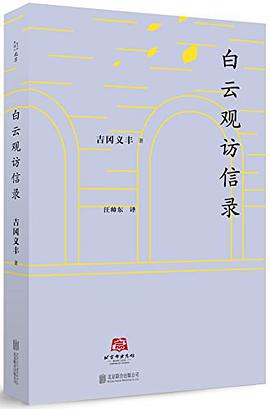
《白云观访信录》是日本学者吉冈义丰的研究性著作。全书主要分为四个部分,第一部分详细介绍了道士的日常生活、工作职责、具体分工,观宇的清规戒律、救济功能,以及祭神的分类、仪式、贡品等内容,并提供了民国二十九年和三十二年的住观道士的资料。第二部分探源溯流,对白云观的历史进行了梳理,分别介绍了唐、金、辽、元代白云观的发展概况,对天长观、长春宫与白云观的历史渊源进行了基本阐释。第三部分回顾了全真教的成立过程,介绍了全真教的基本思想,并涉及始祖王重阳、二祖马丹阳的生平事迹。第四部分实则为作者实地考察白云观的所见所闻、所思所想,包括观内的饮食住宿、管理上的矛盾、各圣殿的布局风貌等内容。
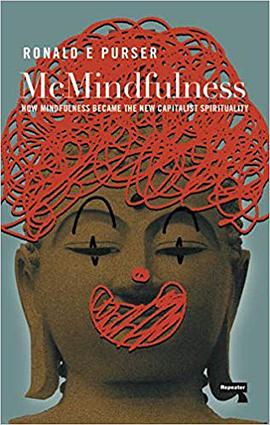
McMindfulness Douban
author:
Ronald Purser
publishing house:
Repeater Books
2019
- 7
Review
In this insightful book, Ron Purser has evaluated the strengths and weakness of the mindfulness movement, while clearly showing the way to cultivate authentic mindfulness that liberates us from the true causes of individual and collective suffering.”
- B. Alan Wallace, President, Santa Barbara Institute for Consciousness Studies
“Far from being either a harmless form of New Age self-indulgence or meditation dressed up as a medicalized antidote to the ubiquitous stresses of modern life, Ron Purser sees the mindfulness movement as epitomizing a malignant trend of contemporary Western individualism, one that is blinding us to the social problems of inherent in neoliberalism and capitalism, providing an anodyne where what is needed is rigorous analysis and political action.”
- Barry Magid, author of What’s Wrong With Mindfulness
“McMindfulness makes an important critique of self-centered mindfulness and points us towards a new vision for real social change.”
- Christopher Titmuss, author of The Political Buddha
“Ron Purser cuts through the comforting New Age jargon used to promote mindfulness, enabling us to distinguish between the practice and its marketing.”
- Richard Payne, Institute of Buddhist Studies
"Timely and incisive... Purser reveals how mindfulness became a vast industry, promising to cure us of a growing range of psychological ailments, and simultaneously propping up the political and economic system that generates them.”
— William Davies, author of Nervous States and The Happiness Industry
“If you are wondering about whether mindfulness is really a panacea for all our problems, this is the book to read.” — David Loy, author of Money, Sex, War and Karma
"Provocatively illustrates how mindfulness has been hijacked by corporate interests, turned into an opiate of the masses, and how we can radically rethink the meaning of mindfulness in contemporary life.”
— Dr. Steven Stanley, School of Social Sciences, Cardiff University
"Spiky, witty, meticulously researched and thoroughly engaging, McMindfulness is the best assessment of ‘Mindfulness’ to date."
— Manu Bazzano, author of Zen and Therapy: Heretical Perspectives and editor of After Mindfulness: new Perspectives on Psychology and Meditation
"A much needed wake-up call to the dark side of mindfulness-based practices... a must-read.”
– Richard King, Professor of Buddhist and Asian Studies, University of Kent.
"Just the right book at just the right time... May it help turn the tide of western ‘spirituality’ toward a genuine model of personal and social health.”
— Glenn Wallis, author of A Critique of Western Buddhism and Director of Insight Seminars
In this insightful book, Ron Purser has evaluated the strengths and weakness of the mindfulness movement, while clearly showing the way to cultivate authentic mindfulness that liberates us from the true causes of individual and collective suffering.”
- B. Alan Wallace, President, Santa Barbara Institute for Consciousness Studies
“Far from being either a harmless form of New Age self-indulgence or meditation dressed up as a medicalized antidote to the ubiquitous stresses of modern life, Ron Purser sees the mindfulness movement as epitomizing a malignant trend of contemporary Western individualism, one that is blinding us to the social problems of inherent in neoliberalism and capitalism, providing an anodyne where what is needed is rigorous analysis and political action.”
- Barry Magid, author of What’s Wrong With Mindfulness
“McMindfulness makes an important critique of self-centered mindfulness and points us towards a new vision for real social change.”
- Christopher Titmuss, author of The Political Buddha
“Ron Purser cuts through the comforting New Age jargon used to promote mindfulness, enabling us to distinguish between the practice and its marketing.”
- Richard Payne, Institute of Buddhist Studies
"Timely and incisive... Purser reveals how mindfulness became a vast industry, promising to cure us of a growing range of psychological ailments, and simultaneously propping up the political and economic system that generates them.”
— William Davies, author of Nervous States and The Happiness Industry
“If you are wondering about whether mindfulness is really a panacea for all our problems, this is the book to read.” — David Loy, author of Money, Sex, War and Karma
"Provocatively illustrates how mindfulness has been hijacked by corporate interests, turned into an opiate of the masses, and how we can radically rethink the meaning of mindfulness in contemporary life.”
— Dr. Steven Stanley, School of Social Sciences, Cardiff University
"Spiky, witty, meticulously researched and thoroughly engaging, McMindfulness is the best assessment of ‘Mindfulness’ to date."
— Manu Bazzano, author of Zen and Therapy: Heretical Perspectives and editor of After Mindfulness: new Perspectives on Psychology and Meditation
"A much needed wake-up call to the dark side of mindfulness-based practices... a must-read.”
– Richard King, Professor of Buddhist and Asian Studies, University of Kent.
"Just the right book at just the right time... May it help turn the tide of western ‘spirituality’ toward a genuine model of personal and social health.”
— Glenn Wallis, author of A Critique of Western Buddhism and Director of Insight Seminars
昙鸾大师 道绰大师文集 Douban
author:
(南北朝)昙鸾,(南北朝)道绰著
publishing house:
九州出版社
2014
- 1
本书主要内容包括:《无量寿经优婆提舍愿生偈注》、《略论安乐净土义》、《赞阿弥陀佛偈》、《安乐集》等。
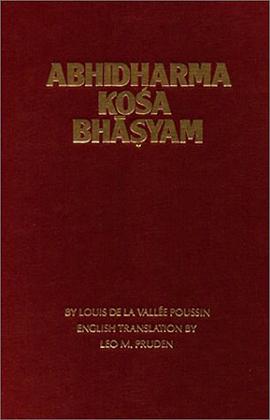
Abhidharmakosabhasyam, 4 Volume Set Douban
author:
L. De LA Vallee Poussin
publishing house:
Asian Humanities Press
1990
- 6
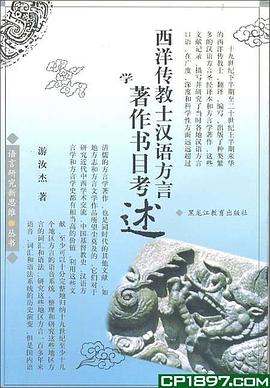
西洋传教士汉语方言著作书目考述 Douban
author:
游汝杰
publishing house:
黑龙江教育出版社
2002
本书收录了西洋传教士的方言记录和研究,分为:《圣经》方言译本书目考录、方言圣经分地区解说、传教士汉语方言学著作考录等7个方面书目的考述。
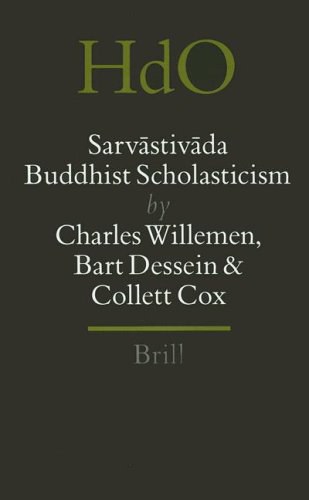
Sarvastivada Buddhist Scholasticism Douban
author:
Charles Willemen
/
Bart Dessein
…
publishing house:
Brill Academic Publishers
1997
- 8
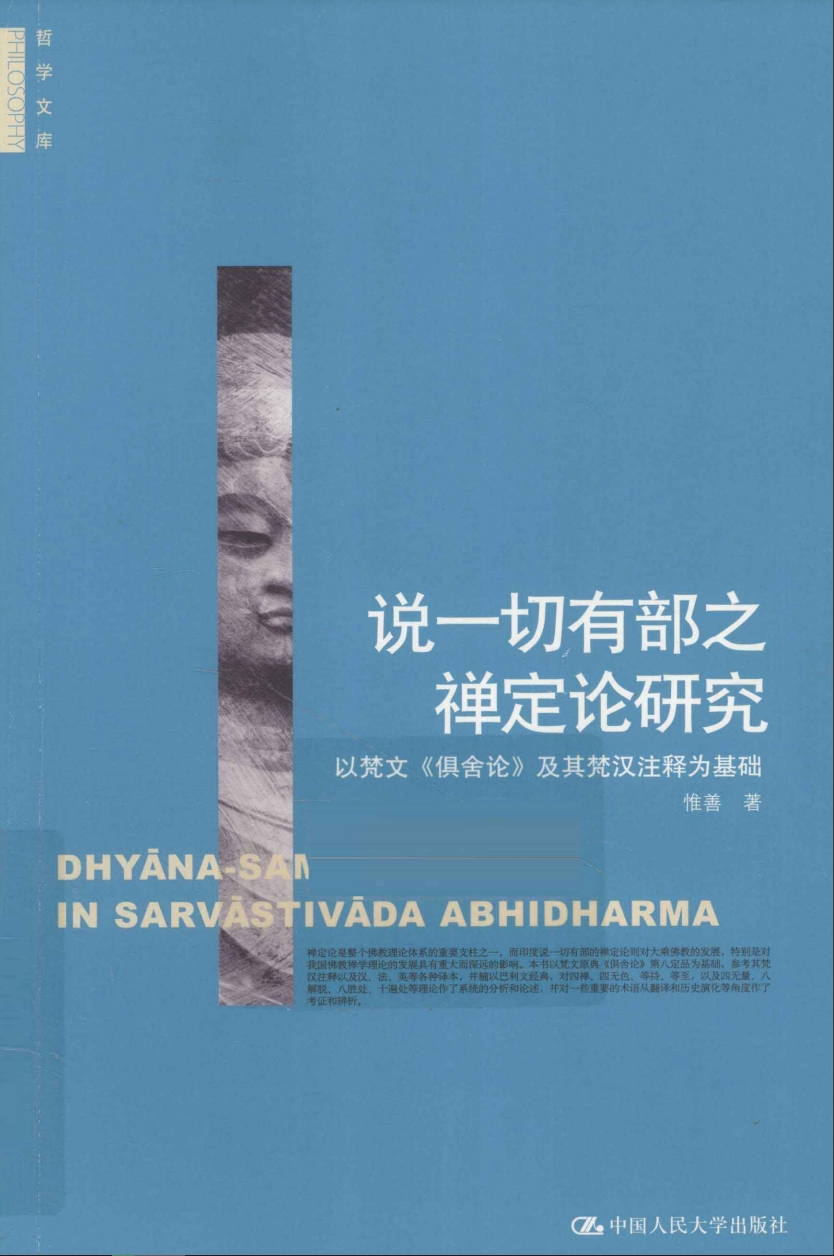
说一切有部之禅定论研究 Douban
author:
惟善
publishing house:
中国人民大学出版社
2011
- 5
《说一切有部之禅定论研究:以梵文 及其梵汉注释为基础》是整个佛教理论体系的重要支柱之一,而印度说一切有部的禅定论则对大乘佛教的发展,特别是对我国佛教禅学理论的发展具有重大而深远的影响。《说一切有部之禅定论研究:以梵文 及其梵汉注释为基础》以梵文原典《俱舍论》第八定品为基础,参考其梵汉注释以及汉、法、英等各种译本,并辅以巴利文经典,对四禅、四无色、等持、等至,以及四无量、八解脱、八胜处、十遍处等理论作了系统的分析和论述,并对一些重要的术语从翻译和历史演化等角度作了考证和辨析。

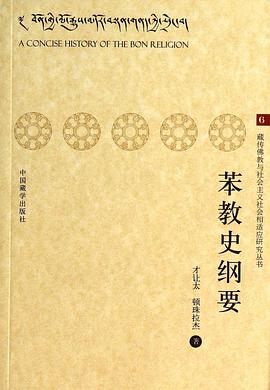
苯教史纲要 Douban
author:
才让太
/
顿珠拉杰
publishing house:
中国藏学出版社
2012
20世纪80年代以后,随着苯教《大藏经》等许多重要文献资料逐渐公布于众,以及发现并公开出版当许噶塘蚌巴奇古塔中的苯教文书、图齐等西方人带走的珍贵文献和甘肃宕昌发现的藏族家藏古藏文苯教文献,至少在学术界,从根本上扭转了人们对苯教文化的忽视。原来一直是传闻而根本看不到的珍贵的苯教手抄本珍本和孤本,现在也可以用来进行学术研究。这些文献资料的发现给学术界提供了珍贵的资料和绝好的研究机会。《苯教史纲要》就是在利用这些资料的基础上,以苯教历史为主线,试图勾勒出青藏高原本土宗教传统的起源及其发展脉络,以及在藏族的历史文化传统中所起到的作用,为人们展示一个长期被忽视了的文化传统的历史及其对后世的影响,以补充现今藏学研究的不足。在这样的基础上,我们会继续钻研,消化资料,加深对苯教史的进一步认识和理解,在不久的将来,写出一部更加完整的苯教发展史。