Kai Oval - 标记
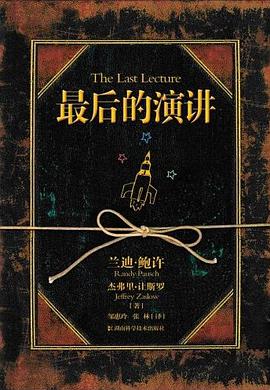
最后的演讲 豆瓣
7.3 (6 个评分) 作者: [美] 兰迪·鲍许 译者: 邹惠玲 / 张林 湖南科学技术出版社 2009 - 1
兰迪·鲍许是一位热情、风趣且教学认真的大学教授,在46岁时被诊断出罹患致死率最高的癌症——胰腺癌。2007年8月,医生说他的癌症已经转移,可能只剩下3-6个月生命。9月,兰迪教授应学校之邀发表了一场演讲,这场演讲让现场所有人笑声不断,也让不少人流下泪来。据美国《纽约时报》报道,至少已有一千万人上网观赏这场演讲的内容。
这场幽默、充满启发性及智慧的演讲广获回响,之后,《华尔街日报》专栏作家杰夫利·里斯洛探访了兰迪教授53次,写成了这本精彩丰富又让人动容的《最后的演讲》。
兰迪教授所传达的讯息之所以如此震撼人心,是因为他以诚恳、幽默的态度去分享他独特的经验。他谈的不是死亡,而是人生中的重要议题,包括克服障碍、实现儿时梦想、帮助别人实现梦想、把握每一个时刻……
和蘇格拉底吃早餐 豆瓣
作者: 羅伯.洛蘭德.史密斯 Smith, Robert Rowland 译者: 陳品秀 臉譜出版社 2010 - 6
◎聯合推薦
創意人、作家/李欣頻
清華大學榮譽教授、靜宜大學、暨南大學及清華大學榮譽教授/李家同
《深夜加油站遇見蘇格拉底》之後又一本改變我們一天和一生的書
哲學家帶我們領略一天的哲學,怎麼過一天就怎麼過一生
關於早餐、午餐、晚餐,以及在這之前和之後的每件事的深刻思考
真實人生的心靈饗宴,日常生活的迷人探索
精采非凡的哲學一日之旅,誰說哲學不實用!
我們都知道蘇格拉底是被毒死的,在接受他的邀請共進早餐之前,可能得三思一下。
而如果你真的坐了下來,和他一起享用卡布其諾和牛角麵包,他可能劈頭就會問你……
早晨醒來、通勤上班、血拚購物、上健身房、進入夢鄉……這些看似再平常不過的日常活動,究竟有何特別之處,與更廣大的哲思又有什麼關聯?
本書提供一小時接一小時的實況報導,告訴你歷史上最偉大的哲學家們,對於我們所做的每件事背後的意義都說過些什麼。在書中,你會看到盧克萊修向你解釋為什麼不要預作準備是比較好的,會聽到愛默生建議你該怎麼安排假期,從榮格那裡得到解夢的洞見,從彌爾那裡明瞭蹺班的念頭。
這是對我們日常生活的迷人探索,作者援用了文學、藝術、政治學和心理學,以風趣、親切又權威的筆調告訴我們,你的日常生活可以藉由思考這些全世界最有趣的想法,變得多麼不同。
◎一天的哲學和哲學的一天
對蘇格拉底來說,「該給送上土司和馬芬鬆糕的服務生多少小費」和「神是否存在」這兩個問題一樣有趣,它們都是關於弄清楚真實人生中的含混之處。
和黑格爾一起吃貝果或和培根一起吃煎蛋也是如此,惱人的問題是為了求取智慧,讓我們在繁雜的日常生活中做出機智靈敏的判斷。
在尋常的一天裡,我們熟悉的大思想家陪伴你度過時光:
你如何知道自己是醒著,而不是在作夢?你怎麼知道你不是正在作夢,夢見你醒著?笛卡兒告訴你,早晨醒來這件事就是一項富含哲理的行為。
十七世紀政治理論家霍布斯說早上通勤會引發我們野蠻的一面,而尼采卻讓你的通勤之旅變成一件樂事。
工作中,馬克思對著你的耳朵叨唸,不要成為薪水的奴隸;慶功宴上,邂逅馬基維利,聆聽他的勸誡。
上健身房時,社會歷史學家傅柯在你旁邊跑步,跟你解釋你的例行運動是國家控制的一種形式。精神分析家拉岡擔任你的專屬店長,在你凝視試衣間的大鏡子時,讓你步入自戀的危機。
佛洛伊德對你的購物療法有什麼意見?柏拉圖又會對你的讀書方式說些什麼?
和伴侶爭吵時,德國政治思想家施密特告訴你那可能是件好事;洗澡時,可以向佛陀學習避免在沐浴中睡著的祕訣。
我們的人生有九成九是由日常生活所構成,如果不在日常生活中思考這些問題,恐怕沒剩多少時間可以反省。倘若我們真的檢視了自己的一日生活,或許能在穿衣睡覺這類不假思索的瑣事背後,領略到它們的重要性,以全新的眼光來看待它們。早餐、午餐和晚餐,以及在這之前和之後的每件事,將再也不一樣了。
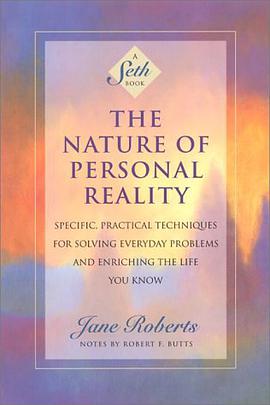
The Nature of Personal Reality 豆瓣
作者: Jane Roberts Amber-Allen Publ., New World Library 1994 - 5
The words of Seth, the personality channeled through Jane Roberts, show readers that they possess hidden powers within themselves that have the potential to transform their lives. By learning to control their own experiences, they can create a new, fulfilling reality.
鑽石途徑II-存在與自由 豆瓣
作者: 阿瑪斯 译者: 胡因夢 心靈工坊 2004 - 11
二十一世紀是屬於超個人心理學的時代,而A.H.阿瑪斯將成為最重要的人物之一。現代心理學的主要任務,不但要治療人類在俗世生活裡的煩惱,還要為人類帶來真正的解脫,及身心靈的健康和整合。在這股強調知識整合的巨大心靈浪潮中,阿瑪斯所創立的「鑽石途徑」工作方法,已令他被讚譽為「現代心理學劃時代運動的先驅」。阿瑪斯出生於中東,正是站在東方與西方文化的交會點上。他的學術專長包括物理、數學及心理學,讓他具備跨界的超凡整合能力;在「鑽石途徑」中,他正是將心理動力學與宗教的智慧整合,將神秘主義與科學研究整合,將靈性修煉與對人性的深度探索整合,更結合豐富深厚的個案經驗、情緒治療及認知治療方法、直覺式的揭露、精微能量的探討,以探索心靈的深度和廣度,顯露人類本體的清澈和光亮,並喚醒心靈的最高潛能。 「鑽石途徑」是一條精準而直接的道路,它不但對人類的心理活動提供深度的解析和知識,更邀約我們努力發展靈性美好的本質。阿瑪斯認為,人類的心靈就像一顆閃亮珍貴的鑽石,具有堅實的密度,並擁有許多不同切面,可折射出燦亮的光彩。但人類如何才能踏上這條探索鑽石本質的道路?阿瑪斯在《鑽石途徑I:現代心理學與靈修的整合》書中,為我們解析心靈成長的方向,在本書《鑽石途徑II:存在與自由》中,更明確指出開悟的七大元素:能量,以足夠勇氣和耐力來轉化人格和人生。決心,以不動搖的意志來面對挫敗失望。喜悅,以赤子之心輕鬆地突破障礙。仁慈,學習善待自己及他人。祥和,一種安靜下來的能力,放下擔憂及焦躁。融入,專注忘我地體驗眼前的一切。覺醒,彷彿在萬里無雲的明亮中,一切澄澈而清晰。本書譯者胡因夢過去二十年來,不斷譯介國外靈修大師作品。胡因夢十分推崇阿瑪斯為新世紀心靈運動的靈魂人物。多年來,阿瑪斯帶領各種大小型工作團體,並將演講內容、與學生的談話、互動討論的精華,整理而成《鑽石途徑》系列著作,希望能協助人類發展最高的潛能-活出充滿關愛、智慧、慈悲、行動力、至樂、祥和的人生。
鑽石途徑I現代心理學與靈修的整合. 豆瓣
作者: A.H.阿瑪斯/ 胡因夢譯 心靈工坊
「阿瑪斯將深刻的靈性智慧及心理學知識注入到鑽石途徑裡,這項工作令他成為現代心理學劃時代運動的先趨。」--《狂喜之後》作者傑克•康菲爾德(Jack Kornfield)過去二十年來,胡因夢身為認真的譯者,不斷將國外靈修大師的作品,介紹給國內讀者。從2004年起,胡因夢將為大家強力推薦一位超個人心理學界的重要人物:A.H.阿瑪斯。
阿瑪斯具有完整的現代心理學背景、豐富深厚的個案經驗,並受過最高層的佛法訓練和東方修煉法門,同時又擷取葛吉夫的教誨、蘇菲神祕主義、金剛乘和禪宗的精髓。他最主要的貢獻,是將心理學與靈修整合,而發展出一條前所未有、直接而精準的道路:「鑽石途徑」。
阿瑪斯認為,我們人類的心靈就像一顆閃亮珍貴的鑽石,具有堅實的密度,並擁有許多切面,可折射出不同的光彩。但傳統的心理學和靈修方法,都只在琢磨這顆鑽石的某些切面,而沒有看到更全觀多面的本體。「鑽石途徑」運用廣泛的方法,整合了情緒治療、認知治療、直覺式的揭露、呼吸技巧、靜坐冥想、及精微能量的探討,以探索心靈的深度和廣度,開顯出人類本體的清澈和光亮,並喚醒心靈的最高潛能。
多年來,阿瑪斯帶領各種大小型的工作團體,並將演講內容、對學生的談話、互動討論的精華,整理而成《鑽石途徑》系列著作。他認為,我們的心靈都有許多坑坑洞洞,這是由過去的壓力、痛楚、創傷、焦慮所形成的陰影,運用「鑽石途徑」可以揭露這些陰影的情緒能量,並將智慧、愛、活力、喜悅、好奇…等美好品質,注滿這些坑洞中,讓身心完滿俱足。
我們活在一個美妙、神祕、不可思議的大千世界裡,但大多數人都只看到爭鬥、痛苦及無意義感,很少能享受這個世界的豐富和驚奇。這是因為我們沒有活出人類真正的潛能。「鑽石途徑」被譽為西方心理學和東方智慧的最佳整合途徑之一,它以心理學分析來幫助我們理解人類心中各式各樣的心理障礙和關卡;它的主要目標是協助人類發展最高的潛能-活出充滿關愛、智慧、慈悲、行動力、至樂、祥和的人生。
作者簡介
A.H.阿瑪斯(A. H. Almass)
是「鑽石途徑」的創始者。他誕生於科威特,學術上的專長是物理、數學及心理學。1975年,阿瑪斯分別在科羅拉多及加州創立Ridhwan學苑,目前已經有九百位成員分佈在世界各地。1986年創立鑽石叢書出版社(Diamond Books)。鑽石途徑及研習機構(The Diamond Heart徐 and Training Institute,DHAT)亦發行阿瑪斯教誨的錄影帶及錄音帶。
譯者簡介
胡因夢
名演員、作家與譯者;現從事身心靈的整合研究與治療。著作有:《死亡與童女之舞》、《古老的未來》、《茵夢湖》等。譯作有:《與無常共處》、《當生命陷落時》、《轉逆境為喜悅》、《存在禪──活出禪的身心體悟》、《恩寵與勇氣》等書。
鑽石途徑III-探索真相的火焰 豆瓣
Diamond Heart, Book Three: Being and the Meaning of Life
作者: 阿瑪斯 译者: 胡因夢 心靈工坊 2005 - 3
在《鑽石途徑I:現代心理學與靈修的整合》中,阿瑪斯指出,在靈修的第一階段,我們看見心理坑洞的本質,不論擁有多少世俗的事物,都無法填滿心中的匱乏和渴求。但真正的珍寶早已存在於每個人的本體之中,鑽石途徑即是認識本體的內在工作之路。
在《鑽石途徑II:存在與自由》的階段,我們對自我及心智活動展開客觀的觀察和理解,逐漸看清內在的真相,像剝洋蔥般地一層一層透視內心深處的各種執著。
本書《鑽石途徑III:探索真相的火焰》,著重於第三個階段的自我了悟。此時,根深柢固的認知逐一被看破,我們將經驗到自我觀念上的許多突破和轉變。我是誰?我為什麼在這裡?又將往哪裡去?我們再也無法以一個簡單答案來安撫自己,也無法人云亦云地活著;阿瑪斯強調,這些人生根本的問題應該問而不答,就讓它們像火焰一般,持續在心中燃燒,不要急著用答案來熄滅它,不要急著相信老師和別人所說的一切;讓它燒掉你所有既定的信念,讓這團火焰在你心中深化,讓存在變成一個永恆的問號,一股熱切的渴望。伴隨這熊熊的火焰,心靈才真正踏上它獨自探索的旅途。
這團火焰將帶引心靈走向何方?燃燒掉虛假的信念、自我的包裝、堅硬的矯飾、追求的外在目標之後,我們還剩下什麼?我們到底是誰?我們要如何認識生命和自己?在《鑽石途徑III》中,阿瑪斯透過層層的剖析,以及跟學生的對話和互動,讓我們不斷深入探索的核心,引領我們找到屬於自己的解答和體悟。
鑚石途徑Ⅳ 豆瓣
Diamond Heart, Book Four: Indestructible Innocence
作者: Almaas, A. H. 译者: 胡因夢 心靈工坊文化事業股份有限公司 2009 - 3
二十一世紀是屬於超個人心理學的時代,A. H. 阿瑪斯即為其中最重要的人物之一。現代心理學的主要任務,不但要治療人類在俗世生活裡的煩惱,還要為人類帶來真正的解脫,以及身心靈的健康和整合。在這股強調知識整合的巨大心靈浪潮中,阿瑪斯所創立的「鑽石途徑」工作方法,已令他被譽為「現代心理學劃時代運動的先驅」。多年來,阿瑪斯帶領各種大小型的內在工作團體,並將演講內容、與學生互動討論的精華,整理而成《鑽石途徑》系列著作。
在《鑽石途徑I:現代心理學與靈修的整合》中,阿瑪斯解析了何謂本體、本體不同的品質和面向、如何藉由發現本體來解決內在議題;《鑽石途徑II:存在與自由》則探討開悟的七大元素,以及這些元素如何結合成所謂「鑽石意識」,使心靈散發光彩;《鑽石途徑III:探索真相的火焰》,阿瑪斯將焦點集中在自我及身分認同,從個人性及宇宙性來探討自我了悟,使人經驗到最根本的自我改變。到了本系列最深入的《鑽石途徑IV︰無可摧毀的純真》中,阿瑪斯提出個人本體性當在剝除防衛、脫離表相、消除疆界後,進入合一之境,回歸處子的純真狀態,讓知覺常保煥然一新,在光輝熠熠的實相中,看見鮮活美好的世界。
五月女王 豆瓣
8.4 (26 个评分) 作者: 颜歌 重庆出版社 2008 - 7
这是一部八十年代人的小镇记忆。四条线索穿梭了故事的全部。一切源于一场秘密的谋杀,和一次从产房开始的私奔,一个沉默高大的女孩袁青山,她用一生进行的那场隐忍的暗恋。她的妹妹袁清江,和她一起长大的英俊少年张沛,恶名远扬的混混岑仲伯,以及其他你在平乐镇的大街上看见的每一个人,所有的人都有自己的故事。
而故事包含了正反两面。在正面你能看见的是尘土飞扬的平原小镇平乐,东西南北四条街上的芸芸众生,他们用方言大声骂街,骂渐渐长大的孩子们,他们学会拉帮结派,偷东西,斗殴,恋爱,想要离开却最终离不开那些琐碎的恶。
而在故事的背面,有另一个不易被发现的故事,关于古代的神灵,神灵的遗物,突变的身体,各种异端邪说,变成杜鹃鸟的姑娘和成为鲇鱼的垂钓者。
这些组成了一个人的命运,她就是袁青山,她死之前没有人提到她,她死之后好像每个人都在怀念她——讲故事的人用漫长的时间来抒发了那些对于袁青山的感情,平乐镇所有的不为人知的秘密——谁也没有想到,讲故事的人也有她自己的秘密,不到最后,没有人知道这个秘密。
2012年1月6日 想读
A
回眸 豆瓣
作者: 蔡智恒 麥田 2008 - 11
本書是蔡智恒的中篇小說集,收入最新三個中篇小說,三個不同的愛情故事,訴說相同的動人回憶。
故事寫一位台灣的大學年輕教授,有一天收到一封署名「七喜」的信,他被信上「如果想找到自己,就來西藏」的主旨吸引了。
年輕教授來到了西藏,遇到各種另類的人士:饒雪漫,滄月,石康等,也拜訪不少西藏著名的古蹟,其中,最令人動容的,應屬在一家名為瑪吉阿米的藏式小酒館裡,傳說的第六世達賴喇嘛倉央嘉措的故事:本篇故事,除了一貫的痞子蔡式文字風格外,將西藏歷史文物的典故自然融入小說中,更是痞子蔡不同於以往的單純書寫愛情的小說風格,可以視為痞子蔡在跨入40歲的成熟年紀後,小說風格的轉變吧!
2012年1月6日 想读
声音乐团 豆瓣 Goodreads
7.2 (10 个评分) 作者: 颜歌 天津人民出版社 2011 - 9
《声音乐团》内容简介:声音乐团,讲述了四个名为《声音乐团》的故事。
这些故事发生在永安城,都是关于一个叫做刘蓉蓉的小说家和她生命中的乐师们的故事。
一切从刘蓉蓉的死开始,以刘蓉蓉的死结束。
刘蓉蓉生命中的第一个乐师是她的父亲,一个落魄的小提琴手,而她生命的最后一天,也和乐师们在一起——她在永安市第三交响乐团的演出现场出了事故,在医院里昏迷了十天,终于身亡。
她和乐师们发生的故事都被她写进了连载未完的小说《声音乐团》中,而当“我”——刘蓉蓉的责任编辑和表姐,开始在现实世界里寻找小说和现实的线索时,才发现,故事是不可靠的,永远都有人在撒谎。
要等到一切结束,故事的读者才会找到完整版的《声音乐团》,在那个故事里,依然是在永安城,但城北有一头巨兽已陷入沉默,身怀隐疾的乐师只能锦衣夜行般,在再也不能分辨声音的城市中生活。直到一个叫 “指挥家”的神秘男人,向他们发出了邀请:来海豚酒吧,演奏马勒第二交响曲“复活”。
所有事情的过去和真相,都将在此显露……
2012年1月6日 想读
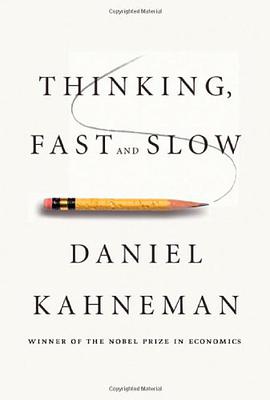
Thinking, Fast and Slow 豆瓣 Goodreads
Thinking, Fast and Slow
8.3 (35 个评分) 作者: Daniel Kahneman Farrar, Straus and Giroux 2011 - 10
Major New York Times bestseller
Winner of the National Academy of Sciences Best Book Award in 2012
Selected by the New York Times Book Review as one of the best books of 2011
A Globe and Mail Best Books of the Year 2011 Title
One of The Economist’s 2011 Books of the Year
One of The Wall Street Journal's Best Nonfiction Books of the Year 2011
In the international bestseller, Thinking, Fast and Slow, Daniel Kahneman, the renowned psychologist and winner of the Nobel Prize in Economics, takes us on a groundbreaking tour of the mind and explains the two systems that drive the way we think. System 1 is fast, intuitive, and emotional; System 2 is slower, more deliberative, and more logical. The impact of overconfidence on corporate strategies, the difficulties of predicting what will make us happy in the future, the profound effect of cognitive biases on everything from playing the stock market to planning our next vacation—each of these can be understood only by knowing how the two systems shape our judgments and decisions.
Engaging the reader in a lively conversation about how we think, Kahneman reveals where we can and cannot trust our intuitions and how we can tap into the benefits of slow thinking. He offers practical and enlightening insights into how choices are made in both our business and our personal lives—and how we can use different techniques to guard against the mental glitches that often get us into trouble. Winner of the National Academy of Sciences Best Book Award and the Los Angeles Times Book Prize and selected by The New York Times Book Review as one of the ten best books of 2011, Thinking, Fast and Slow is destined to be a classic.
One of the New York Times Book Review's Top 10 Books of 2011
Editorial Reviews
Amazon.com Review
Amazon Best Books of the Month, November 2011: Drawing on decades of research in psychology that resulted in a Nobel Prize in Economic Sciences, Daniel Kahneman takes readers on an exploration of what influences thought example by example, sometimes with unlikely word pairs like "vomit and banana." System 1 and System 2, the fast and slow types of thinking, become characters that illustrate the psychology behind things we think we understand but really don't, such as intuition. Kahneman's transparent and careful treatment of his subject has the potential to change how we think, not just about thinking, but about how we live our lives. Thinking, Fast and Slow gives deep--and sometimes frightening--insight about what goes on inside our heads: the psychological basis for reactions, judgments, recognition, choices, conclusions, and much more. --JoVon Sotak
Review
“A tour de force. . . Kahneman’s book is a must read for anyone interested in either human behavior or investing. He clearly shows that while we like to think of ourselves as rational in our decision making, the truth is we are subject to many biases. At least being aware of them will give you a better chance of avoiding them, or at least making fewer of them.”—Larry Swedroe, CBS News
“Daniel Kahneman demonstrates forcefully in his new book, Thinking, Fast and Slow, how easy it is for humans to swerve away from rationality.”—Christopher Shea, The Washington Post
“An outstanding book, distinguished by beauty and clarity of detail, precision of presentation and gentleness of manner. Its truths are open to all those whose System 2 is not completely defunct. I have hardly touched on its richness.”— Galen Strawson, The Guardian
“Brilliant . . . It is impossible to exaggerate the importance of Daniel Kahneman’s contribution to the understanding of the way we think and choose. He stands among the giants, a weaver of the threads of Charles Darwin, Adam Smith and Sigmund Freud. Arguably the most important psychologist in history, Kahneman has reshaped cognitive psychology, the analysis of rationality and reason, the understanding of risk and the study of happiness and well-being . . . A magisterial work, stunning in its ambition, infused with knowledge, laced with wisdom, informed by modesty and deeply humane. If you can read only one book this year, read this one.”— Janice Gross Stein, The Globe and Mail
“A sweeping, compelling tale of just how easily our brains are bamboozled, bringing in both his own research and that of numerous psychologists, economists, and other experts...Kahneman has a remarkable ability to take decades worth of research and distill from it what would be important and interesting for a lay audience...Thinking, Fast and Slow is an immensely important book. Many science books are uneven, with a useful or interesting chapter too often followed by a dull one. Not so here. With rare exceptions, the entire span of this weighty book is fascinating and applicable to day-to-day life. Everyone should read Thinking, Fast and Slow.” —Jesse Singal, Boston Globe
“We must be grateful to Kahneman for giving us in this book a joyful understanding of the practical side of our personalities.” —Freeman Dyson, The New York Review of Books
“Brilliant . . . It is impossible to exaggerate the importance of Daniel Kahneman’s contribution to the understanding of the way we think and choose. He stands among the giants, a weaver of the threads of Charles Darwin, Adam Smith and Sigmund Freud. Arguably the most important psychologist in history, Kahneman has reshaped cognitive psychology, the analysis of rationality and reason, the understanding of risk and the study of happiness and well-being . . . A magisterial work, stunning in its ambition, infused with knowledge, laced with wisdom, informed by modesty and deeply humane. If you can read only one book this year, read this one.” — Janice Gross Stein, The Globe and Mail
“It is an astonishingly rich book: lucid, profound, full of intellectual surprises and self-help value. It is consistently entertaining and frequently touching, especially when Kahneman is recounting his collaboration with Tversky . . . So impressive is its vision of flawed human reason that the New York Times columnist David Brooks recently declared that Kahneman and Tversky’s work ‘will be remembered hundreds of years from now,’ and that it is ‘a crucial pivot point in the way we see ourselves.’ They are, Brooks said, ‘like the Lewis and Clark of the mind’ . . . By the time I got to the end of Thinking, Fast and Slow, my skeptical frown had long since given way to a grin of intellectual satisfaction. Appraising the book by the peak-end rule, I overconfidently urge everyone to buy and read it. But for those who are merely interested in Kahenman’s takeaway on the Malcolm Gladwell question it is this: If you've had 10,000 hours of training in a predictable, rapid-feedback environment—chess, firefighting, anesthesiology—then blink. In all other cases, think.”—The New York Times Book Review
“Ask around and you hear pretty much the same thing. 'Kahneman is the most influential psychologist since Sigmund Freud,' says Christopher Chabris, a professor of psychology at Union College, in New York. 'No one else has had such a broad impact on so many fields' . . . It now seems inevitable that Kahneman, who made his reputation by ignoring or defying conventional wisdom, is about to be anointed the intellectual guru of our economically irrational times.”— Evan R. Goldstein, The Chronicle of Higher Education
“There have been many good books on human rationality and irrationality, but only one masterpiece. That masterpiece is Daniel Kahneman’s Thinking, Fast and Slow . . . This is one of the greatest and most engaging collections of insights into the human mind I have read.”—William Easterly, Financial Times
“[Thinking, Fast and Slow] is wonderful, of course. To anyone with the slightest interest in the workings of his own mind, it is so rich and fascinating that any summary would seem absurd.”— Michael Lewis, Vanity Fair
“Absorbingly articulate and infinitely intelligent . . . What's most enjoyable and compelling about Thinking, Fast and Slow is that it's so utterly, refreshingly anti-Gladwellian. There is nothing pop about Kahneman's psychology, no formulaic story arc, no beating you over the head with an artificial, buzzword-encrusted Big Idea. It's just the wisdom that comes from five decades of honest, rigorous scientific work, delivered humbly yet brilliantly, in a way that will forever change the way you think about thinking.”—Maria Popova, The Atlantic
“I will never think about thinking quite the same. [Thinking, Fast and Slow] is a monumental achievement.”—Roger Lowenstein, Bloomberg/Businessweek
“Profound . . . As Copernicus removed the Earth from the centre of the universe and Darwin knocked humans off their biological perch, Mr. Kahneman has shown that we are not the paragons of reason we assume ourselves to be.” —The Economist
“[Kahneman’s] disarmingly simple experiments have profoundly changed the way that we think about thinking . . . We like to see ourselves as a Promethean species, uniquely endowed with the gift of reason. But Mr. Kahneman’s simple experiments reveal a very different mind, stuffed full of habits that, in most situations, lead us astray.” —Jonah Lehrer, The Wall Street Journal
“[A] tour de force of psychological insight, research explication and compelling narrative that brings together in one volume the high points of Mr. Kahneman's notable contributions, over five decades, to the study of human judgment, decision-making and choice . . . Thanks to the elegance and force of his ideas, and the robustness of the evidence he offers for them, he has helped us to a new understanding of our divided minds—and our whole selves.” —Christoper F. Chabris, The Wall Street Journal
“The ramifications of Kahenman’s work are wide, extending into education, business, marketing, politics . . . and even happiness research. Call his field “psychonomics,” the hidden reasoning behind our choices. Thinking, Fast and Slow is essential reading for anyone with a mind.” —Kyle Smith, The New York Post
“A major intellectual event . . . The work of Kahneman and Tversky was a crucial pivot point in the way we see ourselves.” —David Brooks, The New York Times
“Kahneman provides a detailed, yet accessible, description of the psychological mechanisms involved in making decisions.” —Jacek Debiec, Nature
“With Kahneman’s expert help, readers may understand this mix of psychology and economics better than most accountants, therapists, or elected representatives. VERDICT A stellar accomplishment, a book for everyone who likes to think and wants to do it better.” —Library Journal
“The mind is a hilariously muddled compromise between incompatible modes of thought in this fascinating treatise by a giant in the field of decision research. Nobel-winning psychologist Kahneman (Attention and Effort) posits a brain governed by two clashing decision-making processes. The largely unconscious System 1, he contends, makes intuitive snap judgments based on emotion, memory, and hard-wired rules of thumb; the painfully conscious System 2 laboriously checks the facts and does the math, but is so "lazy" and distractible that it usually defers to System 1. Kahneman uses this scheme to frame a scintillating discussion of his findings in cognitive psychology and behavioral economics, and of the ingenious experiments that tease out the irrational, self-contradictory logics that underlie our choices. We learn why we mistake statistical noise for cohere...
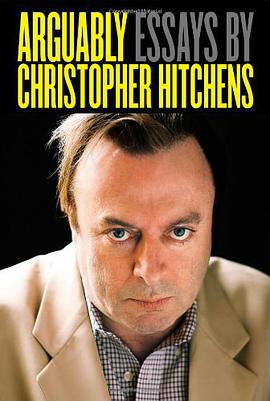
Arguably 豆瓣
作者: Christopher Hitchens Twelve 2011 - 9
"All first-rate criticism first defines what we are confronting," the late, great jazz critic Whitney Balliett once wrote. By that measure, the essays of Christopher Hitchens are in the first tier. For nearly four decades, Hitchens has been telling us, in pitch-perfect prose, what we confront when we grapple with first principles-the principles of reason and tolerance and scepticism that define and inform the foundations of our civilization-principles that, to endure, must be defended anew by every generation.
"A short list of the greatest living conversationalists in English," said The Economist , "would probably have to include Christopher Hitchens, Sir Patrick Leigh-Fermor, and Sir Tom Stoppard. Great brilliance, fantastic powers of recall, and quick wit are clearly valuable in sustaining conversation at these cosmic levels. Charm may be helpful, too." Hitchens – who staunchly declines all offers of knighthood-hereby invites you to take a seat at a democratic conversation, to be engaged, and to be reasoned with. His knowledge is formidable, an encyclopedic treasure, and yet one has the feeling, reading him, of hearing a person thinking out loud, following the inexorable logic of his thought, wherever it might lead, unafraid to expose fraudulence, denounce injustice, and excoriate hypocrisy. Legions of readers, admirers and detractors alike, have learned to read Hitchens with something approaching awe at his felicity of language, the oxygen in every sentence, the enviable wit and his readiness, even eagerness, to fight a foe or mount the ramparts.
Here, he supplies fresh perceptions of such figures as varied as Charles Dickens, Karl Marx, Rebecca West, George Orwell, J.G. Ballard, and Philip Larkin are matched in brilliance by his pungent discussions and intrepid observations, gathered from a lifetime of travelling and reporting from such destinations as Iran, China, and Pakistan.
Hitchens's directness, elegance, lightly carried erudition, critical and psychological insight, humour, and sympathy-applied as they are here to a dazzling variety of subjects-all set a standard for the essayist that has rarely been matched in our time. What emerges from this indispensable volume is an intellectual self-portrait of a writer with an exemplary steadiness of purpose and a love affair with the delights and seductions of the English language, a man anchored in a profound and humane vision of the human longing for reason and justice.
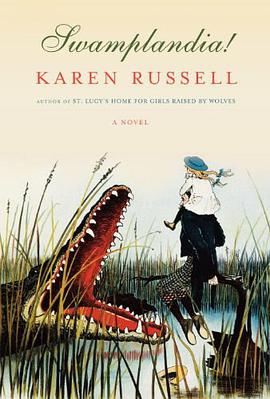
Swamplandia! 豆瓣
作者: Karen Russell Knopf 2011 - 2
A triumphant debut novel and follow-up to Karen Russell’s universally acclaimed short story collection St. Lucy’s Home for Girls Raised by Wolves.

The Bigtree alligator wrestling dynasty is in decline— think Buddenbrooks set in the Florida Everglades—and Swamplandia!, their island home and gator-wrestling theme park, is swiftly being encroached upon by a sophisticated competitor known as the World of Darkness. Ava, a resourceful but terrified twelve, must manage seventy gators and the vast, inscrutable landscape of her own grief. Her mother, Swamp landia!’s legendary headliner, has just died; her sister is having an affair with a ghost called the Dredgeman; her brother has secretly defected to the World of Darkness in a last-ditch effort to keep their sinking family afloat; and her father, Chief Bigtree, is AWOL. To save her family, Ava must journey on her own to a perilous part of the swamp called the Underworld, a harrowing odyssey from which she emerges a true heroine.
Selected as one of Granta’s Best Young American Novelists, Karen Russell is an irrepressible new voice in contemporary fiction.
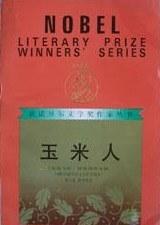
玉米人 豆瓣
Hombres de maíz
作者: [危地马拉]阿斯图里亚斯 译者: 刘习良 / 笋季英 漓江出版社 1992 - 5
本书是反映本土天主教文化和马雅文化混合氛围下的农民生活,以《玉米人》(1949)为代表作。
《玉米人》是1967年诺贝尔文学奖得主、拉丁美洲魔幻现实主义文学流派的主要开创人米盖尔·安赫尔·阿斯图里亚斯的代表作品。这部长篇小说主要描写危地马拉土著印第安人的生活和斗争,并以此为主线,真实地反映了危地马拉社会的广阔的生活领域。印第安人与土生白人因为种植玉米而产生的矛盾与斗争,印第安人种植玉米是为了糊口和生存,在他们的宗教信仰中,玉米是由人变化而成,同时人靠食用玉米而生存。而土生白人却并不这么想,他们种植玉米是为了牟取暴利。为此,以加斯帕尔•伊龙酋长为首的印第安人同白人势力之间发生了你死我活的斗争。
全书还讲述了很多带有传奇色彩的小故事。如马丘洪的传说和野狼邮差的传说。马乔洪在去寻找未婚妻的路上被一团萤火虫包围而消失。传说他变成了幽灵,全身闪闪发光,常常出现在被点燃的玉米田里。野狼邮差的妻子离奇失踪。失魂落魄的邮差在寻找妻子的路上迷失在了群山之中。村里派去找他的人说,他已经变成了一只丛林野狼。
2012年1月1日 想读
A
阿莱夫 豆瓣
9.3 (28 个评分) 作者: (阿根廷)博尔赫斯 译者: 王永年 浙江文艺出版社 2008 - 2
短篇小说集《阿莱夫》发表于1949年,收入17篇小说,并附后记。这个集子里除了《埃玛•宗兹》和《武士和女俘的故事》以外,都属于幻想小说类型。前者的梗概是塞西莉亚•因赫涅罗斯提供给我的,我写作时字斟句酌,唯恐损害如此精彩的情节;后者试图演绎两件可靠的事实。第一篇花了很大功夫;主题涉及永生给人类带来的后果。那篇阐述永生者的伦理观的故事后面是《釜底游鱼》:小说里的阿塞韦多•班德拉是里韦拉或者塞罗• 拉尔戈之类的犷悍的汉子,是切斯特顿笔下的无与伦比的森迪的混血儿翻版。(《罗马帝国衰亡史》第二十九章叙说了一个遭遇和奥塔洛拉相似的人物,但情节更悲惨、更匪夷所思。)《神学家》写的是一个有关个人特征的凄楚的梦;《塔德奥•伊西多罗•克鲁斯小传》是对马丁•菲耶罗的注释。《阿斯特里昂的家》的创作和主角性格的塑造是我从瓦茨1896年的一幅油画得到的启发。《另一次死亡》是有关时间的幻想,彼尔•达米亚尼几句话给了我灵感。第二次世界大战期间,我比谁都更希望德国打败;比谁都更深切地感到德国命运的悲剧性;《德意志安魂曲》试图对那种命运加以探索,我们的“亲德分子”对德国一无所知,不懂得为德国的命运悲叹,甚至没有料到德国会落到这种地步。《神的文字》得到慷慨的好评;那头美洲豹使我不得不通过一个“卡霍隆金字塔的巫师”之口道出神秘主义或者神学者的观点。我认为在《扎伊尔》和《阿莱夫》里可以看到威尔斯1899年写的短篇小说《水晶蛋》的某些影响。
2012年1月1日 想读
虚构集 豆瓣 Goodreads
Ficciones
9.3 (55 个评分) 作者: [阿根廷] 豪·路·博尔赫斯 译者: 王永年 浙江文艺出版社 2008 - 2
《虚构集》是小说集,给博尔赫斯带来巨大声誉。发表于1944年,含《小径分岔的花园》和《杜撰集》。博尔赫斯令人耳目一新的文风得到了最大限度的体现。
2012年1月1日 想读
A
百年孤独 Goodreads 豆瓣
Cien años de soledad
9.5 (1086 个评分) 作者: [哥伦比亚] 加西亚·马尔克斯 译者: 范晔 南海出版公司 2011 - 6
《百年孤独》是魔幻现实主义文学的代表作,描写了布恩迪亚家族七代人的传奇故事,以及加勒比海沿岸小镇马孔多的百年兴衰,反映了拉丁美洲一个世纪以来风云变幻的历史。作品融入神话传说、民间故事、宗教典故等神秘因素,巧妙地糅合了现实与虚幻,展现出一个瑰丽的想象世界,成为20世纪最重要的经典文学巨著之一。1982年加西亚•马尔克斯获得诺贝尔文学奖,奠定世界级文学大师的地位,很大程度上乃是凭借《百年孤独》的巨大影响。
2012年1月1日 想读
A
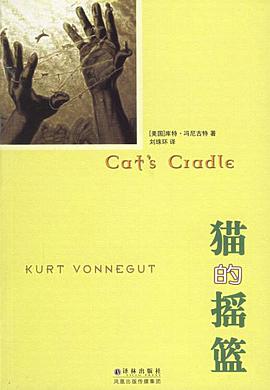
猫的摇篮 豆瓣
8.5 (31 个评分) 作者: [美] 库尔特·冯内古特(Kurt Vonnegut) 译者: 刘珠还 译林出版社 2006
一位对现实生活和人类命运漠不关心的物理学家,在参与制造了原子弹之后,又研制出一种叫做冰-9的水同位素,能够在常温下让水分瞬间凝固。在他死后,他的三个子女分了冰-9,他们同样孤僻而冷漠,其中一人把它献给一位加勒比海岛国的统治者,换得高位。该国的统治者和宗教领袖表面上势不两立,实际上却互相利用,根本目的是要使社会处于巨大的恐怖之中。一次决心意外的飞行表演失事导致宫殿被毁坠海,散落的冰-9造成了世界的毁灭……
《猫的摇篮》是冯尼古特最受赞誉的小说,有着众多古怪而又令人难忘的角色,在幽默荒诞的故事背后,是对现代人及其疯狂的辛辣批判。冯尼古特让我们看到,当人类的愚蠢与冷漠同他们的技术能力结合起来时,会造成何等可怕的危险。
2012年1月1日 想读