watson - 标记
Selfish, Shallow, and Self-Absorbed 豆瓣
作者:
Meghan Daum
Picador
2015
- 3
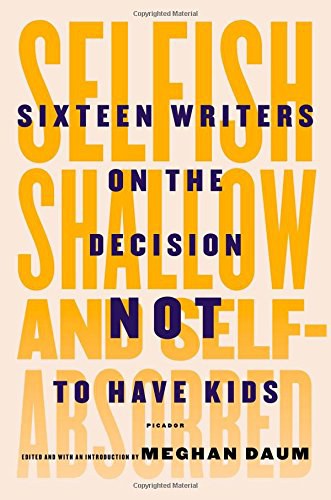
One of the main topics of cultural conversation during the last decade was the supposed "fertility crisis," and whether modern women could figure out a way to way to have it all - a successful, demanding career and the required 2.3 children - before their biological clock stopped ticking. Now, however, conversation has turned to whether it's necessary to have it all (see Anne-Marie Slaughter) or, perhaps more controversial, whether children are really a requirement for a fulfilling life. The idea that some women and men prefer not to have children is often met with sharp criticism and incredulity by the public and mainstream media. In this provocative and controversial collection of essays, curated by writer Meghan Daum, thirteen acclaimed female writers explain why they have chosen to eschew motherhood. Contributors include Lionel Shriver, Sigrid Nunez, Kate Christiensen, Elliott Holt, Geoff Dyer, and Tim Kreider, among others, who will give a unique perspective on the overwhelming cultural pressure of parenthood.
How to Grow a Human 豆瓣
作者:
Philip Ball
University of Chicago Press
2019
- 10
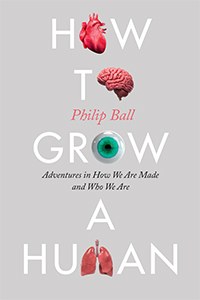
Two summers ago, scientists removed a tiny piece of flesh from Philip Ball’s arm and turned it into a rudimentary “mini-brain.” The skin cells, removed from his body, did not die but were instead transformed into nerve cells that independently arranged themselves into a dense network and communicated with each other, exchanging the raw signals of thought. This was life—but whose?
In his most mind-bending book yet, Ball makes that disconcerting question the focus of a tour through what scientists can now do in cell biology and tissue culture. He shows how these technologies could lead to tailor-made replacement organs for when ours fail, to new medical advances for repairing damage and assisting conception, and to new ways of “growing a human.” For example, it might prove possible to turn skin cells not into neurons but into eggs and sperm, or even to turn oneself into the constituent cells of embryos. Such methods would also create new options for gene editing, with all the attendant moral dilemmas. Ball argues that such advances can therefore never be about “just the science,” because they come already surrounded by a host of social narratives, preconceptions, and prejudices. But beyond even that, these developments raise questions about identity and self, birth and death, and force us to ask how mutable the human body really is—and what forms it might take in years to come.
In his most mind-bending book yet, Ball makes that disconcerting question the focus of a tour through what scientists can now do in cell biology and tissue culture. He shows how these technologies could lead to tailor-made replacement organs for when ours fail, to new medical advances for repairing damage and assisting conception, and to new ways of “growing a human.” For example, it might prove possible to turn skin cells not into neurons but into eggs and sperm, or even to turn oneself into the constituent cells of embryos. Such methods would also create new options for gene editing, with all the attendant moral dilemmas. Ball argues that such advances can therefore never be about “just the science,” because they come already surrounded by a host of social narratives, preconceptions, and prejudices. But beyond even that, these developments raise questions about identity and self, birth and death, and force us to ask how mutable the human body really is—and what forms it might take in years to come.
Book Parts 豆瓣
作者:
Dennis Duncan
/
Adam Smyth
OUP Oxford
2019
- 6
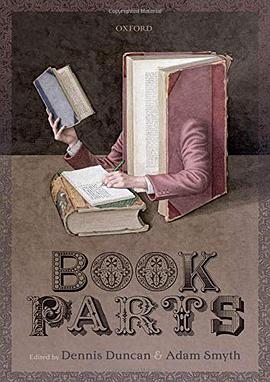
What would an anatomy of the book look like? There is the main text, of course, the file that the author proudly submits to their publisher. But around this, hemming it in on the page or enclosing it at the front and back of the book, there are dozens of other texts―page numbers and running heads, copyright statements and errata lists―each possessed of particular conventions, each with their own lively histories. To consider these paratexts―recalling them from the margins, letting them take centre stage―is to be reminded that no book is the sole work of the author whose name appears on the cover; rather, every book is the sum of a series of collaborations. It is to be reminded, also, that not everything is intended for us, the readers. There are sections that are solely directed at others―binders, librarians, lawyers―parts of the book that, if they are working well, are working discreetly, like a theatrical prompt, whispering out of the audience's ear-shot
Book Parts is a bold and imaginative intervention in the fast growing field of book history: it pulls the book apart. Over twenty-two chapters, Book Parts tells the story of the components of the book: from title pages to endleaves; from dust jackets to indexes―and just about everything in between. Book Parts covers a broad historical range that runs from the pre-print era to the digital, bringing together the expertise of some of the most exciting scholars working on book history today in order to shine a new light on these elements hiding in plain sight in the books we all read.
Book Parts is a bold and imaginative intervention in the fast growing field of book history: it pulls the book apart. Over twenty-two chapters, Book Parts tells the story of the components of the book: from title pages to endleaves; from dust jackets to indexes―and just about everything in between. Book Parts covers a broad historical range that runs from the pre-print era to the digital, bringing together the expertise of some of the most exciting scholars working on book history today in order to shine a new light on these elements hiding in plain sight in the books we all read.
上海地方菁英與議會 1927-1949 豆瓣
作者:
李鎧光
國立臺灣大學出版中心
2021
- 7
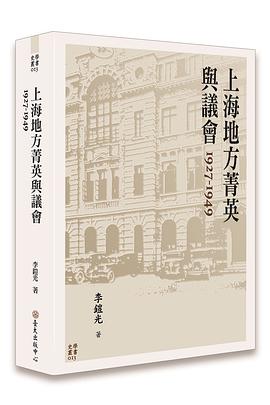
議會主要的功能,是由選出的特定代表負責制定或修改法律,並且監督政府施政。近代上海,人口急速成長、工商業不斷進步,是中國發展最快的城市。從1927年到1949年,上海究竟建立過哪些議會組織?上海的地方菁英如何參與政治?而地方政府,又如何回應議會成員的要求?
從中日戰爭爆發前,歷經戰時,一直延伸至戰爭後的這段時間,上海先後出現六個地方菁英集會組織:參事會、建設討論委員會,戰前臨時參議會、市政諮詢委員會、戰後臨時參議會、參議會。本書依據組織成員是官方遴選還是選民普選,以及該組識是否擁有立法、預決算、質詢權為衡量標準,說明各組織成立的時空環境,分析參與者的身分背景,探討各組織的職權增減。從人員到職權,是如何繼承與轉變;再藉由個別議案的深入探析,具體討論地方菁英關注哪些市政議題。本書在政治制度的框架中,加入社會生活的具體內容,當有助於深化政治學、歷史學、社會學對相關議題的研究。
從中日戰爭爆發前,歷經戰時,一直延伸至戰爭後的這段時間,上海先後出現六個地方菁英集會組織:參事會、建設討論委員會,戰前臨時參議會、市政諮詢委員會、戰後臨時參議會、參議會。本書依據組織成員是官方遴選還是選民普選,以及該組識是否擁有立法、預決算、質詢權為衡量標準,說明各組織成立的時空環境,分析參與者的身分背景,探討各組織的職權增減。從人員到職權,是如何繼承與轉變;再藉由個別議案的深入探析,具體討論地方菁英關注哪些市政議題。本書在政治制度的框架中,加入社會生活的具體內容,當有助於深化政治學、歷史學、社會學對相關議題的研究。

飛機的構造與飛行原理 豆瓣
作者:
中村寬治
译者:
簡佩珊
晨星
Cultish: The Language of Fanaticism Goodreads 豆瓣
Cultish
7.2 (6 个评分)
作者:
Amanda Montell
Harper Wave
2021
- 6
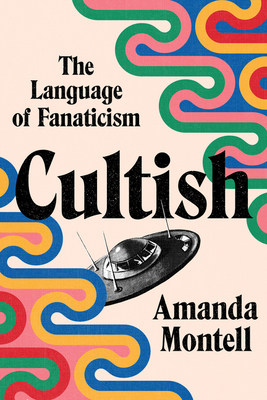
The author of the widely praised Wordslut analyzes the social science of cult influence: how cultish groups from Jonestown and Scientology to SoulCycle and social media gurus use language as the ultimate form of power.
What makes “cults” so intriguing and frightening? What makes them powerful? The reason why so many of us binge Manson documentaries by the dozen and fall down rabbit holes researching suburban moms gone QAnon is because we’re looking for a satisfying explanation for what causes people to join—and more importantly, stay in—extreme groups. We secretly want to know: could it happen to me? Amanda Montell’s argument is that, on some level, it already has . . .
Our culture tends to provide pretty flimsy answers to questions of cult influence, mostly having to do with vague talk of “brainwashing.” But the true answer has nothing to do with freaky mind-control wizardry or Kool-Aid. In Cultish, Montell argues that the key to manufacturing intense ideology, community, and us/them attitudes all comes down to language. In both positive ways and shadowy ones, cultish language is something we hear—and are influenced by—every single day.
Through juicy storytelling and cutting original research, Montell exposes the verbal elements that make a wide spectrum of communities “cultish,” revealing how they affect followers of groups as notorious as Heaven’s Gate, but also how they pervade our modern start-ups, Peloton leaderboards, and Instagram feeds. Incisive and darkly funny, this enrapturing take on the curious social science of power and belief will make you hear the fanatical language of “cultish” everywhere.
What makes “cults” so intriguing and frightening? What makes them powerful? The reason why so many of us binge Manson documentaries by the dozen and fall down rabbit holes researching suburban moms gone QAnon is because we’re looking for a satisfying explanation for what causes people to join—and more importantly, stay in—extreme groups. We secretly want to know: could it happen to me? Amanda Montell’s argument is that, on some level, it already has . . .
Our culture tends to provide pretty flimsy answers to questions of cult influence, mostly having to do with vague talk of “brainwashing.” But the true answer has nothing to do with freaky mind-control wizardry or Kool-Aid. In Cultish, Montell argues that the key to manufacturing intense ideology, community, and us/them attitudes all comes down to language. In both positive ways and shadowy ones, cultish language is something we hear—and are influenced by—every single day.
Through juicy storytelling and cutting original research, Montell exposes the verbal elements that make a wide spectrum of communities “cultish,” revealing how they affect followers of groups as notorious as Heaven’s Gate, but also how they pervade our modern start-ups, Peloton leaderboards, and Instagram feeds. Incisive and darkly funny, this enrapturing take on the curious social science of power and belief will make you hear the fanatical language of “cultish” everywhere.
The Constitution of Knowledge 豆瓣
作者:
Jonathan Rauch
Brookings Institution Press
2021
- 6
Disinformation. Trolling. Conspiracies. Social media pile-ons. Campus intolerance. On the surface, these recent additions to our daily vocabulary appear to have little in common. But together, they are driving an epistemic crisis: a multi-front challenge to America’s ability to distinguish fact from fiction and elevate truth above falsehood.
In 2016 Russian trolls and bots nearly drowned the truth in a flood of fake news and conspiracy theories, and Donald Trump and his troll armies continued to do the same. Social media companies struggled to keep up with a flood of falsehoods, and too often didn’t even seem to try. Experts and some public officials began wondering if society was losing its grip on truth itself. Meanwhile, another new phenomenon appeared: “cancel culture.” At the push of a button, those armed with a cellphone could gang up by the thousands on anyone who ran afoul of their sanctimony.
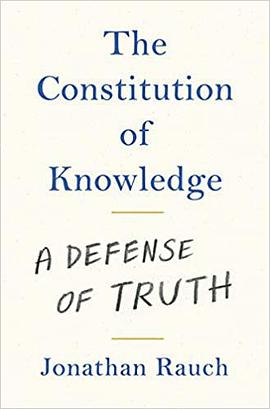
In this pathbreaking book, Jonathan Rauch reaches back to the parallel eighteenth-century developments of liberal democracy and science to explain what he calls the “Constitution of Knowledge”—our social system for turning disagreement into truth.
By explicating the Constitution of Knowledge and probing the war on reality, Rauch arms defenders of truth with a clearer understanding of what they must protect, why they must do so—and how they can do it. His book is a sweeping and readable description of how every American can help defend objective truth and free inquiry from threats as far away as Russia and as close as the cellphone.
In 2016 Russian trolls and bots nearly drowned the truth in a flood of fake news and conspiracy theories, and Donald Trump and his troll armies continued to do the same. Social media companies struggled to keep up with a flood of falsehoods, and too often didn’t even seem to try. Experts and some public officials began wondering if society was losing its grip on truth itself. Meanwhile, another new phenomenon appeared: “cancel culture.” At the push of a button, those armed with a cellphone could gang up by the thousands on anyone who ran afoul of their sanctimony.
In this pathbreaking book, Jonathan Rauch reaches back to the parallel eighteenth-century developments of liberal democracy and science to explain what he calls the “Constitution of Knowledge”—our social system for turning disagreement into truth.
By explicating the Constitution of Knowledge and probing the war on reality, Rauch arms defenders of truth with a clearer understanding of what they must protect, why they must do so—and how they can do it. His book is a sweeping and readable description of how every American can help defend objective truth and free inquiry from threats as far away as Russia and as close as the cellphone.
Chiang Kai-shek’s Politics of Shame 豆瓣
作者:
Grace C. Huang
Harvard University Asia Center
2021
- 8
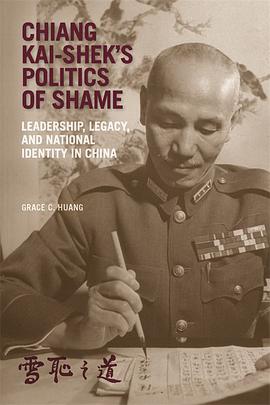
Once a powerful figure who reversed the disintegration of China and steered the country to Allied victory in World War II, Chiang Kai-shek fled into exile following his 1949 defeat in the Chinese civil war. As attention pivoted to Mao Zedong’s communist experiment, Chiang was relegated to the dustbin of history.
In Chiang Kai-shek’s Politics of Shame, Grace C. Huang reconsiders Chiang’s leadership and legacy by drawing on an extraordinary and uncensored collection of his diaries, telegrams, and speeches stitched together by his secretaries. She paints a new, intriguing portrait of this twentieth-century leader who advanced a Confucian politics of shame to confront Japanese incursion into China and urge unity among his people. In also comparing Chiang’s response to imperialism to those of Mao, Yuan Shikai, and Mahatma Gandhi, Huang widens the implications of her findings to explore alternatives to Western expressions of nationalism and modernity and reveal how leaders of vulnerable states can use potent cultural tools to inspire their country and contribute to an enduring national identity.
In Chiang Kai-shek’s Politics of Shame, Grace C. Huang reconsiders Chiang’s leadership and legacy by drawing on an extraordinary and uncensored collection of his diaries, telegrams, and speeches stitched together by his secretaries. She paints a new, intriguing portrait of this twentieth-century leader who advanced a Confucian politics of shame to confront Japanese incursion into China and urge unity among his people. In also comparing Chiang’s response to imperialism to those of Mao, Yuan Shikai, and Mahatma Gandhi, Huang widens the implications of her findings to explore alternatives to Western expressions of nationalism and modernity and reveal how leaders of vulnerable states can use potent cultural tools to inspire their country and contribute to an enduring national identity.
A Theory of Justice 豆瓣 Goodreads
作者:
John Rawls
Belknap Press
2005
- 3
Though the revised edition of "A Theory of Justice, published in 1999, is the definitive statement of Rawls's view, so much of the extensive literature on Rawls's theory refers to the first edition. This reissue makes the first edition once again available for scholars and serious students of Rawls's work.
高教崩壞 豆瓣
作者:
戴伯芬/主編
/
林宗弘
…
群學
2015
- 7
高等教育崩壞是臺灣社會當前無可迴避的危機,在官僚化、商品化以及少子女化的衝擊下,高等教育即將面臨全面崩解的命運。隨著官僚化治理機制的擴張,假教改之名的高教治理、扭曲的評鑑制度,迫使大學轉向追求學術聲望、排名的官僚體制,教師與學生淪為建制化學術生產線的底層勞工;技職升格、企業大學興起,放任大學展業經營、擴張校地;國家、財團、派系政治以及高等教育機構聯手開發教育地產經濟,危害生態環境、斲傷土地正義、擴大社會不平等;同時,擴張的高等教育碰上少子女化的人口斷崖,生源逐年下滑、財政赤字難以彌補、年金制度無法改革。
以上偏離教育精神的一切作為,終將造成大學倒閉、教授失業、學生失學、生產力斷層的全面衝擊。
本書解析臺灣高等教育的發展脈絡以及改革的可能性,並指出一條面對高教危機的集體行動之路。面對崩解的命運,臺灣社會必須形成一場新的公民運動,完成高等教育的轉型正義。
名人推薦
管中祥(中正大學傳播系副教授、高教工會副理事長)
在台灣,誰都知道高等教育問題嚴重,但卻很少有人想到高等教育一但崩壞,受害的不只是校園裡的學生、職員、教師,更是對於既有價值體系及社會系統的猛烈撞擊。特別是走在私有化、自由化、商品化引導的崩壞途徑上,高等教育不再是社會公平正義,弱勢翻身的實踐,反而成了少數權貴及資本集團的工具。《高教崩壞》告訴我們台灣高等教育日漸瓦解的根本病因,並且提出踏實回應的重要解方。
周于萱(青年勞動九五聯盟理事長)
過去幾年在大學現場所看見的高教亂象:上至院系所下至學生互相廝殺只為搶資源、學生還沒畢業就爭先恐後參與各種實習徵選、全系所為不知所云的評鑑疲於奔命……,所有問題的根源經過幾位老師的耙梳變得非常清晰,答案也呼之欲出。看清高教崩壞的面貌,最終要如何面對隨時準備崩塌的高教土石流,就必須仰賴校園工會以及每一位學術生產線勞工的集體努力了。
王盈勛(臺北藝術大學通識教育中心副教授)
知識分子經常對市場進行批判、對社會議題提出質疑,但他們卻很少敢於對自己的市場化、自己的價值崩壞反思改造。《高教崩壞》是一本勇敢之作,點明了二十年來台灣高教發展的隱疾,也揭穿了以改革之名包裝的國王新衣。
羅德水(全國教師工會總聯合會政策部主任)
此刻,任誰都能指出台灣高等教育面臨的危機,然而,造成高教土石流的真正原因究竟為何?《高教崩壞》不僅完整揭露台灣高教問題,對其背後的共錯結構更有精彩分析,陷入困境的高教應該何去何從?本書提出的建議,發人深省。
黃俊豪(東海大學社會系博士班)
「不要只做你想做的,要多了解市場需要什麼」、「要多跟人搏暖,多些人脈以後比較好找工作」,對一個在高教崩壞中苦熬瞎混的博士生來說,這些似乎已是老生常談,但卻又現實得不能假裝沒看到。然而這不僅是一個博士生不得不面對的煩惱,更是整體社會結構的扭曲。本書對高等教育的商品化、就業市場的飽和窄化、研究環境的績效主義化等問題,勾勒出一個清晰的圖像,指認其前因後果,也說明了目前高教工會等行動者努力的方向與成果。
以上偏離教育精神的一切作為,終將造成大學倒閉、教授失業、學生失學、生產力斷層的全面衝擊。
本書解析臺灣高等教育的發展脈絡以及改革的可能性,並指出一條面對高教危機的集體行動之路。面對崩解的命運,臺灣社會必須形成一場新的公民運動,完成高等教育的轉型正義。
名人推薦
管中祥(中正大學傳播系副教授、高教工會副理事長)
在台灣,誰都知道高等教育問題嚴重,但卻很少有人想到高等教育一但崩壞,受害的不只是校園裡的學生、職員、教師,更是對於既有價值體系及社會系統的猛烈撞擊。特別是走在私有化、自由化、商品化引導的崩壞途徑上,高等教育不再是社會公平正義,弱勢翻身的實踐,反而成了少數權貴及資本集團的工具。《高教崩壞》告訴我們台灣高等教育日漸瓦解的根本病因,並且提出踏實回應的重要解方。
周于萱(青年勞動九五聯盟理事長)
過去幾年在大學現場所看見的高教亂象:上至院系所下至學生互相廝殺只為搶資源、學生還沒畢業就爭先恐後參與各種實習徵選、全系所為不知所云的評鑑疲於奔命……,所有問題的根源經過幾位老師的耙梳變得非常清晰,答案也呼之欲出。看清高教崩壞的面貌,最終要如何面對隨時準備崩塌的高教土石流,就必須仰賴校園工會以及每一位學術生產線勞工的集體努力了。
王盈勛(臺北藝術大學通識教育中心副教授)
知識分子經常對市場進行批判、對社會議題提出質疑,但他們卻很少敢於對自己的市場化、自己的價值崩壞反思改造。《高教崩壞》是一本勇敢之作,點明了二十年來台灣高教發展的隱疾,也揭穿了以改革之名包裝的國王新衣。
羅德水(全國教師工會總聯合會政策部主任)
此刻,任誰都能指出台灣高等教育面臨的危機,然而,造成高教土石流的真正原因究竟為何?《高教崩壞》不僅完整揭露台灣高教問題,對其背後的共錯結構更有精彩分析,陷入困境的高教應該何去何從?本書提出的建議,發人深省。
黃俊豪(東海大學社會系博士班)
「不要只做你想做的,要多了解市場需要什麼」、「要多跟人搏暖,多些人脈以後比較好找工作」,對一個在高教崩壞中苦熬瞎混的博士生來說,這些似乎已是老生常談,但卻又現實得不能假裝沒看到。然而這不僅是一個博士生不得不面對的煩惱,更是整體社會結構的扭曲。本書對高等教育的商品化、就業市場的飽和窄化、研究環境的績效主義化等問題,勾勒出一個清晰的圖像,指認其前因後果,也說明了目前高教工會等行動者努力的方向與成果。
Democracy Rules Goodreads 豆瓣
作者:
Jan-Werner Müller
Farrar, Straus and Giroux
2021
- 7
A much-anticipated guide to saving democracy, from one of our most essential political thinkers.
Everyone knows that democracy is in trouble, but do we know what democracy actually is? Jan-Werner Müller, author of the widely translated and acclaimed What Is Populism? , takes us back to basics in Democracy Rules . In this short, elegant volume, he explains how democracy is founded not just on liberty and equality, but also on uncertainty. The latter will sound unattractive at a time when the pandemic has created unbearable uncertainty for so many. But it is crucial for ensuring democracy's dynamic and creative character, which remains one of its signal advantages over authoritarian alternatives that seek to render politics (and individual citizens) completely predictable.
Müller shows that we need to re-invigorate the intermediary institutions that have been deemed essential for democracy's success ever since the nineteenth century: political parties and free media. Contrary to conventional wisdom, these are not spent forces in a supposed age of post-party populist leadership and post-truth. Müller suggests concretely how democracy's critical infrastructure of intermediary institutions could be renovated, re-empowering citizens while also preserving a place for professionals such as journalists and judges. These institutions are also indispensable for negotiating a democratic social contract that reverses the secession of plutocrats and the poorest from a common political world.
Everyone knows that democracy is in trouble, but do we know what democracy actually is? Jan-Werner Müller, author of the widely translated and acclaimed What Is Populism? , takes us back to basics in Democracy Rules . In this short, elegant volume, he explains how democracy is founded not just on liberty and equality, but also on uncertainty. The latter will sound unattractive at a time when the pandemic has created unbearable uncertainty for so many. But it is crucial for ensuring democracy's dynamic and creative character, which remains one of its signal advantages over authoritarian alternatives that seek to render politics (and individual citizens) completely predictable.
Müller shows that we need to re-invigorate the intermediary institutions that have been deemed essential for democracy's success ever since the nineteenth century: political parties and free media. Contrary to conventional wisdom, these are not spent forces in a supposed age of post-party populist leadership and post-truth. Müller suggests concretely how democracy's critical infrastructure of intermediary institutions could be renovated, re-empowering citizens while also preserving a place for professionals such as journalists and judges. These institutions are also indispensable for negotiating a democratic social contract that reverses the secession of plutocrats and the poorest from a common political world.
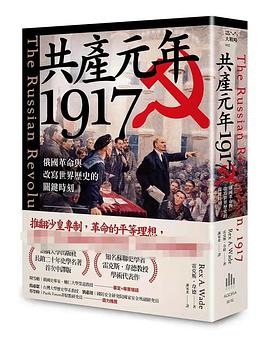
共產元年1917 豆瓣
The Russian Revolution, 1917
作者:
雷克斯.韋德(Rex A. Wade)
译者:
謝家柔
廣場
2021
- 7
推翻沙皇專制,革命的平等理想,
為何一年內掉出自由窄廊,落入共產極權?
劍橋大學出版社長銷二十年史學名著.首次中譯版
重新理解共產世界與美蘇冷戰的起源──1917俄國革命
知名蘇聯史學者,俄國革命史權威,雷克斯‧韋德教授學術代表作
俄國史專家,輔仁大學榮退教授,周雪舫審定+專業導讀
一年內從專制到民主再到專制,
1917年的俄羅斯究竟發生了什麼事?
1917:共產政權誕生、改變世界的關鍵一年
1917年2月,飢寒交迫的俄國人民走上街頭,二月革命爆發。沙皇退位,延續三百多年的君主專制政權就此終結。人們開始期待新政府能夠帶來更光明的未來。然而,就在同年10月,列寧與激進左派便掀起了十月革命,成功控制首都並推翻自由派與中產階級的臨時政府,建立全世界第一個共產政權。
短短一年之內,俄國從一個專制君主統治的帝國,快速走過自由主義、社會主義,最後直奔最激進的共產主義「烏托邦」。這兩場革命不只帶來俄羅斯歷史的鉅變,也讓美國與蘇聯,自由民主與共產極權的對壘成為二十世紀的主旋律,對世界局勢的影響至今不歇。
為何俄羅斯一度看似要踏入自由的窄廊,轉眼間又落入專制極權的陷阱?
充滿動盪、激情與希望的一年,又如何為共產奪權鋪平了道路?
不只是列寧:重現革命年代的黨派鬥爭與路線競合
《共產元年1917》作者韋德教授為知名蘇聯史學者,也是俄國革命史權威。本書破除俄國革命的常見迷思,提醒讀者看見一九一七年政局背後的複雜歷史:這既不是布爾什維克(後來的共產黨)對無知大眾的單純操弄,也不僅是一起在列寧縝密計畫下的奪權行動。俄國革命的歷史,既與第一次世界大戰的國際局勢相牽連,同時深受國內不同政黨派系政治主張的影響。本書特別著重在二月革命之後,新出現的政治集團與政治主張,尤其左派與右派內部的政治重組,以及溫和中間路線與激進鬥爭路線的之間的勢力消長。為何政治人物最終無能回應人民的訴求?中間路線的失敗如何引發人民的不滿,成為布爾什維克掌權的鎖鑰?這些都是值得讀史者深思的課題。
時代洪流下的社會百態:看見革命群眾的複雜與多元
另一方面,革命的歷史也遠遠超出活躍於首都的一小群政治領袖或工運分子。韋德教授指出,除了列寧與布爾什維克黨之外,許多立場各異的政治團體都曾活躍於俄國革命之中;除了政治領袖之外,工人、農民、女性也都追求各自的目標,而未必完全服從「黨中央」的指揮;除了首都與俄羅斯人之外,俄羅斯帝國境內的少數民族也各自懷有革命的理想,而不見得與首都同步。這些過去革命史鮮少訴說的群眾,也是左右政治局勢的關鍵。唯有看見各方路線在俄國革命中扮演的角色,看見他們的投入與參與,期望與挫折,我們才能理解1917年俄國革命的全貌。
本書以「一九一七年」為經,「黨派、階級、民族」為緯,為讀者勾勒出最完整的俄國革命史圖像:
◆在革命前夜,俄羅斯帝國面臨怎麼樣的政治、經濟與階級困境?
◆為何在推翻帝制之後,自由派與中產階級的臨時政府無以為繼?
◆階級對立與黨派路線的分歧,如何主導了革命的走向?
◆為了革命走上街頭的工人、士兵、農民,他們對革命懷有怎麼樣的願景?
◆俄羅斯帝國崩解後,少數民族又如何抓住爭取自由的機會?
◆激進的革命願景又如何變質,成為共產極權體制的開端?
本書特色
本書英文第三版發行之際,正逢俄國革命100周年。彼時俄國雖然擺脫了蘇聯共產意識型態的陰影,卻依舊無法脫離專制強人的統治。俄國人民看似不再受到低效率計畫經濟的束縛,但政治的自由、人權的保障並沒有增加太多。為何俄國要進入自由的窄廊如此困難?另一方面,俄國與烏克蘭的戰火未歇,與歐美關係緊張,在中亞則面對伊斯蘭社群與中國一帶一路的壓力。俄羅斯帝國留下的遺緒似乎仍然主導了當代歐亞大陸的政局。
這些疑問都促使我們重新省思俄羅斯在歐亞大陸的地位,以及俄國革命在歷史上的意義。本書既呈現了舊沙皇體制與社會的緊張,也描繪了革命之後,中上階級與工農階級之間,不同政治路線的競合與對抗。本書也觸及了非首都地區以及少數民族對革命的追求與反應。《共產元年1917》提供了俄國歷史的一個切片,讓讀者得以綜覽俄國社會的各個層面,並對革命的影響有具體而微的認識。
名人推薦
導讀:周雪舫|輔仁大學歷史學系教授
楊肅獻|台灣大學歷史學系教授
劉蕭翔|國防安全研究院國家安全所副研究員
蔡榮峰|Pacific Forum非駐點研究員
(姓氏筆畫排列)
一致推薦
各界推薦好評
★《斯拉夫評論》(Slavic Review):
本書毫無疑問,是英語世界關於一九一七革命的最佳單本著作…整合大量晚近研究的可讀作品……韋德教授為俄國革命史做出傑出的貢獻,本書必將成為俄國革命史的標準教材。
★《俄羅斯史學》(Russian History):
本書綜合了過去三十年大量學術研究,針對一九一七年革命的提供了既全面又有分析銳見的權威敘述。
★《BBC歷史雜誌》(BBC History Magazine):
韋德教授的文字簡潔,內容可靠而審慎……清晰的闡釋堪稱當前歷史著作的典範。
★格雷姆‧吉爾(Graeme Gill)|雪梨大學政府與國際關係系名譽教授:
韋德教授寫下了簡短又精彩的俄國革命史。
★弗拉基米爾‧布爾達科夫(Vladimir Buldakov)|俄羅斯科學院俄國史研究員:
本書寫作相當深思熟慮且注重平衡,並依序交代了一九一七年事件的來龍去脈……在今日,這本書也平衡了對於過去這場革命的諸多極端詮釋。
★安東尼‧比古德(Anthony Bidgood)|蒙納許大學歷史系教授:
學生與感興趣的大眾將選擇韋德的書,不只是折服於韋德教授對革命的再思考與詮釋,也是在這個前個世紀影響深遠、家喻戶曉的歷史事件,享受閱讀良史的樂趣。
★劉蕭翔|國防安全研究院國家安全研究所副研究員、國立政治大學外交學系兼任助理教授:
風起雲湧的1917年俄國大革命影響後世深遠,而作者全方位的詳實闡釋,則讓讀者身歷其境般地重返現場,並洞悉其間的轉折演變。對俄國與國際關係研究有興趣者,這是一本值得細細品味的好書。
為何一年內掉出自由窄廊,落入共產極權?
劍橋大學出版社長銷二十年史學名著.首次中譯版
重新理解共產世界與美蘇冷戰的起源──1917俄國革命
知名蘇聯史學者,俄國革命史權威,雷克斯‧韋德教授學術代表作
俄國史專家,輔仁大學榮退教授,周雪舫審定+專業導讀
一年內從專制到民主再到專制,
1917年的俄羅斯究竟發生了什麼事?
1917:共產政權誕生、改變世界的關鍵一年
1917年2月,飢寒交迫的俄國人民走上街頭,二月革命爆發。沙皇退位,延續三百多年的君主專制政權就此終結。人們開始期待新政府能夠帶來更光明的未來。然而,就在同年10月,列寧與激進左派便掀起了十月革命,成功控制首都並推翻自由派與中產階級的臨時政府,建立全世界第一個共產政權。
短短一年之內,俄國從一個專制君主統治的帝國,快速走過自由主義、社會主義,最後直奔最激進的共產主義「烏托邦」。這兩場革命不只帶來俄羅斯歷史的鉅變,也讓美國與蘇聯,自由民主與共產極權的對壘成為二十世紀的主旋律,對世界局勢的影響至今不歇。
為何俄羅斯一度看似要踏入自由的窄廊,轉眼間又落入專制極權的陷阱?
充滿動盪、激情與希望的一年,又如何為共產奪權鋪平了道路?
不只是列寧:重現革命年代的黨派鬥爭與路線競合
《共產元年1917》作者韋德教授為知名蘇聯史學者,也是俄國革命史權威。本書破除俄國革命的常見迷思,提醒讀者看見一九一七年政局背後的複雜歷史:這既不是布爾什維克(後來的共產黨)對無知大眾的單純操弄,也不僅是一起在列寧縝密計畫下的奪權行動。俄國革命的歷史,既與第一次世界大戰的國際局勢相牽連,同時深受國內不同政黨派系政治主張的影響。本書特別著重在二月革命之後,新出現的政治集團與政治主張,尤其左派與右派內部的政治重組,以及溫和中間路線與激進鬥爭路線的之間的勢力消長。為何政治人物最終無能回應人民的訴求?中間路線的失敗如何引發人民的不滿,成為布爾什維克掌權的鎖鑰?這些都是值得讀史者深思的課題。
時代洪流下的社會百態:看見革命群眾的複雜與多元
另一方面,革命的歷史也遠遠超出活躍於首都的一小群政治領袖或工運分子。韋德教授指出,除了列寧與布爾什維克黨之外,許多立場各異的政治團體都曾活躍於俄國革命之中;除了政治領袖之外,工人、農民、女性也都追求各自的目標,而未必完全服從「黨中央」的指揮;除了首都與俄羅斯人之外,俄羅斯帝國境內的少數民族也各自懷有革命的理想,而不見得與首都同步。這些過去革命史鮮少訴說的群眾,也是左右政治局勢的關鍵。唯有看見各方路線在俄國革命中扮演的角色,看見他們的投入與參與,期望與挫折,我們才能理解1917年俄國革命的全貌。
本書以「一九一七年」為經,「黨派、階級、民族」為緯,為讀者勾勒出最完整的俄國革命史圖像:
◆在革命前夜,俄羅斯帝國面臨怎麼樣的政治、經濟與階級困境?
◆為何在推翻帝制之後,自由派與中產階級的臨時政府無以為繼?
◆階級對立與黨派路線的分歧,如何主導了革命的走向?
◆為了革命走上街頭的工人、士兵、農民,他們對革命懷有怎麼樣的願景?
◆俄羅斯帝國崩解後,少數民族又如何抓住爭取自由的機會?
◆激進的革命願景又如何變質,成為共產極權體制的開端?
本書特色
本書英文第三版發行之際,正逢俄國革命100周年。彼時俄國雖然擺脫了蘇聯共產意識型態的陰影,卻依舊無法脫離專制強人的統治。俄國人民看似不再受到低效率計畫經濟的束縛,但政治的自由、人權的保障並沒有增加太多。為何俄國要進入自由的窄廊如此困難?另一方面,俄國與烏克蘭的戰火未歇,與歐美關係緊張,在中亞則面對伊斯蘭社群與中國一帶一路的壓力。俄羅斯帝國留下的遺緒似乎仍然主導了當代歐亞大陸的政局。
這些疑問都促使我們重新省思俄羅斯在歐亞大陸的地位,以及俄國革命在歷史上的意義。本書既呈現了舊沙皇體制與社會的緊張,也描繪了革命之後,中上階級與工農階級之間,不同政治路線的競合與對抗。本書也觸及了非首都地區以及少數民族對革命的追求與反應。《共產元年1917》提供了俄國歷史的一個切片,讓讀者得以綜覽俄國社會的各個層面,並對革命的影響有具體而微的認識。
名人推薦
導讀:周雪舫|輔仁大學歷史學系教授
楊肅獻|台灣大學歷史學系教授
劉蕭翔|國防安全研究院國家安全所副研究員
蔡榮峰|Pacific Forum非駐點研究員
(姓氏筆畫排列)
一致推薦
各界推薦好評
★《斯拉夫評論》(Slavic Review):
本書毫無疑問,是英語世界關於一九一七革命的最佳單本著作…整合大量晚近研究的可讀作品……韋德教授為俄國革命史做出傑出的貢獻,本書必將成為俄國革命史的標準教材。
★《俄羅斯史學》(Russian History):
本書綜合了過去三十年大量學術研究,針對一九一七年革命的提供了既全面又有分析銳見的權威敘述。
★《BBC歷史雜誌》(BBC History Magazine):
韋德教授的文字簡潔,內容可靠而審慎……清晰的闡釋堪稱當前歷史著作的典範。
★格雷姆‧吉爾(Graeme Gill)|雪梨大學政府與國際關係系名譽教授:
韋德教授寫下了簡短又精彩的俄國革命史。
★弗拉基米爾‧布爾達科夫(Vladimir Buldakov)|俄羅斯科學院俄國史研究員:
本書寫作相當深思熟慮且注重平衡,並依序交代了一九一七年事件的來龍去脈……在今日,這本書也平衡了對於過去這場革命的諸多極端詮釋。
★安東尼‧比古德(Anthony Bidgood)|蒙納許大學歷史系教授:
學生與感興趣的大眾將選擇韋德的書,不只是折服於韋德教授對革命的再思考與詮釋,也是在這個前個世紀影響深遠、家喻戶曉的歷史事件,享受閱讀良史的樂趣。
★劉蕭翔|國防安全研究院國家安全研究所副研究員、國立政治大學外交學系兼任助理教授:
風起雲湧的1917年俄國大革命影響後世深遠,而作者全方位的詳實闡釋,則讓讀者身歷其境般地重返現場,並洞悉其間的轉折演變。對俄國與國際關係研究有興趣者,這是一本值得細細品味的好書。
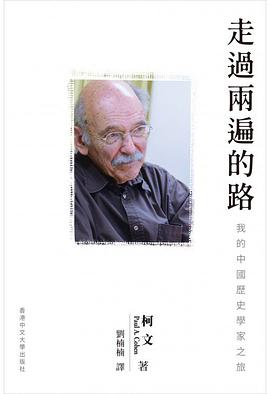
走過兩遍的路 豆瓣 谷歌图书
作者:
柯文(Paul A. Cohen)
译者:
劉楠楠
香港中文大學出版社
2021
- 1
「歷史學家的工作,最重要的是先理解過去發生的事情,然後解釋給讀者,然而我要指出,若說親歷的歷史和歷史學家重構的歷史涇渭分明,就是過度簡化,是值得商榷的問題。於歷史學家而言,親歷的歷史或許凌亂混雜,於親歷者而言卻並非如此。人們生活中當然有紛繁複雜的部分,但是,至少一般來說,我們每個人認識自己的生活,並不會覺得它混沌繁雜。所以在個人層面、個人親身經歷層面,敘事發揮著至關重要的作用。」
—柯文
六十年一甲子,是為重要的循環。著名美國歷史學家柯文從治學中國歷史至今六十年出頭,回頭審視他所走過的路,正當其時:「研究中國歷史已有六十個春秋,我對中國歷史和歷史本身的思考,經歷了一系列演變。」到底柯文的學術事業在何處開啟?一些節點他的觀點如何轉變,又為何轉變?現在的他如何思考?
柯文的學術著作關注十九、二十世紀,在不同程度幾乎都與中國與西方交流、中國與西方影響下的日本交流有關,但其生涯中長久縈繞於心的,是志於深入中國,像中國人自己親歷歷史一樣,最大程度地重構中國歷史,而不是關心西方人自以為富有價值、自然而然、符合常規的歷史。
「一本回憶錄自然是一段歷史。歷史學家寫下學術生涯回憶錄,與當時打下學術生涯大不相同,需要兩種大相徑庭的思維方式」—柯文選擇《走過兩遍的路》作為題目,本意即為如此。書名象徵著一個關鍵分別:當初親身經歷的歷史與後來重構的歷史迥然不同。重構歷史時,人們已然知曉結果,歷史學家會把精力放在理解上,解釋為何出現這樣的結果。
柯文認為回憶錄作為歷史的一種形式,往往講述當時或隱而不發,或未曾存在的視角。因此,本書價值在於:一、探尋柯文成為歷史學家的一波三折的故事;二、當研究生期間與兩位主要導師、史學泰斗費正清和史華慈的交流經歷;三、深入職業生涯的幽微之處,譬如訴說出書過程中艱難險阻、鮮有人知的故事。
「這本書既引人入勝且博大精深,不僅為我們描述了柯文的學術面向,而且還引介了其本人的著作,他討論了他心目中的主要著作,並且透過多元的視角提出了有關歷史書寫的饒有興味的想法。有些時候,柯文對自己做過的事情不以為然地自我批評,例如,為讀者寫就了一個題為〈中國中心觀的局限〉的章節,也花了大量時間討論一些引人入勝的問題,包括經常迴避他的新研究思路的部分出版人。他對歷史學家技藝的熱忱和熱愛,使得這本書與平鋪直敘的學術回憶錄相距甚遠,讀者甚至可能會忘掉這本書其實是由一個博學多才、嚴謹治學的人所撰寫。」
—John Butler(加拿大 University College of the North in The Pas 人文學榮休教授)
—柯文
六十年一甲子,是為重要的循環。著名美國歷史學家柯文從治學中國歷史至今六十年出頭,回頭審視他所走過的路,正當其時:「研究中國歷史已有六十個春秋,我對中國歷史和歷史本身的思考,經歷了一系列演變。」到底柯文的學術事業在何處開啟?一些節點他的觀點如何轉變,又為何轉變?現在的他如何思考?
柯文的學術著作關注十九、二十世紀,在不同程度幾乎都與中國與西方交流、中國與西方影響下的日本交流有關,但其生涯中長久縈繞於心的,是志於深入中國,像中國人自己親歷歷史一樣,最大程度地重構中國歷史,而不是關心西方人自以為富有價值、自然而然、符合常規的歷史。
「一本回憶錄自然是一段歷史。歷史學家寫下學術生涯回憶錄,與當時打下學術生涯大不相同,需要兩種大相徑庭的思維方式」—柯文選擇《走過兩遍的路》作為題目,本意即為如此。書名象徵著一個關鍵分別:當初親身經歷的歷史與後來重構的歷史迥然不同。重構歷史時,人們已然知曉結果,歷史學家會把精力放在理解上,解釋為何出現這樣的結果。
柯文認為回憶錄作為歷史的一種形式,往往講述當時或隱而不發,或未曾存在的視角。因此,本書價值在於:一、探尋柯文成為歷史學家的一波三折的故事;二、當研究生期間與兩位主要導師、史學泰斗費正清和史華慈的交流經歷;三、深入職業生涯的幽微之處,譬如訴說出書過程中艱難險阻、鮮有人知的故事。
「這本書既引人入勝且博大精深,不僅為我們描述了柯文的學術面向,而且還引介了其本人的著作,他討論了他心目中的主要著作,並且透過多元的視角提出了有關歷史書寫的饒有興味的想法。有些時候,柯文對自己做過的事情不以為然地自我批評,例如,為讀者寫就了一個題為〈中國中心觀的局限〉的章節,也花了大量時間討論一些引人入勝的問題,包括經常迴避他的新研究思路的部分出版人。他對歷史學家技藝的熱忱和熱愛,使得這本書與平鋪直敘的學術回憶錄相距甚遠,讀者甚至可能會忘掉這本書其實是由一個博學多才、嚴謹治學的人所撰寫。」
—John Butler(加拿大 University College of the North in The Pas 人文學榮休教授)
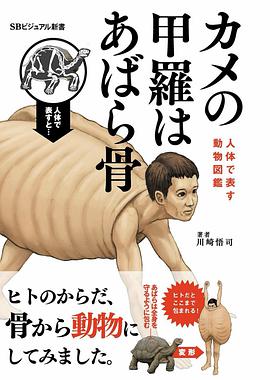
カメの甲羅はあばら骨 豆瓣
作者:
[日] 川崎悟司
SBクリエイティブ
2019
听到「动物图鉴」四个字,一般都会觉得那就是给小朋友看的书籍,但这样过激的画风和崭新的比喻方式也成功激起了大人的兴趣。「如果用人体来表现动物骨骼构造,那么龟壳相当于人类的肋骨」,古生物插画家川崎悟司异想天开用人体来再现各种动物骨骼构造的插画,因为这强烈的视觉效果在网络上引发话题,也纠正了我们常误解的一些动物身体构造。
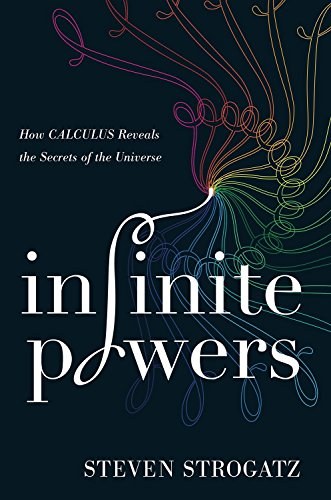
Infinite Powers 豆瓣 Goodreads
作者:
Steven H. Strogatz
Houghton Mifflin Harcourt
2019
- 4
From preeminent math personality and author of The Joy of x, a brilliant and endlessly appealing explanation of calculus – how it works and why it makes our lives immeasurably better.
Without calculus, we wouldn’t have cell phones, TV, GPS, or ultrasound. We wouldn’t have unraveled DNA or discovered Neptune or figured out how to put 5,000 songs in your pocket.
Though many of us were scared away from this essential, engrossing subject in high school and college, Steven Strogatz’s brilliantly creative, down‑to‑earth history shows that calculus is not about complexity; it’s about simplicity. It harnesses an unreal number—infinity—to tackle real‑world problems, breaking them down into easier ones and then reassembling the answers into solutions that feel miraculous.
Infinite Powers recounts how calculus tantalized and thrilled its inventors, starting with its first glimmers in ancient Greece and bringing us right up to the discovery of gravitational waves (a phenomenon predicted by calculus). Strogatz reveals how this form of math rose to the challenges of each age: how to determine the area of a circle with only sand and a stick; how to explain why Mars goes “backwards” sometimes; how to make electricity with magnets; how to ensure your rocket doesn’t miss the moon; how to turn the tide in the fight against AIDS.
As Strogatz proves, calculus is truly the language of the universe. By unveiling the principles of that language, Infinite Powers makes us marvel at the world anew.
Without calculus, we wouldn’t have cell phones, TV, GPS, or ultrasound. We wouldn’t have unraveled DNA or discovered Neptune or figured out how to put 5,000 songs in your pocket.
Though many of us were scared away from this essential, engrossing subject in high school and college, Steven Strogatz’s brilliantly creative, down‑to‑earth history shows that calculus is not about complexity; it’s about simplicity. It harnesses an unreal number—infinity—to tackle real‑world problems, breaking them down into easier ones and then reassembling the answers into solutions that feel miraculous.
Infinite Powers recounts how calculus tantalized and thrilled its inventors, starting with its first glimmers in ancient Greece and bringing us right up to the discovery of gravitational waves (a phenomenon predicted by calculus). Strogatz reveals how this form of math rose to the challenges of each age: how to determine the area of a circle with only sand and a stick; how to explain why Mars goes “backwards” sometimes; how to make electricity with magnets; how to ensure your rocket doesn’t miss the moon; how to turn the tide in the fight against AIDS.
As Strogatz proves, calculus is truly the language of the universe. By unveiling the principles of that language, Infinite Powers makes us marvel at the world anew.
Iconographies of Occupation 豆瓣
作者:
Jeremy E. Taylor
University of Hawaii Press
2021
- 2
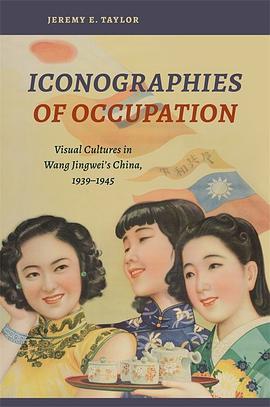
Iconographies of Occupation is the first book to address how the “collaborationist” Reorganized National Government (RNG) in Japanese-occupied China sought to visualize its leader, Wang Jingwei (1883–1944); the Chinese people; and China itself. It explores the ways in which this administration sought to present itself to the people over which it ruled at different points between 1939 (when the RNG was first being formulated) and August 1945, when it folded itself out of existence. What sorts of visual tropes were used in regime iconography and how were these used? What can the intertextual movement of visual tropes and motifs tell us about RNG artists and intellectuals and their understanding of the occupation and the war?
Drawing on rarely before used archival records relating to propaganda and a range of visual media produced in occupied China by the RNG, the book examines the means used by this “client regime” to carve out a separate visual space for itself by reviving pre-war Chinese methods of iconography and by adopting techniques, symbols, and visual tropes from the occupying Japanese and their allies. Ultimately, however, the “occupied gaze” that was developed by Wang’s administration was undermined by its ultimate reliance on Japanese acquiescence for survival. In the continually shifting and fragmented iconographies that the RNG developed over the course of its short existence, we find an administration that was never completely in control of its own fate—or its message. Iconographies of Occupation presents a thoroughly original visual history approach to the study of a much-maligned regime and opens up new ways of understanding its place in wartime China. It also brings China under the RNG into dialogue with wider theoretical debates about the significance of “the visual” in the cultural politics of foreign occupation more broadly.
Drawing on rarely before used archival records relating to propaganda and a range of visual media produced in occupied China by the RNG, the book examines the means used by this “client regime” to carve out a separate visual space for itself by reviving pre-war Chinese methods of iconography and by adopting techniques, symbols, and visual tropes from the occupying Japanese and their allies. Ultimately, however, the “occupied gaze” that was developed by Wang’s administration was undermined by its ultimate reliance on Japanese acquiescence for survival. In the continually shifting and fragmented iconographies that the RNG developed over the course of its short existence, we find an administration that was never completely in control of its own fate—or its message. Iconographies of Occupation presents a thoroughly original visual history approach to the study of a much-maligned regime and opens up new ways of understanding its place in wartime China. It also brings China under the RNG into dialogue with wider theoretical debates about the significance of “the visual” in the cultural politics of foreign occupation more broadly.
The Adjunct Underclass 豆瓣 谷歌图书
作者:
Herb Childress
University of Chicago Press
2019
- 4
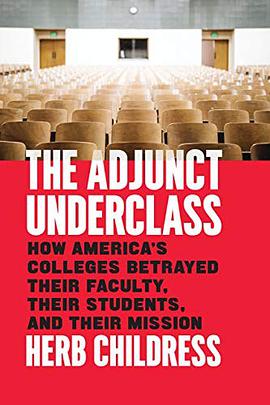
Class ends. Students pack up and head back to their dorms. The professor, meanwhile, goes to her car . . . to catch a little sleep, and then eat a cheeseburger in her lap before driving across the city to a different university to teach another, wholly different class. All for a paycheck that, once prep and grading are factored in, barely reaches minimum wage.
Welcome to the life of the mind in the gig economy. Over the past few decades, the job of college professor has been utterly transformed—for the worse. America’s colleges and universities were designed to serve students and create knowledge through the teaching, research, and stability that come with the longevity of tenured faculty, but higher education today is dominated by adjuncts. In 1975, only thirty percent of faculty held temporary or part-time positions. By 2011, as universities faced both a decrease in public support and ballooning administrative costs, that number topped fifty percent. Now, some surveys suggest that as many as seventy percent of American professors are working course-to-course, with few benefits, little to no security, and extremely low pay.
In The Adjunct Underclass, Herb Childress draws on his own firsthand experience and that of other adjuncts to tell the story of how higher education reached this sorry state. Pinpointing numerous forces within and beyond higher ed that have driven this shift, he shows us the damage wrought by contingency, not only on the adjunct faculty themselves, but also on students, the permanent faculty and administration, and the nation. How can we say that we value higher education when we treat educators like desperate day laborers?
Measured but passionate, rooted in facts but sure to shock, The Adjunct Underclass reveals the conflicting values, strangled resources, and competing goals that have fundamentally changed our idea of what college should be. This book is a call to arms for anyone who believes that strong colleges are vital to society.
Welcome to the life of the mind in the gig economy. Over the past few decades, the job of college professor has been utterly transformed—for the worse. America’s colleges and universities were designed to serve students and create knowledge through the teaching, research, and stability that come with the longevity of tenured faculty, but higher education today is dominated by adjuncts. In 1975, only thirty percent of faculty held temporary or part-time positions. By 2011, as universities faced both a decrease in public support and ballooning administrative costs, that number topped fifty percent. Now, some surveys suggest that as many as seventy percent of American professors are working course-to-course, with few benefits, little to no security, and extremely low pay.
In The Adjunct Underclass, Herb Childress draws on his own firsthand experience and that of other adjuncts to tell the story of how higher education reached this sorry state. Pinpointing numerous forces within and beyond higher ed that have driven this shift, he shows us the damage wrought by contingency, not only on the adjunct faculty themselves, but also on students, the permanent faculty and administration, and the nation. How can we say that we value higher education when we treat educators like desperate day laborers?
Measured but passionate, rooted in facts but sure to shock, The Adjunct Underclass reveals the conflicting values, strangled resources, and competing goals that have fundamentally changed our idea of what college should be. This book is a call to arms for anyone who believes that strong colleges are vital to society.
我香港,我街道2 豆瓣 谷歌图书
作者:
香港文學館主編
木馬文化
2021
- 4
我的城里有你的街
外地视角的香港书写
【他们的香港记忆中,有一条街,有一个人,始终闪耀着动人光点】
如有一个地方,去了无数次都好像首次踏足,犹如不断变化的迷宫,那就是香港。――袁绍珊〈天神与天后〉
若一个城市的语言能法术般使草莓变成梨,它大抵没有办不到的事。倾城之际,那梨自己就是自己的神迹。――言叔夏〈维多利亚港的梨〉
【香港文学馆主编《我香港,我街道》续作】
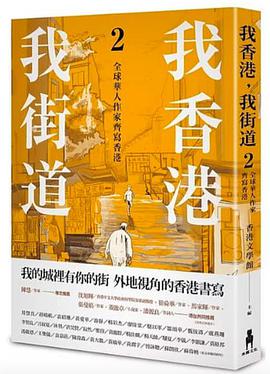
《我香港,我街道》集合54位香港本地作家书写香港街道,出版一年后,续作《我香港,我街道2》更引入外地视角,辑一「我的城里有你的街」邀请曾经或当时居于外地的作家写书写与香港一条实存街道同名的外国街道,穿透名字背后所蕴藏的历史文化,了解香港与外界的无形联系,例如台湾作家房慧真写湾仔的太原街与台北的太原路,胡晴舫写香港的第三街与纽约曼哈顿的第三街,澳门作家袁绍珊写澳门天神巷与香港天后庙道。辑二「那里的香港人」邀请居于外地的作家,写香港一条实存街道上的一个人,包括台湾作家言叔夏、黄丽群、杨佳娴、骚夏,与现居外地的香港作家廖伟棠、洪昊贤、沐羽、惟得等人。除了专业作家,辑三「我城漫游」的作者群亦有香港舞蹈家、政治人物、社区工作者与素人学生,更能显香港日常生活与庶民视角。
本书继续发掘这个城巿的多样性,埋在熟悉之下的陌生,或隐或现的纽结;而它与第一集的差别在于,为「香港本土」引入了更多的海外维度,在更多的对照与差异之中,想象连结与共同,面对我们离散的本质。――邓小桦(编者序)
断续看着新闻,断续看着这些书写香港的文稿;忽然觉得篇章如药,镇静心神,又似旌幡与秘帖,招魂。――陈慧(推荐序)
外地视角的香港书写
【他们的香港记忆中,有一条街,有一个人,始终闪耀着动人光点】
如有一个地方,去了无数次都好像首次踏足,犹如不断变化的迷宫,那就是香港。――袁绍珊〈天神与天后〉
若一个城市的语言能法术般使草莓变成梨,它大抵没有办不到的事。倾城之际,那梨自己就是自己的神迹。――言叔夏〈维多利亚港的梨〉
【香港文学馆主编《我香港,我街道》续作】
《我香港,我街道》集合54位香港本地作家书写香港街道,出版一年后,续作《我香港,我街道2》更引入外地视角,辑一「我的城里有你的街」邀请曾经或当时居于外地的作家写书写与香港一条实存街道同名的外国街道,穿透名字背后所蕴藏的历史文化,了解香港与外界的无形联系,例如台湾作家房慧真写湾仔的太原街与台北的太原路,胡晴舫写香港的第三街与纽约曼哈顿的第三街,澳门作家袁绍珊写澳门天神巷与香港天后庙道。辑二「那里的香港人」邀请居于外地的作家,写香港一条实存街道上的一个人,包括台湾作家言叔夏、黄丽群、杨佳娴、骚夏,与现居外地的香港作家廖伟棠、洪昊贤、沐羽、惟得等人。除了专业作家,辑三「我城漫游」的作者群亦有香港舞蹈家、政治人物、社区工作者与素人学生,更能显香港日常生活与庶民视角。
本书继续发掘这个城巿的多样性,埋在熟悉之下的陌生,或隐或现的纽结;而它与第一集的差别在于,为「香港本土」引入了更多的海外维度,在更多的对照与差异之中,想象连结与共同,面对我们离散的本质。――邓小桦(编者序)
断续看着新闻,断续看着这些书写香港的文稿;忽然觉得篇章如药,镇静心神,又似旌幡与秘帖,招魂。――陈慧(推荐序)