语言学
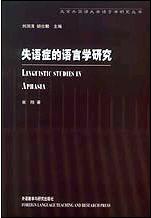
失语症的语言学研究 豆瓣
作者:
崔刚
出版社:
外语教学与研究出版社
2002
- 6
语言是人类区别于动物的主要特征之一。语言功能极大地增强了人们描述世界、思考以及相互之间进行交际的能力。长期以便为,语言学、哲学、心理学以及其它领域的研究者一直致力于语言的本质、语言习得以及语言使用的研究。这些研究的成果表明,语言是一个具有复杂结构的符号系统,语言的使用包含许多不同的相互影响的心理过程。 失语症是指由于大脑损伤所造成的语言障碍。失语症的科学研究从Broca(1861)开始,历经一个多世纪。失语症患者表现出的各种语言障碍是研究大脑和语言关系的重要途径。神经语言学各种语言障碍是研究大脑和语言关系的重要途径。神经语言学(Neurolingusistics)是一门介于神经学和语言学之间的边缘学科,旨在研究语言和大脑之间的关系,它以语言病理学为基础,主要通过对失语症患者言语活动的观察与分析所获取的第一手材料,“理解与阐释人类语言与言语的神经基础,探讨语言使用过程中所涉及的机制和过程的性质”(Blumstein,1988)。神经语言学的研究充分体现了语言学和失语症研究之间的密切关系,两者相互影响,相互促进。在最近的几十年中,借助语言学家和心理语言学家提出的关于语言结构和语言处理的理论在认识语言障碍方面取得了很大的进展。同时,关于语言障碍的研究也促进了语言学和心理语言学理论的发展。而在 国,从事语言障碍研究的主要是一些医学界的研究者,从语言学的角度对失语症患者语言障碍进行研究的还为数不多。 本书旨在从事言学的角度研究汉语布洛卡氏和传导性失语症患者在口语表达过程中表现出的语音、词汇、句法和语用障碍。全书包括三个部分。第一、二章为第一部分,语症产生的原因及其分类,回顾失语症研究的历史,并且探讨语言学与失语症之间的关系。该部分的主要任务是为后面对失语症患者语言障碍的描述与分析奠定基础,加深读者对于失语症和神经语言学的性质的认识。第三章至第七章是本书的主体部分,第三章介绍本项研究中数据的搜集与整理过程,第四章至第七章讨论了失语症患者在语音、词汇、句法和语用四个方面的口语表达障碍。第八章总结了本研究的主要发现,并且讨论它们对于语言学和心理语言学理论的启示。 本书中的部分研究成果曾经在有关刊物上公开发表过,在收入本书时又作了适当的加工与整理。本书还吸收了笔者博士论文的部分研究成果,在此我谨向我的恩师,北京外国语大学的刘润清教授多年来对我的悉心指导表示衷心的感谢,同时我还要感谢北京医科大学的高素容教授对我在资料搜集方面的帮助以及医学方面的指导。另外,在本书的写作和出版过程中,还得到了清华大学985项目的资助,在此一并表示谢意。
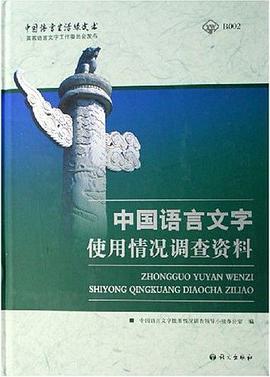
中国语言文字使用情况调查资料 豆瓣
作者:
本社
出版社:
语文出版社
2006
- 11
中国语言文字使用情况调查资料,ISBN:9787801848307,作者:中国语言文字使用情况
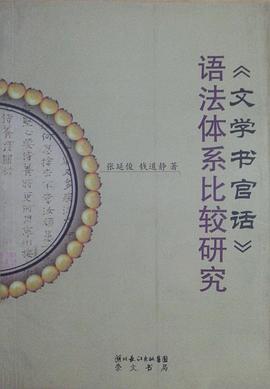
《文学书官话》语法体系比较研究 豆瓣
作者:
张延俊, 钱道静著
出版社:
崇文书局
2007
Dynamic Memory Revisited 豆瓣
作者:
Schank, Roger C.
1999
- 8
Roger Schank's influential book, Dynamic Memory, described how computers could learn based upon what was known about how people learn. Since that book's publication in 1982, Dr Schank has turned his focus from artificial intelligence to human intelligence. Dynamic Memory Revisited contains the theory of learning presented in the original book, extending it to provide principles for teaching and learning. It includes Dr Schank's important theory of case-based reasoning and assesses the role of stories in human memory. In addition, it covers his ideas on non-conscious learning, indexing, and the cognitive structures that underlie learning by doing. Dynamic Memory Revisited is crucial reading for all who are concerned with education and school reform. It draws attention to how effective learning takes place and provides instruction for developing software that truly helps students learn.
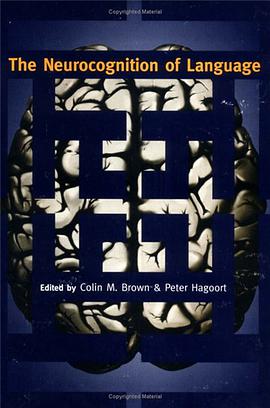
The Neurocognition of Language 豆瓣
作者:
Colin M. Brown
/
Peter Hagoort
出版社:
Oxford Univ Pr
2001
- 6
Human Behaviour and the Principle of Least Effort 豆瓣
作者:
George Kingsley Zipf
出版社:
Hafner
1966
- 2
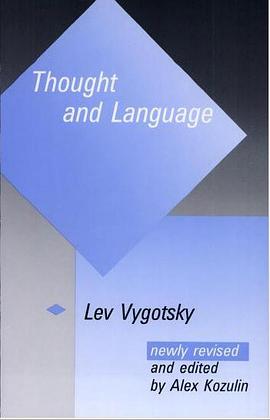
Thought and Language 豆瓣
作者:
L. S. Vygotsky
出版社:
MIT Press (MA)
1986
- 8
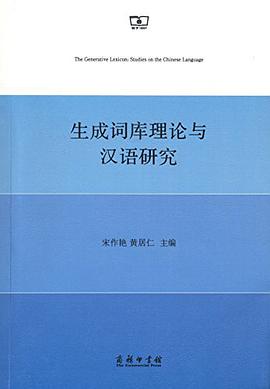
生成词库理论与汉语研究 豆瓣
作者:
宋作艳
/
黄居仁
出版社:
商务印书馆
2018
- 1
围绕“生成词库理论与汉语研究”这一主题,本书选编了海内外刊物上的代表性论文,旨在展现生成词库理论在汉语研究中的应用,以期促进相关研究的深入开展并拓展新的研究领域和方向。
本书包括五个专题:生成词库理论介绍、句法语义研究、词汇语义研究、资源建设、跨领域研究。既有在生成词库理论关照下对老问题的新解释,也有基于汉语特点和事实对生成词库理论的改进;除了汉语研究,还有跨语言的比较研究;除了理论研究,还有面向中文信息处理的资源建设和习得研究。
本书包括五个专题:生成词库理论介绍、句法语义研究、词汇语义研究、资源建设、跨领域研究。既有在生成词库理论关照下对老问题的新解释,也有基于汉语特点和事实对生成词库理论的改进;除了汉语研究,还有跨语言的比较研究;除了理论研究,还有面向中文信息处理的资源建设和习得研究。
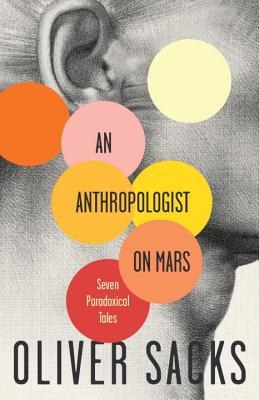
An Anthropologist On Mars 豆瓣
To these seven narratives of neurological disorder Dr. Sacks brings the same humanity, poetic observation, and infectious sense of wonder that are apparent in his bestsellers Awakenings and The Man Who Mistook His Wife for a Hat. These men, women, and one extraordinary child emerge as brilliantly adaptive personalities, whose conditions have not so much debilitated them as ushered them into another reality.
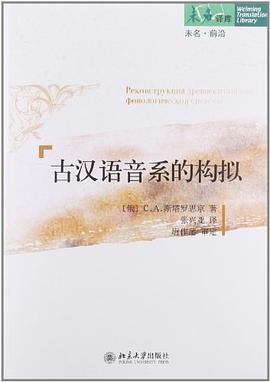
古汉语音系的构拟 豆瓣
作者:
谢尔盖·阿纳托利耶维奇·斯塔罗思京
译者:
张兴亚
出版社:
北京大学出版社
2012
《未名译库:古汉语音系的构拟》是作者研究汉语历史音韵学的重要著作。作者根据汉字谐声系统和古诗的押韵并结合亲属语言的材料,构拟了公元前10世纪初的上古汉语音系,并对作者所划分的上古汉语其他几个时期的音系特点作了分析,对中古汉语音系也重新进行了省视。作者的研究继承和发展了乃师雅洪托夫及其他前辈著名学者的优秀学术成果,根据对大量材料的研究尤其是对新材料的研究提出一系列新的见解,很值得我们参考借鉴。《未名译库:古汉语音系的构拟》正文后附录有作者的上古诗文韵部研究和他构拟的古汉语(上古各时期和中古)音节与诸家所构拟中上古音节的比较表。

普什图语汉语词典 豆瓣
普什图语是一种古老的语言,多位西方语言学家的研究成果表明,这种语言是印度和伊朗诸语言间相互影响最早发生语变的典型,为历史比较语言学提供了有价值的佐证。普通语言学将普什图语划归在印欧语系伊朗语族。
普什图语是阿富汗和巴基斯坦普什图族的民族语言,也是阿富汗两个官方语言之一。目前世界上使用该语言的人口约3000多万,而在中国只有近百人掌握,是名副其实的“小语种”,多年来国内一直缺少普什图语的工具书。
《普什图语汉语词典》是全国第一次辞书编写出版规划项目,其编撰历时36年,几位编者筚路蓝缕,克服多种困难,持之以恒,不离不弃,以10万余张卡片的积累,成就了一部世界上规模最大的普什图语汉语词典。
本词典主要特点如下:
Ø收词精当,收录常用词目5万余条。以母语新词代替向波斯语、阿拉伯语等语言的借词。
Ø拼写规范,按照阿富汗近年的文字规范进行全面梳理,自创了以拉丁字母为普什图语注音的系统。
Ø编排独到,既符合中文从左向右的书写规则,也兼顾了普什图语从右向左的行文习惯。
Ø例证丰富,充分反映阿富汗文化,收录大量普什图民族的谚语、俗语和日常生活用例。
Ø附录实用,从普什图语亲属关系到阿富汗的阳历与公历对照表,多方位向中国读者介绍阿富汗的文化与习俗。
Ø装帧精美大气,制作工艺繁复,独具收藏价值
普什图语是阿富汗和巴基斯坦普什图族的民族语言,也是阿富汗两个官方语言之一。目前世界上使用该语言的人口约3000多万,而在中国只有近百人掌握,是名副其实的“小语种”,多年来国内一直缺少普什图语的工具书。
《普什图语汉语词典》是全国第一次辞书编写出版规划项目,其编撰历时36年,几位编者筚路蓝缕,克服多种困难,持之以恒,不离不弃,以10万余张卡片的积累,成就了一部世界上规模最大的普什图语汉语词典。
本词典主要特点如下:
Ø收词精当,收录常用词目5万余条。以母语新词代替向波斯语、阿拉伯语等语言的借词。
Ø拼写规范,按照阿富汗近年的文字规范进行全面梳理,自创了以拉丁字母为普什图语注音的系统。
Ø编排独到,既符合中文从左向右的书写规则,也兼顾了普什图语从右向左的行文习惯。
Ø例证丰富,充分反映阿富汗文化,收录大量普什图民族的谚语、俗语和日常生活用例。
Ø附录实用,从普什图语亲属关系到阿富汗的阳历与公历对照表,多方位向中国读者介绍阿富汗的文化与习俗。
Ø装帧精美大气,制作工艺繁复,独具收藏价值

东汉砖文语法研究 豆瓣
作者:
周建姣
出版社:
商务印书馆
2014
- 10
本书以东汉时期书写、刻画或模印于砖瓦等建筑材料及陶质器物上的文字资料为研究对象。砖瓦及陶上的文字本文统称为砖文。
全书分为上下两编。上编为虚词集论,以词类为纲,对东汉砖文中的介词、副词、代词、连词、助词和语气词进行描述,同时将砖文中的虚词与东汉其他文献《论衡》、《太平经》、汉译佛经进行对比研究。书中充分调查虚词的分布特点、使用频率和语法功能;在对东汉砖文虚词全面描写的基础上,利用学术界已经取得的成果,进行共时和历时方面的比较,揭示这些虚词在汉语发展史上的地位。下编语法散论是从语法角度进行的专题研究,主要有四篇文章:《东汉俗语文献行为处所表示法探索》、《东汉砖文及<太平经>引进处所介词“在”的使用情况》、《东汉墓志材料中的同义连用》、《东汉刑徒砖文句式考察》。
全书分为上下两编。上编为虚词集论,以词类为纲,对东汉砖文中的介词、副词、代词、连词、助词和语气词进行描述,同时将砖文中的虚词与东汉其他文献《论衡》、《太平经》、汉译佛经进行对比研究。书中充分调查虚词的分布特点、使用频率和语法功能;在对东汉砖文虚词全面描写的基础上,利用学术界已经取得的成果,进行共时和历时方面的比较,揭示这些虚词在汉语发展史上的地位。下编语法散论是从语法角度进行的专题研究,主要有四篇文章:《东汉俗语文献行为处所表示法探索》、《东汉砖文及<太平经>引进处所介词“在”的使用情况》、《东汉墓志材料中的同义连用》、《东汉刑徒砖文句式考察》。
诗律 豆瓣
作者:
郭芹纳
出版社:
商务印书馆
2004
- 9
《诗律》内容精要易懂,重点难点突出。例如有关平仄的规则、科声的识辨、诗韵的掌握、古今异读、平仄异调等等,都是针对现代读者的主要问题和难点而编写的,其目的就是为了便于初学者很快掌握。
精选例证,强化练习。《诗律》于诗律的每一规则之后,均附有大量的练习。这些练习,是我在分析了上万首诗歌的基础上,反复选择而精心设计的。全书共列举500余首诗作,既可供练习之需,又可使读者得到艺术的享受和感染。实践证明,这样安排是十分必要的,也是相录有效的。
增加了必要的附录。如王鉴的《四声纂句》、诗韵常用字表、派入今阴平、阳平听入声字、诗韵举例以及练习参考答案等等。这些附录,既是对正文内容的补充,又是必要的检索工具。像其中的“诗韵常用字表”,就是根据自己的体会重新编排的,可以收到便于检字和便于古今对照的双重效果。
精选例证,强化练习。《诗律》于诗律的每一规则之后,均附有大量的练习。这些练习,是我在分析了上万首诗歌的基础上,反复选择而精心设计的。全书共列举500余首诗作,既可供练习之需,又可使读者得到艺术的享受和感染。实践证明,这样安排是十分必要的,也是相录有效的。
增加了必要的附录。如王鉴的《四声纂句》、诗韵常用字表、派入今阴平、阳平听入声字、诗韵举例以及练习参考答案等等。这些附录,既是对正文内容的补充,又是必要的检索工具。像其中的“诗韵常用字表”,就是根据自己的体会重新编排的,可以收到便于检字和便于古今对照的双重效果。
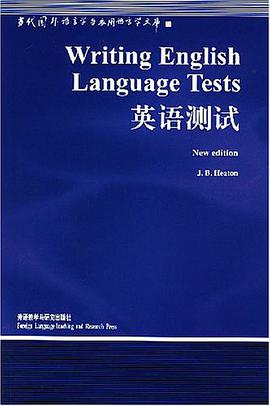
英语测试 豆瓣
作者:
J. B. Heaton
出版社:
外语教学与研究出版社
2000
- 8
Writing English Language Tests is for all teachers who write tests of English, from the classroom teacher writing for a particular class to the test constructor writing for an examination board. It gives detailed guidance on how to write, administer and score test questions, and how to avoid the pitfalls, It outlines the general principles of language testing, and shows how different types of test questions can be applied to different language tests.
The new edition of this well-established title reflects reccent development in language testing techniques, and contains a more comprehensive selection of sample test items from current examinations and tests administered by the major exmining bodies.
The new edition of this well-established title reflects reccent development in language testing techniques, and contains a more comprehensive selection of sample test items from current examinations and tests administered by the major exmining bodies.
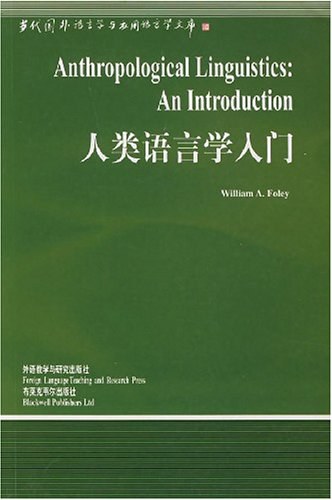
人类语言学入门 豆瓣
作者:
:[美]福利
出版社:
外语教学与研究出版社
2001
- 1
当代国外语言学与应用语言学文库》首批54种自2000年9月问世以来,取得很大成功,首印5000套供不应求,10月份便分开重印6000套。能在短短的几个月内出版发行如此宏大规模的语言学著作,这在我国学术出版发行史上是不多见的。自出版以来,许多单位和个人争相订购,研究生和大学生生把《文库》视为良师益友,教师无论老中青都把《文库》视为知识更新的源泉。实践证明,外研社推出的《文库》受到了国内语言学界和外语教学界的普遍好评,它将成为推动我国语言学教学与研究和外语教学与研究的一个宝库。
在成功出版《文库》首批54种的基础上,外研社现在又推出《文库》第二批58种。《文库》第二批具有五大特色:一、由58部英文原著组成,所覆盖的学科从首批的26个增加到现在的33个,新增学科包括语言学史、语言哲学、认知语言学、人类语言学、语言的起源、语法化学说等,能更广泛地满足读者的需求;二、收入了当代语言学大师索绪尔、萨丕尔、布龙菲尔德、韩礼德、乔姆斯基、奥斯汀、格莱斯、利奇等名家的最有影响的伤口具有更高的权威性;三、增加了牛津大学出版社、哈佛大学出版社等世界知名出版社出版的语言学经典著作;四、依然配有专家导读,专家的队伍比首批更为强大;五、世界著名语言学家乔姆斯基教授和我国著名语言学家沈家煊教授作序。
本《文库》是一个大型的、开放性的系列丛书,它将对我国语言教学与研究和外语教学与研究起到积极的推动作用。今后,外研社还将继续引进,争取把国外最新的、最具影响的语言学和应用语言学著作不断地奉献给广大读者。
在成功出版《文库》首批54种的基础上,外研社现在又推出《文库》第二批58种。《文库》第二批具有五大特色:一、由58部英文原著组成,所覆盖的学科从首批的26个增加到现在的33个,新增学科包括语言学史、语言哲学、认知语言学、人类语言学、语言的起源、语法化学说等,能更广泛地满足读者的需求;二、收入了当代语言学大师索绪尔、萨丕尔、布龙菲尔德、韩礼德、乔姆斯基、奥斯汀、格莱斯、利奇等名家的最有影响的伤口具有更高的权威性;三、增加了牛津大学出版社、哈佛大学出版社等世界知名出版社出版的语言学经典著作;四、依然配有专家导读,专家的队伍比首批更为强大;五、世界著名语言学家乔姆斯基教授和我国著名语言学家沈家煊教授作序。
本《文库》是一个大型的、开放性的系列丛书,它将对我国语言教学与研究和外语教学与研究起到积极的推动作用。今后,外研社还将继续引进,争取把国外最新的、最具影响的语言学和应用语言学著作不断地奉献给广大读者。
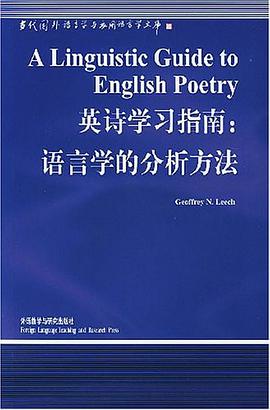
英诗学习指南 豆瓣
A Linguistic Guide to English Poetry
作者:
(英)利奇(Geoffrey N.Leech)
译者:
秦秀白 导读
出版社:
外语教研
2001
- 10
在编辑这个文库时,我们在两方面下了功夫。 一方面,在选书时,我们求全,求新,求有代表性和前瞻性。我们不偏爱一家之言,也不只收一家外国出版社之书。语言学与应用语言学的主干学科固然受到了应有的重视,分支学科可也不忽视。语料语言学、语言统计学是新兴学科,我们收入了专著;句法学、语义学久已有人研究,我们也找到了有关的最新著作。 另一方面,我们邀请了国内知名的博士生导师、硕士生导师为各书撰文导读,为读者铺平道路。语言学和应用语言学专著包罗宏富,初学者读起来可能觉得茫无头绪。为了助他们一臂之力,本文库中每一种书我们都请专家写了一万字左右的导读材料。哪怕书中内容比较陌生,谁只要在读书前看一下导读材料,读书后把材料再看一遍,一定能弄清脉络,掌握要点。
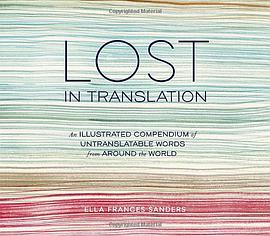
Lost in Translation 豆瓣
作者:
Ella Frances Sanders
出版社:
Ten Speed Press
2014
- 9
Introduction
How you do introduce the untranslatable?
In our highly connected and communicative world, we have more ways than ever to express ourselves, to tell others how we feel, and to explain the importance or insignificance of our days. The speed and frequency of our exchanges leave just enough room for misunderstandings, though, and now perhaps more than ever before, what we actually mean to say gets lost in translation. The ability to communicate more frequently and faster hasn't eliminated the potential for leaving gaps between meaning and interpretation, and emotions and intentions are misread all too often.
The words in this book may be answers to questions you didn't even know to ask, and perhaps some you did. They might pinpoint emotions and experiences that seemed elusive and indescribable, or they may cause you to remember a person you'd long forgotten. If you take something away from this book other than some brilliant conversation starters, let it be the realization (or affirmation) that you are human, that you are fundamentally, intrinsically bound to every single person on the planet with language and with feelings.
As much as we like to differentiate ourselves, to feel like individuals and rave on about expression and freedom and the experiences that are unique to each one of us, we are all made of the same stuff. We laugh and cry in much the same way, we learn words and then forget them, we meet people from places and cultures different from our own and yet somehow we understand the lives they are living. Language wraps its understanding and punctuation around us all, tempting us to cross boundaries and helping us to comprehend the impossibly difficult questions that life relentlessly throws at us.
Languages aren't unchanging, though they can sometimes hold a false sense of permanence. They do evolve and occasionally die, and whether you speak a few words of one or a thousand words of many, they help to shape us—they give us the ability to voice an opinion, to express love or frustration, to change someone's mind.
For me, making this book has been more than a creative process. It's caused me to look at human nature in an entirely new way, and I find myself recognizing these nouns, adjectives, and verbs in the people I walk by on the street. I see boketto in the eyes of an old man sitting at the ocean's edge, and the resfeber that has taken over the hearts of friends as they prepare to journey across the world to an unknown culture.
I hope this book helps you find a few long-lost parts of yourself, that it brings to mind fond memories, or that it helps put into words thoughts and feelings that you could never clearly express before. Perhaps you'll find the word that perfectly describes your second cousin once removed, the way you felt two summers ago that you were never able to fully describe, or the look in the eyes of the person sitting across from you right now.
Eckhart Tolle wrote, "Words reduce reality to something the human mind can grasp, which isn't very much." I'm hesitant to agree. Words allow us to grasp and hold onto an extraordinary amount. Sure, all languages can be picked apart and reduced to just a few vowels or symbols or sounds, but the ability that language gives us is incredibly complex. There may be some small essential gaps in your mother tongue, but never fear: you can look to other languages to define what you're feeling, and these pages are your starting point.
So go and get lost in translation.
How you do introduce the untranslatable?
In our highly connected and communicative world, we have more ways than ever to express ourselves, to tell others how we feel, and to explain the importance or insignificance of our days. The speed and frequency of our exchanges leave just enough room for misunderstandings, though, and now perhaps more than ever before, what we actually mean to say gets lost in translation. The ability to communicate more frequently and faster hasn't eliminated the potential for leaving gaps between meaning and interpretation, and emotions and intentions are misread all too often.
The words in this book may be answers to questions you didn't even know to ask, and perhaps some you did. They might pinpoint emotions and experiences that seemed elusive and indescribable, or they may cause you to remember a person you'd long forgotten. If you take something away from this book other than some brilliant conversation starters, let it be the realization (or affirmation) that you are human, that you are fundamentally, intrinsically bound to every single person on the planet with language and with feelings.
As much as we like to differentiate ourselves, to feel like individuals and rave on about expression and freedom and the experiences that are unique to each one of us, we are all made of the same stuff. We laugh and cry in much the same way, we learn words and then forget them, we meet people from places and cultures different from our own and yet somehow we understand the lives they are living. Language wraps its understanding and punctuation around us all, tempting us to cross boundaries and helping us to comprehend the impossibly difficult questions that life relentlessly throws at us.
Languages aren't unchanging, though they can sometimes hold a false sense of permanence. They do evolve and occasionally die, and whether you speak a few words of one or a thousand words of many, they help to shape us—they give us the ability to voice an opinion, to express love or frustration, to change someone's mind.
For me, making this book has been more than a creative process. It's caused me to look at human nature in an entirely new way, and I find myself recognizing these nouns, adjectives, and verbs in the people I walk by on the street. I see boketto in the eyes of an old man sitting at the ocean's edge, and the resfeber that has taken over the hearts of friends as they prepare to journey across the world to an unknown culture.
I hope this book helps you find a few long-lost parts of yourself, that it brings to mind fond memories, or that it helps put into words thoughts and feelings that you could never clearly express before. Perhaps you'll find the word that perfectly describes your second cousin once removed, the way you felt two summers ago that you were never able to fully describe, or the look in the eyes of the person sitting across from you right now.
Eckhart Tolle wrote, "Words reduce reality to something the human mind can grasp, which isn't very much." I'm hesitant to agree. Words allow us to grasp and hold onto an extraordinary amount. Sure, all languages can be picked apart and reduced to just a few vowels or symbols or sounds, but the ability that language gives us is incredibly complex. There may be some small essential gaps in your mother tongue, but never fear: you can look to other languages to define what you're feeling, and these pages are your starting point.
So go and get lost in translation.