古典
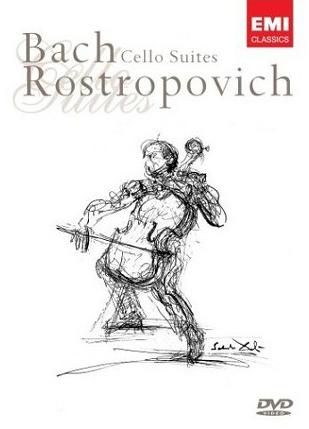
巴赫无伴奏大提琴组曲(罗斯特罗波维奇) 豆瓣
9.6 (18 个评分) 姆斯蒂斯拉夫·列奥波尔多维奇·罗斯托罗波维奇(Mstislav Leopoldovich Rostropovich1927~2007 ) 类型: 古典
发布日期 1996年1月16日 出版发行: EMI Classics
Penguin Guide Rosette.
This is one of the most important recordings of the 20th century, both for its content (considered by many the greatest cello music of all time) and for the intense devotion, careful preparation, and towering technical skill that went into the project. It was a brilliant idea to make a video as well as an audio recording. Cellists will welcome the chance to study Rostropovich's bowing and fingering techniques, close up and at leisure. And music-lovers will welcome the visuals of the recording location, a French church whose architecture, statues, and flickering candles complement the music.
Mstislav Rostropovich knew, loved and practiced the Bach suites from his teen years, when the legendary Pablo Casals gave him a private performance of one of them. But he did not feel ready to record the complete set until he was 63 years old. Then he found an ideal location for the recording; he carefully chose his recording technicians, and he supervised the sessions besides playing the cello as only he can. Each note is carefully considered and given its unique shape. The music's structures are made clear, its emotional overtones powerfully conveyed. The conventional structure of a baroque suite--an elaborate overture followed by a series of dances--comes vigorously to life. And Rostropovich gives a spoken introduction to each suite (in Russian, with English subtitles) playing illustrative passages on the piano or organ.
The result may appeal mostly to specialized tastes (unaccompanied cello is not everyone's cup of tea), but this video is a landmark. --Joe McLellan
"Chopin: Piano Sonatas Nos. 2 & 3; Nocturnes; Berceuse; Barcarolle" 豆瓣
Marc-André Hamelin 类型: 古典
发布日期 2008年1月1日 出版发行: HYPERION
It is great to have award-winning Marc-André Hamelin back in the studio, returning to one of his favorite venues the Henry Wood Hall. Recent discs from him have focused on music which is either under-recorded or technically superhuman or both. It is particularly fitting that this French-Canadian pianist has chosen an ‘all Chopin’ recital for this latest Hyperion project. It was not long ago in November and December 2008 when Hamelin appeared in Toronto’s Jane Mallet Theatre and Hong Kong’s City Hall and performed selections of these works in recitals which I attended. I reviewed the latter of these here. It has taken Hamelin well over a decade with Hyperion before he has found it apt to turn his attention to the two mainstays of the Romantic repertoire: Chopin’s Piano Sonatas Nos. 2 and 3, and particularly with the former. It has been nearly fifteen-years since he last recorded the B Flat Minor Sonata which took place in Montréal for the Canadian Port-Royal label. By comparison the results today sound more vibrant and youthful than ever, and they have been stunningly recorded by Hyperion recording engineer Simon Eadon and producer Andrew Keener.
Who else but Marc-André Hamelin can open an all-Chopin recital with the gentle, extraordinarily colouristic Berceuse and get away with it? The pianist quickly puts listeners in his confidence with his silky legato, impeccable balance between the hands, and discerning rubatos. Perahia and Kempff may boast more tonal shimmer, yet Hamelin impresses with his introspective approach.
Completed in 1839, the Piano Sonata No. 2 in B flat minor is most commonly referred to as the ‘Marche funèbre’, owing to the intense mournful mood of the celebrated third movement. In the first, one notices Hamelin’s austere and forthright playing. The dreamy dusk-like quality of the contrasting lyrical second theme is remarkable. The Scherzo feels like a frightening and reckless chase that Hamelin follows with contrasting passages of wistful introspection. It is difficult to imagine a more somber, controlled and assured quality to the “Funeral March”. The fragrant Elegy at 2:38-4:44 is reminiscent of a serene and tender scene from a child’s nursery. I enjoyed the short and enigmatic final Presto where Hamelin’s passagework balances brutal torment with uncontrollable fever.
This disc is interspersed with some of Chopin’s greatest single-movement works which start with the D Flat Major Berceuse. The Op.27 Nocturnes come across as lyrical vocalizes - beautifully arched by left-hand accompaniments. The weakness comes from Hamelin’s Barcarolle, which falls short in his use of agogic and fluctuations of rhythm compared to celebrated readings of Dong Thai Son or Fou Ts’ong, pianists whose Barcarolles were characterized by great nobility and magnificent technical fluency.
Better by far was Chopin's B Minor Sonata. Hamelin brings to the work to life though his innate musicality and his ability to voice the inner parts. A further gain lies in the remarkable amplitude and sensitivity he draws from the Steinway piano; this even in the quietest of passages. The Scherzo second movement, minimally pedaled unlike his interpretation from Hong Kong last December, had wings, its reprise subtly varied and feather-light. The Largo third movement, like a benediction, lifts the mind and heart. The finale's unleashed menace was fully realized; when the floodgates finally opened, there was absolutely no doubt as to where the work's one real climax lay.
Hamelin’s Chopin recital all-in-all is characterized by innate musicality, great nobility and magnificent technical command. I found the sound quality pleasingly realistic. The liner-notes from Jim Samson are educational and offered me a Saturday afternoon where I learnt new things about Chopin.
德彪西:牧神午后前奏曲、夜曲、大海 豆瓣
Ashkenazy/Cleveland Orchestra 类型: 古典
发布日期 1987年1月1日 出版发行: DECCA - LONDON
作曲家简介:
克洛德·德彪西(Claude Debussy)
1862年8月22日出生在圣日尔曼昂莱。他的父亲是个小商人,曾参加过巴黎公社武装起来。德彪西从小随父母学习音乐,十一岁入巴黎音乐学院学习钢琴和作曲,毕业后,任俄国富孀梅克夫人的家庭音乐教员,并随她出访过许多国家。1884年,德彪西因创作大合唱《浪子》成功而获得罗马奖金,被送往罗马深造。
德彪西早期作品继承浪漫主义传统创作的手法。自从他接触俄罗斯“旨力停车”作品,并在“万国博览会”上听到东方音乐之后,深受启发。后来,他对印象主义绘画及诗歌发生兴趣,决心在音乐上创造新的表现手法。这种手法和印象派绘画手法相似,即是用淡淡的色彩,描绘出一种气氛或反映人对某一自吹自擂接触时头脑里产生的印象。他把和声作为丰富色彩的一种手段,经常省略三和弦,多用九和弦、全音音阶、七和弦的平行进行和四度、五度的空泛音。他还有意识地冲破常规节拍,用比较自由的节奏、宽广的音域。在德彪西的创作中,注重色彩性,布局十分细腻,从而扩大了音乐的表现手段。在德彪西的影响下,很多作曲家接受了他的观点,象拉威尔、杜卡都是印象乐派的代表人物。
德彪西的作品主要是钢琴曲,管弦乐不多,他的代表作有管弦乐:《牧神午后前奏曲》、《意象》、《夜曲》、《大海》,《前奏曲集》等。此外,他还作有论文集《克罗士先生》等。
1918年3月15日,德彪西在巴黎死于癌症,享年五十五岁。
在三十余年的创作生涯里,他形成了一种被称为“印象主义”的音乐风格,对欧美各国的音乐产生了很深远的影响。
作品简介:
《牧神午后前奏曲》
这首梦幻一般的交响诗《牧神午后前奏曲》是德彪西的第一部具有代表性的印象主义作品,可以认为,德彪西通过这一音诗而开创了一个新的时代,因而此曲被后人誉为"德彪西的第一颗管弦乐定时炸弹"。从这个标题可以知道,他的音乐是受他的朋友斯蒂芬·马拉美的著名诗篇启发而写的《牧神午后》。虽然这首短小的音诗以其异国情调的旋律和难以捉摸的和声使许多听众困惑不解,但是,另人感到惊奇的是,它获得了普遍的赞赏,始终是作者最脍炙人口的管弦乐杰作之一。
作品分三个段落。
开始,由一支长笛吹奏出一段牧歌风的音调,这个曲调在乐曲里反复出现。它在不断变化的伴奏陪衬下,给人一种飘浮不定的、梦幻般的意境。
主题先由双簧管演奏。它的曲调甜美、热情。描绘牧神和维纳斯女神在一起的情景;其它木管和弦乐接着奏出更加优美的曲调,表现牧神生活在甜蜜的爱情之中;梦境里发生的一切,一个一个地消逝了。牧神又回到朦朦胧胧的睡意之中,他感到疲倦、孤独。
最后,竖琴下行音引出圆号和弦,结束全曲。
《夜曲》
作于1897—1899年。这首作品据说是受怀斯勒《黑色与金色的夜曲与焰火》(作于1874年)及斯因邦的诗《夜曲》(作于1876年)的影响,德彪西自己这样说明:“夜曲的标题,在这里应作较一般性,尤其是较富装饰意味的解释。它不采用夜曲惯有的形态,而以特殊的印象与光影为焦点,烘托出所包括的所有意象。”其中共包括《云》、《节日》和《海妖》3段,均为3段体。《云》为以淡彩描绘而成的一种前奏曲。《节日》为谐谑曲风格,其热闹气氛是五度音程充满活力的伴奏音型引导下呈示的主题。当竖琴的上行滑奏有如烟火般灿烂辉煌时,天上有云彩在移动,最后是一支队伍的走近,主题回想后,队伍远去,倦怠随之而来。《海妖》以波状旋律的女声合唱为主要主题,合唱无歌词,只是一种发音,它表达的是女妖那种妖惑而又独具魅力,足以使船只沉没,水手置于死地的神秘力量。德彪西对这3曲的解说为:“《云》是天空中常有的情景,柔软,洁白如絮,消失于灰色的苦恼之间的云。它悠缓、宁静的移动姿态仿佛就在眼前。《节日》如耀眼炫目的强光突然涌现,以独具舞蹈气氛的旋律、节奏来表现。有插入乐句表示参加节日庆典而加入其中的游行(眩惑如梦般的幻影)。游行的基调以后仍连续不断地出现,这是节日庆典,由音乐和整体节奏呈现华丽灿烂而又尘土飞扬的热闹节庆场面。《海妖》里可以听到海的音乐,以及无限细致的节奏。在月光映照下,海面波光粼粼,远远可以听到海妖的神秘喧闹的歌声。”
《大海》
作于1903—1905年,在此期间,德彪西先在其妻丽莉家开始动笔,1904年他抛弃了丽莉,与艾玛私奔泽西岛,在艾玛身边完成了配器。德彪西认为,此曲创作源于记忆:“大海为什么在冲刷着布尔果尼的斜坡?我拥有数不清的记忆。这些在我的感觉里比实景更有用。因为现实的魅力对于思考,一般来说还是一项过于沉重的负担。”“谁会知道音乐创造的秘密?那海的声音,海空划出的曲线,绿荫深处的拂面清风,小鸟啼啭的歌声,这些无不在我心中形成富丽多变的印象。突然,这些意象会毫无理由地,以记忆的一点向外围扩展,于是音乐出现了,其本身就自然含有和声。”《大海》所含3首交响素描分别为:1.从黎明到中午的大海,从大海在黎明时的安详开头,由一个描述海妖的简单双音开始展开部,其中多天空与云彩、阳光在海上千变万化的光影的描述。近结束时,有一个平静的众赞歌乐句。2.浪的嬉戏,表现海的戏谑的盛怒中,水花涌现出的各种色彩。3.风与海的对话,似乎暴风雨将至,但又一切猝然沉寂。只听到远处而来,越来越强的海妖之歌,最后众赞歌在欢腾的高潮中重现。巴托克认为,“德彪西在《大海》中,构思出一套新的发展方式,其呈示和发展的观念共同存在于不断涌出之中。这种涌出使作品无须乞灵于预先设定的任何形式,只凭借它本身的力量向前推进。”巴托克认为,《从黎明到中午的大海》有一个诸动机依次出现,成为无从把握的半连的导入部,形成乐章的基本要素。不同寻常的调性,形成相互依存的调性关系,赋格式主题形成多重要素组合的“混合型调式”,像是表现大海呼吸的节奏。《浪的嬉戏》中,“就像是澎湃的波浪卷起的形态,其音乐时间几乎完全无法捕捉。它借不断的轮流来延续,看似要溃解,消失,不断又再度涌现。”《风与浪的对话》以引进分化的手法,表现两种力的关系。“明示出构造上的意义”。
(以上资源来自互联网,谨此表示感谢)
春天的十七个瞬间 电视原声 豆瓣
Микаэл Таривердиев / Mikael Tariverdiev
一定要写点什么?这个就是春天的十七个瞬间的原声,给需要的人下载吧。我认为缪勒的配音是最好的。
献给喜爱这部片子的人。Stirlitz仍然活在我们心中,祝Tikhonov高寿。
鸣谢Vania的帖子,我已修改了乱码,增加了M3U。压缩包名字没有用俄语 怕乱码,里面是俄语名。
作曲:Микаэл Таривердиев
莫斯科电影制片厂摄制的12集电视电影《春天的17个瞬间》堪称是一部“经典之作",该片在前苏联播出时竟出现了万人空巷、影院上座率大幅下降的奇特现象。80年代末,《春天的17个瞬间》在中央电视台播出后也同样受到我国观众的热烈欢迎,孤胆英雄施季里茨勇闯虎穴、智斗群魔的故事情节把观众带入了那硝烟弥漫的战争往事中……
《春天的17个瞬间》描写了1945年的春天,潜伏在德国帝国保安局第6处20年之久的苏军侦察员施季里茨突然接到总部指示,要他设法查清德国党卫军高级军官与美、英单独媾和的情况,并查清与西方谈判的神秘人物是谁。在联络电台遭破坏、报务员被炸身亡、无法与上级再次联系的情况下,施季里茨冒着被敌人怀疑、监视的危险,经过17天惊心动魄的斗智斗勇,终于得到了德国党卫队参谋长沃尔夫与美、英司令部代表在瑞士伯尔尼秘密谈和的情报,使苏联政府及时揭露了敌人的阴谋。就在他即将凯旋与分别20年的妻子团聚时,上级却希望他继续潜伏……
《春天的17个瞬间》被人们誉为“非凡的影片,它甚至使那些惯于吹毛求疵地把影片同历史进行对照的人,也不由得倾倒于影片的魅力。"编导出色地把纪实手法与艺术虚构融合在一起。影片的故事情节以施季里茨调查法西斯上层人物与西方秘密谈判媾和为核心,却又以他与德国党卫军的周旋以及党卫军内部的斗争为线索,剥丝抽茧、层层推进,全片不见“历史瞬间"的快速闪过,而是以慢节奏细腻展现主人公的斗争历程,使纪实性、戏剧性、历史性得以完美统一。
施季里茨是全剧着力塑造的英雄人物,他富有斗争经验、充满智慧,有着坚定的信仰和不畏艰险、视死如归的革命英雄主义精神,因而能在敌营中一次次完成总部交给的任务。著名演员吉洪诺夫在该片中的表演沉稳、乾练、富有内在的激情,具有强烈的历史感和时代气息。同时,导演还运用闪回、内心独白和细微的动作刻画人物复杂的内心世界,片中施季里茨与分别10年之久的妻子在咖啡馆里秘密会面时,为了不被敌人察觉,他们佯装成陌生人,隔桌遥相对视,在20分钟里一言不发,完全靠眼睛这扇“心灵的窗户"将人物内心强忍的离别痛苦和无限思念之情表达出来。
由于《春天的17个瞬间》在艺术上取得的突出成就,该片编剧、导演、摄影、美术以及主要演员吉洪诺夫、波罗涅沃依集体荣获1974年俄罗斯联邦国家奖金。
中国民族音乐大师系列-刘德海 豆瓣
刘德海
出版发行: 中国唱片上海公司
《民乐大师5琵琶演奏刘德海》收录的是当代著名琵琵演奏家刘德海的作品。著名琵琶演奏家刘德海具备了精深的音乐修养,在准确细腻地表现乐曲内涵、表达高雅的高乐意境时更胜人一筹。他兼收并蓄,博采众长,是新中国培养的琵琶演奏艺术的代表,深受海内外乐迷的喜爱。

中国的民族音乐源远流长,流派林立,20世纪涌现出不少优秀的作曲家、演奏家。为弘扬中华优秀的民族文化,中唱上海公司特别推出《中国民族音乐大师系列》,全集15张CD,该系列所辑录的乐曲均为我国民族音乐大师的名作极品。

01 霸王卸甲
02 夕阳箫鼓
03 平沙落雁
04 大浪淘沙
05 塞上曲
06 彝族舞曲
07 琵琶协奏曲《草原小姐妹》
Bach Recital 豆瓣
9.8 (8 个评分) Stanislav Bunin 类型: 古典
发布日期 2008年12月2日 出版发行: EMIMUSIC JAPAN
透明で軽やかなタッチ、しなやかな音楽性で一大ブームを巻き起こしていた頃の、ブーニンのバッハ演奏です。バッハの鍵盤作品には様々な演奏の可能性があり、実際に様々な個性の演奏が存在するのですが、ここで聴けるのはまぎれもないブーニンの「個性」です。近年のチェンバロを意識した古楽的な奏法とは異なり、鳴らすべき所では開放的にピアノを鳴らした、ピアニスティックなバッハであり、それが少しも嫌みにならない独特の魅力を湛えています。(東芝EMI)
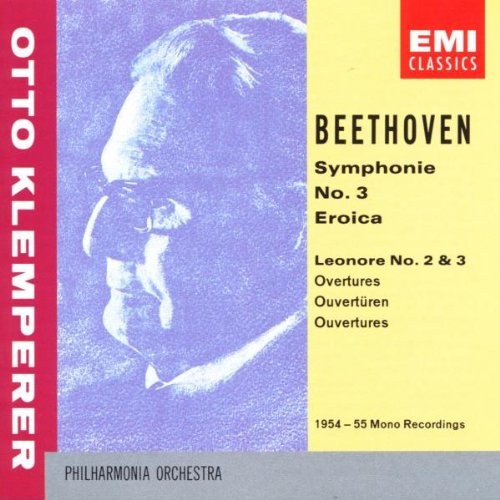
Beethoven: Symphony No.3 'Eroica', Overtures: Leonore 2 & 3 豆瓣
10.0 (5 个评分) Beethoven / Klemperer 类型: 古典
发布日期 1991年8月16日 出版发行: Capitol
Klemperer“克伦佩勒”。1885年5月14日出生于布雷斯劳(Breslau, 现属波兰)一个犹太家庭。16岁进入法兰克福音乐学院随克诺尔(Ivan Knorr)学习。后转入柏林的克林德沃特·沙尔文卡音乐学院(Klindworth Scharwenka Conservatory),随普菲茨纳(H.E.Pfitzner)学习作曲和指挥。1905年担任指挥家弗里德(Oskar Fried)的助手。1907年,在马勒的推荐下,出任布拉格的德国歌剧院(Deutsches Landestheater)指挥。随后在汉堡(1910-1912)、巴门(1913-1914)、斯特拉斯堡(1914-1917)、科隆(1917-1924)、威斯巴登(1924-1927)等地歌剧院担任指挥。1927年出任柏林克罗尔(Kroll)歌剧院音乐总监兼指挥,不久便确立了剧院先锋派文化据点的地位。1931年,克罗尔歌剧院因政治压力和经济拮据被迫关闭,克伦佩雷尔加盟柏林国家歌剧院。两年后纳粹执政,他被迫流亡国外,举家逃往奥地利、瑞士。后移居美国,出任洛杉矶爱乐乐团指挥,短短六年使乐团达到世界一流水平。二战期间加入美国籍。1947-1950年就任布达佩斯歌剧院音乐总监兼指挥。后回到伦敦,加盟 EMI 唱片公司的爱乐乐团,并与 EMI 签约录制了大量优秀唱片,这使他晚年终于跻身本世纪指挥大师的行列。1960年代,他还在伦敦皇家歌剧院指挥演出过《费德利奥》(1961) 、《魔笛》(1962) 、《罗恩格林》(1963)等歌剧。1970年移居耶路撒冷,并加入以色列国籍。1973年7月6日病逝于瑞士苏黎世。
克伦佩雷尔一生历尽苦难。1933年被纳粹驱逐前不久,在一次排练中不慎跌倒,头部严重撞伤,留下后遗症,曾一度离开乐坛;1939年他作了脑瘤切除手术,导致半身瘫痪,暂停指挥活动;1951年蒙特利尔机场飞机失事,他右腿严重骨折,四年康复后,坐轮椅指挥;1958年一场火灾,他全身严重灼伤,几乎丧命。但他以惊人的毅力战胜不幸,重新站立在指挥台上。
克伦佩雷尔的指挥以严格遵守音乐文本而着称,从不哗众取宠。人们给予他这样评论:“希腊式的古典,犹太传统,中世纪基督教精神,德国浪漫主义,我们时代的现实主义,总合成为克伦佩雷尔这个艺术现象。”
克伦佩雷尔一生留下了大量的录音。在1998年他逝世25周年之际,EMI 公司陆续推出了“克伦佩雷尔传奇”系列(The Klemperer Legacy),以纪念这位伟大的指挥家。迄今已出版了数十个品种。
除指挥之外,他还作有6部交响曲、9部弦乐4重奏、1部小提琴协奏曲、5部歌剧、100多首歌曲,并着有《回忆马勒》(1960年)等着作。(from very cd)
Schubert: Sonatas D. 894 & 960 豆瓣
9.6 (14 个评分) Grigory Sokolov 类型: 古典
发布日期 2003年10月14日 出版发行: Naive
Grigory Lipmanovich Sokolov born April 18, 1950, is a Russian concert pianist. He is among the most esteemed of living pianists, his repertoire spanning composers from the Baroque period such as Bach, Couperin or Rameau up to Schoenberg and Arapov. He regularly tours Europe, and resides in Italy.
Beethoven Piano Sonatas Vol.8 豆瓣
Schiff 类型: 古典
发布日期 2008年9月26日 出版发行: ECM Records
This is the eagerly awaited final instalment of András Schiff's acclaimed complete Beethoven cycle. Collectors can now finally explore the extraordinary interpretative and editorial qualities of this cycle in full.Schiff's much-admired art of musical characterisation is particularly evident in these last six sonatas that combine dramatic and symphonic grandeur with intimate beauty. As Schiff completed his Beethoven performances at the Tonhalle in Zurich where all 8 volumes have been recorded live, a journalist wrote "This was a Beethoven which transfixed the audience with its Apollonian balance, its subtly hued sonic and dynamic differentiation, depth of thought and technical command...The three sonatas sounded like a quintessence of pure late style, otherworldly as if made from precious marble" Schiff's reading of the musical texts is personal and charismatic, yet extremely thorough, offering many revealing new insights.
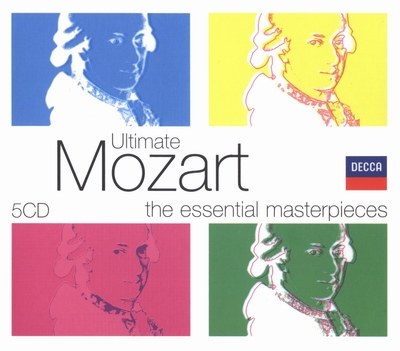
Ultimate Mozart Classic performances of the essential masterpieces 豆瓣
9.6 (14 个评分) Academy of St. Martin in the Fields / Chamber Orchestra of Europe 类型: 古典
发布日期 2006年1月1日 出版发行: Decca
ALBUM WORKS:
Wolfgang Amadeus Mozart (1756 - 1791)
Symphony no 40 in G minor, K 550
Conductor: Sir Solti
Ensemble: Chamber Orchestra of Europe
Period: Classical
Form: Symphony
Written: 1788
Country: Vienna, Austria
Studio/Live: Studio
Wolfgang Amadeus Mozart (1756 - 1791)
Symphony no 41 in C major, K 551 "Jupiter"
Conductor: Sir Solti
Ensemble: Chamber Orchestra of Europe
Period: Classical
Form: Symphony
Written: 1788
Country: Vienna, Austria
Studio/Live: Studio
Wolfgang Amadeus Mozart (1756 - 1791)
Concerto for Piano no 21 in C major, K 467
Performer: Vladimir Ashkenazy (Piano)
Conductor: Vladimir Ashkenazy
Ensemble: Philharmonia Orchestra
Period: Classical
Form: Concerto
Written: 1785
Country: Vienna, Austria
Studio/Live: Studio
Amsterdam Mozart Ensemble
Rondo in A Minor, K. 511
Performer: Vladimir Ashkenazy (Piano)
Conductor: Vladimir Ashkenazy
Ensemble: Philharmonia Orchestra
Studio/Live: Studio
Wolfgang Amadeus Mozart (1756 - 1791)
Concerto for Piano no 20 in D minor, K 466
Performer: Vladimir Ashkenazy (Piano)
Conductor: Vladimir Ashkenazy
Ensemble: Philharmonia Orchestra
Period: Classical
Form: Concerto
Written: 1785
Country: Vienna, Austria
Studio/Live: Studio
Wolfgang Amadeus Mozart (1756 - 1791)
Concerto for Clarinet in A major, K 622
Conductor: Neville Marriner
Ensemble: Academy of St. Martin in the Fields
Period: Classical
Form: Concerto
Written: 1791
Country: Vienna, Austria
Studio/Live: Studio
Wolfgang Amadeus Mozart (1756 - 1791)
Concerto for Flute and Harp in C major, K 299 (297c)
Conductor: Neville Marriner
Ensemble: Academy of St. Martin in the Fields
Period: Classical
Form: Concerto
Written: 1778
Country: Paris, France
Studio/Live: Studio
Wolfgang Amadeus Mozart (1756 - 1791)
Concerto for Horn no 4 in E flat major, K 495
Conductor: Neville Marriner
Ensemble: Academy of St. Martin in the Fields
Period: Classical
Form: Concerto
Written: 1786
Country: Vienna, Austria
Studio/Live: Studio
Wolfgang Amadeus Mozart (1756 - 1791)
Requiem in D minor, K 626
Conductor: Peter Schreier
Ensemble: Leipzig Radio Chorus
Period: Classical
Form: Requiem
Written: 1791
Country: Vienna, Austria
Studio/Live: Studio
Wolfgang Amadeus Mozart (1756 - 1791)
Mass in C major, K 317 "Coronation"
Conductor: Peter Schreier
Ensemble: Leipzig Radio Chorus
Period: Classical
Form: Mass
Written: 1779
Country: Salzburg, Austria
Studio/Live: Studio
Wolfgang Amadeus Mozart (1756 - 1791)
Ave verum corpus in D major, K 618
Conductor: Peter Schreier
Ensemble: Leipzig Radio Chorus
Period: Classical
Form: Motet
Written: 1791
Country: Baden, Austria
Studio/Live: Studio
回到基本 豆瓣
Ryuichi Sakamoto 类型: 古典
发布日期 2019年2月26日 出版发行: MILAN
Ryuichi Sakamoto’s ravishing and rare solo piano suite ‘BTTB’ is finally issued on vinyl - expanded, reshuffled, and newly replete with liner notes by none other than Haruki Murakami. Trust it’s swoon-worthy stuff.
Originally released in 1998 and hard to get hold of outside of Japan, ‘BTTB’, or ‘Back To The Basics’ is now reissued on 2LP to mark its 20th anniversary. It’s effectively a definitive edition of ‘BTTB’, reshuffled from the original 2LP pressing to also include ‘Energy Flow’ from the BTTB’ maxi-single, (which peaked at No.4 in the Japanese singles charts), as well as the slippery elegance of ‘Reversing’, both on the vinyl album for the first time.
Tech specs aside, this new edition is a sumptuous testament to Sakamoto’s effortlessly natural, poetic evocations of emotion, by then channelling some 30 years work as an arranger of classic synthpop (YMO, collabs with David Sylvian), and seminal soundtracks (Merry Christmas, Mr. Lawrence; The Last Emperor) into some of his most stripped down yet affective music, hovering on the line between precise, mindful composition and intuitively fluid improvisation.
While the majority of the material here features Sakamoto playing conventionally beautiful solo piano with magnificent highlights on the likes of ‘Opus’, he also extends into experimental, prepared piano on a handful of pieces, both serene and frantic, such as ‘Prelude’, ‘Sonata’ and ‘Uetax’, cannily resonating with Aphex Twin’s prepared piano pieces on ‘Drukqs’, which were released just two years later.
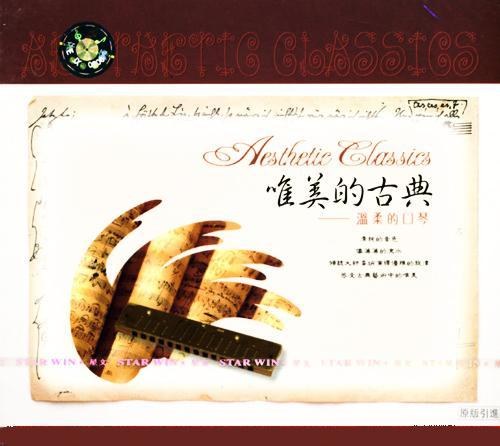
唯美的古典 - 温柔的口琴 豆瓣
ClaudeGarden 类型: 古典
发布日期 2004年1月1日
详细内容: 01.Badinerie 谐谑曲02.siciliam 西西里交纳03.sonata In C C大调奏鸣曲04.sonata 奏鸣曲05.Andante con variation 行板变奏曲06.3rd Romance(opus 94) 第三浪漫曲07.six R0manian Folk Dances 罗马尼亚舞曲08.Alexandra 亚历山大09.Portobello 波尔图贝罗10.Danoun's Lullaby 丹罗的摇篮曲11.Romanian Rhapsody 罗马尼亚狂想曲广告语: 睡眠,是生命活力的泉源。当压力过大时,便容易失眠。此时最重要的是缓解压力,使心神变得宁静。在十九世纪初期,音乐就已经被用来促进病人的睡眠。根据研究显示,某些音乐特有的旋律与节奏能使人的血压降低,基础代谢和呼吸的速度减慢,使人在受到压力时所产生的生理反应较为温和。西方国家将音乐配合医疗体系,广泛应用于各种心理及生理治疗之中,已不是新鲜的事了。 此辑精心挑选了十一首最适合于睡前聆听的古典名曲。清纯的音色,如薄薄的流水;倾听大师委婉演绎优雅的旋律,感受古典艺术的唯美,枕着大师的旋律入眠……
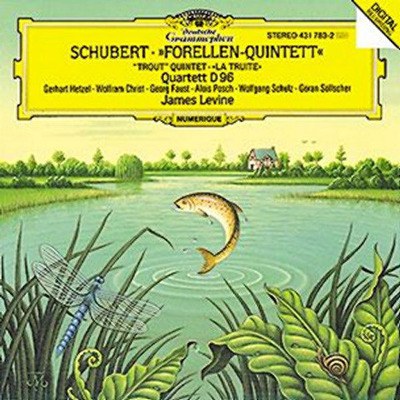
舒伯特:鳟鱼五重奏D 667;四重奏D 96 豆瓣
10.0 (8 个评分) James Levine 类型: 古典
发布日期 1993年9月1日 出版发行: Deutsche Grammophon
一.钢琴五重奏《鳟鱼》
这首五重奏,A大调,D667,作于1819年,其标题因其第四乐章变奏曲主题采自舒伯特1817年所作的歌曲《鳟鱼》旋律而命名。此曲乃舒伯特与其好友、男中音歌唱家佛格尔在北奥地利旅行时,受到博文加纳热情款待,因此而受博文加纳委托而作,首演于博文加纳府邸。其5个乐章为:
1.活泼的快板,A大调,古典奏鸣曲式。开头以钢琴弹奏三连音音型,起连接全曲的作用。先是第一主题的呈示与发展,然后经过部形成E大调,钢琴弹出第二主题,小提琴反复后进入呈示部小结尾。发展部在以附点4分音符及8分音符进行的新节奏伴奏下,小提琴以C大调奏第一主题,展开幻想追逐。再现部第一主题发展音型以D大调由钢琴再现,通过短小的尾奏而结束。
2.行板,F大调,由3个抒情的旋律组成。第一旋律为F大调,第二旋律为升F小调,第三旋律为D大调。然后第一旋律以降A大调,第二旋律为A小调,第三旋律为F大调重现,为巴赫、莫扎特的传统。
3.谐谑曲,急极,A大调,复合三段体。以弦乐与钢琴对答,再构成赋格。
4.小行板,D大调,主题与6段变奏。主题为歌曲《鳟鱼》,先以第一小提琴奏主题,弦乐陪衬。第一变奏把旋律分配给钢琴,弦乐琶音为衬托。第二变奏中提琴主奏,小提琴衬托,旋律移到低音提琴,钢琴奏复杂的快速经过句。第四变奏转调到三连音节奏,第五变奏也有转调,第六变奏和结尾使用原歌曲伴奏中钢琴的波浪音型。
5.快板,A大调,不完全的奏鸣曲式,其中流露着匈牙利色彩。
二.吉它,长笛,中提琴和大提琴四重奏
这是舒伯特为长笛、吉他、中提琴以及大提琴所作的四重奏,G大调,D96。该作品的手稿于1918年发现,并于1926年出版。从手稿的注释上来看,这部作品最初是以三重奏(长笛、吉他、中提琴)的形式写成的,大提琴部分是后来加进去的。这部四重奏有五个乐章:1)Moderato;2)Menuetto;3)Lento e patetico ;4)Zingara ;5)Tema con variazioni.
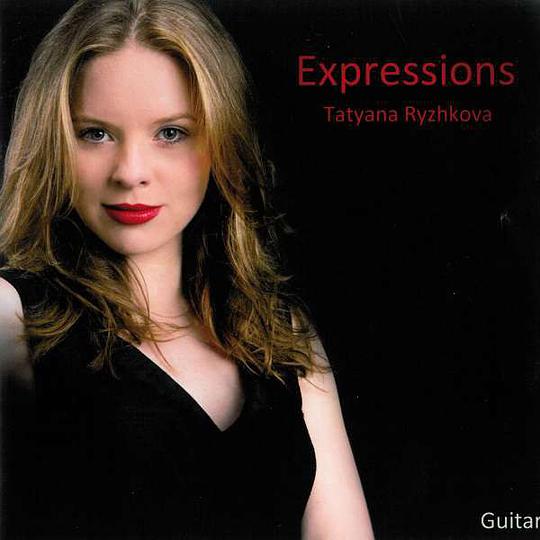
Expressions 豆瓣
Tatyana Ryzhkova 类型: 古典
发布日期 2013年2月1日 出版发行: ASS
2020年2月1日 在听
##podcast# 天书 特别节目 阿拉伯文明的前世 2020-01-25
Classical Guitar 古典