銀河是我的跑馬場捏! - 标记

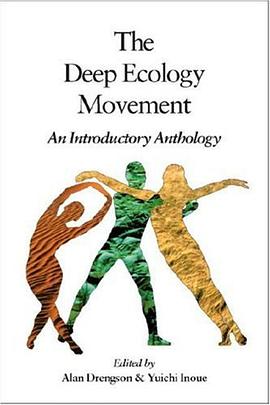
The Deep Ecology Movement 豆瓣
作者:
Alan Drengson
/
Yuichi Inoue
North Atlantic Books
1995
- 2
Deep ecology, a term coined by noted Norwegian philosopher Arne Naess, is a worldwide grassroots environmental movement that seeks to redress the shallow and piecemeal approache of technology-based ecology. Its followers share a profund respect for the earth's interrelated natural systems and a sense of urgency about the need to make profound cultural and social changes in order to respore and sustain the long-term health of the planet. This comprehensive introduction to the Deep Ecology movement brings tgether Naess' groundbreaking work with essays by environmental thinkers and activists responding to and expanding on its philosophical and practical aspects.
Contributors include George Sessions, Gary Snyder, Alan Drengson, Dll Devall, Freya Matthews, Warwick Fox, David Rothenberg, Michael E. Zimmerman, Patsy Hallen, Dolores LaChapelle, Pat Fleming, Joanna Macy, John Rodman, and Andrew Mclaughlin. The Authrs offer diverse viewpoints- from ecofeminist, scientific, and purely philosophical approaches to Christian, Buddhist, and Gandhian-based principles. Their essays show how social, technological, psychological, philosophical, and institutional issues are aall fundamentally related to our attitudes and values toward the natural world.
Contributors include George Sessions, Gary Snyder, Alan Drengson, Dll Devall, Freya Matthews, Warwick Fox, David Rothenberg, Michael E. Zimmerman, Patsy Hallen, Dolores LaChapelle, Pat Fleming, Joanna Macy, John Rodman, and Andrew Mclaughlin. The Authrs offer diverse viewpoints- from ecofeminist, scientific, and purely philosophical approaches to Christian, Buddhist, and Gandhian-based principles. Their essays show how social, technological, psychological, philosophical, and institutional issues are aall fundamentally related to our attitudes and values toward the natural world.
Chinese Environmental Ethics 豆瓣
作者:
Mayfair Yang
2021
- 11
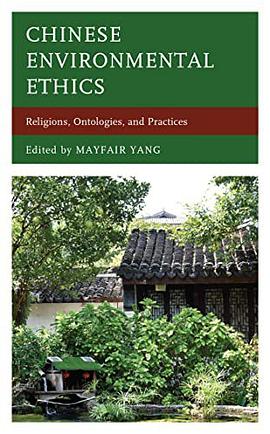
An interdisciplinary collection in the new field of environmental humanities, this volume brings together Chinese environmental ethics, religious ontology, and religious practice to explore how traditional Chinese religio-environmental ethics are actually put into social practice both in China’s past and present. It also examines how Chinese religious teachings offer a wealth of resources to the environmental project of forging new ontologies for humans co-existing with other living beings. Different chapters examine how: Buddhist ontology avoids anthropocentrism, fengshui (Chinese geomancy) can help protect the landscape from economic development, popular religion organizes tree-planting, ancient dream interpretation practices avoided constructing the possessive individual subjectivity of modern consumerism, Buddhist rituals and ethics promoted compassion for animals and modern recycling, Confucian ancestor rituals and tombs have deterred industrial expansion, and also how Daoism’s potential role to deter desertification in northern China was stymied by state operations in contemporary China.
A significant advance in the field of Chinese environmental anthropology, the outstanding scholars in this volume provide a unique and much needed contribution to the scholarship on China and the environment.
A significant advance in the field of Chinese environmental anthropology, the outstanding scholars in this volume provide a unique and much needed contribution to the scholarship on China and the environment.
Feeding Gotham 豆瓣
作者:
Gergely Baics
Princeton University Press
2018
New York City witnessed unparalleled growth in the first half of the nineteenth century, its population rising from thirty thousand people to nearly a million in a matter of decades. Feeding Gotham looks at how America’s first metropolis grappled with the challenge of provisioning its inhabitants. It tells the story of how access to food, once a public good, became a private matter left to free and unregulated markets—and of the profound consequences this had for American living standards and urban development.
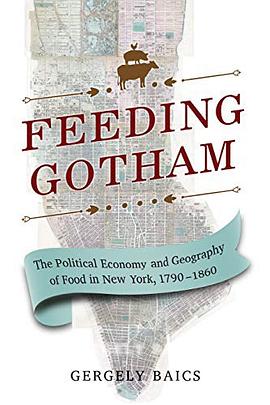
Taking readers from the early republic to the Civil War, Gergely Baics explores the changing dynamics of urban governance, market forces, and the built environment that defined New Yorkers’ experiences of supplying their households. He paints a vibrant portrait of the public debates that propelled New York from a tightly regulated public market to a free-market system of provisioning, and shows how deregulation had its social costs and benefits. Baics uses cutting-edge GIS mapping techniques to reconstruct New York’s changing food landscapes over half a century, following residents into neighborhood public markets, meat shops, and groceries across the city’s expanding territory. He lays bare how unequal access to adequate and healthy food supplies led to an increasingly differentiated urban environment.
A masterful blend of economic, social, and geographic history, Feeding Gotham traces how this highly fragmented geography of food access became a defining and enduring feature of the American city.
Taking readers from the early republic to the Civil War, Gergely Baics explores the changing dynamics of urban governance, market forces, and the built environment that defined New Yorkers’ experiences of supplying their households. He paints a vibrant portrait of the public debates that propelled New York from a tightly regulated public market to a free-market system of provisioning, and shows how deregulation had its social costs and benefits. Baics uses cutting-edge GIS mapping techniques to reconstruct New York’s changing food landscapes over half a century, following residents into neighborhood public markets, meat shops, and groceries across the city’s expanding territory. He lays bare how unequal access to adequate and healthy food supplies led to an increasingly differentiated urban environment.
A masterful blend of economic, social, and geographic history, Feeding Gotham traces how this highly fragmented geography of food access became a defining and enduring feature of the American city.
天堂的颜色:火药帝国时代的祖母绿 Goodreads 豆瓣
Colour of Paradise: The Emerald in the Age of Gunpowder Empires
作者:
Kris Lane
/
克里斯·莱恩
译者:
朱慧颖
/
刘珊珊
中国工人出版社
2022
- 7
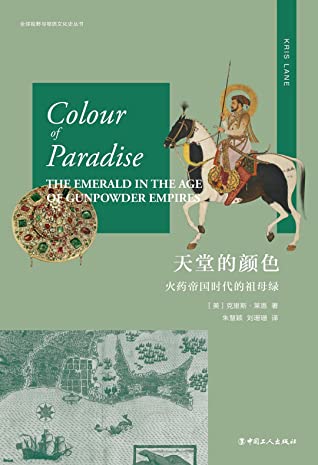
在伊斯兰帝国留下的瑰丽宝石与首饰中,祖母绿因其颜色和尺寸而引人注目。对于莫卧儿人、奥斯曼人和萨非人来说,绿色是天堂的颜色。本书作者克里斯·莱恩利用广泛的资源,追踪了16至18世纪从南美洲腹地向人口稠密的亚洲都市输送祖母绿的全球贸易网络,并揭示了伴随着祖母绿生产的血腥征服战争和强迫劳动制度。这是一个关于贸易的故事,也是一个关于转型的故事..……
The Lost Language of Plants 豆瓣
作者:
Stephen Harrod Buhner
Chelsea Green
2002
- 3
This could be the most important book you will read this year. Well-known author, teacher, lecturer, and herbalist Stephen Harrod Buhner has produced a book that is certain to generate controversy. It consists of three parts: 1. A critique of technological medicine, and especially the dangers to the environment posed by pharmaceuticals and other synthetic substances that people use in connection with health care and personal body care. 2. A new look at Gaia Theory, including an explanation that plants are the original chemistries of Gaia and those phytochemistries are the fundamental communications network for the Earth's ecosystems. 3. Extensive documentation of how plants communicate their healing qualities to humans and other animals. Western culture has obliterated most people's capacity to perceive these messages, but this book also contains valuable information on how we can restore our faculties of perception.
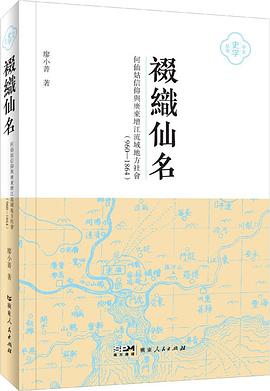
裰织仙名 豆瓣
作者:
廖小菁
2022
- 6
廣州增城相傳為“八仙”唯一女仙——“何仙姑”的故里。本書綜合文獻分析與田野調查,聚焦廣東增江流域的何仙姑崇拜傳統從宋代至清咸同時期的長期演變,藉之揭示此一以女性形象為核心的傳說話語和廟祀傳統,如何在不同人群創造、選擇與挪用的過程中,經歷“下山”(在地化)與“出城”(廟祀版圖擴張),同時漸次鑲嵌進入地域社會的組織結構與文化肌理,反饋成為模塑社群歷史記憶與族群關係的重要文化資源。爬梳何仙姑信仰與增江地方社會相互構造的近千年歷程,本書亦嘗試比較分析中國南方不同地區的女性崇拜案例,展陳與何仙姑相似的女性角色——未婚無嫁之女性,如何在華南社會長時段演進歷史中,以女仙、女兒、女祖先等身分,在多元的宗教話語、變遷的社會制度以及不同社群的文化操作下,逡巡往返於社會結構與文化象徵體系的邊陲與核心之間,展現出雜糅凡俗與神聖形象的豐富面貌與意義。
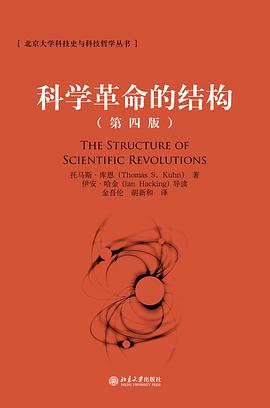
科学革命的结构 豆瓣 谷歌图书
The Structure of Scientific Revolutions
9.0 (55 个评分)
作者:
[美]托马斯·库恩
/
[美]伊安·哈金 (导读)
译者:
金吾伦
/
胡新和
北京大学出版社
2012
- 11
本书是20世纪学术史上最有影响的著作之一,是科学史与科学哲学研究的学者们不可不读的基本文献。它引导了科学哲学界的一场认识论的大变革,成为科学哲学史上一道重要的分水岭。其影响不仅在于科学史、科学哲学、科学社会学等相关领域,而且延伸到社会学、文化人类学、文学史、艺术史、政治 史、宗教史等人文和社会科学领域,甚至在社会公众领域也产生了深刻的影响。书中提出的“范式转换”一语如今已成为我们耳熟能详的一个重要词汇。本书自1962年面世以来就引起强烈反响,掀起了一股世界性的研究热潮,其影响至今不衰。本版是芝加哥大学出版社为庆祝本书问世五十周年而作,新加入加拿大哲学家伊安·哈金教授所写的导读。“自然科学的发展除了按常规科学一点一滴地积累之外,还必然要出现“科学革命”。科学革命不仅仅使科学的面貌焕然一新,而且还会引起人们世界观的变革。” - 托马斯·库恩
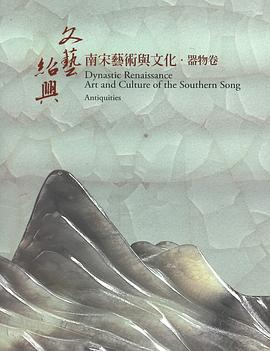
文藝紹興 豆瓣
作者:
蔡玫芬 主編
國立故宮博物院
2010
- 10
南宋一百五十三年,是中國文化發展中極為重要的時期。歷史學家劉子健先生指出,南宋模式的文化,已經成為漢文化的大傳統,而南宋的文化模式有幾個特點,其中最值得注意的是重視文化,以教化維持社會秩序,「因為尚文,各種文學、藝術,特別是哲學,不但造詣高 超,且漸趨普遍」。這段時期朝廷重振禮樂規章,重視儒學教育,獎勵各種經濟發展,以至於農耕進步,商業繁榮,手工業興盛,海外貿易蓬勃。從南宋人的著作,如吳自牧《夢粱錄》,或周密《武林舊事》等記載,可以看到此時的精神與物質文化豐富而多元。尤其在書畫、圖書與工藝製作方面,隨著皇室的倡導,地理環境、氣候條件與人文風氣的轉變,無論在內容與形式上,都創造出獨特而有高度藝術性的特色,對後世藝術發展影響深遠。
鬼魂小说、侦探小说与唯灵论 豆瓣
Ghost-Seers, Detectives, and Spiritualists: Theories of Vision in Victorian Literature and Science
作者:
[美]斯尔詹·斯马伊奇(Srdjan Smajic)
译者:
李菊
译林出版社
2022
- 8
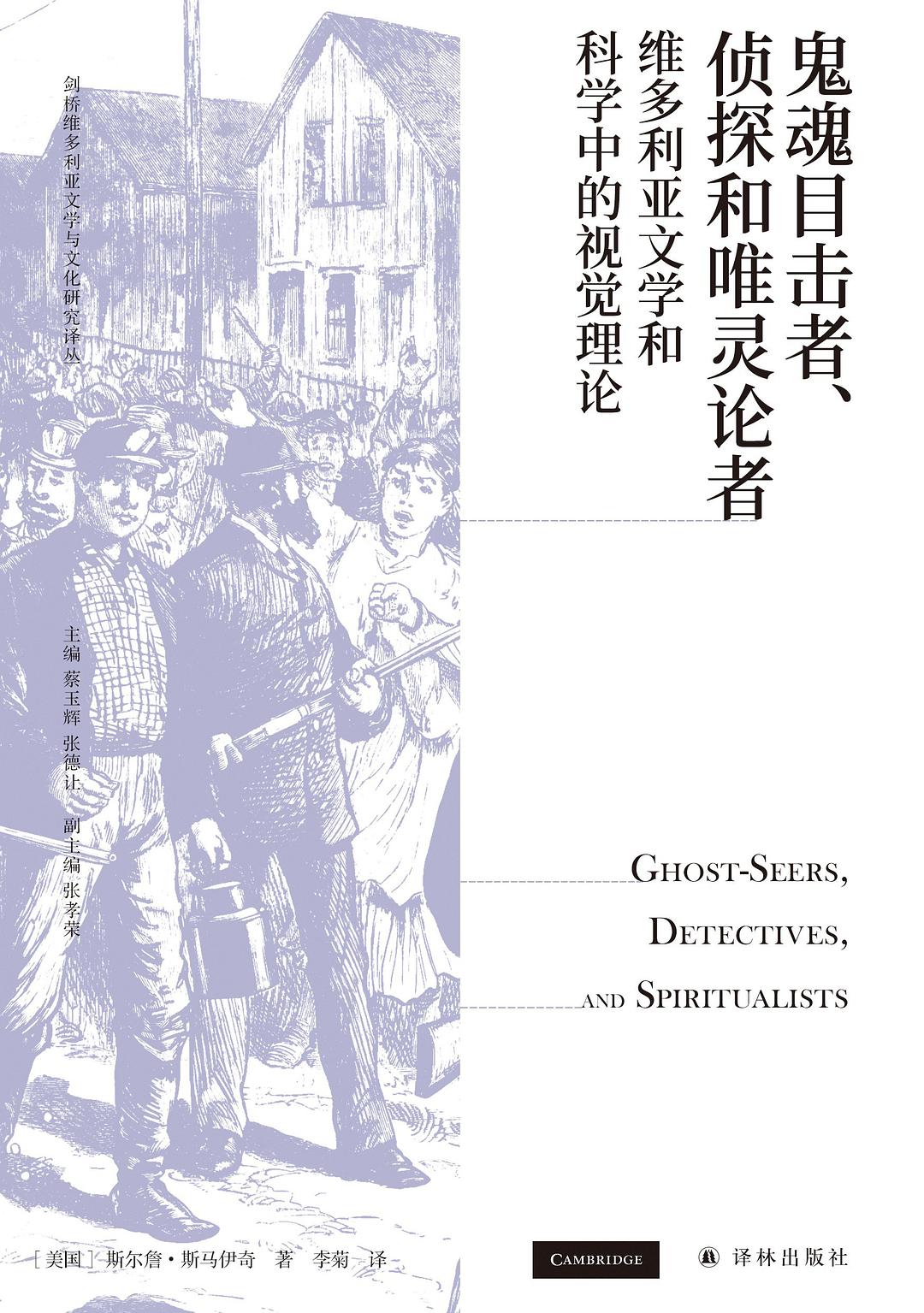
这是对19世纪两种非常流行的小说类型——鬼故事和侦探小说——的叙事技巧的原创性,以及它们在当代视觉和视觉理论背景下的惊人相似性的研究。斯尔詹·斯马伊奇认为,要理解作家如何呈现鬼魂目击者和侦探,必须考虑这些作家所使用的同时代科学家、哲学家和唯灵论者的观点:这些观点提出了以下这些问题,例如眼见是否为实,我们所“看到”的究竟有多少内容只是推测出来的,是否有其他(直觉的或精神的)观看方式,使我们能够感知身体感官无法接触到的物体和存在。这本书将对维多利亚时代科学在文化中的理解,以及文学利用各种知识的方式做出了重要贡献。
A History of Virility (European Perspectives 豆瓣
译者:
Keith Cohen
Columbia University Press
2017
- 8
The Invention of Pornography, 1500-1800 豆瓣
作者:
Lynn Hunt (Editor)
Zone Books
1996
- 8
In America today the debate over the censorship of pornography continues to call into question the values of a modern, democratic culture. The Invention of Pornography, a groundbreaking collection of critical essays, traces the history and uses of pornography in early modern Europe, offering for the first time the historical perspective crucial to understanding current controversies in politics and the arts.
The Natural Enemies of Books: A Messy History of Women in Printing and Typography Goodreads 豆瓣
作者:
MMS (Maryam Fanni, Matilda Flodmark and Sara Kaaman)
Occasional Papers
2020
- 1
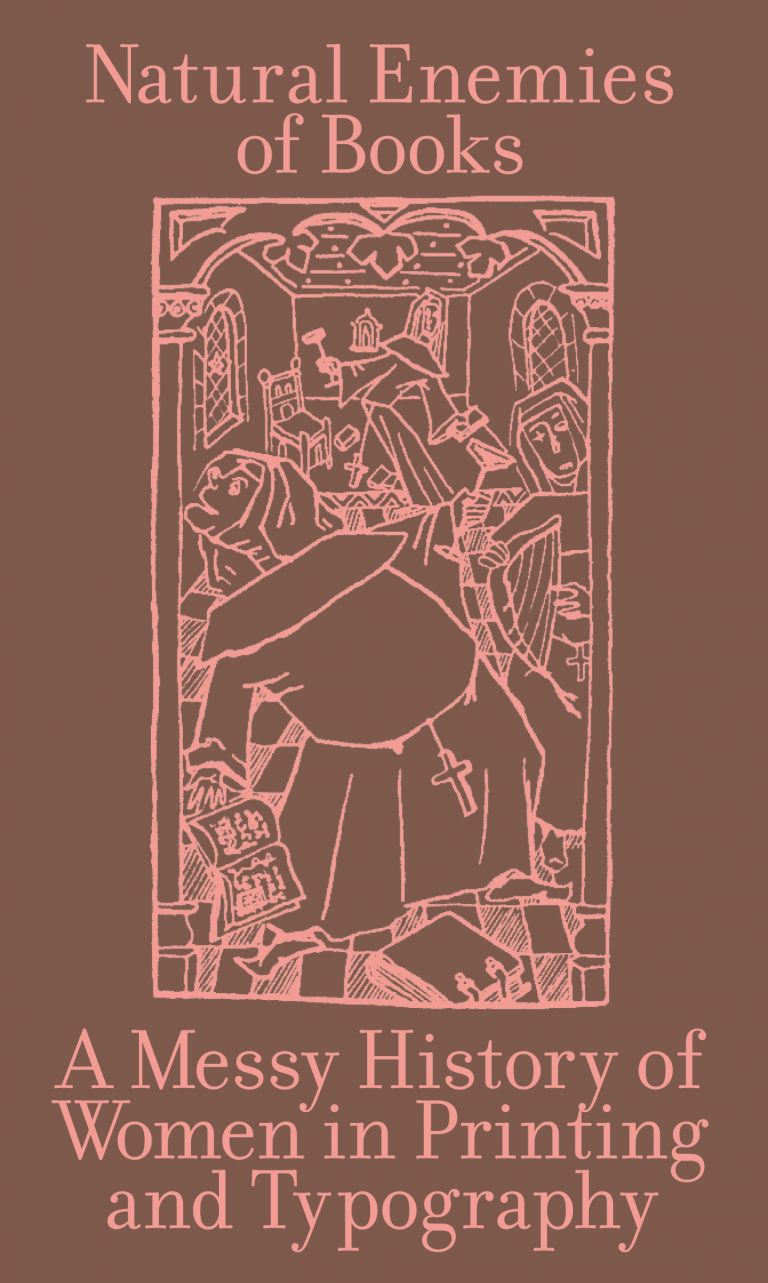
The Natural Enemies of Books is a response to the groundbreaking 1937 publication Bookmaking on the Distaff Side, which brought together contributions by women printers, illustrators, authors, typographers and typesetters. It highlights the print industry’s inequalities and proposes a takeover of the history of the book.
Edited by feminist graphic design collective MMS (Maryam Fanni, Matilda Flodmark and Sara Kaaman), Natural Enemies includes several new essays and poems by Kathleen Walkup, Ida Börjel, Jess Baines and Ulla Wikander. It also offers conversations with former typesetters Inger Humlesjö, Ingegärd Waaranperä, Gail Cartmail and Megan Dobney as well as reprints of the original book.
The Natural Enemies of Books is funded by the Swedish Arts Grants Committee and through an artist-in-residence period at Grafikens Hus, in collaboration with the Södertälje Konstnärskrets.
Edited by feminist graphic design collective MMS (Maryam Fanni, Matilda Flodmark and Sara Kaaman), Natural Enemies includes several new essays and poems by Kathleen Walkup, Ida Börjel, Jess Baines and Ulla Wikander. It also offers conversations with former typesetters Inger Humlesjö, Ingegärd Waaranperä, Gail Cartmail and Megan Dobney as well as reprints of the original book.
The Natural Enemies of Books is funded by the Swedish Arts Grants Committee and through an artist-in-residence period at Grafikens Hus, in collaboration with the Södertälje Konstnärskrets.
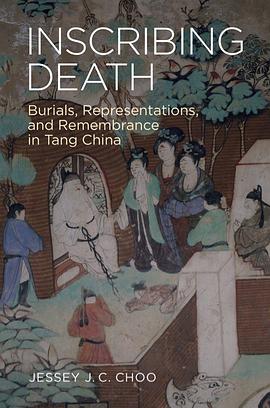
Inscribing Death 豆瓣
作者:
Jessey J. C. Choo
University of Hawaii Press
2022
- 7
This nuanced study traces how Chinese came to view death as an opportunity to fashion and convey social identities and memories during the medieval period (200–1000) and the Tang dynasty (618–907), specifically. As Chinese society became increasingly multicultural and multireligious, to achieve these aims people selectively adopted, portrayed, and interpreted various acts of remembrance. Included in these were new and evolving burial, mourning, and commemorative practices: joint-burials of spouses, extended family members, and coreligionists; relocation and reburial of bodies; posthumous marriage and divorce; interment of a summoned soul in the absence of a body; and many changes to the classical mourning and commemorative rites that became the norm during the period. Individuals independently constructed the socio-religious meanings of a particular death and the handling of corpses by engaging in and reviewing acts of remembrance.
Drawing on a variety of sources, including hundreds of newly excavated entombed epitaph inscriptions, Inscribing Death illuminates the process through which the living—and the dead—negotiated this multiplicity of meanings and how they shaped their memories and identities both as individuals and as part of collectives. In particular, it details the growing emphasis on remembrance as an expression of filial piety and the grave as a focal point of ancestral sacrifice. The work also identifies different modes of construction and representation of the self in life and death, deepening our understanding of ancestral worship and its changing modus operandi and continuous shaping influence on the most intimate human relationships—thus challenging the current monolithic representation of ancestral worship as an extension of families rather than individuals in medieval China.
Drawing on a variety of sources, including hundreds of newly excavated entombed epitaph inscriptions, Inscribing Death illuminates the process through which the living—and the dead—negotiated this multiplicity of meanings and how they shaped their memories and identities both as individuals and as part of collectives. In particular, it details the growing emphasis on remembrance as an expression of filial piety and the grave as a focal point of ancestral sacrifice. The work also identifies different modes of construction and representation of the self in life and death, deepening our understanding of ancestral worship and its changing modus operandi and continuous shaping influence on the most intimate human relationships—thus challenging the current monolithic representation of ancestral worship as an extension of families rather than individuals in medieval China.
Animals and Plants in Chinese Religions and Science 谷歌图书 豆瓣
作者:
Huaiyu Chen
Anthem Press
2023
- 2
In ancient China, the tradition of observing nature is combined with Yin-Yang and the Five-Phase theories, which were later incorporated into the ancient arts of divination, including the technique of predicting weather changes by observing the behavior and health of animals. The observation of the close connection between animals and weather developed into the worship of animals, that is, what can be called the cult of animals. Plant science and technology in medieval China cannot be separated from the developments in agriculture, economics, and medicine, as well as cultural practice. The Chinese empire ruled most of East Asia in the medieval period. Numerous species of plants were observed, cultivated, harvested, and used in the vast land of China that spanned a wide range of biomes from boreal through to temperate and tropical, with most regions classed as subtropical. Besides indigenous plants, many plants from West, Central, South, and Southeast Asia were introduced into China and East Asia in general. Numerous zoomantic practices appeared in two sets of textual documents in the premodern Chinese bibliographical system, namely official documents and popular documents. Official documents were often compiled by government officials and served political governance objectives. These documents included official histories, annals, and institutional documents, as well as Confucian classics. The authorship or editorship of these documents was often explicit. Popular documents included strange writings, tales, legends, and religious documents from Buddhism and Daoism, which were often not compiled under the sponsorship and support of the court or government. They might be compiled by literati but lost original authorship. They did not serve political motivations and objectives, reflecting how people understood and interpreted correlative cosmology by observing animal behaviors at the local or non-bureaucratic level.
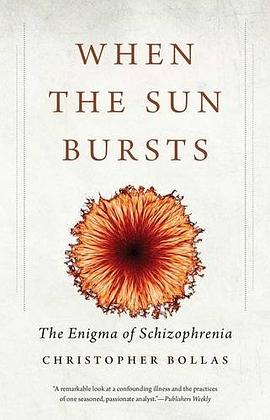
When the Sun Bursts: The Enigma of Schizophrenia 豆瓣
Yale University Press
2016
- 11
A leading psychoanalyst shares his experiences working with schizophrenic patients to show how effective talk therapy can be as a treatment
Many schizophrenics experience their condition as one of radical incarceration, mind-altering medications, isolation, and dehumanization. At a time when the treatment of choice is anti-psychotic medication, world-renowned psychoanalyst Christopher Bollas asserts that schizophrenics can be helped by much more humane treatments, and that they have a chance to survive and even reverse the process if they have someone to talk to them regularly and for a sustained period, soon after their first breakdown.
In this sensitive and evocative narrative, he draws on his personal experiences working with schizophrenics since the 1960’s. He offers his interpretation of how schizophrenia develops, typically in the teens, as an adaptation in the difficult transition to adulthood.
With tenderness, Bollas depicts schizophrenia as an understandable way of responding to our precariousness in a highly unpredictable world. He celebrates the courage of the children he has worked with and reminds us that the wisdom inherent in human beings—to turn to conversation with others when in distress—is the fundamental foundation of any cure for human conflict.
Many schizophrenics experience their condition as one of radical incarceration, mind-altering medications, isolation, and dehumanization. At a time when the treatment of choice is anti-psychotic medication, world-renowned psychoanalyst Christopher Bollas asserts that schizophrenics can be helped by much more humane treatments, and that they have a chance to survive and even reverse the process if they have someone to talk to them regularly and for a sustained period, soon after their first breakdown.
In this sensitive and evocative narrative, he draws on his personal experiences working with schizophrenics since the 1960’s. He offers his interpretation of how schizophrenia develops, typically in the teens, as an adaptation in the difficult transition to adulthood.
With tenderness, Bollas depicts schizophrenia as an understandable way of responding to our precariousness in a highly unpredictable world. He celebrates the courage of the children he has worked with and reminds us that the wisdom inherent in human beings—to turn to conversation with others when in distress—is the fundamental foundation of any cure for human conflict.