设计
CMOS模拟集成电路设计 Douban
《CMOS模拟集成电路设计》(第2版)通过大量设计实例阐述设计原理,将理论与实践融为一体,同时还针对许多工业界人士的需求和问题进行了分析和解释,因而《CMOS模拟集成电路设计》(第2版)不仅可以用做大专院校相关专业高年级本科生和研究生的教材,也可以作为半导体的集成电路设计领域技术人员很有价值的参考书。
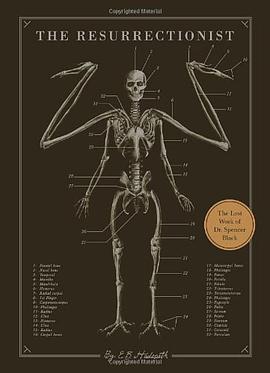
The Resurrectionist Douban
10.0 (5 ratings)
author:
E. B. Hudspeth
publishing house:
Quirk Books
2013
- 5
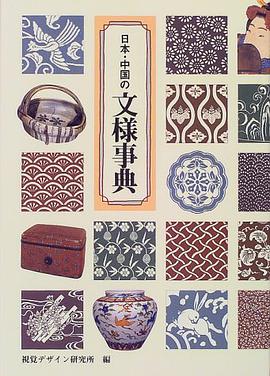
日本・中国の文様事典 Douban
author:
視覚デザイン研究所
publishing house:
視覚デザイン研究所
2000
- 1
日本、中国の文様を植物、動物、器物といった具体的な分類でまとめた解説した事典。索引付き。
日本、中国の文様を植物・動物・器物といった具体的な分類でまとめ、豊富な図版で説明。「文様のコラム」で文様にまつわる知識を、「文様の歴史」で文様の移り変わりについてまとめる。
日本、中国の文様を植物・動物・器物といった具体的な分類でまとめ、豊富な図版で説明。「文様のコラム」で文様にまつわる知識を、「文様の歴史」で文様の移り変わりについてまとめる。
游戏设计艺术(第2版) Douban
8.6 (16 ratings)
author:
[美] Jesse Schell
translator:
刘嘉俊
publishing house:
电子工业出版社
2016
- 4
不需要是技术专家,只要阅读《游戏设计艺术(第2版)》,学习佳作,深刻认识游戏设计的真谛,人人都可以成为成功的游戏设计者!《游戏设计艺术(第2版)》作者Jesse Schell是有二十多年成功经验的游戏设计师,曾任国际游戏开发者协会主席,并在迪士尼在线游戏服务多年,获奖颇多。他以宝贵经验提出一百多套问题集,帮助你从各种角度观察游戏设计,例如心理、建筑、音乐、视觉、电影、软件工程、主题公园设计、数学、谜题设计和人类学等方方面面。
《游戏设计艺术(第2版)》主要内容包括:游戏的体验、构成游戏的元素、元素支撑的主题、游戏的改进、游戏机制、游戏中的角色、游戏设计团队、如何开发好的游戏、如何推销游戏、设计者的责任等。
《游戏设计艺术(第2版)》主要内容包括:游戏的体验、构成游戏的元素、元素支撑的主题、游戏的改进、游戏机制、游戏中的角色、游戏设计团队、如何开发好的游戏、如何推销游戏、设计者的责任等。
Conceptual Blockbusting Douban
author:
James L. Adams
publishing house:
Basic Books
2001
- 10
The best-selling guide to overcoming creative blocks and unleashing a torrent of great ideas-updated for a new generation of problem solvers. James Adams's unique approach to generating ideas and solving problems has captivated, inspired, and guided thousands of people from all walks of life. Now, twenty-five years after its original publication, Conceptual Blockbusting has never been more relevant, powerful, or fresh. Integrating insights from the worlds of psychology, engineering, management, art, and philosophy, Adams identifies the key blocks (perceptual, emotional, cultural, environmental, intellectual, and expressive) that prevent us from realizing the full potential of our fertile minds. Employing unconventional exercises and other interactive elements, Adams shows individuals, teams, and organizations how to overcome these blocks, embrace alternative ways of thinking about complex problems, and celebrate the joy of creativity. With new examples and contemporary references, Conceptual Blockbusting is guaranteed to introduce a new generation of readers to a world of new possibilities.


植物进化的艺术 Douban
The Art of Plant Evolution
author:
[美] 约翰·克雷斯
/
[英] 雪莉·舍伍德
translator:
陈伟
publishing house:
北京科学技术出版社
2017
★英国皇家植物园邱园&美国史密森尼国家自然历史博物馆权威制作
★特别献礼达尔文《物种起源》出版150周年、邱园建立250周年
★珍藏全球84位植物绘画大师的136幅杰作,一本书领略当代植物绘画艺术的最高成就
★一座珍贵的纸上博物馆,艺术与科学完美结合,呈现植物进化之美
★一座可以挂起来的家庭美术馆,随书附赠4幅10寸可装裱植物插画,博物爱好者和艺术爱好者珍藏首选
.
为庆祝《物种起源》出版150周年以及邱园建立250周年,世界两大权威机构联合出版了这份珍贵礼物——《植物进化的艺术》。全书结合数百幅惊艳的大师级绘画和国际最新的植物分类知识(APG分类法),向大众展示了植物进化的历程。从古老的植物化石到最新的DNA测序技术,从林奈、达尔文到APG分类系统,从科学到历史、文化和艺术,讲述植物不为人知的生存智慧和进化奇迹。
以艺术的眼光发现美,以科学的视角认识世界。
建议与高分纪录片《植物王国》(Kingdom of Plants)搭配阅读体验更佳。
★特别献礼达尔文《物种起源》出版150周年、邱园建立250周年
★珍藏全球84位植物绘画大师的136幅杰作,一本书领略当代植物绘画艺术的最高成就
★一座珍贵的纸上博物馆,艺术与科学完美结合,呈现植物进化之美
★一座可以挂起来的家庭美术馆,随书附赠4幅10寸可装裱植物插画,博物爱好者和艺术爱好者珍藏首选
.
为庆祝《物种起源》出版150周年以及邱园建立250周年,世界两大权威机构联合出版了这份珍贵礼物——《植物进化的艺术》。全书结合数百幅惊艳的大师级绘画和国际最新的植物分类知识(APG分类法),向大众展示了植物进化的历程。从古老的植物化石到最新的DNA测序技术,从林奈、达尔文到APG分类系统,从科学到历史、文化和艺术,讲述植物不为人知的生存智慧和进化奇迹。
以艺术的眼光发现美,以科学的视角认识世界。
建议与高分纪录片《植物王国》(Kingdom of Plants)搭配阅读体验更佳。
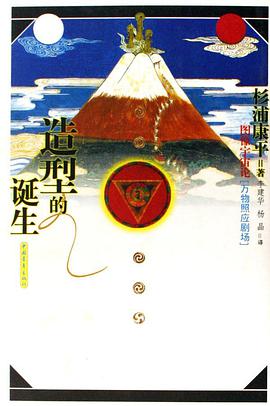

认知设计 Douban
Design for How People Learn
author:
朱莉·德克森
/
Julie Dirksen
translator:
赵雨儿
/
简驾
publishing house:
机械工业出版社
2016
- 8
本书是教学设计领域的革命性著作,作者从人本界面的理论基础上总结出了一套行之有效且具有颠覆性的教学设计方法,这套方法源于对学习者的学习动机、能力、知识水平、学习方法、大脑记忆规律等的深入了解和研究,符合认知学的规律,为提供良好的教学与学习体验提供了科学的、全方位的、具备可操作性的指导。本书包含大量图表和示例,讲解清晰,易学易懂,是良好教学设计的典范!
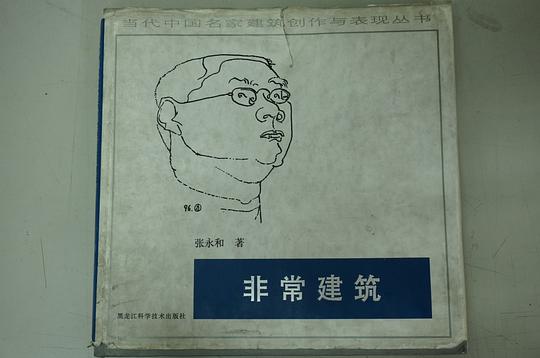
建築動詞 建筑动词 Douban
author:
張永和/非常建築
/
张永和
publishing house:
田園城市文化事業有限公司
「非常建築」主持建築師張永和,為當刻中國的新銳專業學者及建築教育家。九○年代曾任教於美國保爾州立大學、密西根大學、及加州大學柏克萊分校等建築系所,1999年於北京大學成立了建築學研究中心並擔任主任教授,後並因其豐富之教學經驗,以四十歲資歷獲聘擔任2002 -2003年哈佛大學設計研究學院丹下健三建築講座教席教授,成為歷年來最年輕的亞裔建築師。2004年更獲聘為美國 麻省理工學院(MIT)建築系主任及教授。
除學術領域專業研究外,他同時主持 非常建築 事務所,近年積極投入建築領域,將研究學理應用於實際專業領域,完成眾多創新之建築設計作品,其建築設計曾在一系列國際建築設計競賽中獲獎,成為中國大陸及當代國際備受矚目與肯定之新生代中國建築師。本書收錄了張永和歷年建築作品,充分展現其實驗性的建築美學。
除學術領域專業研究外,他同時主持 非常建築 事務所,近年積極投入建築領域,將研究學理應用於實際專業領域,完成眾多創新之建築設計作品,其建築設計曾在一系列國際建築設計競賽中獲獎,成為中國大陸及當代國際備受矚目與肯定之新生代中國建築師。本書收錄了張永和歷年建築作品,充分展現其實驗性的建築美學。

移情心理学 Douban
The Psychology of the Transference
author:
[瑞士] C.G.荣格
translator:
梅圣洁
publishing house:
世界图书出版公司
2014
- 8
病人为什么会爱上心理咨询师?爱上心理咨询师怎么办?无论是作者本人,还是作者的老师弗洛伊德,都有过这样的经历。心理学家们认为,这并不是真正的爱,而是发生了移情现象。在《移情心理学》中,荣格借助了十六世纪炼金术文献《哲人与玫瑰园》中的图片来阐述这一著名的心理现象。移情不仅发生在心理分析师和患者之间,也发生在人际关系之中,尤其是恋爱关系之中。这个过程和炼金过程相似,包括两人无意识的相遇、投射的发生、投射的收回、融合、新生命的诞生等。
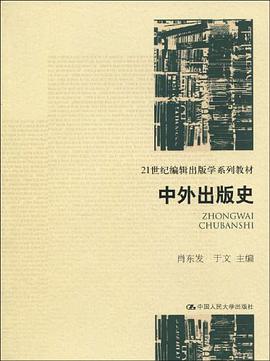
中外出版史 Douban
author:
肖东发
/
于文
publishing house:
中国人民大学出版社
2010
- 1
《中外出版史》的框架结构和写作大纲由肖东发设计和拟定。其中上篇“中国出版史”部分由肖东发、杨虎和肖莎合作完成。下篇“外国出版史”部分,鉴于外国出版史史料与参考文献的国别属性特别强,除第六章“外国古代出,版史”和第七章“外国中世纪出版史”由于文独立编著外,外国近现代出版史部分首先由多人分国别撰写初稿,其中于文撰写英国部分和德国部分,诸葛蔚东撰写日本部分,李武撰写美国部分,闻新芳撰写法国部分,帅震撰写澳大利亚部分,最后由于文按照时间线索和横向系统重新组织,完成外国近现代出版史部分的编写。
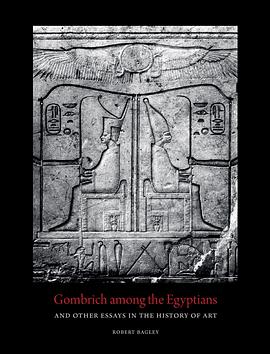
Gombrich among the Egyptians and Other Essays in the History of Art Douban
author:
Robert Bagley
publishing house:
University of Washington Press
2015
- 10
In this collection of essays, five previously published and three new in this volume, a western historian of Chinese art examines the received ideas of art history from the vantage point of another culture. On the premise that what we feel a need to explain and how we explain it alike depend on what we assume to be normal, the essays all adopt a comparative approach. Whatever body of material is taken as case study-Gothic churches, Egyptian reliefs, Chinese bronzes, insular gospel manuscripts-the problems addressed are of broad general relevance to the discipline. They include the nature of art history's styles and periods, iconography as explanation, the rationale for art historical description, technical studies and the artistic imagination, and histories of representation. Clear and accessible, this book will interest anyone concerned with the conduct of art historical scholarship and the origins and consequences of its practices.
"Since the late 1970s, the field of art history has been characterized by self-scrutiny that has, ironically, too often encouraged methodological self-satisfaction; these essays, in contrast, permit no intellectual complacency. The author does not hesitate to challenge fundamental concepts, principles, and practices, both those that have been explicitly articulated and those that have gone unquestioned. The criticisms he offers are neither trivial nor self-serving; they are often blunt, but they are justified. His book will engage all historians of art-professionals and advanced students-who are interested in the intellectual foundations of our discipline as well as scholars whose work involves more general intellectual history."
-A. A. Donohue, Rhys Carpenter Professor of Classical and Near Eastern Archaeology, Bryn Mawr College
"Since the late 1970s, the field of art history has been characterized by self-scrutiny that has, ironically, too often encouraged methodological self-satisfaction; these essays, in contrast, permit no intellectual complacency. The author does not hesitate to challenge fundamental concepts, principles, and practices, both those that have been explicitly articulated and those that have gone unquestioned. The criticisms he offers are neither trivial nor self-serving; they are often blunt, but they are justified. His book will engage all historians of art-professionals and advanced students-who are interested in the intellectual foundations of our discipline as well as scholars whose work involves more general intellectual history."
-A. A. Donohue, Rhys Carpenter Professor of Classical and Near Eastern Archaeology, Bryn Mawr College
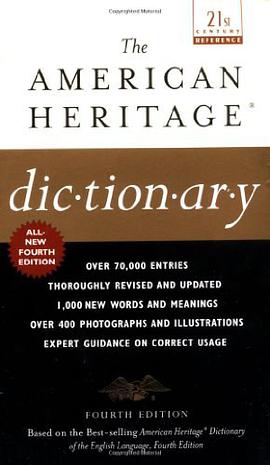
The American Heritage Dictionary Douban
author:
Houghton Mifflin Company
publishing house:
Houghton Mifflin
2001
Amazon.com
The latest edition of the American Heritage Dictionary is out, and that's hot news--not just for the resolute followers of lexicographical minutiae, but for the general reading and writing public as well. Why? Because the American Heritage is a long-standing favorite family dictionary (never underestimate the value of pictures) and one of the prime dictionary references for magazines, newspapers, and dot.com content providers. For scads of writers and editors across the U.S., it sets the standard on matters of style and lexicographical authority.
So this new edition is exciting and noteworthy, but how good is it? In its favor, the fourth edition is as current a dictionary as you can get. It's six years fresher than the 1994 version, with 10,000 words and definitions you won't find in the still venerable but now slightly dated third edition. For example, unlike its predecessor (and also unlike the 1996 Oxford Encyclopedic English Dictionary), this fourth edition covers dot-com, e-commerce, and soccer mom, Ebonics, Viagra, and a surf definition for cruising television channels and the Internet.
Its panel of special consultants includes authorities on anthropology, architecture, cinema, and law, plus military science, music, religion, and sports, and that is reflected in an impressively comprehensive coverage of the arts, culture, and technology. Sadly, however, there are no medical consultants on the panel, and that loss is felt in some substandard medical definitions. Other flaws: there's a greater than usual tendency to define a word with a form of the same word--for example, fuzzy, whose first two definitions are "1. covered with fuzz." and "2. of or resembling fuzz." And some definitions seem needlessly wordy, such as the entry for furious, which is "full of or characterized by extreme anger; raging." Compare that with the more succinct Oxford Encyclopedic entry: "1. extremely angry. 2. full of fury."
On the other hand, there are valuable entries throughout the dictionary supplying additional information on synonyms, usage, or word history, and these extras, such as the history of diatribe and the usage notes on discomfit, are interesting. The layout is easy on the eyes, with dark blue/green bold type setting the words apart from their definitions, and 4,000 color photographs, maps, and illustrations that are both useful and delightful. On one page, the margin provides color depictions of Francis Bacon, bacterium, and a Bactrian camel. Theodore Roosevelt and a rooster share another margin, while a third page offers Isak Dinesen, a dingo, and dinoflagellate. It is a fascinating book to peruse, and a compellingly scholarly addition to the American Heritage Dictionary line. --Stephanie Gold --This text refers to an out of print or unavailable edition of this title.
From Booklist
Ever since the furor in the U.S. that greeted Webster's Third New International Dictionary (1961) faded, it has become a given that dictionaries should be descriptive rather than prescriptive, a principle sanctified in Britain in the 1850s in Herbert Coleridge's original plan for the monumental project that eventually produced the Oxford English Dictionary. That dictionaries grow by gradual accretion of new words and new senses characterizes the latest edition of the American Heritage Dictionary (AHD), even if it, more than any other contemporary English-language dictionary, flirts with prescriptiveness in some of its usage notes.Reflecting trends in society since publication of the third edition (1992), the most visible additions to the lexicon come from technology. Hence AHD now includes the sense of dot as a synonym for period in computer jargon; a new techie sense for geek; and new entries for dot-com, e-commerce, HTML, HTTP, and URL. These are but a few of the 10,000 new senses or terms incorporated into this edition. Others (e.g., goth, personal watercraft, transgendered) come from the fields of pop culture, entertainment, sports, and business, to name a few.AHD shows two other, much more visible signs of its times. First, the thumbnail marginal illustrations have been transformed from black-and-white to color. This increases their clarity, their utility, and the value they add to definitions. Second, it comes in both print and CD-ROM formats.The CD-ROM (for Windows 95 through 2000 and NT and available for $24.95 if purchased alone) offers content almost identical to that of the print volume and many added features. Some of the illustrations in the print edition are absent from the CD (e.g., mackinaw). This is a small sacrifice for the far greater gains, one of which relates to illustrations. A search feature allows users to display only those terms that contain illustrations, and when any of these is displayed, its thumbnail illustration can be enlarged, offering even greater clarity than the color thumbnails on paper.Other features of the CD-ROM make it an attractive alternative to print, especially for personal use in situations in which it can reside more or less permanently on a PC's CD-ROM drive. A running list of entries in a frame to the left of the display window provides, with much greater precision than the printed dictionary's thumb indexing, quick access to a letter's section. In addition to the word search and A-Z scrolling display of all entries in that left-side window, the window's contents can be limited to display usage notes (usage, synonym, word histories, regional notes), Indo-European roots, Semitic roots, or (as noted) entries containing images. Most entries on the CD-ROM also include an audio icon that, when clicked, plays the word's pronunciation in an audible voice (for some words that of a male, for others that of a female). Just as the Webster's Tenth Collegiate Dictionary allows a toolbar link from Microsoft Word to the dictionary's contents, AHD provides this linkage through a right-mouse click.One other feature demonstrates the dictionary's sense of its times in the age of Internet filters and Dr. Laura controversies: when loading the CD-ROM, the user is asked whether to load the dictionary to include or exclude access to "vulgar" words. This is a latter-day sign of AHD's long willingness to apply usage labels more freely than most of its competitors. Taken by themselves, its usage labels (e.g., "slang," "vulgar") unquestionably appear to be prescriptive. However, when viewed in the context of the dictionary's usage notes, they soften and take on nuance. The usage notes depend heavily upon a large panel of writers and commentators representing diverse views. (What other group can claim both Harold Bloom and Roy Blount Jr and both Antonin Scalia and David Sedaris as members?) The notes convey the panel's uncertainties, disagreements, and qualifiers about how the words are and ought to be used. On the whole, AHD takes an old, inherently prescriptive dictionary device and uses it to describe the majority and minority opinions of a group of facile users of the language. A new category of notes, "Our Living Language," explains how language changes, for example, the reasons why the Ocracoke Island brogue is fading and the attempts to come up with euphemisms for the euphemism downsize. Approximately 1,800 notes of various sorts provide more context and more description than mere labels.When it comes to the things that users turn to a dictionary for most often--definitions, confirmation of spelling, pronunciation--AHD delivers as well as any other respected, respectable desk dictionary. Its definitions are clear and succinct, and they differentiate among senses of a word. Illustrations of words in sentences enhance selected definitions. A pronunciation key on every two-page spread of the print version is the next best thing to the audio on the CD-ROM.AHD long ago established itself as one of the standard American English dictionaries. Its improvements through expansion, refinement, and extension to the CD-ROM medium ensure its vitality and its value to a broad audience, from junior high on. RBB
Copyright © American Library Association. All rights reserved --This text refers to an out of print or unavailable edition of this title.
The latest edition of the American Heritage Dictionary is out, and that's hot news--not just for the resolute followers of lexicographical minutiae, but for the general reading and writing public as well. Why? Because the American Heritage is a long-standing favorite family dictionary (never underestimate the value of pictures) and one of the prime dictionary references for magazines, newspapers, and dot.com content providers. For scads of writers and editors across the U.S., it sets the standard on matters of style and lexicographical authority.
So this new edition is exciting and noteworthy, but how good is it? In its favor, the fourth edition is as current a dictionary as you can get. It's six years fresher than the 1994 version, with 10,000 words and definitions you won't find in the still venerable but now slightly dated third edition. For example, unlike its predecessor (and also unlike the 1996 Oxford Encyclopedic English Dictionary), this fourth edition covers dot-com, e-commerce, and soccer mom, Ebonics, Viagra, and a surf definition for cruising television channels and the Internet.
Its panel of special consultants includes authorities on anthropology, architecture, cinema, and law, plus military science, music, religion, and sports, and that is reflected in an impressively comprehensive coverage of the arts, culture, and technology. Sadly, however, there are no medical consultants on the panel, and that loss is felt in some substandard medical definitions. Other flaws: there's a greater than usual tendency to define a word with a form of the same word--for example, fuzzy, whose first two definitions are "1. covered with fuzz." and "2. of or resembling fuzz." And some definitions seem needlessly wordy, such as the entry for furious, which is "full of or characterized by extreme anger; raging." Compare that with the more succinct Oxford Encyclopedic entry: "1. extremely angry. 2. full of fury."
On the other hand, there are valuable entries throughout the dictionary supplying additional information on synonyms, usage, or word history, and these extras, such as the history of diatribe and the usage notes on discomfit, are interesting. The layout is easy on the eyes, with dark blue/green bold type setting the words apart from their definitions, and 4,000 color photographs, maps, and illustrations that are both useful and delightful. On one page, the margin provides color depictions of Francis Bacon, bacterium, and a Bactrian camel. Theodore Roosevelt and a rooster share another margin, while a third page offers Isak Dinesen, a dingo, and dinoflagellate. It is a fascinating book to peruse, and a compellingly scholarly addition to the American Heritage Dictionary line. --Stephanie Gold --This text refers to an out of print or unavailable edition of this title.
From Booklist
Ever since the furor in the U.S. that greeted Webster's Third New International Dictionary (1961) faded, it has become a given that dictionaries should be descriptive rather than prescriptive, a principle sanctified in Britain in the 1850s in Herbert Coleridge's original plan for the monumental project that eventually produced the Oxford English Dictionary. That dictionaries grow by gradual accretion of new words and new senses characterizes the latest edition of the American Heritage Dictionary (AHD), even if it, more than any other contemporary English-language dictionary, flirts with prescriptiveness in some of its usage notes.Reflecting trends in society since publication of the third edition (1992), the most visible additions to the lexicon come from technology. Hence AHD now includes the sense of dot as a synonym for period in computer jargon; a new techie sense for geek; and new entries for dot-com, e-commerce, HTML, HTTP, and URL. These are but a few of the 10,000 new senses or terms incorporated into this edition. Others (e.g., goth, personal watercraft, transgendered) come from the fields of pop culture, entertainment, sports, and business, to name a few.AHD shows two other, much more visible signs of its times. First, the thumbnail marginal illustrations have been transformed from black-and-white to color. This increases their clarity, their utility, and the value they add to definitions. Second, it comes in both print and CD-ROM formats.The CD-ROM (for Windows 95 through 2000 and NT and available for $24.95 if purchased alone) offers content almost identical to that of the print volume and many added features. Some of the illustrations in the print edition are absent from the CD (e.g., mackinaw). This is a small sacrifice for the far greater gains, one of which relates to illustrations. A search feature allows users to display only those terms that contain illustrations, and when any of these is displayed, its thumbnail illustration can be enlarged, offering even greater clarity than the color thumbnails on paper.Other features of the CD-ROM make it an attractive alternative to print, especially for personal use in situations in which it can reside more or less permanently on a PC's CD-ROM drive. A running list of entries in a frame to the left of the display window provides, with much greater precision than the printed dictionary's thumb indexing, quick access to a letter's section. In addition to the word search and A-Z scrolling display of all entries in that left-side window, the window's contents can be limited to display usage notes (usage, synonym, word histories, regional notes), Indo-European roots, Semitic roots, or (as noted) entries containing images. Most entries on the CD-ROM also include an audio icon that, when clicked, plays the word's pronunciation in an audible voice (for some words that of a male, for others that of a female). Just as the Webster's Tenth Collegiate Dictionary allows a toolbar link from Microsoft Word to the dictionary's contents, AHD provides this linkage through a right-mouse click.One other feature demonstrates the dictionary's sense of its times in the age of Internet filters and Dr. Laura controversies: when loading the CD-ROM, the user is asked whether to load the dictionary to include or exclude access to "vulgar" words. This is a latter-day sign of AHD's long willingness to apply usage labels more freely than most of its competitors. Taken by themselves, its usage labels (e.g., "slang," "vulgar") unquestionably appear to be prescriptive. However, when viewed in the context of the dictionary's usage notes, they soften and take on nuance. The usage notes depend heavily upon a large panel of writers and commentators representing diverse views. (What other group can claim both Harold Bloom and Roy Blount Jr and both Antonin Scalia and David Sedaris as members?) The notes convey the panel's uncertainties, disagreements, and qualifiers about how the words are and ought to be used. On the whole, AHD takes an old, inherently prescriptive dictionary device and uses it to describe the majority and minority opinions of a group of facile users of the language. A new category of notes, "Our Living Language," explains how language changes, for example, the reasons why the Ocracoke Island brogue is fading and the attempts to come up with euphemisms for the euphemism downsize. Approximately 1,800 notes of various sorts provide more context and more description than mere labels.When it comes to the things that users turn to a dictionary for most often--definitions, confirmation of spelling, pronunciation--AHD delivers as well as any other respected, respectable desk dictionary. Its definitions are clear and succinct, and they differentiate among senses of a word. Illustrations of words in sentences enhance selected definitions. A pronunciation key on every two-page spread of the print version is the next best thing to the audio on the CD-ROM.AHD long ago established itself as one of the standard American English dictionaries. Its improvements through expansion, refinement, and extension to the CD-ROM medium ensure its vitality and its value to a broad audience, from junior high on. RBB
Copyright © American Library Association. All rights reserved --This text refers to an out of print or unavailable edition of this title.
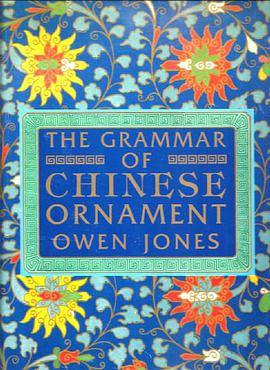
Grammar of Chinese Ornament Douban
author:
Owen Jones
publishing house:
Studio Editions
1987