銀河是我的跑馬場捏! - 标记

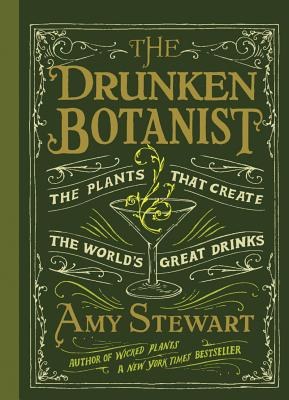
The Drunken Botanist 豆瓣
作者:
Amy Stewart
Algonquin Books
2013
- 3
A New York Times Bestseller
Sake began with a grain of rice. Scotch emerged from barley, tequila from agave, rum from sugarcane, bourbon from corn. Thirsty yet? In The Drunken Botanist, Amy Stewart explores the dizzying array of herbs, flowers, trees, fruits, and fungi that humans have, through ingenuity, inspiration, and sheer desperation, contrived to transform into alcohol over the centuries.
Of all the extraordinary and obscure plants that have been fermented and distilled, a few are dangerous, some are downright bizarre, and one is as ancient as dinosaurs--but each represents a unique cultural contribution to our global drinking traditions and our history.
This fascinating concoction of biology, chemistry, history, etymology, and mixology--with more than fifty drink recipes and growing tips for gardeners--will make you the most popular guest at any cocktail party.
Sake began with a grain of rice. Scotch emerged from barley, tequila from agave, rum from sugarcane, bourbon from corn. Thirsty yet? In The Drunken Botanist, Amy Stewart explores the dizzying array of herbs, flowers, trees, fruits, and fungi that humans have, through ingenuity, inspiration, and sheer desperation, contrived to transform into alcohol over the centuries.
Of all the extraordinary and obscure plants that have been fermented and distilled, a few are dangerous, some are downright bizarre, and one is as ancient as dinosaurs--but each represents a unique cultural contribution to our global drinking traditions and our history.
This fascinating concoction of biology, chemistry, history, etymology, and mixology--with more than fifty drink recipes and growing tips for gardeners--will make you the most popular guest at any cocktail party.
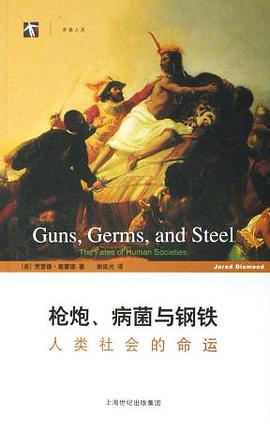
枪炮、病菌与钢铁 豆瓣 Goodreads
Guns, Germs and Steel: The Fates of Human Societies
8.5 (275 个评分)
作者:
[美国] 贾雷德·戴蒙德
译者:
谢延光
上海世纪出版集团
2006
- 4
为什么是欧亚大陆人征服、赶走或大批杀死印第安人、澳大利亚人和非洲人,而不是相反?为什么么小麦和玉米、牛和猪以及现代世界的其他一些“不了起的”作物和牲畜出现在这些特定地区,而不是其他地区?在这部开创性的著作中,演化生物学家贾雷德.戴蒙德揭示了事实上有助于形成历史最广泛模式的环境因素,从而以震撼人心的力量摧毁了以种族主义为基础的人类史理论,因其突出价值和重要性,本书荣获1998年美国普利策奖和英国科普书奖,并为《纽约时报》畅销书排行榜作品。
本书是理解人类社会发展史方面的一个重大进展,它记录了现代世界及其诸多不平等所以形成的原因,也是一部真正关于全世界各民族的历史,是对人类生活的完整一贯的叙述,娓娓道来,具有很强的可读性。
本书是理解人类社会发展史方面的一个重大进展,它记录了现代世界及其诸多不平等所以形成的原因,也是一部真正关于全世界各民族的历史,是对人类生活的完整一贯的叙述,娓娓道来,具有很强的可读性。
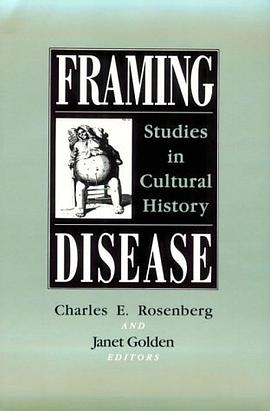
Framing Disease 豆瓣
作者:
Charles E. Rosenberg
/
Janet Golden
Rutgers University Press
1992
- 3
"In some ways disease does not exist until we have agreed that it does, by perceiving, naming, and responding to it," writes Charles E. Rosenberg in his introduction to this stimulating set of essays. Disease is both a biological and a social phenomenon. Patient, doctor, family, and social institutions--including employers, government, and insurance companies--all find ways to frame the biological event in terms that make sense to them and serve their own ends. Many diseases discussed here--endstage renal disease, rheumatic fever, parasitic infectious diseases, coronary thrombosis--came to be defined, redefined, and renamed over the course of several centuries. As these essays show, the concept of disease has also been used to frame culturally resonant behaviors: suicide, homosexuality, anorexia nervosa, chronic fatigue syndrome. Disease is also framed by public policy, as the cases of industrial disability and forensic psychiatry demonstrate. Medicl institutions, as managers of people with disease, come to have vested interests in diagnoses, as the histories of facilities to treat tuberculosis or epilepsy reveal. Ultimately, the existence and conquest of disease serve to frame a society's sense of its own "healthiness" and to give direction to social reforms. The contributors include Steven J. Peitzman, Peter C. English, John Farley, Christopher Lawrence, Michael Macdonald, Bert Hansen, Joan Jacobs Brumberg, Robert A. Aronowitz, Gerald Markowitz, David Rosner, Janet A. Tighe, Barbara Bates, Ellen Dwyer, John M. Eyler, and Elizabeth Fee. Charles Rosenberg is Janice and Julian Bers Professor of the History of Science at the University of Pennsylvania. Janet Golden is an assistantprofessor of history at Rutgers University.
Summer Nights, Walking 豆瓣
作者:
Robert Adams
Aperture/Yale University Art Gallery
2009
- 10
In this exquisitely produced book Robert Adams revisits the classic collection of nocturnal landscapes that he began making in the mid-1970s near his former home in Longmont, Colorado. Originally published by Aperture in 1985 as Summer Nights, this new edition has been carefully re-edited and re-sequenced by the photographer, who has added thirty-nine previously unpublished images. Illuminated by moonlight and streetlamp, the houses, roads, sidewalks, and fields in Summer Nights, Walking retain the wonder and stillness of the original edition, while adopting the artists intention of a dreamy fluidity, befitting his nighttime perambulations. The extraordinary care taken with the new reproductions also registers Adamss attention to the subtleties of the night, and conveys his appeal to look again at places we might have dismissed as uninteresting. Adams observes, What attracted me to the subjects at a new hour was the discovery then of a neglected peace. By virtue of the subtlety and stillness that infuses this classic body of work, Summer Nights, Walking offers a reason to feel, once more, a regard for the quotidian American landscape.
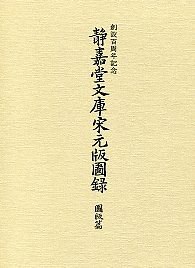
静嘉堂文庫宋元版図録 豆瓣
作者:
静嘉堂文庫
汲古書院
1992
- 4
静嘉堂文庫は、 三菱二代社長岩崎彌之助氏によって創設され、 平成四年創立百周年を迎えた。 和漢の善本の蒐集に努め中でも清国の陸心源蔵書を中核とする宋元版は世界屈指の宝庫である。 宋元版253部の一大図録が完成。文庫略史・宋元版解説・各種索引付き。
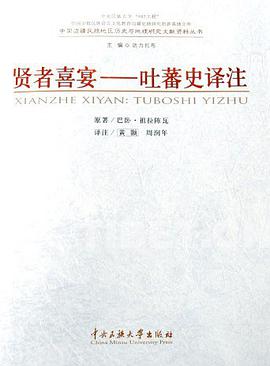
贤者喜宴 豆瓣
作者:
巴卧•祖拉陈瓦
译者:
黄颢
/
周润年
中央民族大学出版社
2010
- 8
《贤者喜宴:吐蕃史译注》中心的宗旨是:以基础研究为主,应用研究为辅,坚持百家争鸣,鼓励学术创新。注重选题的前沿性,在充分利用汉文史料基础上,鼓励发掘少数民族语文文献史料和域外史料,注重田野调查,在获取第一手资料的基础上,取得原创性成果。努力推出新人新作,培养中青年学者,建设一支高水平的学术队伍。史料是史学研究的基础,整理出版汉文及少数民族文字文献史料,并进行研究,是本中心的一项重要工作。《中国边疆民族地区历史与地理研究文献资料丛书》将收入本中心整理研究的有关边疆民族地区历史与地理的文献资料成果,通过出版这些文献资料,我们希望能给学术界带来一些新鲜的资料和使用的便利,促进中国边疆民族地区历史与地理研究的深入。
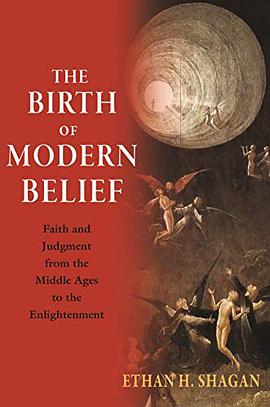
The Birth of Modern Belief 豆瓣 谷歌图书
作者:
Ethan H. Shagan
Princeton University Press
2019
- 1
An illuminating history of how religious belief lost its uncontested status in the West
This landmark book traces the history of belief in the Christian West from the Middle Ages to the Enlightenment, revealing for the first time how a distinctively modern category of belief came into being. Ethan Shagan focuses not on what people believed, which is the normal concern of Reformation history, but on the more fundamental question of what people took belief to be.
Shagan shows how religious belief enjoyed a special prestige in medieval Europe, one that set it apart from judgment, opinion, and the evidence of the senses. But with the outbreak of the Protestant Reformation, the question of just what kind of knowledge religious belief was—and how it related to more mundane ways of knowing—was forced into the open. As the warring churches fought over the answer, each claimed belief as their exclusive possession, insisting that their rivals were unbelievers. Shagan challenges the common notion that modern belief was a gift of the Reformation, showing how it was as much a reaction against Luther and Calvin as it was against the Council of Trent. He describes how dissidents on both sides came to regard religious belief as something that needed to be justified by individual judgment, evidence, and argument.
Brilliantly illuminating, The Birth of Modern Belief demonstrates how belief came to occupy such an ambivalent place in the modern world, becoming the essential category by which we express our judgments about science, society, and the sacred, but at the expense of the unique status religion once enjoyed.
This landmark book traces the history of belief in the Christian West from the Middle Ages to the Enlightenment, revealing for the first time how a distinctively modern category of belief came into being. Ethan Shagan focuses not on what people believed, which is the normal concern of Reformation history, but on the more fundamental question of what people took belief to be.
Shagan shows how religious belief enjoyed a special prestige in medieval Europe, one that set it apart from judgment, opinion, and the evidence of the senses. But with the outbreak of the Protestant Reformation, the question of just what kind of knowledge religious belief was—and how it related to more mundane ways of knowing—was forced into the open. As the warring churches fought over the answer, each claimed belief as their exclusive possession, insisting that their rivals were unbelievers. Shagan challenges the common notion that modern belief was a gift of the Reformation, showing how it was as much a reaction against Luther and Calvin as it was against the Council of Trent. He describes how dissidents on both sides came to regard religious belief as something that needed to be justified by individual judgment, evidence, and argument.
Brilliantly illuminating, The Birth of Modern Belief demonstrates how belief came to occupy such an ambivalent place in the modern world, becoming the essential category by which we express our judgments about science, society, and the sacred, but at the expense of the unique status religion once enjoyed.

点石斋画报 豆瓣
作者:
吴友如,等
2009
- 9
《点石斋画报》的办报宗旨是“仿照西人成式,一切新闻采皆自中外各报”。上到朝政大事、中外战局、下至三教九流、市井百态;包括各国风俗景物、著名建筑、火车轮船以及声、光、化、电等近代科学知识均有报导。举凡当时发生在国内外的大小事件、街谈巷议大小异闻,一旦传到上海并成为吸引大家眼球的“爆料”,都会被纳入画报当中。表现方法多为四字为题,一事一画,上文下图。由于《点石斋画报》附属于《申报》,新闻来源充足,报导及时,且贴近生活,再加上画作精美,图文并茂,很快便收到了既宜读、又宜看的效果,成为了近代中国第一份专门刊载时事要闻、社会新闻、市井传言、域外风情与奇人奇事的综合性画报。即以此次重印的《点石斋画报》二集而论,里面的报导除国内新闻外,已涉及环球各国。既有反映彼时军事、政治的画面,也有揭露朝廷腐败和官场丑恶的内容,但更多的还是大量贴近普通人的社会新闻,如城乡老百姓的疾苦灾难,街头巷尾的奇闻逸事以及形形色色、五花八门的时效“花边”等。
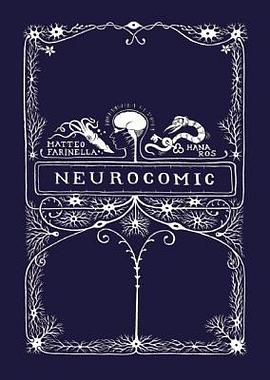
Neurocomic 豆瓣
作者:
Ros, Hana; Farinella, Matteo;

The Portable Atheist 豆瓣 Goodreads
作者:
Christopher Hitchens
Da Capo Press
2007
- 11
From the #1 New York Times best-selling author of God Is Not Great, a provocative and entertaining guided tour of atheist and agnostic thought through the ages--with never-before-published pieces by Salman Rushdie, Ian McEwan, and Ayaan Hirsi Ali.Christopher Hitchens continues to make the case for a splendidly godless universe in this first-ever gathering of the influential voices--past and present--that have shaped his side of the current (and raging) God/no-god debate. With Hitchens as your erudite and witty guide, you’ll be led through a wealth of philosophy, literature, and scientific inquiry, including generous portions of the words of Lucretius, Benedict de Spinoza, Charles Darwin, Karl Marx, Mark Twain, George Eliot, Bertrand Russell, Emma Goldman, H. L. Mencken, Albert Einstein, Daniel Dennett, Sam Harris, Richard Dawkins, and many others well-known and lesser known. And they’re all set in context and commented upon as only Christopher Hitchens--“political and literary journalist extraordinaire” (Los Angeles Times)--can. Atheist? Believer? Uncertain? No matter: The Portable Atheist will speak to you and engage you every step of the way.
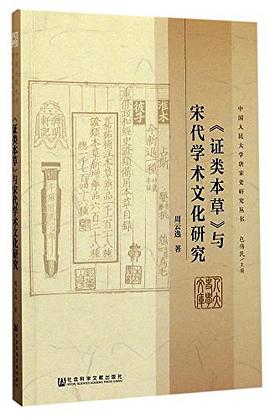
《证类本草》与宋代学术文化研究 豆瓣
作者:
周云逸
社会科学文献出版社
2017
- 8
本书利用文献学的方法,在全面把握宋代本草学巨著《证类本草》之前的本草学史的基础上,深入考察《证类本草》成书的历史背景、主要体例和重要传本,系统梳理《证类本草》征引的宋代文献,多角度、多层次地将其与宋代方剂学、训诂学、道教、史学、文学相关著作进行对比研究,揭示《证类本草》的本草学价值、文献辑佚价值及其体现的宋代本草学的特征及隐患,有助于深化宋代医药史、文化史的研究。
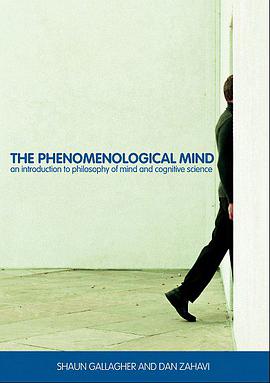
The Phenomenological Mind 豆瓣
作者:
Shaun Gallagher
/
Dan Zahavi
Routledge
2008
- 1
"The Phenomenological Mind" is the first book to properly introduce fundamental questions about the mind from the perspective of phenomenology. Key questions and topics covered include: What is phenomenology?; naturalizing phenomenology and the empirical cognitive sciences; phenomenology and consciousness; consciousness and self-consciousness, including perception and action; time and consciousness, including William James; intentionality; the embodied mind; action; knowledge of other minds; situated and extended minds; and phenomenology and personal identity. Interesting and important examples are used throughout, including phantom limb syndrome, blindsight and self-disorders in schizophrenia, making "The Phenomenological Mind" an ideal introduction to key concepts in phenomenology, cognitive science, and philosophy of mind.

Lineage and Community in China, 1100–1500 豆瓣
作者:
He Xi
Routledge
2020
- 2
Tracing descent from common ancestors was extremely important in imperial China. Members of such lineage communities sacrificed to ancestors in periodic ceremonies, maintained written genealogies to demonstrate their descent, and held some properties in common. This book, based on extensive original research, provides evidence that the practice originated much earlier than previously understood. It shows that in the eleventh century, in southern China under the Song dynasty, the method of compiling a genealogy in the form a table, that is, to say a family tree, replaced its statement as a textual paragraph and that this allowed the tracking of multi-line descent in ways that had previously been impossible. The book also reveals that the practice of recording and presenting genealogical information was not originally unique to communities of common surnames, but that the Southern Song government, keen to encourage loyalty to the state and cohesion within communities, favoured the building of common surname lineages, a practice which then had far-reaching consequences for the nature of Chinese society over a very long period.
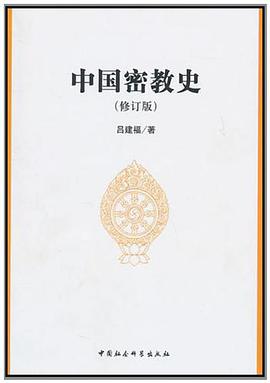
中国密教史 豆瓣
作者:
吕建福
1995
- 8
密教,又称秘密佛教。作为一种宗教神秘主义,其源头可以追溯到印度佛教出现之前。作为一种解脱手段,它属于简捷法门,可以使修持者即身成佛。从历史的角度看,中国密教始于东汉末,而盛于中唐以后,并远播日本、韩国等。作为大乘佛教的晚期形式,密教的基本精神和成熟形式又都保留于我国的西藏。
本书是一部旨在反映秘密佛教在中国发展演变的历史为主、兼及世界其它地区和传承系统的密教整体历史的学术专著。所有章节的安排设计和内容的繁简取舍,都围绕中国密教这个中心议题。这里所谓的“中国”称“中国密教”。主要讲汉传佛教而兼及藏传佛教。由于目前尚多考证,略议论、少重复的方法,注意系统性和完整性,并将宗派传承的历史和一般信仰的历史相结合,力求反映和提示出中国宗教发展演变的基本史实和历史规律。古代各部分,凡涉及与其它佛教史菱相重复的,均从略。近代部分,因资料所限,亦从略。印度密教,着重探讨历史密教的起源、形成和早中期历史,晚期历史因藏译中有比较系统的记载,故有待于来者。藏传密教及大理密教,广义上也在中国密教的范围之内,但自成体系,传承有别,故作全面论述,而重点仍在(藏传)传入同地的历史。日本密教及朝鲜密教,根据已有的研究(日本)加以介绍,但突出与中国密教直接相关的入唐八家。本书是从历史学角度探讨中国密教乃至整个密教的一部尝试性著作。
本书以客观的态度,翔实的史料,科学地再现了中国秘密佛教的历史轨迹和理论概貌。
本书是一部旨在反映秘密佛教在中国发展演变的历史为主、兼及世界其它地区和传承系统的密教整体历史的学术专著。所有章节的安排设计和内容的繁简取舍,都围绕中国密教这个中心议题。这里所谓的“中国”称“中国密教”。主要讲汉传佛教而兼及藏传佛教。由于目前尚多考证,略议论、少重复的方法,注意系统性和完整性,并将宗派传承的历史和一般信仰的历史相结合,力求反映和提示出中国宗教发展演变的基本史实和历史规律。古代各部分,凡涉及与其它佛教史菱相重复的,均从略。近代部分,因资料所限,亦从略。印度密教,着重探讨历史密教的起源、形成和早中期历史,晚期历史因藏译中有比较系统的记载,故有待于来者。藏传密教及大理密教,广义上也在中国密教的范围之内,但自成体系,传承有别,故作全面论述,而重点仍在(藏传)传入同地的历史。日本密教及朝鲜密教,根据已有的研究(日本)加以介绍,但突出与中国密教直接相关的入唐八家。本书是从历史学角度探讨中国密教乃至整个密教的一部尝试性著作。
本书以客观的态度,翔实的史料,科学地再现了中国秘密佛教的历史轨迹和理论概貌。
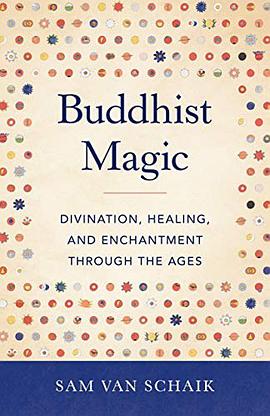
Buddhist Magic: Divination, Healing, and Enchantment through the Ages 豆瓣
Buddhist Magic: Divination, Healing, and Enchantment through the Ages
作者:
Sam Van Schaik
Shambhala
2020
- 7
A fascinating exploration of the role that magic has played in the history of BuddhismAs far back as we can see in the historical record, Buddhist monks and nuns have offered services including healing, divination, rain making, aggressive magic, and love magic to local clients. Studying this history, scholar Sam van Schaik concludes that magic and healing have played a key role in Buddhism's flourishing, yet they have rarely been studied in academic circles or by Western practitioners. The exclusion of magical practices and powers from most discussions of Buddhism in the modern era can be seen as part of the appropriation of Buddhism by Westerners, as well as an effect of modernization movements within Asian Buddhism. However, if we are to understand the way Buddhism has worked in the past, the way it still works now in many societies, and the way it can work in the future, we need to examine these overlooked aspects of Buddhist practice.In Buddhist Magic, van Schaik takes a book of spells and rituals--one of the earliest that has survived--from the Silk Road site of Dunhuang as the key reference point for discussing Buddhist magic in Tibet and beyond. After situating Buddhist magic within a cross-cultural history of world magic, he discusses sources of magic in Buddhist scripture, early Buddhist rituals of protection, medicine and the spread of Buddhism, and magic users. Including material from across the vast array of Buddhist traditions, van Schaik offers readers a fascinating, nuanced view of a topic that has too long been ignored.
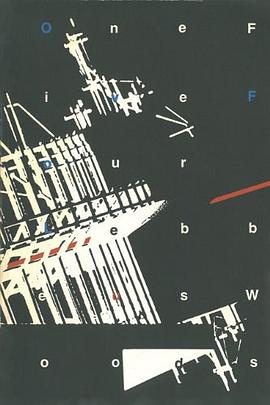
One Five Four 豆瓣
作者:
Woods, Lebbeus
2011
- 2
Lebbeus Woods is a true visionary, whose drawings are among the richest and passionate as any in the history of architecture. For his first monograph, OneFiveFour, Woods painstakingly drew a book of two-page spreadsthat weave text, architectural elements, math, and physics into a unique vision of a new humanism for the information age. The powerful immediacy of the art makes it one of the most influential books we have ever published. Critic Michael Sorkin says it best: "In the mesmerizing, astonishingly wrought images of Lebbeus Woods...we are plunged into unfamiliar territory, a world of architecture beginning again....His ever-expanding discourse of the almost impossible is aninspiration not just to build, but to think."
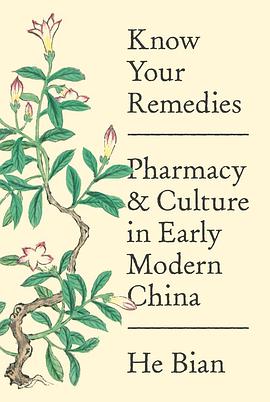
Know Your Remedies 豆瓣 Goodreads
作者:
He Bian
Princeton University Press
2020
- 4
Know Your Remedies presents a panoramic inquiry into China’s early modern cultural transformation through the lens of pharmacy. In the history of science and civilization in China, pharmacy—as a commercial enterprise and as a branch of classical medicine—resists easy characterization. While China’s long tradition of documenting the natural world through state-commissioned pharmacopeias, known as bencao, dwindled after the sixteenth century, the ubiquitous presence of Chinese pharmacy shops around the world today testifies to the vitality of Traditional Chinese Medicine. Rejecting narratives of intellectual stagnation or an unchanging folk culture, He Bian argues that pharmacy’s history in early modern China can best be understood as a dynamic interplay between elite and popular culture.
Beginning with decentralizing trends in book culture and fiscal policy in the sixteenth century, Bian reveals pharmacy’s central role in late Ming public discourse. Fueled by factional politics in the early 1600s, amateur investigation into pharmacology reached peak popularity among the literati on the eve of the Qing conquest in the mid-seventeenth century. The eighteenth century witnessed a systematic reclassification of knowledge, as the Qing court turned away from pharmacopeia in favor of a demedicalized natural history. Throughout this time, growth in long-distance trade enabled the rise of urban pharmacy shops, generating new knowledge about the natural world.
Beginning with decentralizing trends in book culture and fiscal policy in the sixteenth century, Bian reveals pharmacy’s central role in late Ming public discourse. Fueled by factional politics in the early 1600s, amateur investigation into pharmacology reached peak popularity among the literati on the eve of the Qing conquest in the mid-seventeenth century. The eighteenth century witnessed a systematic reclassification of knowledge, as the Qing court turned away from pharmacopeia in favor of a demedicalized natural history. Throughout this time, growth in long-distance trade enabled the rise of urban pharmacy shops, generating new knowledge about the natural world.
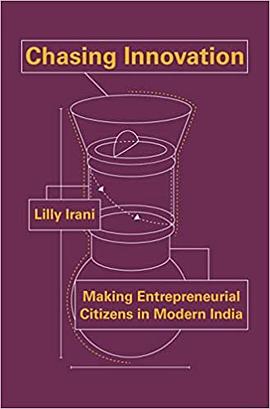
Chasing Innovation 豆瓣
作者:
Lily Irani
Princeton University Press
2019
- 3
Can entrepreneurs develop a nation, serve the poor, and pursue creative freedom, all while generating economic value? In Chasing Innovation, Lilly Irani shows the contradictions that arise as designers, engineers, and businesspeople frame development and governance as opportunities to innovate. Irani documents the rise of “entrepreneurial citizenship” in India over the past seventy years, demonstrating how a global ethos of development through design has come to shape state policy, economic investment, and the middle class in one of the world’s fastest-growing nations.
Drawing on her own professional experience as a Silicon Valley designer and nearly a decade of fieldwork following a Delhi design studio, Irani vividly chronicles the practices and mindsets that hold up professional design as the answer to the challenges of a country of more than one billion people, most of whom are poor. While discussions of entrepreneurial citizenship promise that Indian children can grow up to lead a nation aspiring to uplift the poor, in reality, social, economic, and political structures constrain whose enterprise, which hopes, and which needs can be seen as worthy of investment. In the process, Irani warns, powerful investors, philanthropies, and companies exploit citizens’ social relations, empathy, and political hope in the quest to generate economic value. Irani argues that the move to recast social change as innovation, with innovators as heroes, frames others—craftspeople, workers, and activists—as of lower value, or even dangers to entrepreneurial forms of development.
With meticulous historical context and compelling stories, Chasing Innovation lays bare how long-standing power hierarchies such as class, caste, language, and colonialism continue to shape opportunity in a world where good ideas supposedly rule all.
Drawing on her own professional experience as a Silicon Valley designer and nearly a decade of fieldwork following a Delhi design studio, Irani vividly chronicles the practices and mindsets that hold up professional design as the answer to the challenges of a country of more than one billion people, most of whom are poor. While discussions of entrepreneurial citizenship promise that Indian children can grow up to lead a nation aspiring to uplift the poor, in reality, social, economic, and political structures constrain whose enterprise, which hopes, and which needs can be seen as worthy of investment. In the process, Irani warns, powerful investors, philanthropies, and companies exploit citizens’ social relations, empathy, and political hope in the quest to generate economic value. Irani argues that the move to recast social change as innovation, with innovators as heroes, frames others—craftspeople, workers, and activists—as of lower value, or even dangers to entrepreneurial forms of development.
With meticulous historical context and compelling stories, Chasing Innovation lays bare how long-standing power hierarchies such as class, caste, language, and colonialism continue to shape opportunity in a world where good ideas supposedly rule all.