銀河是我的跑馬場捏! - 标记
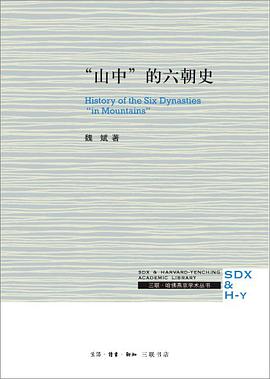
“山中”的六朝史 豆瓣 谷歌图书
9.7 (13 个评分) 作者: 魏斌 生活·读书·新知三联书店 2019 - 8
在六朝江南社会,“山中”这一地理空间发生了巨大的变迁。随着佛教山寺的兴起、道教洞天体系和山中修道的宫观化,一些山岳成为寺馆集中的宗教圣地,江南山岳完成“名山化”的过程,文化景观呈现出独特的面貌和地理格局。作者立足山岳,全面搜集正史以外的宗教文献、文学作品、石刻史料等,打通佛道二教,透过若干个案的“深描”,细腻地展现了山岳历史自身的发展脉络(从山神祭祀到佛道寺馆的过程),佛道与民间信仰在山岳中活动的复杂关系。名山,特别是江南洞天福地的出现与山中景观的变迁,因此得到了鲜活而饱满的解释。六朝时代,乃至秦到隋唐历史演进的丰富内涵与时代意义,从而更完整地呈现在读者面前。
2019年9月22日 想读
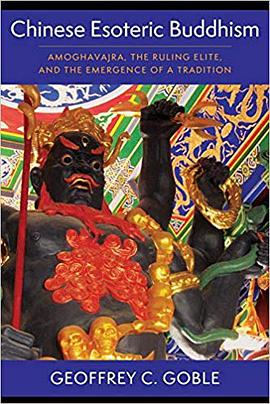
Chinese Esoteric Buddhism 豆瓣
作者: Geoffrey C. Goble Columbia University Press 2019 - 10
Chinese Esoteric Buddhism is generally held to have been established as a distinct and institutionalized Buddhist school in eighth-century China by “the Three Great Masters of Kaiyuan”: Śubhākarasiṃha, Vajrabodhi, and Amoghavajra. Geoffrey C. Goble provides an innovative account of the tradition’s emergence that sheds new light on the structures and traditions that shaped its institutionalization.
Goble focuses on Amoghavajra (704–774), contending that he was the central figure in Esoteric Buddhism’s rapid rise in Tang dynasty China, and the other two “patriarchs” are known primarily through Amoghavajra’s teachings and writings. He presents the scriptural, mythological, and practical aspects of Chinese Esoteric Buddhism in the eighth century and places them in the historical contexts within which Amoghavajra operated. By telling the story of Amoghavajra’s rise to prominence and of Esoteric Buddhism’s corresponding institutionalization in China, Goble makes the case that the evolution of this tradition was predicated on Indic scriptures and practical norms rather than being the product of conscious adaptation to a Chinese cultural environment. He demonstrates that Esoteric Buddhism was employed by Chinese rulers to defeat military and political rivals. Based on close readings of a broad range of textual sources previously untapped by English-language scholarship, this book overturns many assumptions about the origins of Chinese Esoteric Buddhism.
=======
By focusing on the career and legacy of Amoghavajra, one of the most significant figures in the history of East Asian Buddhism, Geoffrey C. Goble's work provides a detailed image of Esoteric Buddhism in elite Chinese society and fills a long-standing lacuna in the field of Chinese Buddhist studies. Through careful translation and close reading of a wide range of textual sources, Chinese Esoteric Buddhism advances our understanding of Esoteric Buddhism as an elite religious tradition in Tang China and also illuminates the dynamic relationship between the Chinese imperial state and religious practitioners and institutions. Goble's work provides a granular study of the historical, cultural, and personal factors that contributed to Amoghavajra's rise to influence and the formation of Esoteric Buddhism in Tang China. Chinese Esoteric Buddhism is necessary reading for all who are interested in the Tang Dynasty, East Asian Esoteric Buddhism, and early tantric Buddhism.
Bernard Faure, Columbia University
Carefully attending to historical context, Goble clarifies Amoghavajra's role as propagator of Buddhist tantras in China. Demonstrating how his teachings found favor by conforming to Tang dynasty imperial religion and by promoting lethal rites, Goble then traces Amoghavajra's political and religious legacy and his function as an index for the collection and circulation of texts and discourses in subsequent Chinese Buddhist history.
Charles D. Orzech, Colby College
Goble's treatment demonstrates that Amoghavajra is one of the preeminent figures in the history of Buddhism, not just in East Asia but in the entire history of Buddhism. As a Buddhist thinker and practitioner Amoghavajra stands equal to any other landmark figure. Goble's definitive study brings new clarity to the debate over the nature, practices, and institutional existence of an Esoteric Buddhism in Tang China. In fact that debate can now be considered closed.
Richard K. Payne, Institute of Buddhist Studies
Amoghavajra stands out as a towering beacon in the history of Esoteric Buddhism in China, and no study on this important Buddhist tradition would be complete without referring to him and his achievements. In this new study Geoffrey C. Goble takes a critical look at Amoghavajra and his legacy, and in this process undertakes an in-depth investigation into the primary sources, in particular those which elucidate the Buddhist master's intimate relationship with the Tang court and the country's political elite during the middle and second half of the eighth century. Goble's study is therefore as much about elite religion as it is about the interface between the Buddhist religion and politics in late medieval China. A must for anyone interested in Tang history and Esoteric Buddhism.
Henrik H. Sørensen, Ruhr University
2019年9月21日 想读
宋至清代身分法研究 豆瓣
作者: 高桥芳郎 译者: 李冰逆 上海世纪出版股份有限公司 2015 - 6
本书为高桥芳郎从事研究工作25年来所发表的有关身分法的论文结集,每篇论文自成一章,又相互联系,在分别解决宋以后身分法若干关键问题的基础上,共同构成了作者对这一时期身分法史的基本理解。书中所收论文曾在日本学界引起过很大反响,获得了学界的高度评价,也曾引起过激烈的讨论。作者致力于采用身分法的观点来研究中国社会,在着重于“法”的层面进行探讨的同时,还大量使用各个时代的笔记、小说、方志等社会史资料,对宋元以来的奴婢、雇佣人、佃仆、佃客、义子孙、雇工人等底层社会的身分特征及其概念内涵详加辨析,生动、全面而立体地剖析了国家统治与社会实态的变革与互动,对于阐明宋元以来中国底层社会的构成及身分法奠定了坚实的基础,为宋元以来社会史、法制史研究者的必读书目。
2019年9月20日 想读
朝野与雅俗 豆瓣
作者: 赵惠俊 复旦大学出版社 2019 - 4
本书以宋徽宗朝为考察基点,在两宋士大夫政治、国家礼乐制度、帝王文艺政策、朝野文学空间、令曲与慢词,士大夫词人与专业词人等研究视角下探索宋真宗至高宗朝词坛生态,梳理词体雅化的多维脉络以及重要词人的雅化贡献。尝试在传统词学理论的基础上,结合宋代政治史、诗文、书画等领域的研究范式与成果,将词体文学放归到两宋政治、文化的大环境中予以讨论,为两宋词史、词体雅化等词学命题带来新的阐释框架与相关结论,并以此对柳永、苏轼、周邦彦等经典词人词作予以考索与细读,期求有助于词学研究的深入。
2019年9月20日 想读
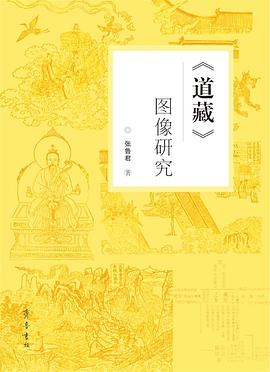
《道藏》图像研究 豆瓣
作者: 张鲁君 2017 - 8
《<道藏>图像研究》是在我2009年博士学位论文的基础上修改而成。参加工作后,我进入文化产业管理专业的工作岗位。在教学科研过程中,我一直希望能把宗教艺术史和文化产业研究结合起来。后来我以博士论文为基础,一方面对论文内容进行修改完善,另一方面做了诸多拓展研究。《<道藏>图像研究》主要是第一方面的工作成果,由于内容相对独立,又被某位同行抄袭(书中绪论、第二章、第三章、第四章第四节、第五章*节大量内容被《艺术与信仰——道经图像与中国传统绘画关系研究》一书抄袭),所以决定尽量保持原来的框架结构单独出版。
2019年9月20日 想读
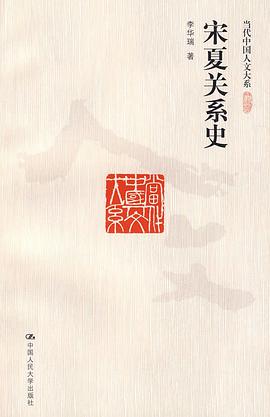
宋夏关系史 豆瓣
作者: 李华瑞 中国人民大学出版社 2010 - 3
全书引用各种文献资料200余种,正文分12章。主要论述了北宋对西夏政策的演变,北宋末期及南宋与西夏的关系,宋夏的统兵体制、兵力配置、装备、给养,宋夏的历次重要战役,宋夏战争的阶段划分及各阶段的特点,宋夏贸易与双方战争的关系,宋夏与辽的三角关系,宋夏对西部吐蕃、党项等族的争夺,北宋和西夏的交聘情况,以及双方的国信使制度、“外交”文书等,尾论就宋夏关系史的研究方法、史料的运用以及相关理论问题作了简要的论述。
2019年9月17日 想读
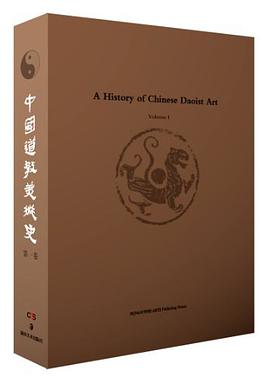
中国道教美术史 豆瓣
作者: 李凇 湖南美术出版社 2013 - 3
《中国道教美术史(第1卷)》内容简介:《中国道教美术史》以历史发展为顺序,从前道教的战国时期到清代,涵盖了道教的整个发展时期。以现存实物为主要线索,结合于历史文献。以实地调查为主要方法,除了已经发表的材料外,更加注重第一手的新材料,同时将材料的描述与分析研究结合起来,既要突出资料的完整性和新鲜性,也要强调研究的深度。全书共分三卷。第一章 前道教美术;第二章 借鉴与互动:南北朝时期的道教美术;第三章 独立与兴盛:隋唐时期的道教美术;第四章 系统的建立:五代两宋时期的道教美术;第五章 再创辉煌:元代的道教美术;第六章 融入与普及:明清时期的道教美术。
海报:
2019年9月12日 想读
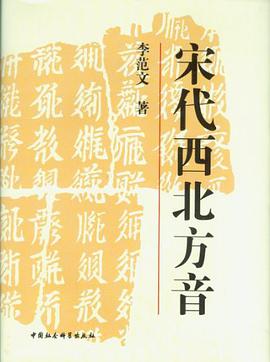
宋代西北方音 豆瓣
作者: 李范文 1994 - 6
《宋代西北方音》共分为十二章,主要对《掌中珠》两种抄本勘误、《掌中珠》注音释读、汉文复字注音与附加符号考释、宋代西北方音与唐五代、近代方音比较、《掌中珠》版本比较、《掌中珠》检字索引等方面进行了详细的介绍。适合对读音感兴趣的读者阅读。
2019年9月8日 想读
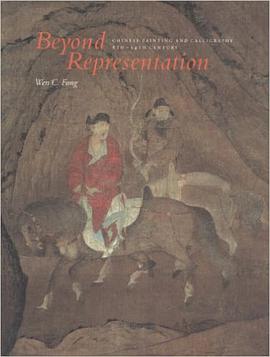
Beyond Representation 豆瓣
作者: Wen C. Fong Yale University Press 1992
This book presents a survey of Chinese painting from the eighth to the 14th century, a period during which the nature of China's pictorial art changed dramatically. Illustrated by works in the collection of The Metropolitan Museum of Art, New York, the author begins by describing the advent toward the end of the Bronze Age of figural representation in Chinese art, and next traces the development of Chinese landscape painting from the third to the tenth century. He then moves on to discuss the art of the Sung dynasty, when the imperial government was increasingly absolute and repressive. In this period artists shifted from a realistic rendition of nature to more symbolic representation of single flowers, rocks and trees. By the time of the Yuan dynasty, following the Mongol conquest of 1279, objective representation in art had been replaced by imagery that drew on the artist's inner response to his world. Because it was believed that the meaning of a painted subject, made complex by personal and symbolic associations, could no longer be expressed without language, the painter began to inscribe poems and incorporate calligraphy in his works, the multiple relationships among word, image and calligraphy forming the basis of a new art. At this stage Chinese art entered its richest and most diverse stage f development.
2019年9月2日 想读
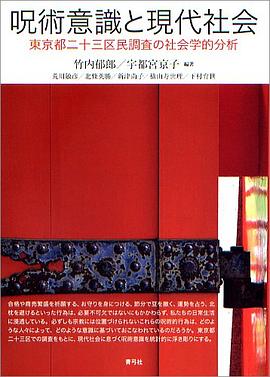
呪術意識と現代社会 豆瓣
作者: 竹内 郁郎 / 宇都宮 京子 編著 青弓社 2010 - 2
運勢を占う、節分の豆撒き、初詣、お守り、神社への祈願などの呪術的行為はどのような人々がどのような意識でおこなっているのか。東京都23区での調査を世代・性別・地域ごとに精密に分析して解読し、現代社会に息づく呪術意識を統計的に浮き彫りにする。
2019年8月31日 想读
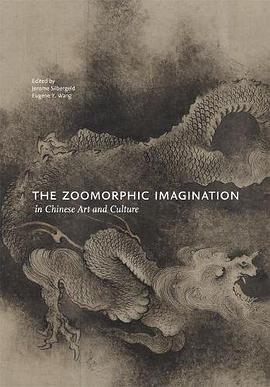
The Zoomorphic Imagination in Chinese Art and Culture 豆瓣
作者: Jerome Silbergeld / Eugene Y. Wang University of Hawaii Press 2016 - 10
China has an age-old zoomorphic tradition. The First Emperor was famously said to have had the heart of a tiger and a wolf. The names o f foreign tribes were traditionally written with characters that included animal radicals. Splendidly illustrated with works ranging from Bronze Age vessels to twentieth-century conceptual pieces, this volume is a wide-ranging look at zoomorphic and anthropomorphic imagery in Chinese art. The contributors, leading scholars in Chinese art history and related fields, consider depictions of animals not as simple, one-for-one symbolic equivalents: they pursue in depth, in complexity, and in multiple dimensions the ways that Chinese have used animals from earliest times to the present day to represent and rhetorically stage complex ideas about the world around them, examining what this means about China, past and present.
In each chapter, a specific example or theme based on real or mythic creatures is derived from religious, political, or other sources, providing the detailed and learned examination needed to understand the means by which such imagery was embedded in Chinese cultural life. Bronze Age taotie motifs, calendrical animals, zoomorphic modes in Tantric Buddhist art, Song dragons and their painters, animal rebuses, Heaven-sent auspicious horses and foreign-sent tribute giraffes, the fantastic specimens depicted in the Qing Manual of Sea Oddities, the weirdly indeterminate creatures found in the contemporary art of Huang Yong Ping―these and other notable examples reveal Chinese attitudes over time toward the animal realm, explore Chinese psychology and patterns of imagination, and explain some of the critical means and motives of Chinese visual culture.
The Zoomorphic Imagination in Chinese Art and Culture will find a ready audience among East Asian art and visual culture specialists and those with an interest in literary or visual rhetoric.
2019年8月29日 想读 封面好美,想收纸版。
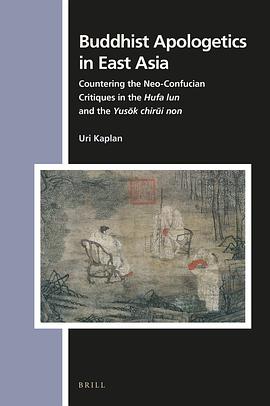
Buddhist Apologetics in East Asia 豆瓣
Brill Academic Pub 2019 - 9
While the Neo-Confucian critique of Buddhism is fairly well-known, little attention has been given to the Buddhist reactions to this harangue. The fact is, however, that over a dozen apologetic essays have been written by Buddhists in China, Korea, and Japan in response to the Neo-Confucians. Buddhist Apologetics in East Asia offers an introduction to this Buddhist literary genre. It centers on full translations of two dominant apologetic works—the Hufa lun (護法論), written by a Buddhist politician in twelfth-century China, and the Yusŏk chirŭi non (儒釋質疑論), authored by an anonymous monk in fifteenth-century Korea. Put together, these two texts demonstrate the wide variety of polemical strategies and the cross-national intertextuality of East Asian Buddhist apologetics.
2019年8月29日 想读
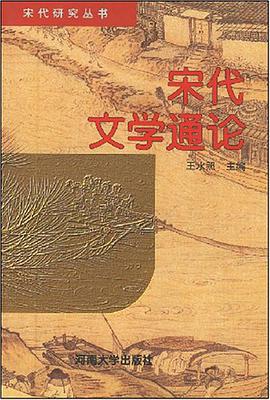
宋代文学通论 豆瓣
作者: 王水照 编 1997 - 6
后记
作为中国古代文学研究的一个分支,宋代文学研究近年来取得了不少成绩和进展,但从总体水平来看,似乎仍显薄弱。与邻近的唐代文学研究相比,所得成果较少,投入人力不多,研究力量颇弱;与宋史研究相比,在专题的开拓、理论的探讨乃至基础文献的整理等方面,也难望其项背。从宋代文学自身的研究格局而言,也有一些不平衡或学术空白之处,如时代上的重北宋轻南宋,文体上的重词轻诗、文,课题上的重大作家、轻中小作家,以及对文学现象、文学事实的研究上也存在一些不足和空缺。这种情况,对宋代文学研究者是一种巨大的鞭策。
改变这种不尽如人意的办法之一,是调整研究观念,更新视角,开拓思路,以期有新的突破。我们的写作即是就此作些力所能及的努力。本书以专题的方式组织整体框架,用以较为全面系统地论述两宋文学的概貌、特点、发展进程、历史地位和影响。这一条块明晰、各部分相对独立而又互为参证的有序结构,或可在现有通常流行的“以时代为序、以作家为中心”的教科书体例之外,更便于集中探讨一些文学现象的底蕴,便于从理论上总结某些规律性的问题,也便于表达我们学习宋代文学的一些基本认识和体会。探讨文学史的发展结构和历史脉络,是一个头绪繁多、包涵庞杂的任务。任何一部文学史,即便是最理想的文学史,都不可能代替文学史的全部研究工作,这就决定了文学史的编写体例和方式必然是多种多样的,各种编写方法总是各有长处和优点,也都不可避免地各有其局限和盲点(如分体合编、上论下史以及最流行的以时代为序的编写体例等),我们需要各种体例的文学史,以收互补交参、相得益彰之效。本书还不是一部宋代文学的断代史,但也希望能在用各种方式编写文学史方面积累一些经验。
我们的写作集体是个师生结合体。除我本人外,参加者都是复旦大学中文系的研究生,从我攻读唐宋文学的博士或硕士学位。虽然全书的宗旨要求、设计构思是我拟定的,并由我通稿、定稿,但本书也是教学相长的产物。这一二年来,他们每每来到我的堆放杂乱、色调沉重的书房,倾心畅谈,切磋琢磨,似乎忘掉外面商业浪潮的烦躁,重新体验一下读书人作为学术文化传承者的社会角色,总觉得有无穷的乐趣。愿此书的出版,当作这段共同笔耕读写生活的温馨纪念。兹记各人分工执笔的情况如下(以章节先后为序):
王水照:绪论。文体篇。
吕肖奂:体派篇第一章。
聂安福:体派篇第二章。思想篇第一章。
杨庆存:体派篇第三章。题材体裁篇第三章。
蒋安全:思想篇第二章、第三章。题材体裁篇第二章。
朱 刚:题材体裁篇第一章。结束语。陈 磊:学术史篇第一章。
吴河清:学术史篇第二章。时至今日,同学们有的已毕业离校,有的仍在继续攻读,但我们的研究工作还远未结束,毋庸说正刚刚开始——这个“开始”,对于已逾花甲之年的我来说,为时已晚,因而寄予年轻学人的期望,其殷切是不用言说的了。
工水蔗1995年6月于复旦大学
2019年8月27日 想读
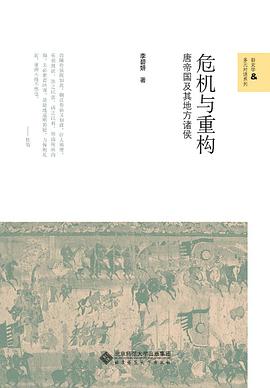
危机与重构 豆瓣 Goodreads
9.1 (31 个评分) 作者: 李碧妍 北京师范大学出版社 2015 - 8
聂隐娘身处的时代与周遭具体如何?
诸侯割据怎样促成了大唐帝国的重建并走向了自身的终结?
作者于盘根错节之中抽丝剥笋,给人以读推理小说的奇妙感
“安史之乱”无疑是中国中古史上的大事关键,但相对于其重要性,既往的研究却还远远不够。本书从政治地理学切入,通过对唐代后半期 最为重要的政治群体之一——藩镇的实证性考 察,对唐帝国得以成功度过“安史之乱”这一中古史上之剧变,并在由此创发的新兴的藩镇体制下,重建其政治权威与统治力的问题,给出了一个合理的历史解释,为我们重新认识中古史提供了一条重要的线索。
2019年8月26日 想读
宋大诏令集 豆瓣
作者: 司义祖整理 中华书局 1962 - 10
《宋大诏令集》是北宋九朝(公元960年宋太祖建隆起至公元1119年宋徽宗宣和止)的诏令汇编,共收诏令3,800多篇。《宋大诏令集》据铁琴铜剑楼抄本排印,并用读经庐抄本详加校订。
2019年8月26日 想读