銀河是我的跑馬場捏! - 标记
咒枣记 豆瓣
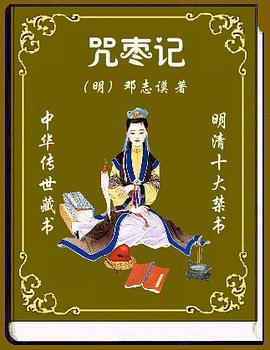
萨真人得道咒枣记
作者:
【明】邓志谟
咒枣记又名《萨真人得道咒枣记》 作者:(明)邓志谟,明萃庆堂刊本,正文卷端题“锲五代萨真人得道咒枣记”,卷首有〈萨真人咒枣记引〉。末署“竹溪散人题,时万历癸卯季秋之吉”。据此知书成于万历31年(1603)。
《咒枣记》中写萨真人积善学道,升飞成仙的故事。书中写惩戒王恶的情节,又见明余象斗《北游记》第22回〈祖师河南收王恶〉中,这也从另一方面说明,此种灵怪传闻当时在各地都有传播,小说家采集并利用时,大同小异,此详彼略,未必一定有传承关系。《咒枣记》也是根据这些传闻汇集、加工、整理而成的。《咒枣记》只存明建阳萃庆堂余氏刻本一种版本,现藏日本内阁文库。书的版式、插图与《飞剑记》全同,惟目录后多幅“萨真人像”而已。此书据内阁文库本影印,与天一出版社《明清善本小说丛刊》的本子同出一源。
《咒枣记》中写萨真人积善学道,升飞成仙的故事。书中写惩戒王恶的情节,又见明余象斗《北游记》第22回〈祖师河南收王恶〉中,这也从另一方面说明,此种灵怪传闻当时在各地都有传播,小说家采集并利用时,大同小异,此详彼略,未必一定有传承关系。《咒枣记》也是根据这些传闻汇集、加工、整理而成的。《咒枣记》只存明建阳萃庆堂余氏刻本一种版本,现藏日本内阁文库。书的版式、插图与《飞剑记》全同,惟目录后多幅“萨真人像”而已。此书据内阁文库本影印,与天一出版社《明清善本小说丛刊》的本子同出一源。
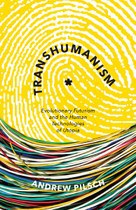
Transhumanism 豆瓣
作者:
Andrew Pilsch
University of Minnesota Press
2017
- 8
Transhumanism posits that humanity is on the verge of rapid evolutionary change as a result of emerging technologies and increased global consciousness. However, this insight is dismissed as a naive and controversial reframing of posthumanist thought, having also been vilified as “the most dangerous idea in the world” by Francis Fukuyama. In this book, Andrew Pilsch counters these critiques, arguing instead that transhumanism’s utopian rhetoric actively imagines radical new futures for the species and its habitat.
Pilsch situates contemporary transhumanism within the longer history of a rhetorical mode he calls “evolutionary futurism” that unifies diverse texts, philosophies, and theories of science and technology that anticipate a radical explosion in humanity’s cognitive, physical, and cultural potentialities. By conceptualizing transhumanism as a rhetoric, as opposed to an obscure group of fringe figures, he explores the intersection of three major paradigms shaping contemporary Western intellectual life: cybernetics, evolutionary biology, and spiritualism. In analyzing this collision, his work traces the belief in a digital, evolutionary, and collective future through a broad range of texts written by theologians and mystics, biologists and computer scientists, political philosophers and economic thinkers, conceptual artists and Golden Age science fiction writers. Unearthing the long history of evolutionary futurism, Pilsch concludes, allows us to more clearly see the novel contributions that transhumanism offers for escaping our current geopolitical bind by inspiring radical utopian thought.
Pilsch situates contemporary transhumanism within the longer history of a rhetorical mode he calls “evolutionary futurism” that unifies diverse texts, philosophies, and theories of science and technology that anticipate a radical explosion in humanity’s cognitive, physical, and cultural potentialities. By conceptualizing transhumanism as a rhetoric, as opposed to an obscure group of fringe figures, he explores the intersection of three major paradigms shaping contemporary Western intellectual life: cybernetics, evolutionary biology, and spiritualism. In analyzing this collision, his work traces the belief in a digital, evolutionary, and collective future through a broad range of texts written by theologians and mystics, biologists and computer scientists, political philosophers and economic thinkers, conceptual artists and Golden Age science fiction writers. Unearthing the long history of evolutionary futurism, Pilsch concludes, allows us to more clearly see the novel contributions that transhumanism offers for escaping our current geopolitical bind by inspiring radical utopian thought.
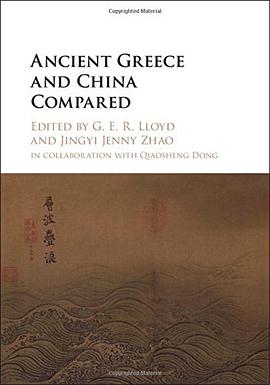
Ancient Greece and China Compared 豆瓣 谷歌图书
作者:
Geoffrey E. R. Lloyd (EDT)
/
Jingyi Jenny Zhao (EDT)
Cambridge University Press
2018
- 1
Ancient Greece and China Compared is a pioneering, methodologically sophisticated set of studies, bringing together scholars who all share the conviction that the sustained critical comparison and contrast between ancient societies can bring to light significant aspects of each that would be missed by focusing on just one of them. The topics tackled include key issues in philosophy and religion, in art and literature, in mathematics and the life sciences (including gender studies), in agriculture, city planning and institutions. The volume also analyses how to go about the task of comparing, including finding viable comparanda and avoiding the trap of interpreting one culture in terms appropriate only to another. The book is set to provide a model for future collaborative and interdisciplinary work exploring what is common between ancient civilisations, what is distinctive of particular ones, and what may help to account for the latter.
道德与秩序:北宋诏令的话语系统解读 豆瓣
作者:
徐红
2018
- 4
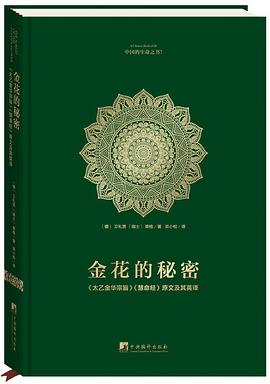
金花的秘密:中国的生命之书 豆瓣
The screat of the golden flower
作者:
荣格
/
卫礼贤
译者:
邓小松
中央编译出版社
2016
- 10
中国人的生命之书!心理学大师荣格与德国汉学大家卫礼贤品评中国文化,此书风靡西方,成为西方人了解中国的经典之作!
本书是分析心理学宗师荣格评论中国文化的著作。在荣格的理解中,金花的秘密也就是人类心灵的秘密,是人的真正内在生命的秘密。荣格在其评论的结语中说:“我的评论,目的是要建立一种在东方和西方之间进行心理学理解的桥梁。”从心理学的角度来分析中国文化、比较中西差异,除了荣格这样的如此热爱中国文化同时又是大师级别者,再难见如此功力深厚而又简洁精辟的论著了,所以这本书至今无法被取代。如荣格所说,中国用朴素的语言揭示出深刻的真理,带来了金花的优雅芬芳,使西方人对于生命和道有了新的感受。
本书是分析心理学宗师荣格评论中国文化的著作。在荣格的理解中,金花的秘密也就是人类心灵的秘密,是人的真正内在生命的秘密。荣格在其评论的结语中说:“我的评论,目的是要建立一种在东方和西方之间进行心理学理解的桥梁。”从心理学的角度来分析中国文化、比较中西差异,除了荣格这样的如此热爱中国文化同时又是大师级别者,再难见如此功力深厚而又简洁精辟的论著了,所以这本书至今无法被取代。如荣格所说,中国用朴素的语言揭示出深刻的真理,带来了金花的优雅芬芳,使西方人对于生命和道有了新的感受。
武义南宋徐谓礼文书 豆瓣
作者:
包伟民
/
郑嘉励 编
2012
- 10
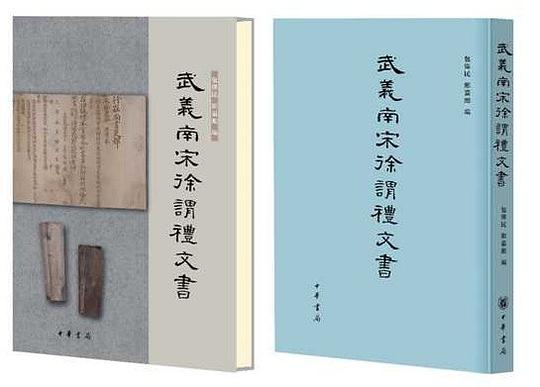
武义南宋徐谓礼文书,现存共十五个卷子,包括三个部分:“录白告身”两卷、“录白敕黄”一卷、“录白印纸”十二卷。 “告身”是阶官的任命状,“敕黄”是差遣的任命敕牒,“印纸”则相当于考核表格,而“录白”是指抄录这些官方文书的副本。
徐谓礼文书完整记录了徐谓礼从嘉定十四年(1221)以承务郎任监临安府粮料院起,至淳祐十二年(1252)以朝散大夫知信州,三十年间的仕宦履历。尤其是“录白印纸”部分记录了徐谓礼自任京官后历任的考课内容,包括各类保状、荐状、任满交割批书、任内功过记录等,反映了一个南宋中级官员从中央到地方、从低级到中级的历官过程。
徐谓礼文书是近代史学创立以来,首次从墓葬中发现的宋代文书,对研究宋代官制、葬制、纸张制造等意义重大。
徐谓礼文书完整记录了徐谓礼从嘉定十四年(1221)以承务郎任监临安府粮料院起,至淳祐十二年(1252)以朝散大夫知信州,三十年间的仕宦履历。尤其是“录白印纸”部分记录了徐谓礼自任京官后历任的考课内容,包括各类保状、荐状、任满交割批书、任内功过记录等,反映了一个南宋中级官员从中央到地方、从低级到中级的历官过程。
徐谓礼文书是近代史学创立以来,首次从墓葬中发现的宋代文书,对研究宋代官制、葬制、纸张制造等意义重大。
神霄雷法 豆瓣
作者:
李远国
2003
- 7
与传统的道教相比,全真诸派重视内丹之学,虽刻意淡化符咒之术,但亦运用符咒为人治病解厄、祈晴求雨。由于内丹学说的兴盛与影响,传统道教中的符箓诸派也纷纷采纳其学,以完善旧有的修炼体系,改革古老的符咒道法。于是,一种融道教的丹法、气法、符咒、方术等为一体,吸收儒家理学“正心诚意”的理念、佛教“明心见性”的禅观、密宗“三密相应”的密法,并以雷祖崇拜为核心的新型道法——雷法,应运而生。
对雷神的崇拜和雷法的修持与运用,是中华道教中最重要的一种信仰及一门法术。它源自中国最古老的原始宗教,即包含着人类文明中最早最本质的自然崇拜,亦保存着人类企图控制造化、主宰天地的胆略与努力。它将人们对天地的敬畏、对神灵的崇拜以及人的主观能动性,三者有机地结合,从而形成了一种非常独特的文化现象。在道教中,对雷神的崇拜由来已久,且非常广泛。尤其是唐宋以来,由于众多道门高真的倡导,雷法盛行天下,一度雄踞万法之首,成为道教法术的最高代表,引起世人广泛的关注,影响甚巨,时至今日。在众多的道教流派中,对道教雷法的形成及发展,首推神霄派的贡献最大。因此,我们探讨道教雷法的理论、方法、演变及其影响,理应从神霄派的研究下手。
对雷神的崇拜和雷法的修持与运用,是中华道教中最重要的一种信仰及一门法术。它源自中国最古老的原始宗教,即包含着人类文明中最早最本质的自然崇拜,亦保存着人类企图控制造化、主宰天地的胆略与努力。它将人们对天地的敬畏、对神灵的崇拜以及人的主观能动性,三者有机地结合,从而形成了一种非常独特的文化现象。在道教中,对雷神的崇拜由来已久,且非常广泛。尤其是唐宋以来,由于众多道门高真的倡导,雷法盛行天下,一度雄踞万法之首,成为道教法术的最高代表,引起世人广泛的关注,影响甚巨,时至今日。在众多的道教流派中,对道教雷法的形成及发展,首推神霄派的贡献最大。因此,我们探讨道教雷法的理论、方法、演变及其影响,理应从神霄派的研究下手。
On the Existence of Digital Objects 豆瓣
作者:
Yuk Hui
University Of Minnesota Press
2016
- 2
Digital objects, in their simplest form, are data. They are also a new kind of industrial object that pervades every aspect of our life today—as online videos, images, text files, e-mails, blog posts, Facebook events.Yet, despite their ubiquity, the nature of digital objects remains unclear.
On the Existence of Digital Objects conducts a philosophical examination of digital objects and their organizing schema by creating a dialogue between Martin Heidegger and Gilbert Simondon, which Yuk Hui contextualizes within the history of computing. How can digital objects be understood according to individualization and individuation? Hui pursues this question through the history of ontology and the study of markup languages and Web ontologies; he investigates the existential structure of digital objects within their systems and milieux. With this relational approach toward digital objects and technical systems, the book addresses alienation, described by Simondon as the consequence of mistakenly viewing technics in opposition to culture.
Interdisciplinary in philosophical and technical insights, with close readings of Husserl, Heidegger, and Simondon as well as the history of computing and the Web, Hui’s work develops an original, productive way of thinking about the data and metadata that increasingly define our world.
Reviews:
This is a major contribution to the subfield of the philosophy of technology, and as such, takes on two of the towering figures in the 20th century thinking on humans’ relationship with technics: Heidegger and Simondon. — Parrhesia: A Journal of Critical Philosophy
Hui’s project is remarkable for a conceptual engagement with twentieth-century philosophies of technology (Simondon, Heidegger, Husserl, Stiegler, Ellul) that pushes these theories further by confronting them with questions of the digital. — Radical Philosophy
Hui hat ein Buch vorgelegt, das die Aktualität von Metaphysik und den dringenden Bedarf an neuen Ontologien in digitalen Zeiten überzeugend darstellt und überzeugende, teils kühne Vorschläge liefert — Zeitschrift für Medienwissenschaft
Hui develops in this essay an absorbing philosophical investigation of these objects which goes well beyond the ample definition of digital humanities. — Neural Magazine
Hui adeptly blends his technical training and philosophical knowledge to address a fundamental question: what is the relationship between technological and humanistic concerns? — Public Books
On the Existence of Digital Objects conducts a philosophical examination of digital objects and their organizing schema by creating a dialogue between Martin Heidegger and Gilbert Simondon, which Yuk Hui contextualizes within the history of computing. How can digital objects be understood according to individualization and individuation? Hui pursues this question through the history of ontology and the study of markup languages and Web ontologies; he investigates the existential structure of digital objects within their systems and milieux. With this relational approach toward digital objects and technical systems, the book addresses alienation, described by Simondon as the consequence of mistakenly viewing technics in opposition to culture.
Interdisciplinary in philosophical and technical insights, with close readings of Husserl, Heidegger, and Simondon as well as the history of computing and the Web, Hui’s work develops an original, productive way of thinking about the data and metadata that increasingly define our world.
Reviews:
This is a major contribution to the subfield of the philosophy of technology, and as such, takes on two of the towering figures in the 20th century thinking on humans’ relationship with technics: Heidegger and Simondon. — Parrhesia: A Journal of Critical Philosophy
Hui’s project is remarkable for a conceptual engagement with twentieth-century philosophies of technology (Simondon, Heidegger, Husserl, Stiegler, Ellul) that pushes these theories further by confronting them with questions of the digital. — Radical Philosophy
Hui hat ein Buch vorgelegt, das die Aktualität von Metaphysik und den dringenden Bedarf an neuen Ontologien in digitalen Zeiten überzeugend darstellt und überzeugende, teils kühne Vorschläge liefert — Zeitschrift für Medienwissenschaft
Hui develops in this essay an absorbing philosophical investigation of these objects which goes well beyond the ample definition of digital humanities. — Neural Magazine
Hui adeptly blends his technical training and philosophical knowledge to address a fundamental question: what is the relationship between technological and humanistic concerns? — Public Books
"What Is an Apparatus?" and Other Essays 豆瓣
作者:
Giorgio Agamben
译者:
David Kishik
/
Stefan Pedatella
Stanford University Press
2009
- 5
The three essays collected in this book offer a succinct introduction to Agamben's recent work through an investigation of Foucault's notion of the apparatus, a meditation on the intimate link of philosophy to friendship, and a reflection on contemporariness, or the singular relation one may have to one's own time.
"Apparatus" (dispositif in French) is at once a most ubiquitous and nebulous concept in Foucault's later thought. In a text bearing the same name ("What is a dispositif?") Deleuze managed to contribute its mystification, but Agamben's leading essay illuminates the notion: "I will call an apparatus," he writes, "literally anything that has in some way the capacity to capture, orient, determine, intercept, model, control, or secure the gestures, behaviors, opinions, or discourses of living beings." Seen from this perspective, Agamben's work, like Foucault's, may be described as the identification and investigation of apparatuses, together with incessant attempts to find new ways to dismantle them.
Though philosophy contains the notion of philos, or friend, in its very name, philosophers tend to be very skeptical about friendship. In his second essay, Agamben tries to dispel this skepticism by showing that at the heart of friendship and philosophy, but also at the core of politics, lies the same experience: the shared sensation of being.
Guided by the question, "What does it mean to be contemporary?" Agamben begins the third essay with a reading of Nietzsche's philosophy and Mandelstam's poetry, proceeding from these to an exploration of such diverse fields as fashion, neurophysiology, messianism and astrophysics.
"Apparatus" (dispositif in French) is at once a most ubiquitous and nebulous concept in Foucault's later thought. In a text bearing the same name ("What is a dispositif?") Deleuze managed to contribute its mystification, but Agamben's leading essay illuminates the notion: "I will call an apparatus," he writes, "literally anything that has in some way the capacity to capture, orient, determine, intercept, model, control, or secure the gestures, behaviors, opinions, or discourses of living beings." Seen from this perspective, Agamben's work, like Foucault's, may be described as the identification and investigation of apparatuses, together with incessant attempts to find new ways to dismantle them.
Though philosophy contains the notion of philos, or friend, in its very name, philosophers tend to be very skeptical about friendship. In his second essay, Agamben tries to dispel this skepticism by showing that at the heart of friendship and philosophy, but also at the core of politics, lies the same experience: the shared sensation of being.
Guided by the question, "What does it mean to be contemporary?" Agamben begins the third essay with a reading of Nietzsche's philosophy and Mandelstam's poetry, proceeding from these to an exploration of such diverse fields as fashion, neurophysiology, messianism and astrophysics.

Morphology of the Folk Tale 豆瓣
作者:
V.IA. Propp
University of Texas Press
1968
地道风物004·黔东南 豆瓣
作者:
范亚昆 主编
2016
- 8
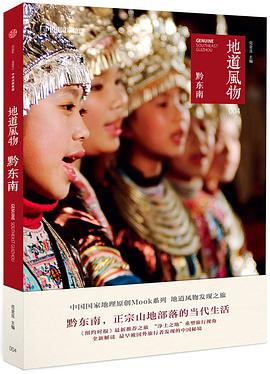
“山地部落”这个词,与都市文明遥遥相对,天然涵盖了异域、遥远、纯净、原始、陌生等色,能够燃起无数人踏上旅途的渴望。 新旧秩序的交叠与变化,成为今天的黔东南真正的景观。
与其说这样的地方已经不是原生态的净土,不如说,这里在漫长的年代里建立的人与土地的关系,还处在一种更加传统的秩序之中。那种在经年累月中小心翼翼互相予取的格局,暂时未曾被新世界全然改变,它看起来似乎新旧杂糅、真相难辨,其实时间与空间在这里经历了特殊的压缩集中,形成一种独有的变化节奏。
我们从黔东南开始,学习如何用“在地者”的视角观察一地的恒常变化,也期待每个参与者在路途中看到更广阔的空间,从而获得对各地更加真实、丰富的沟通与理解。
●黔东南是联合国教科文组织认定的“十大世界少数民族风情保护区”之一,2016年度《纽约时报》推荐世界上52个最值得到访的旅游目的地之一
●瑰丽山水——雷公山、清水江,绝美建筑——鼓楼、风雨桥,古朴艺术——苗族古歌、侗族大歌,精湛手艺——苗银、苗绣,地道美食——酸汤鱼、牛羊瘪,都在黔东南!
●附赠黔东南地道风物地图,获取“在地”旅行方式的最佳体验地,从黔东南开启重塑旅行视角的深度旅程,发现更广阔也更真实的天地。
与其说这样的地方已经不是原生态的净土,不如说,这里在漫长的年代里建立的人与土地的关系,还处在一种更加传统的秩序之中。那种在经年累月中小心翼翼互相予取的格局,暂时未曾被新世界全然改变,它看起来似乎新旧杂糅、真相难辨,其实时间与空间在这里经历了特殊的压缩集中,形成一种独有的变化节奏。
我们从黔东南开始,学习如何用“在地者”的视角观察一地的恒常变化,也期待每个参与者在路途中看到更广阔的空间,从而获得对各地更加真实、丰富的沟通与理解。
●黔东南是联合国教科文组织认定的“十大世界少数民族风情保护区”之一,2016年度《纽约时报》推荐世界上52个最值得到访的旅游目的地之一
●瑰丽山水——雷公山、清水江,绝美建筑——鼓楼、风雨桥,古朴艺术——苗族古歌、侗族大歌,精湛手艺——苗银、苗绣,地道美食——酸汤鱼、牛羊瘪,都在黔东南!
●附赠黔东南地道风物地图,获取“在地”旅行方式的最佳体验地,从黔东南开启重塑旅行视角的深度旅程,发现更广阔也更真实的天地。
聲音的奇妙旅程 豆瓣
作者:
崔佛.考克斯(Trevor Cox)
译者:
楊惠君
馬可孛羅文化
2016
- 3
清耳朵、聲音漫步,目前正在興起的「聲音覺醒」年代!
獨厚視覺、聲音缺席,世界將失色一半。
一個聲學奇蹟的收集者,帶領我們從盧瑞鐘乳石洞大鐘乳石管風琴、馬雅的庫庫爾坎金字塔的鳥鳴階梯、鳴唱的沙丘……去追尋聲音,透過「清耳朵」改變我們聆聽的方式,重新讓聲音活起來。
★亞馬遜書店4.4顆星評價
˙在廣場、音樂廳,聽得清楚表演,有那麼簡單嗎?
˙為什麼你家浴室把你的聲音反彈回來,會讓你想唱歌?
˙教堂如何運用活的房間原理,讓人更敬畏神?
˙這世上有音樂馬路、音樂是「聽覺的乳酪蛋糕」?
˙製造商又是如何透過操弄顧客聽到的聲音,提升客戶滿意度?
談聲音,找崔弗‧考克斯就對了。身為英國聲學工程學教授,曾任聲學研究所所長的考克斯,對聲音特別有興趣,他曾經拍一系列的紀錄片在BBC播出,揭露了聲音的科學,他也曾做過關於「鴨子的回聲」、「世上最糟糕的聲音」的新聞報導,他還研究過世界上最可怕的尖叫聲,他常出現在BBC1、Teachers TV、探索頻道(Discovery)以及國家地理頻道(National Geographic channels)。
因為感嘆視覺的主導地位,導致聽覺弱勢,使得我們找不到幾段美好的錄音。於是,開啟了他的尋聲之旅。
在莫哈維沙漠,他發現鳴唱的沙丘。在曼徹斯特聽了「唯一能在彈奏後喝掉的樂器」。在加州,他把車開過一條會演奏〈威廉‧泰爾序曲〉 的音樂馬路。在全球各地的大教堂裡,他找到了聲學效果如何改變了教會的歷史的奧祕。而馬雅人的金字塔為什麼會發出鳥鳴聲?追尋聲音的旅途中,也曾有過全然的安靜體驗。
考克斯從物理學、音樂、考古學、神經科學、生物學等面向切入,替我們找出聽聲音的門道。他說明了人為的噪音又是如何逼迫動物改變鳴叫聲?現代人,又是如何被製造商所操控的聲音所擺布?想要改善都市噪音怎麼做?加入自然的聲音就可以了。作者也呼籲,文化遺產組織必須了解聲音的重要性,光靠文字和照片來記載遺址是不夠的,還得靠聲音助上一臂之力。
在視覺主宰的世界裡,《聲音的奇妙旅程》鼓勵我們成為更好的聆聽者,張開我們的耳朵,聆聽周遭美妙的雜音,學習透過聲音漫步和清耳朵,我們就可以著手建立一個更好聽的世界。
獨厚視覺、聲音缺席,世界將失色一半。
一個聲學奇蹟的收集者,帶領我們從盧瑞鐘乳石洞大鐘乳石管風琴、馬雅的庫庫爾坎金字塔的鳥鳴階梯、鳴唱的沙丘……去追尋聲音,透過「清耳朵」改變我們聆聽的方式,重新讓聲音活起來。
★亞馬遜書店4.4顆星評價
˙在廣場、音樂廳,聽得清楚表演,有那麼簡單嗎?
˙為什麼你家浴室把你的聲音反彈回來,會讓你想唱歌?
˙教堂如何運用活的房間原理,讓人更敬畏神?
˙這世上有音樂馬路、音樂是「聽覺的乳酪蛋糕」?
˙製造商又是如何透過操弄顧客聽到的聲音,提升客戶滿意度?
談聲音,找崔弗‧考克斯就對了。身為英國聲學工程學教授,曾任聲學研究所所長的考克斯,對聲音特別有興趣,他曾經拍一系列的紀錄片在BBC播出,揭露了聲音的科學,他也曾做過關於「鴨子的回聲」、「世上最糟糕的聲音」的新聞報導,他還研究過世界上最可怕的尖叫聲,他常出現在BBC1、Teachers TV、探索頻道(Discovery)以及國家地理頻道(National Geographic channels)。
因為感嘆視覺的主導地位,導致聽覺弱勢,使得我們找不到幾段美好的錄音。於是,開啟了他的尋聲之旅。
在莫哈維沙漠,他發現鳴唱的沙丘。在曼徹斯特聽了「唯一能在彈奏後喝掉的樂器」。在加州,他把車開過一條會演奏〈威廉‧泰爾序曲〉 的音樂馬路。在全球各地的大教堂裡,他找到了聲學效果如何改變了教會的歷史的奧祕。而馬雅人的金字塔為什麼會發出鳥鳴聲?追尋聲音的旅途中,也曾有過全然的安靜體驗。
考克斯從物理學、音樂、考古學、神經科學、生物學等面向切入,替我們找出聽聲音的門道。他說明了人為的噪音又是如何逼迫動物改變鳴叫聲?現代人,又是如何被製造商所操控的聲音所擺布?想要改善都市噪音怎麼做?加入自然的聲音就可以了。作者也呼籲,文化遺產組織必須了解聲音的重要性,光靠文字和照片來記載遺址是不夠的,還得靠聲音助上一臂之力。
在視覺主宰的世界裡,《聲音的奇妙旅程》鼓勵我們成為更好的聆聽者,張開我們的耳朵,聆聽周遭美妙的雜音,學習透過聲音漫步和清耳朵,我們就可以著手建立一個更好聽的世界。
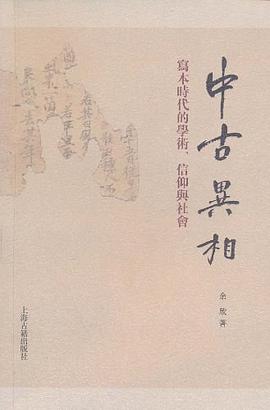
中古异相 豆瓣
作者:
余欣
上海古籍出版社
2011
- 3
本書的研究主旨,是以西陲出土寫本爲基礎探討中國中古時代的“學與術”和信仰、社會之間的關係,選擇的切入點爲構成中國文化本源的兩個互摄的“異相”:方術與博物之學。
上編“寫本時代的學與術”,試圖解明寫本時代的知識與技藝如何被製造、傳播和使用的問題。藉由敦煌、吐魯番、黑水城出土文獻,討論了“漢書學”、易學以及各種方術:物怪易占、人形解除、風角鳥情、擇吉推步等,將其重置於文本的成立與流通的歷史語境之中加以考察,探究經典知識、方伎雜術、政教禮俗、宗教觀念,如何進入士庶的生活場域和信仰實踐,成爲歷史記憶和文化傳統,並揭示不同文明間接觸、滲透、交融與再創新的史跡。
下編“中古博物的林中路”,是作者東亞博物學整體構築的部分結晶。從藥物、菜茹到寺院珍寶、沙州土貢、異域奇玩的這一組考證文字,不是僅僅關於物自身的研究,而是希望以此爲綫索,將它們在日常生活、宗教儀軌和東西文化交涉中的瑰麗景致,用寫實的手法重繪再現,致力於從知識體系的建構過程,重新思考博物學作爲一種認知世界的思維方式,在社會、思想和文明史上的意義。
本書尤爲注重出土文獻與傳統史志、域外典籍和考古文物的互相印證,並力圖溝通文字材料、圖像資料和相關學科工具,進行會通式的研究,建立起方術-博物-宗教-禮俗知識社會史-中外關係史相融合的研究範式。
上編“寫本時代的學與術”,試圖解明寫本時代的知識與技藝如何被製造、傳播和使用的問題。藉由敦煌、吐魯番、黑水城出土文獻,討論了“漢書學”、易學以及各種方術:物怪易占、人形解除、風角鳥情、擇吉推步等,將其重置於文本的成立與流通的歷史語境之中加以考察,探究經典知識、方伎雜術、政教禮俗、宗教觀念,如何進入士庶的生活場域和信仰實踐,成爲歷史記憶和文化傳統,並揭示不同文明間接觸、滲透、交融與再創新的史跡。
下編“中古博物的林中路”,是作者東亞博物學整體構築的部分結晶。從藥物、菜茹到寺院珍寶、沙州土貢、異域奇玩的這一組考證文字,不是僅僅關於物自身的研究,而是希望以此爲綫索,將它們在日常生活、宗教儀軌和東西文化交涉中的瑰麗景致,用寫實的手法重繪再現,致力於從知識體系的建構過程,重新思考博物學作爲一種認知世界的思維方式,在社會、思想和文明史上的意義。
本書尤爲注重出土文獻與傳統史志、域外典籍和考古文物的互相印證,並力圖溝通文字材料、圖像資料和相關學科工具,進行會通式的研究,建立起方術-博物-宗教-禮俗知識社會史-中外關係史相融合的研究範式。
海洋史研究(第十辑) 豆瓣
2017
- 6
本书深入探讨了古代地中海历史与拜占廷战舰,近世东南亚华人贸易与经济发展,荷兰人与葡萄牙人在澳门的较量等问题;对唐末高骈与北越王朝的建立,早期大越的海上贸易及其国家扩张,16世纪东亚火器交流与技术传播,暹罗吞武里王朝与清朝及河仙政权之关系,也有相当深刻的揭示;对乾嘉年间靝馨茶商与茶叶贸易,海南、越南地区兄弟公、天后等民间信仰,中国传统的海洋意识、海洋政策、朝贡体制等问题,提出独到的见解;介绍了中国海洋文明、清代帆船、琉球汉文文献等方面研究的新成果。
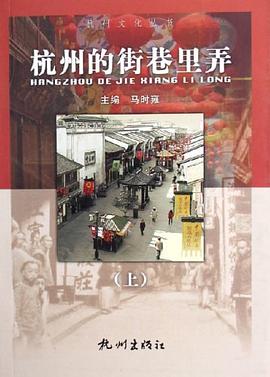
杭州的街巷里弄(上下) 豆瓣
作者:
马时雍
2006
- 1
地名是一个历史文化名城和地区历史变迁、人文因素发展的重要反映。 杭州具有8000年左右的历史,可远溯至新石器时代的跨湖桥文化和良渚文化。从文献记载来看,杭州的一些地名,如武林山(西湖群山)、浙江、吴山等,早在秦汉时期已出现。但直至隋文帝开皇十一年(591),杨素在柳浦西依凤凰山建造州城前,杭州还是一个灵隐山下的小山城,其地名见于文献记载的仍然屈指可数,而且大多已不可考。